Source Portable Edible Ink Food Printer for Bakery, Catering, and Retail
Explore 30 listings for the Portable Edible Ink Food Printer, featuring options with USB interfaces, heat curing, and varying print speeds. Buyers can compare specifications like print resolution, ink types, and automatic grades to find suitable models for custom food decoration tasks.
Key considerations
Products List


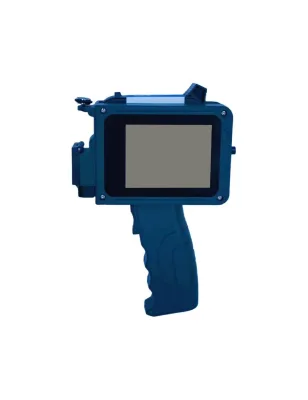


New Innovative Selfie Coffee Edible Ink Restaurant Inkjet Printer Machine
$1499.00 - $1699.00
MOQ: 1 Pieces


Coffee Cake WiFi-Enabled Selfie Inkjet Printer Machine with Edible Ink
$1499.00 - $1699.00
MOQ: 1 Pieces
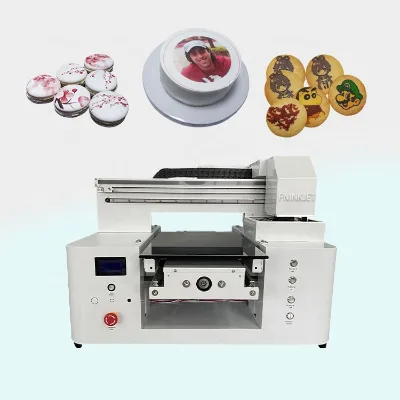
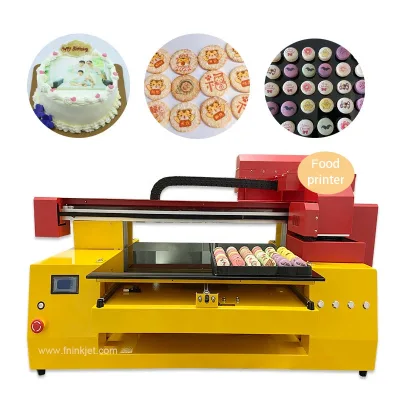


3D Automatic Beverages Food Printing Edible Latte Art Coffee Printer Machine
$950.00 - $980.00
MOQ: 1 Pieces


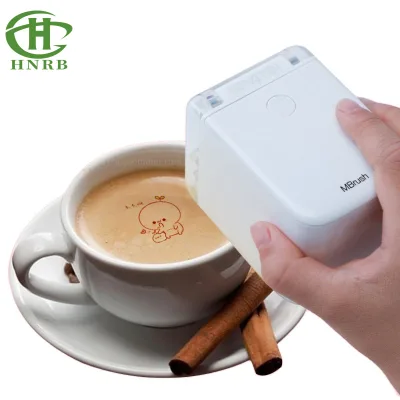
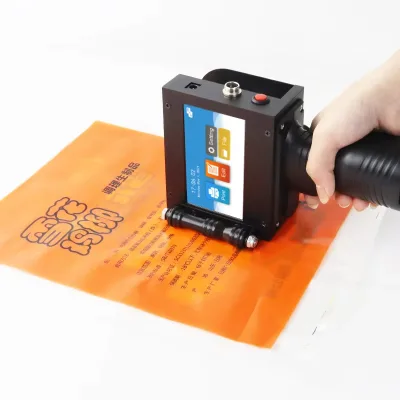

Colorful Cake Coffee Printing Machine Edible Food Printer Inkjet Coffer Printer
$550.00 - $750.00
MOQ: 1 Pieces
Comprehensive Sourcing Guide
Strategic Sourcing Guide for Portable Edible Ink Food Printers
The global demand for personalized food packaging and decorative edible printing has driven a surge in interest toward portable edible ink food printers. These devices enable bakeries, confectioneries, and food service providers to apply intricate designs, branding, and custom messages directly onto cakes, cookies, and other edible substrates. For procurement professionals, navigating this specialized market requires a disciplined approach that balances technical capability with food safety compliance. This guide synthesizes available product data and industry standards to provide a structured framework for evaluating and sourcing these machines.
Technical Architecture and Print Capabilities
Understanding the core technical specifications is the first step in identifying a machine that meets operational needs. The market offers a range of configurations, from fully automatic systems to semi-automatic units designed for specific tasks. A critical observation in the current product landscape is the variation in automatic grades. Some units are classified as "Automatic," featuring integrated control systems, while others are designated as "Semi-Automatic," requiring more manual intervention during the printing process. Buyers must verify the specific automation level required for their production volume.
The printing mechanism itself is another vital differentiator. While some industrial-grade units utilize gravure printing or platen press structures, portable edible ink solutions predominantly rely on digital printing technologies. A common configuration observed in high-performance portable units involves the use of the XP600 print head, which is known for its reliability in handling various ink types. The resolution of these machines is a key performance indicator; specifications often cite a print resolution of 600 dpi, ensuring sharp details on small surfaces.
Speed and height capabilities define the throughput and versatility of the device. Operational speeds can vary significantly, with some units capable of printing at 15-30 seconds per cap or achieving linear speeds of 100 cm/min. In terms of vertical clearance, the maximum printing height is a crucial constraint for thicker items like decorated cakes. Data indicates a range of maximum print heights, with some portable models supporting up to 12.7mm, while others may offer a range of 0mm to 35mm. The physical dimensions of the machine also impact portability; compact units may measure approximately 13585235mm, whereas larger industrial counterparts can exceed 715349cm in carton size.
Ink Systems and Material Compatibility
The ink system is the heart of an edible printer, directly impacting food safety and print quality. The primary requirement for these devices is the use of edible inks, which are formulated to be safe for human consumption. The chemical composition often includes pigment components designed for specific applications. Buyers should look for machines compatible with various ink types, including sublimation inks and fast-drying formulations. The drying mechanism is equally important; heat curing is a standard method observed in the market to ensure the ink sets rapidly without smudging.
Volume and packaging of the ink are practical considerations for ongoing operations. Standard ink volumes available in the market include 100ml, 150ml, 500ml, and 1L options. The physical packaging of the machine itself varies, with some units shipped in wooden boxes for heavy-duty protection and others in standard cartons. The color range is another specification to verify; while some systems offer single-color (black) printing, advanced models support a multi-color palette including black, blue, red, green, yellow, and white. This multi-color capability is essential for creating vibrant, full-color images on food products.
Operational Interface and Power Requirements
User interface and power compatibility are decisive factors for deployment in diverse environments. Modern portable printers often feature advanced control interfaces, such as touch screens, which simplify the setup of complex designs. However, simpler models may rely on push-button controls. The connectivity options also vary; some units are equipped with USB 2.0 interfaces for direct data transfer from design software, while others may rely on different connection protocols.
Power requirements must align with the electrical infrastructure of the intended location. While some industrial machines operate on standard AC 110-220V power supplies, portable units designed for field use or mobile bakeries may utilize battery-operated systems. Specific voltage ratings, such as 16.8V, are common for battery-powered handheld devices. The power mode is typically listed as "Power Supply," but the specific input voltage and frequency must be confirmed to prevent equipment damage. Additionally, the weight of the unit is a factor for portability; lightweight models may weigh around 0.9kg, facilitating easy transport between stations.
Compliance, Certification, and Food Safety Standards
Food safety is the paramount concern when sourcing edible printing equipment. Unlike standard industrial printers, edible ink printers must adhere to strict regulatory frameworks regarding materials that come into contact with food. While specific certification statuses vary by manufacturer and region, buyers must verify that the machine and its consumables comply with local food safety regulations. This includes ensuring that the ink components, such as pigments and solvents, are approved for human consumption by relevant authorities.
The origin of the product is also a significant indicator of regulatory alignment. Products originating from major manufacturing hubs like Zhengzhou, Guangdong, and Hubei in China are common in the global market. However, the country of origin does not automatically guarantee compliance; buyers must request documentation proving that the specific ink formulations and machine materials meet the food safety standards of their target market. Standards such as 650mm470mm430mm or 100ML/150ML/500ML/1L are often cited in product specifications, but these typically refer to physical dimensions or volume capacities rather than safety certifications. Buyers should explicitly request food-grade certification documents for the ink and the machine's internal components to ensure full compliance.
Cost Drivers and Procurement Economics
The cost of portable edible ink food printers is influenced by several variables, including the level of automation, print head quality, and ink system complexity. The observed price range in the market is extensive, spanning from approximately $25 to $21,200. This wide disparity reflects the difference between basic handheld devices and sophisticated, fully automated systems. The minimum order quantity (MOQ) is another economic factor; many suppliers offer flexible terms with an MOQ of 1 set, making these machines accessible for small businesses and startups.
Warranty terms are a critical component of the total cost of ownership. A standard warranty period observed in the market is 1 year, which provides a baseline for after-sales support. Buyers should evaluate whether the warranty covers the print head, which is often the most expensive and wear-prone component. Customization options can also drive costs; machines that allow for custom branding or specific software integrations may command a premium. When evaluating the price, buyers should consider the total cost of consumables, including the cost per milliliter of edible ink and the lifespan of the print head, rather than just the initial purchase price.
Supplier Evaluation and Quality Assurance
Selecting a reliable supplier is essential for ensuring long-term operational success. The market contains numerous manufacturers, and due diligence is required to distinguish between reputable suppliers and those with questionable quality control. Buyers should verify the supplier's location and production capabilities. For instance, suppliers based in Guangdong or Hubei may have different logistical advantages depending on the buyer's location. The presence of a dedicated support team and the availability of spare parts are also key indicators of supplier reliability.
Quality control measures should be rigorously applied before finalizing a purchase. This includes verifying the print resolution, checking the consistency of ink flow, and testing the machine's ability to handle various media types. The list of supported print media is extensive, ranging from labels and plain paper to glossy photo paper, transparencies, card stock, textile, envelopes, and thermal paper. However, the primary application for edible printers is on food substrates. Buyers should request sample prints to verify color accuracy, adhesion, and the absence of any off-odors or residues. The "Special Feature" of a touch screen or the "Control Type" should be tested for responsiveness and ease of use.
Long-Term Procurement and Operational Scalability
For buyers planning to scale their operations, the long-term viability of the printer is a crucial consideration. The ability to customize the machine, such as adding specific software interfaces or adjusting the print height, can extend the lifespan of the equipment. The "Customization: Available" attribute suggests that many suppliers offer tailored solutions to meet specific production needs. Additionally, the availability of different ink volumes (100ml to 1L) allows businesses to manage inventory efficiently based on their production cycles.
The maintenance requirements of the printer also play a significant role in long-term procurement. Machines with a "Print Speed" of 15 ppm or higher may require more frequent maintenance to maintain optimal performance. The "Performance" attribute, often related to viscosity, indicates that the ink's flow characteristics must be monitored to prevent clogging. Buyers should establish a maintenance schedule that includes regular cleaning of the print head and calibration of the ink system. Finally, the "Usage" capabilities of the machine, which may include printing on paper, labels, cards, tubes, bills, cloths, and metal, suggest that a versatile machine can serve multiple departments within a food production facility, maximizing the return on investment.
Conclusion
Sourcing a Portable Edible Ink Food Printer requires a comprehensive understanding of technical specifications, safety standards, and operational requirements. By carefully evaluating the automatic grade, print head technology, ink compatibility, and power requirements, buyers can select a machine that aligns with their specific production needs. The wide range of prices and MOQs offers flexibility for businesses of all sizes, but the emphasis on food safety and supplier reliability remains paramount. Through rigorous quality control and a focus on long-term maintenance, procurement professionals can secure a reliable solution that enhances product customization and operational efficiency in the competitive food service industry.
FAQs
What is the maximum printing height for portable edible ink food printers?
The maximum printing height varies by model, with some units supporting up to 35mm while others are limited to 12.7mm. Buyers must verify the specific model dimensions, such as the FL-Clara or FL-Jade, to ensure the machine accommodates the thickness of their food items like cakes or cookies.
Which ink types are compatible with these portable edible printers?
These machines primarily use edible inks, including pigment-based and sublimation ink formulations. The system supports fast-drying inks that require heat curing, and standard volumes range from 100ml to 1L, ensuring safe application on various edible substrates without compromising food safety.
Can these printers operate on standard AC power supplies?
Yes, many models operate on AC 110-220V power supplies, making them suitable for standard commercial kitchens. However, some portable handheld units utilize battery power with a specific voltage of 16.8V, so users must check the power mode and voltage rating before deployment.
How fast can a Portable Edible Ink Food Printer print designs?
Print speeds vary significantly, with some units achieving 15-30 seconds per cap or linear speeds of 100 cm per minute. Other models may offer a throughput of 15 pages per minute at 300 DPI resolution, so buyers should select a speed that matches their production volume requirements.
What is the minimum order quantity for purchasing these printers?
The minimum order quantity is typically 1 set, allowing small businesses and startups to purchase a single unit. This low entry barrier makes the technology accessible for bakeries and food service providers who need to test the equipment before scaling their operations.
Which countries manufacture these portable edible ink food printers?
These devices are primarily manufactured in China, with production hubs located in Zhengzhou, Guangdong, and Hubei. Buyers should verify the specific place of origin for their chosen model to understand shipping logistics and potential regulatory compliance requirements for their target market.
What warranty coverage is typically provided for these machines?
A standard warranty period of 1 year is commonly offered for these portable printing devices. This coverage generally protects against manufacturing defects, but buyers should confirm if the warranty specifically includes the print head, which is a critical and wear-prone component of the system.