Source Portable Electric Hair Curling Iron for Salon, Hotel, Home
Find 30 Portable Electric Hair Curling Iron options from Guangdong suppliers. Compare models like C01 and C02 featuring ceramic coating, PTC heaters, and LED displays. Evaluate OEM capabilities, plug types, and packaging for salon or commercial use; compare the available evidence and request quotations based on your requirements.
Key considerations
Products List
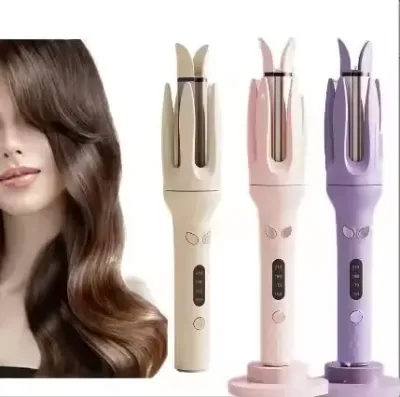
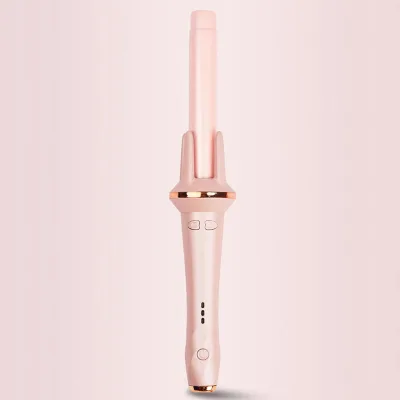
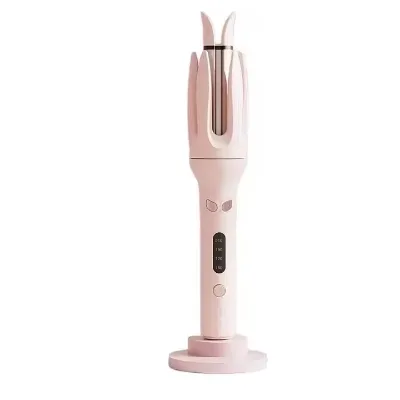
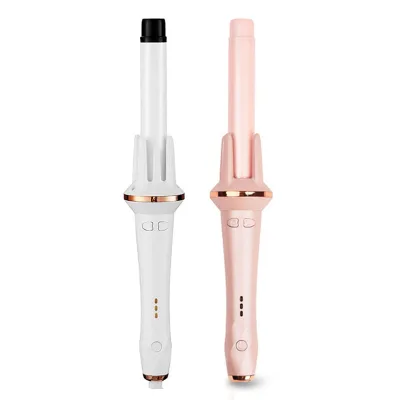
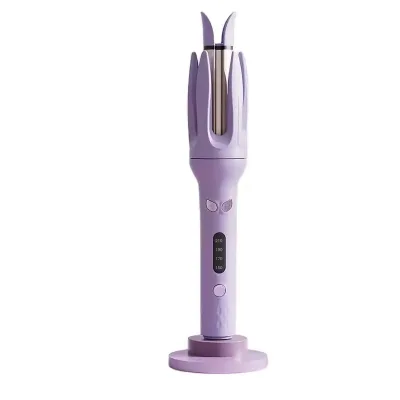
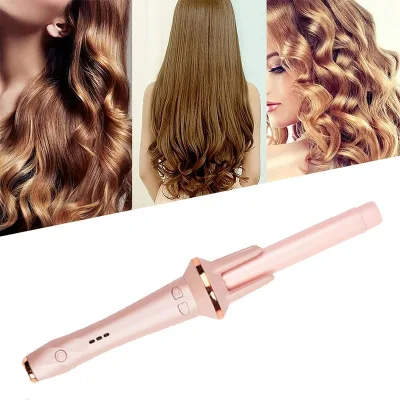

Auto Curling Iron Portable Waves Damage-Free Ionic Dorm Essential Curling Iron
$3.64 - $4.07
MOQ: 250 Pieces


Portable Hair Care Curling Hair Beauty Automatic Curling Iron Use for Home
$9.34 - $13.24
MOQ: 200 Pieces


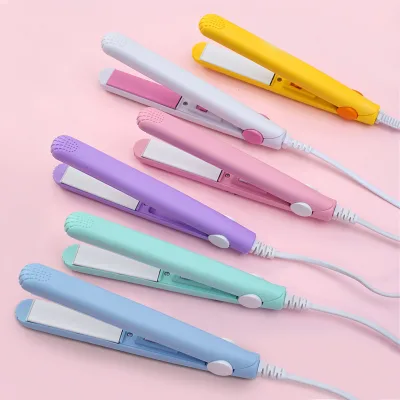
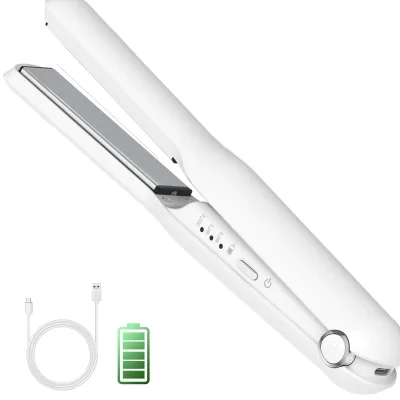

Multi-Functional Curling Iron, Ceramic Rotating Electric Curling Iron, Automatic Curling Iron
$10.34 - $11.34
MOQ: 1000 Pieces
Comprehensive Sourcing Guide
Portable Electric Hair Curling Iron Sourcing Guide
The global market for portable electric hair curling irons centers on versatile styling tools designed for both professional salon environments and personal home use. Current listings indicate a strong preference for handheld units featuring ceramic coating plates, which provide consistent heat distribution essential for quick styling. These devices are frequently marketed with dual-groove designs and LED temperature displays to enhance user control during the curling process. Buyers should note that the observed product range includes models specifically engineered for outdoor, hotel, and commercial applications, suggesting a demand for durable, travel-ready equipment.
Procurement strategies must account for the diverse color options and plug configurations available in the current supply chain. Suppliers typically offer units in pink, yellow, purple, and white, catering to varied aesthetic preferences across different retail segments. The electrical compatibility is a critical factor, with listings showing support for US, EU, and UK plug types to facilitate international distribution. When sourcing, buyers must verify that the selected model aligns with the specific target area of head hair and the intended usage environment, ensuring the device meets the functional requirements of beauty salons and individual consumers alike.
Product Scope and Observed Listing Signals
Buyers analyzing the current market should recognize that the core product scope encompasses professional hair curlers with specific model identifiers such as C01, C02, and WSJ-0089. These listings reveal a clear segmentation between manual and handheld electric variants, with the latter dominating the portable category. The observed product attributes highlight a focus on quick heat-up capabilities and PTC heater types, which are essential for efficiency in high-volume salon settings. Procurement teams must distinguish between these technical variations to ensure the selected inventory matches the operational speed requirements of their clients.
The packaging and physical dimensions of these units vary significantly, influencing logistics and shelf presentation strategies. Single package sizes range from compact 22x3.5x3 cm units to larger 36x14x7.6 cm boxes, with gross weights fluctuating between 0.750 kg and heavier bulk shipments. Suppliers utilize corrugated boxes, color boxes, and standard cartons, indicating flexibility in branding and protection levels. Buyers need to evaluate these physical specifications against their distribution channels, as the choice of packaging directly impacts shipping costs and the unboxing experience for end-users in retail or wholesale environments.
Technical Specifications to Verify
Verification of the heating technology is paramount when sourcing portable electric hair curling irons, as the heater type dictates performance and safety. The supply data points to PTC heaters and ceramic coating materials as standard features, which are known for rapid thermal response and even heat distribution. Buyers must confirm that the specific model under consideration utilizes these components to prevent hot spots that could damage hair or cause inconsistent styling results. Additionally, the presence of LED indicating lamps for temperature display should be validated to ensure users have accurate feedback on the device's operational status.
Material composition and structural design are equally critical factors that influence the longevity and safety of the curling iron. The observed product materials include GPPS, PA, and electronic components, which form the housing and internal circuitry of the device. The dual-groove design mentioned in several listings suggests a specific engineering approach to hair retention and curl formation. Procurement teams should request detailed technical sheets to verify the exact material grades and ensure the electronic components meet the necessary durability standards for repeated use in both salon and home settings.
Compliance and Safety Documentation
Safety compliance is a non-negotiable aspect of sourcing electrical beauty devices, particularly given the high temperatures involved in hair styling. While specific certification statuses like CE and ROHS are noted in background data, buyers must insist on seeing valid, up-to-date test reports from accredited laboratories for every batch. The relevant safety standard EN60335-2-23 governs the electrical safety of household appliances, and compliance with this standard is essential for market access in many regions. Without verified documentation, the risk of product recalls or liability issues increases significantly, making rigorous verification a priority before finalizing any purchase order.
Documentation requirements extend beyond electrical safety to include material safety and environmental compliance. Buyers should ensure that the ceramic coating and plastic components used in the curling irons do not release harmful substances under heat. The supply chain often involves complex manufacturing processes, so requesting a full compliance dossier that covers both the final product and its constituent materials is necessary. This due diligence protects the brand from regulatory penalties and ensures that the products sold meet the safety expectations of consumers and regulatory bodies in the destination markets.
Cost Drivers and Commercial Terms
The pricing structure for portable electric hair curling irons is heavily influenced by the complexity of the electronic components and the quality of the ceramic coating. Observed price ranges vary widely, reflecting differences in features such as LED displays, PTC heater efficiency, and the sophistication of the dual-groove design. Buyers must analyze the cost per unit against the specific feature set to determine the value proposition for their target market segment. Understanding these cost drivers helps in negotiating better terms and selecting models that offer the optimal balance between performance and margin potential.
Commercial terms, including Minimum Order Quantities (MOQ) and payment structures, vary significantly across the supplier base. The observed MOQ range spans from 2 to 3000 units, offering flexibility for both small startups and large distributors. However, the unit price often correlates with the order volume, requiring buyers to calculate the total landed cost rather than focusing solely on the per-unit price. Additionally, the availability of OEM and ODM services allows for customization, which can impact the final cost and lead time. Procurement teams should clearly define their volume requirements and customization needs to secure the most favorable commercial terms.
Supplier Qualification and Quality Control
Supplier qualification for hair styling tools requires a thorough assessment of their manufacturing capabilities and quality control systems. The observed data indicates that many suppliers are located in Guangdong and Guangzhou, China, regions known for their electronics manufacturing ecosystems. Buyers should verify the supplier's experience with OEM and ODM projects, as this indicates their ability to handle customization and maintain consistent quality standards. A robust quality control process is essential to ensure that every unit meets the specified technical requirements, from the ceramic coating application to the final assembly of electronic components.
Quality control protocols must be established to monitor critical production stages, including material inspection, assembly, and final testing. Given the electrical nature of the product, functional testing of the PTC heaters and LED displays is mandatory before shipment. Buyers should implement a clear inspection plan that includes random sampling and, where necessary, third-party verification to ensure product consistency. This proactive approach minimizes the risk of receiving defective units and ensures that the final products delivered to the market are reliable and safe for consumer use.
Long-Term Procurement Checks
Sustaining a successful procurement relationship for portable electric hair curling irons requires ongoing monitoring of product performance and market trends. Buyers should establish a feedback loop with end-users to identify any recurring issues related to heating consistency, durability, or user interface. This data is crucial for refining future product specifications and ensuring that the supplier continues to meet evolving consumer expectations. Regular reviews of the product line help in identifying opportunities for upgrades or modifications that can maintain a competitive edge in the marketplace.
Long-term success also depends on maintaining a reliable supply chain that can adapt to fluctuating demand and regulatory changes. Buyers should regularly audit their suppliers to ensure continued compliance with safety standards and material regulations. Building a diversified supplier base can mitigate risks associated with production delays or quality inconsistencies. By fostering strong partnerships and maintaining open communication, procurement teams can ensure a steady flow of high-quality hair curling irons that meet the needs of their customers over the long term.
FAQs
What materials are used for the curling iron plates?
The plates feature a ceramic coating to ensure even heat distribution and protect hair. Some models also incorporate GPPS and PA materials for the body. This combination supports professional styling in salons while maintaining durability for home use applications.
Can I customize the product with my own brand?
Yes, OEM and ODM services are available for this Portable Electric Hair Curling Iron. Buyers can request custom branding and design modifications. The manufacturer accepts customization requests to meet specific business needs for hotel or commercial beauty applications.
Which plug types are supported for international use?
The device supports US, EU, and UK plug types to accommodate different regions. This flexibility allows for direct use in various markets without needing adapters. It ensures the tool is ready for global distribution to hotels and salons.
How quickly does the curling iron heat up?
The unit features a quick heat-up capability for efficient styling sessions. It utilizes a PTC heater type to reach operating temperatures rapidly. This feature is essential for busy beauty salons and professional hair styling environments requiring speed.
What is the minimum order quantity for this item?
The minimum order quantity ranges from 2 to 3000 units depending on the specific model and customization needs. Buyers can negotiate based on their volume requirements. This flexibility supports both small trial orders and large commercial procurement projects.
Where is the product manufactured and shipped from?
The product originates from Guangdong and Guangzhou in China. This location serves as the primary manufacturing hub for these portable electric hair curling irons. Buyers should expect shipping logistics to be managed from these specific Chinese regions.
What display features does the styling iron include?
The device includes an LED indicating lamp for temperature display. This visual feedback helps users monitor the heating status accurately. It ensures safe operation during professional hair styling tasks in salons or home settings.