Source Portable Electric Oil Drum Pump for Machinery, Workshops, and Labs
Find and compare 30 Portable Electric Oil Drum Pump options from China. Evaluate models with varying flow rates, head heights, and materials like SS316L to select the right unit for your industrial or workshop needs.
Key considerations
Products List


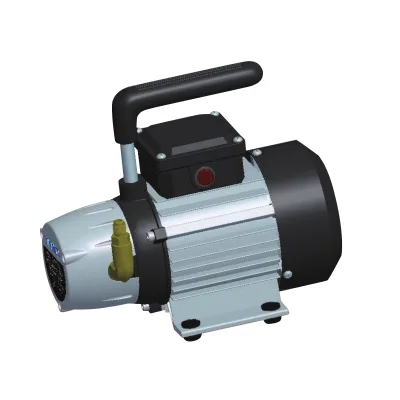
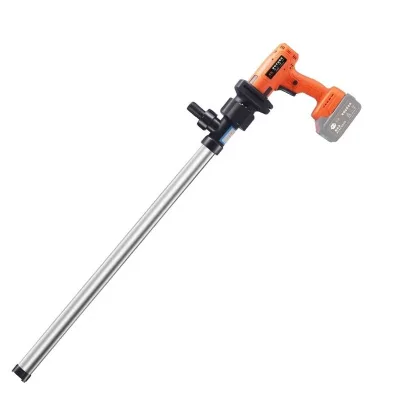
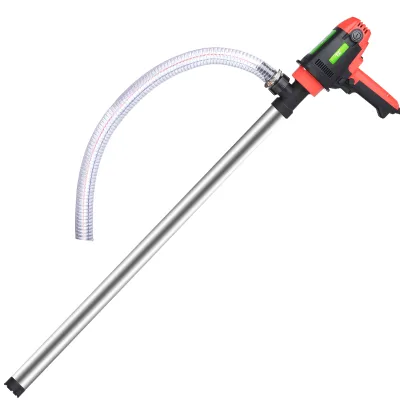
Portable Handheld Electric Drum Pump Stainless Steel Tube 220V Oil Pump
$350.00 - $370.00
MOQ: 1 Pieces






Comprehensive Sourcing Guide
Portable Electric Oil Drum Pump Sourcing Guide
Procuring a Portable Electric Oil Drum Pump requires a clear understanding of the specific operational environment and the fluid dynamics involved in transferring viscous liquids from standard industrial drums. These devices are engineered to bridge the gap between storage and point-of-use, offering a critical solution for machinery manufacturing and general industrial maintenance where manual pouring is inefficient or hazardous. The primary value proposition lies in the ability to move fluids with precision and speed, reducing labor costs and minimizing spill risks associated with traditional gravity-fed methods.
Buyers must distinguish between pumps designed for high-pressure applications and those optimized for general flow rates, as the internal gear mechanisms and motor power vary significantly based on the intended use. The observed market data indicates a diverse range of models, from compact units suitable for 200L drums to heavy-duty systems capable of handling higher flow rates up to 150 liters per minute. Selecting the correct unit involves matching the pump's flow capacity and pressure head to the specific viscosity of the oil or lubricant being moved, ensuring that the motor does not overheat during continuous operation.
Product Scope and Observed Listing Signals
The product landscape for portable electric oil drum pumps includes distinct variations in drive mechanisms, with some units operating purely on electric power while others feature pneumatic drive options for environments where spark-free operation is mandatory. The observed listings reveal a mix of gear pump types, specifically arc gear pumps and straight tooth configurations, which dictate the smoothness of flow and the ability to handle different fluid viscosities. Buyers should carefully review the "Mesh Form" and "Tooth Flank" attributes, as external engaged meshing and straight tooth designs offer specific advantages in terms of durability and resistance to wear under high-load conditions.
Listing signals also highlight significant diversity in packaging and physical dimensions, which directly impacts shipping costs and on-site storage requirements. Some models are packed individually in wooden cases or sturdy cartons with dimensions ranging from compact 18x23x70cm units to larger 138x19x20cm configurations, while others are shipped in bulk cartons containing multiple units. The net and gross weights observed in the data, ranging from 2kg to 2.5kg for lighter models, suggest that portability is a key design feature, yet the inclusion of heavy-duty motors and stainless steel components can increase the overall mass. Procurement teams must verify the exact packing standard for each model to ensure compatibility with their logistics infrastructure and to avoid unexpected freight charges.
Technical Specifications to Verify
When evaluating technical specifications, the voltage rating and power consumption are the first critical parameters to confirm, as the observed data shows units operating on both 220V and 380V systems with power ratings varying from 550W to higher capacities. A mismatch between the available site power supply and the pump's voltage requirement can lead to equipment failure or safety hazards, making it essential to verify the electrical compatibility before finalizing an order. Additionally, the flow rate capabilities, which range from 0-30 liters per minute to 30-150 liters per minute, must align with the production throughput requirements of the facility to prevent bottlenecks in the lubrication or fueling process.
Material compatibility and mechanical performance are equally vital, particularly regarding the pipe material and the pump's head pressure. The supply data indicates the use of SS316L stainless steel for pipe materials in certain high-performance models, which is crucial for applications involving corrosive fluids or where hygiene standards are strict. Buyers should also verify the speed ratings, such as the observed 8000r/Min, and the head pressure, which can range from 7m to 8m, to ensure the pump can overcome the elevation differences and friction losses in the piping system. The lubricating method, whether oil lubrication or other mechanisms, must be compatible with the fluid being pumped to prevent contamination and ensure long-term mechanical integrity.
Compliance and Safety Documentation
Safety compliance is a non-negotiable aspect of sourcing industrial fluid transfer equipment, and buyers must request documentation confirming adherence to relevant electrical and mechanical safety standards. While specific certification statuses like CE and ISO are observed in the product attributes, these should be verified against the specific batch or model number to ensure that the certification is current and applicable to the exact configuration being purchased. The presence of these certifications suggests that the manufacturer has undergone rigorous testing for electrical safety and quality management, but the buyer must ensure that the documentation provided matches the specific product model and its intended voltage and power specifications.
In addition to general certifications, the safety documentation must address the operational risks associated with high-pressure fluid transfer and electric motors in industrial settings. Buyers should verify that the pump design includes necessary safety features such as overload protection, proper grounding, and secure mounting points to prevent accidental dislodging during operation. The "High Pressure" performance attribute observed in some listings necessitates a review of the pressure relief mechanisms and the integrity of the hose and fitting connections to prevent leaks or bursts. Ensuring that the supplier provides a comprehensive safety manual and maintenance guide is essential for training operators and maintaining a safe working environment.
Cost Drivers and Commercial Terms
The cost of a Portable Electric Oil Drum Pump is influenced by several key factors, including the motor power, the quality of materials used in the construction, and the complexity of the gear mechanism. Units featuring SS316L stainless steel components and higher power ratings, such as the 550W models, typically command a higher price point due to the increased material costs and manufacturing precision required. Buyers should also consider the impact of the packaging type, as wooden cases and specialized cartons add to the overall unit cost but provide superior protection during transit, which can reduce the risk of damage and associated replacement costs.
Commercial terms, including the minimum order quantity (MOQ) and lead times, vary significantly across the supplier base and must be negotiated based on the procurement volume and urgency. The observed MOQ range of 1 to 100 units suggests that suppliers are flexible, catering to both small-scale maintenance needs and large-scale industrial deployments. However, buyers should be aware that lower MOQs may come with higher per-unit costs, while bulk orders might offer volume discounts but require longer lead times for production and shipping. It is crucial to clarify the payment terms, shipping responsibilities, and warranty coverage to avoid hidden costs that could erode the initial savings achieved through bulk purchasing.
Supplier Qualification and Quality Control
Supplier qualification should extend beyond the basic product listing to include a thorough assessment of the manufacturer's production capabilities and quality control processes. Buyers must verify the supplier's origin, with many observed listings indicating production in China and specific hubs like Shanghai, to understand the logistical implications and the potential for supply chain disruptions. A qualified supplier should demonstrate a consistent track record of meeting the specified standards, such as the 453973cm carton dimensions and other packing standards, which reflect their attention to detail and ability to handle international shipping requirements.
Quality control measures should be explicitly defined in the procurement agreement, including requirements for pre-shipment inspections and post-delivery testing. Buyers should request evidence of the manufacturing process, such as quality assurance reports for the gear pumps and motor assemblies, to ensure that the products meet the advertised performance metrics like flow rates and pressure heads. Establishing a clear protocol for handling defects or non-conforming products is essential, as the high-pressure and high-speed nature of these pumps means that even minor manufacturing flaws can lead to significant operational failures. Regular audits and performance reviews of the supplier can help maintain a high standard of quality over the long term.
Long-Term Procurement Checks
Sustaining a successful procurement relationship requires regular performance checks and maintenance planning to ensure the longevity of the portable electric oil drum pumps. Buyers should establish a schedule for inspecting the gear mechanisms, seals, and electrical components to prevent wear and tear from compromising the pump's efficiency and safety. The observed specifications, such as the 5:1 ratio and specific flow ranges, should be monitored to ensure that the pumps continue to operate within their designed parameters, as deviations can indicate underlying issues that require immediate attention.
Long-term procurement strategies should also include the evaluation of spare parts availability and the supplier's support infrastructure. Given the mechanical complexity of arc gear pumps and the high-speed operation of the motors, having a reliable source for replacement parts is critical to minimizing downtime. Buyers should negotiate service level agreements that include technical support, training for maintenance staff, and a clear process for handling warranty claims. By proactively managing the lifecycle of the equipment, organizations can maximize the return on investment and ensure a continuous, safe supply of lubricants and fluids for their operations.
FAQs
What certifications do the portable electric oil drum pumps have?
The pumps carry CE and ISO certifications for safety and quality compliance. These standards ensure the equipment meets international requirements for machinery manufacturing applications and reliable operation in industrial settings.
Which voltage options are available for the electric oil pumps?
Available voltage options include 220V and 380V to suit different power systems. This flexibility allows the pumps to operate efficiently in various industrial environments while maintaining stable performance for oil transfer tasks.
Can the pumps be customized for specific industrial needs?
Yes, customization is available to meet unique operational requirements. Buyers can request specific modifications to ensure the pump fits their machinery manufacturing processes or specific drum handling scenarios effectively.
What is the flow rate range for these electric oil pumps?
The flow rate ranges from 0 to 30 liters per minute for standard models. Some variants offer higher capacities up to 150 liters per minute, providing flexibility for different volume transfer requirements in industrial applications.
How are the pumps packed for shipping and protection?
Packing options include wooden cases for single units or cartons for multiple pieces. Specific dimensions vary by model, ensuring safe transport and protection of the pump during international shipping from the origin location.
What material is used for the pump pipes and body?
The pipes are constructed from SS316L stainless steel for corrosion resistance. The main body also utilizes stainless steel materials to ensure durability and longevity when handling various types of oils and fluids.
Which models support manual operation for drum pumping?
Specific models support manual operation for 200L drums without electric power. These units are designed for scenarios where electric power is unavailable or where a manual override is preferred for precise control.