Source Portable Erbium Laser for Skin Rejuvenation, Tightening, and Pigment Removal
Find and compare 30 Portable Erbium Laser options for salon and home use. Evaluate specifications like 1550nm wavelength, 15W output power, and cooling systems to select suitable beauty equipment for skin rejuvenation and tightening applications.
Key considerations
Products List


Erbium Laser Medical Portable Multifunctional Laser 1550nm Erbium Fiber Laser Machine
$9400.00 - $18800.00
MOQ: 1 Pieces

Anti-Aging Erbium 1550 Laser Device Erbium Laser for Wrinkle and Fine Lines Removal
$9400.00 - $18800.00
MOQ: 1 Pieces


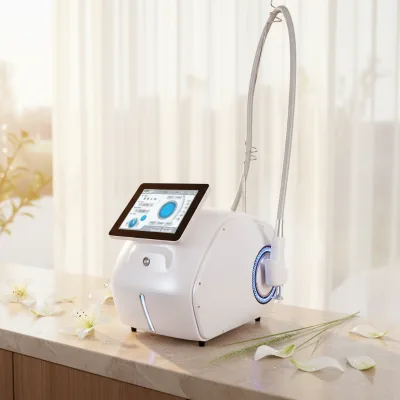
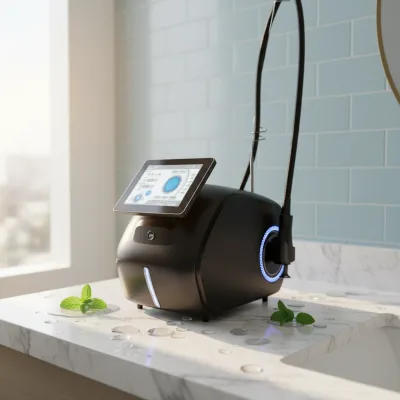

Anti-Aging Erbium 1550 Laser Device Erbium Laser for Wrinkle and Fine Lines Removal
$4000.00 - $7500.00
MOQ: 1 Pieces


Comprehensive Sourcing Guide
Portable Erbium Laser Sourcing Guide
The procurement of Portable Erbium Laser systems requires a nuanced understanding of the distinction between truly mobile units and compact clinical devices often mislabeled as portable. While the market offers equipment designed for salon and home applications, buyers must rigorously verify the physical portability claims against the actual weight and cooling requirements of the specific model. For instance, observed listings include units weighing up to 42kg or 30kg, which may necessitate a trolley or dedicated transport rather than being hand-carried, contrasting with lighter, truly portable configurations.
Buyers should also scrutinize the intended application environment, as some devices are optimized for fixed salon installations while others support dual-use scenarios. The presence of specific cooling systems, such as water cooling, often dictates the operational footprint and mobility of the unit, potentially limiting its use to settings with stable infrastructure. Consequently, the definition of "portable" in this category must be validated against the specific cooling technology and power output, ensuring the equipment aligns with the logistical constraints of the intended deployment site.
Product Scope and Observed Listing Signals
The current market landscape for erbium laser equipment reveals a diverse range of specifications, including fractional lasers with wavelengths around 1550nm and other configurations like 1927nm thulium lasers. Listings indicate that these devices are frequently categorized under laser beauty equipment with functions spanning skin rejuvenation, vaginal tightening, and pigment removal. The variety in product models, such as HS-230, SAW-CFL006, and km900F, suggests that buyers must carefully map their clinical needs to the specific laser type and energy output capabilities listed for each unit.
Observations of product attributes highlight significant variations in packaging and physical dimensions, ranging from aluminum alloy boxes to standard cartons, with some units specified as non-portable despite the category keyword. The selling units are typically single items, and the availability of customization services allows for branding adjustments, though the core hardware specifications remain the primary focus. Buyers should note that while some models offer multiple heads with varying energy outputs, others are defined by a single output power, necessitating a clear comparison of the functional capabilities against the stated application requirements.
Technical Specifications to Verify
When evaluating technical performance, the center wavelength and output power are critical parameters that determine the efficacy of the treatment. For erbium glass fiber lasers, a center wavelength of 1550nm is a common specification, often paired with energy ranges such as 1-120mj in stamp mode or 1-30mj in mobile mode. The fiber core diameter, observed at 200um in some listings, influences the beam quality and penetration depth, which are essential for achieving the desired therapeutic outcomes in skin tightening and pigment removal procedures.
Buyers must also verify the cooling system and laser classification, as these factors directly impact the safety and continuous operation of the device. Water cooling systems are prevalent in higher-power units, which may affect the overall weight and portability of the machine, while solid-state pulse lasers are the standard classification for these applications. Additionally, the number of heads and their specific energy capacities, such as 20/30/50nm configurations, should be confirmed to ensure the device can handle the full spectrum of treatments required by the clinic or salon.
Compliance and Safety Documentation
Regulatory compliance is a non-negotiable aspect of sourcing medical laser equipment, with certifications such as CE and ISO13485 serving as primary indicators of safety and quality. The presence of these certifications in product listings suggests adherence to international standards for medical device manufacturing, but buyers must request valid certificates for the specific model being purchased rather than relying on general claims. The HS code 8543709990 is often associated with these devices, and verifying this classification ensures that the import and export documentation aligns with the correct regulatory framework for the destination country.
Safety documentation should also include detailed user manuals, clinic manuals, and training materials, which are frequently offered in multiple languages to support global distribution. The availability of online training and DVD resources indicates a commitment to proper usage, which is vital for minimizing the risk of injury during operation. Buyers should ensure that the supplier provides comprehensive safety guidelines that cover the specific laser classification and energy levels, confirming that the device meets the necessary safety protocols for both professional and home use environments.
Cost Drivers and Commercial Terms
The pricing of erbium laser systems is influenced by a complex mix of factors, including the output power, cooling technology, and the level of customization offered. Observed price ranges in the market can vary significantly, reflecting differences in component quality, such as the type of laser glass used or the sophistication of the control systems. Buyers should expect that units with higher energy outputs, multiple treatment heads, and advanced cooling systems will command a premium, while simpler configurations may be available at lower price points.
Commercial terms such as Minimum Order Quantity (MOQ) and warranty provisions are equally important in the procurement process, with observed MOQs ranging from single items to 100 units. A one-year warranty is a standard offering, but the scope of coverage and the availability of after-sales support, including 24-hour online service, should be clearly defined in the contract. Additionally, the option for OEM/ODM services allows buyers to tailor the product to their brand, but this customization often involves additional costs and longer lead times that must be factored into the total cost of ownership.
Supplier Qualification and Quality Control
Supplier qualification requires a thorough assessment of the manufacturer's location and production capabilities, with many suppliers originating from Guangdong, China. The presence of a specific place of origin can provide insights into the supply chain maturity and the availability of skilled labor, but it does not guarantee quality without further verification. Buyers should prioritize suppliers who demonstrate a clear track record of producing medical-grade equipment and who are transparent about their manufacturing processes and quality control measures.
Quality control protocols should be verified through the supplier's adherence to international standards and their ability to provide test results for the specific models being sourced. The distinction between different product models, such as those with varying weights or packing types, indicates that quality can vary even within the same supplier's catalog. Buyers must ensure that the supplier has robust internal testing procedures to validate the consistency of the laser output, cooling efficiency, and overall durability of the device before it leaves the factory.
Long-Term Procurement Checks
Sustaining a successful procurement relationship with a laser equipment supplier involves regular checks on the availability of spare parts and the longevity of the warranty support. As the technology evolves, the ability to upgrade software or replace specific components like fiber cores or laser heads becomes critical for maintaining the operational lifespan of the device. Buyers should establish clear agreements regarding the supply chain for consumables and replacement parts to avoid downtime that could disrupt clinical services.
Finally, long-term procurement strategies should include periodic reviews of the supplier's compliance status and the relevance of their certifications to current regulations. The market for medical devices is dynamic, and standards such as ISO13485 may be updated, requiring suppliers to maintain their certification status to ensure continued compliance. Buyers should also monitor the supplier's capacity to provide ongoing training and technical support, ensuring that their staff remains proficient in operating the equipment and adhering to the latest safety protocols.
FAQs
What certifications do portable erbium lasers have?
Certified models include CE and ISO13485 standards. These documents verify safety and quality for medical and salon use, ensuring compliance with international regulations for laser beauty equipment.
Which wavelengths are available for these lasers?
Available wavelengths include 1550nm and 1927nm options. Specific models feature 1550nm Erbium Glass Fiber or 1927 Thulium Laser technology for skin rejuvenation and pigment removal applications.
Can I customize the product packaging?
Customization is available for packaging requirements. Options include aluminum alloy boxes, carton boxes, or specific aluminum boxes depending on the manufacturer and order specifications.
What is the typical output power range?
Output power ranges from 15W to 120mj depending on the mode. Some units offer 1-120mj in stamp mode and 1-30mj in mobile mode for versatile treatment settings.
How is the cooling system designed?
The cooling system utilizes water cooling technology. This ensures stable operation during extended sessions, protecting the laser components and maintaining consistent performance for professional salon use.
What training materials are provided?
Training includes user manuals, clinic manuals, DVDs, and online training sessions. These resources support operators in understanding the device functions and safety protocols for effective treatment.
Which languages are supported on the interface?
The interface supports 24 different languages for user selection. This feature allows international buyers and operators to easily navigate the device settings in their preferred language.