Source Antibacterial Conductive Massage Gloves for Health Care, Home, and Body Care
Find 30 Antibacterial Conductive Massage Gloves featuring silver fiber materials and physiotherapy functions. Buyers can compare models with dustproof designs, manual-wired controls, and rechargeable power options for health clubs and home use.
Key considerations
Products List


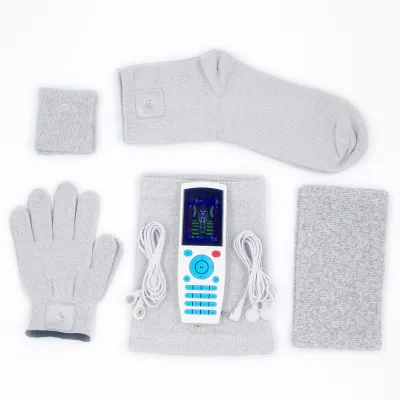


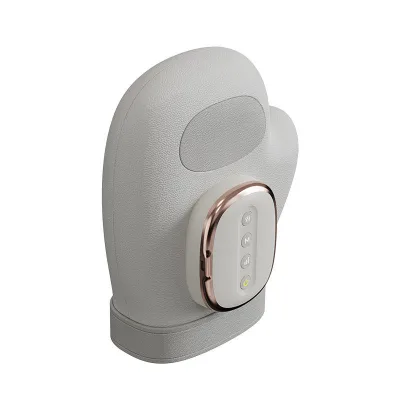
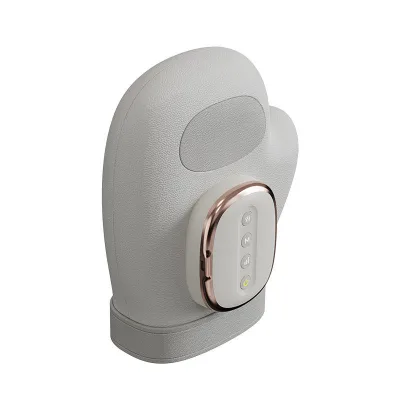
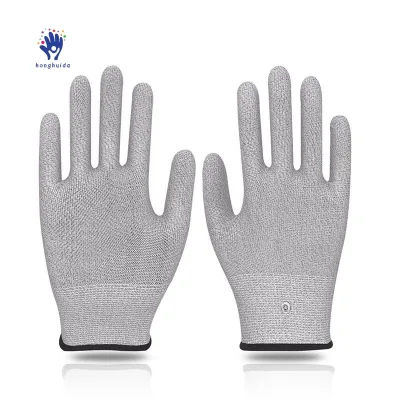


Comprehensive Sourcing Guide
Strategic Sourcing Guide for Antibacterial Conductive Massage Gloves
Understanding Product Categories and Core Technical Specifications
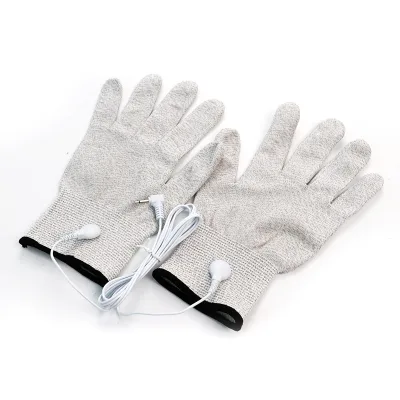
The market for Antibacterial Conductive Massage Gloves encompasses a diverse range of products designed for health care, home use, and professional settings. When sourcing these items, buyers must first distinguish between passive conductive fibers and active therapeutic devices, as the technical requirements differ significantly. The core keyword "Antibacterial Conductive Massage Gloves" typically refers to products integrating silver-based materials with conductive properties to facilitate electrical stimulation or thermal therapy.
Based on observed market data, the material composition is a primary differentiator. High-performance variants often utilize a blend of silver fiber and polyester or nylon. For instance, specific models feature a composition of 15% silver fiber and 85% nylon, or silver fiber combined with polyester. This material mix is critical for achieving the desired surface resistivity, which is a key indicator of conductivity. Observed specifications indicate surface resistivity values around 10e3 Ohms, a range that ensures effective current transmission without posing safety risks.
The functional attributes of these gloves vary from simple dustproof and manual-wired control mechanisms to advanced features like heating capabilities. Some products are designed as electrode accessories for therapy machines, while others function as standalone massagers with integrated power sources. The power supply mode can be plug-in, rechargeable, or manual, influencing the complexity of the product and its intended application scene. Buyers should verify whether the product is intended for full-hand application or specific areas, as this dictates the sizing and electrode placement.
| Feature Category | Passive Conductive Variant | Active Therapeutic Variant |
|---|---|---|
| Primary Material | Silver Fiber + Polyester / Nylon | Silver Fiber + Nylon / Cotton |
| Power Source | None (Passive) or Manual Wired | Plug-In or Rechargeable Battery |
| Key Function | Antibacterial, Conductive, Dustproof | Heating, Kneading, Timing Control |
| Typical Application | Health Care, Home, Electrode Accessory | Body Care, Hand Fatigue Relief, Nail Salon |
| Control Method | N/A | Button Control, Gear Adjustment |
Compliance and Certification Verification Protocols
In the B2B procurement of medical-adjacent or therapeutic devices, verifying compliance is non-negotiable. The supply chain for conductive gloves frequently lists specific certifications that buyers must validate against official documentation. The most commonly observed certifications in this sector include RoHS (Restriction of Hazardous Substances) and ISO standards. Some product listings also reference CE certification, which is essential for market access in Europe and indicates conformity with health, safety, and environmental protection standards.
Buyers must exercise caution when interpreting these labels. While "RoHS" and "ISO" appear frequently in product attributes, they represent compliance with specific environmental and management standards rather than direct medical device approval unless explicitly stated as a medical grade product. The presence of "RoHS CE" on a listing suggests the product meets both environmental restrictions and European conformity requirements. However, the absence of a specific medical device registration number (such as FDA 510(k) or EU MDR classification) means the product is likely categorized as a general wellness or fitness accessory rather than a regulated medical device.
When evaluating suppliers, procurement teams should request the actual certificate documents rather than relying solely on the product page. The "Certificate" field in product data often lists "RoHS CE," but the scope of these certificates must be checked to ensure they cover the specific model and material composition. For example, a certificate for a silver fiber blend must confirm that the silver content and the polymer matrix do not contain restricted hazardous substances. Additionally, buyers should verify if the supplier holds ISO 9001 for quality management, which supports consistent manufacturing processes.
Cost Drivers and Pricing Structure Analysis
The pricing structure for Antibacterial Conductive Massage Gloves is influenced by several variable factors, resulting in a wide observed range from $0.33 to $25.00 USD. This significant variance is not arbitrary but is driven by the complexity of the product, the quantity of silver fiber used, and the inclusion of electronic components.
The material cost is a primary driver. Products containing a higher percentage of silver fiber, such as the 15% silver fiber blend, will inherently cost more than those with lower concentrations or alternative conductive coatings. The inclusion of electronic components, such as rechargeable batteries, heating elements (operating at 40-45℃), and control circuits, further escalates the unit price. A simple pair of conductive gloves without power sources will be at the lower end of the price spectrum, while a fully featured massager with timing control, gear adjustment, and a rechargeable battery will command a premium price.
Order quantity, or Minimum Order Quantity (MOQ), plays a critical role in the final landed cost. The observed MOQ range spans from 1 to 6,000 units. Buyers purchasing small quantities, often for sampling or niche retail, will face higher per-unit costs. Conversely, bulk procurement allows for significant economies of scale, potentially bringing the unit price closer to the lower observed limit. The packaging requirements also affect cost; standard packing is often 1 pair per bag, but custom packaging or larger box sizes (e.g., 19.5x11.3x22.5 cm) add to the overall expense.
Typical Applications and Usage Scenarios
The versatility of Antibacterial Conductive Massage Gloves allows them to serve multiple sectors, from professional health clubs to domestic environments. The application scope is clearly defined in product attributes, ranging from general health care to specific therapeutic needs.
In professional settings, these gloves are utilized in health clubs, nail salons, and spas. Their conductive properties make them ideal for use with Electro-Muscle Stimulation (EMS) devices, where they act as electrode accessories to deliver controlled electrical impulses to the muscles. The antibacterial nature of the silver fiber is particularly valuable in these shared environments, reducing the risk of cross-contamination between clients. The "dustproof" attribute further enhances their suitability for professional use, ensuring longevity in varied environments.
For home users, the application shifts towards personal wellness and recovery. Products designed for "Hand Fatigue Relief," "Promoting Blood Circulation," and "Hand Muscle Relaxation" are tailored for individuals seeking relief from repetitive strain or general stiffness. The "Portable & Compact" design of many models makes them suitable for office use, allowing users to perform massage therapy during breaks. The heating function, with temperatures regulated between 40-45℃, provides a soothing effect that mimics a warm compress, enhancing the therapeutic experience.
The "Applicable Part" is another critical consideration. While some models are designed for the "Full Hand," others may target specific areas. The "Massager" feature often includes modes like "Kneading Mode" and "Gear Adjustment" (e.g., 3 gears), allowing users to customize the intensity of the therapy. This adaptability ensures that the product can meet the needs of different user demographics, from elderly individuals requiring gentle care to athletes needing deep tissue stimulation.
Supplier Evaluation and Operational Due Diligence
Selecting a reliable supplier for conductive massage gloves requires a rigorous evaluation process that goes beyond the product listing. Buyers should prioritize suppliers who demonstrate transparency in their manufacturing origins and quality control measures. The observed "Place of Origin" for these products includes regions such as Jiangsu, Guangdong, and Zhejiang in China. While these regions are known for textile and electronics manufacturing, buyers must verify the specific factory capabilities.
Key evaluation criteria include the supplier's ability to provide customization. The "Customization: Available" attribute suggests that many manufacturers offer tailored solutions for material composition, size, and branding. Buyers should assess the supplier's flexibility in handling custom orders, including the ability to adjust the silver fiber percentage or modify the connector types (e.g., Snap 3.5 or custom connectors).
After-sales support is another critical factor. The presence of "Online Technical Support" indicates a commitment to customer service, which is vital for troubleshooting electronic components or understanding usage instructions. Buyers should inquire about the warranty period and the process for handling defective units. Additionally, the "Net Weight" and "Single Gross" weight data provided in listings can help logistics planners estimate shipping costs accurately. For instance, a single gross weight of 1.500 kg for a specific package size allows for precise freight calculations.
Quality Control and Long-Term Procurement Considerations
Implementing a robust quality control (QC) strategy is essential for maintaining product integrity in the long term. Given the combination of textile and electronic components, QC must address both material durability and electrical safety. Buyers should establish clear acceptance criteria for surface resistivity, ensuring it remains within the specified range (e.g., 10e3 Ohms) across all production batches. Variations in this metric can affect the efficacy of the conductive function.
For products with heating or battery functions, thermal testing and battery life verification are mandatory. The observed battery life of 1-2 hours and heating temperature range of 40-45℃ must be validated through independent testing to ensure they meet the stated specifications. The "Timing Control" feature should also be tested for accuracy and reliability.
Long-term procurement considerations involve managing the supply chain for consistent quality and availability. The "prod_model" variations (e.g., AG0140, AG0141, AG0139, FYJ-G2103, 6009) indicate that suppliers may have multiple SKUs with slight differences. Buyers should standardize their orders to specific models to minimize confusion and ensure consistency. Furthermore, the "prod_packing" specifications, such as 1 pair per bag or specific box dimensions, should be locked in the contract to prevent packaging discrepancies that could affect retail presentation.
Finally, buyers should consider the lifecycle of the product. The "After-sale Service" and "Connector" types (Snap 3.5/Custom) suggest that replacement parts or accessories may be needed. Establishing a relationship with a supplier who can provide spare parts or updated models is crucial for maintaining a sustainable product line. By focusing on these technical, compliance, and operational aspects, buyers can secure a reliable supply of high-quality Antibacterial Conductive Massage Gloves that meet the evolving needs of the health and wellness market.
FAQs
What materials are used in Antibacterial Conductive Massage Gloves?
These gloves typically use a blend of silver fiber and polyester or nylon. Specific models feature compositions like 15% silver fiber and 85% nylon to ensure effective conductivity and antibacterial properties.
Which certifications do these gloves usually hold?
Most listings indicate RoHS and ISO certifications, with some also displaying CE marks. These certifications confirm compliance with environmental standards and European safety requirements for general wellness products.
Can these gloves be customized for specific needs?
Yes, customization is available for material composition, size, and branding. Buyers can often request specific silver fiber percentages or custom connector types like Snap 3.5 to match their device requirements.
How is the conductivity of these gloves measured?
Conductivity is measured by surface resistivity, which is often around 10e3 Ohms. This value ensures effective current transmission for therapeutic applications without posing safety risks to the user.
What power sources are available for these massagers?
Options include plug-in power, rechargeable batteries, or manual wired control. Some models feature heating elements operating at 40-45 degrees Celsius with battery life lasting between one to two hours.
Where are these products typically manufactured?
Production origins include Jiangsu, Guangdong, and Zhejiang in China. These regions are known for textile and electronics manufacturing, offering a range of suppliers for different product specifications.