Source Tractor Traction Laser Land Leveler for farms, construction, and landscaping
Find 30 Tractor Traction Laser Land Leveler units with varying working widths and automation levels. Buyers can compare specifications from Jiangsu, Henan, and Shandong suppliers to select equipment for land leveling, soil preparation, and agricultural field management.
Key considerations
Products List
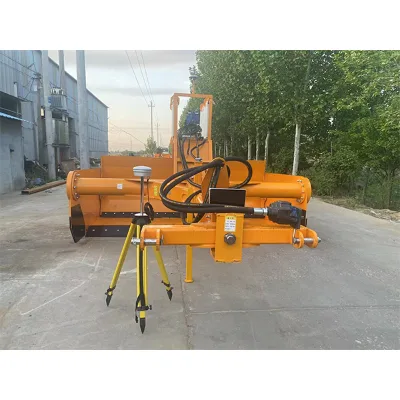
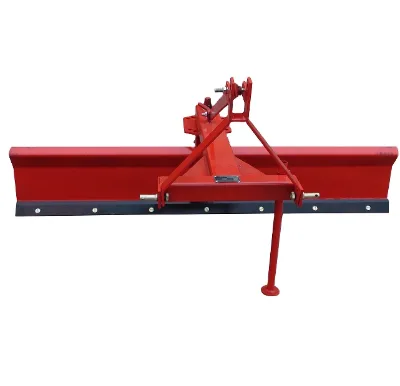
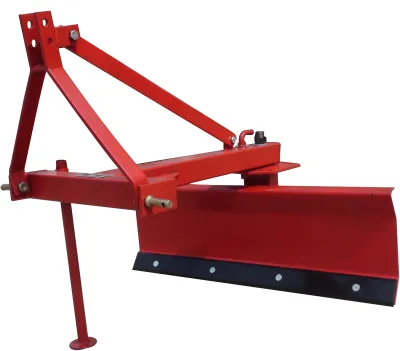
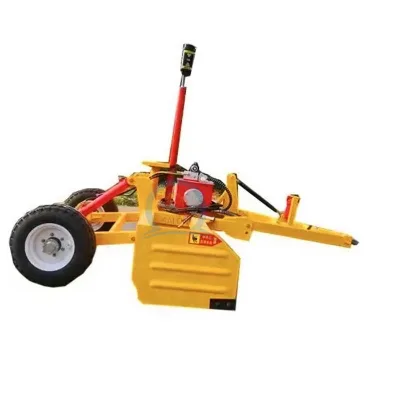
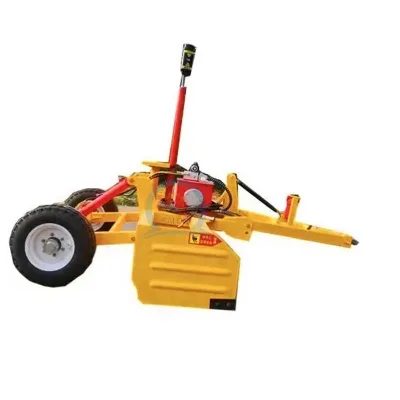
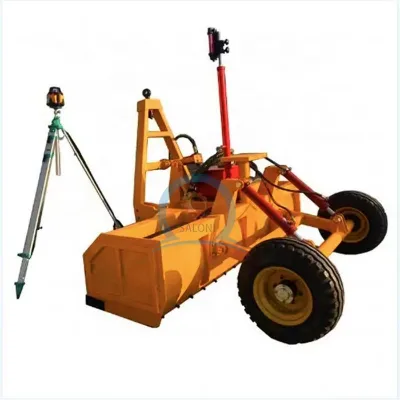
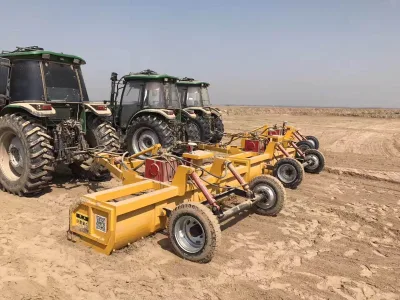
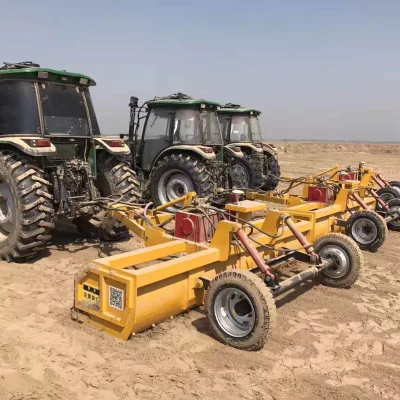
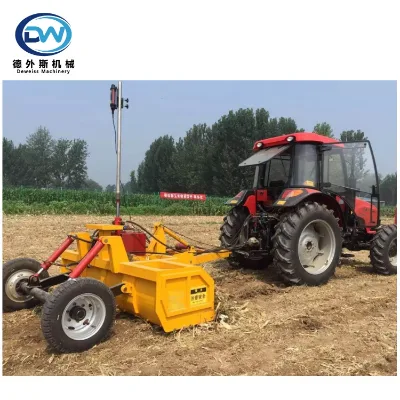
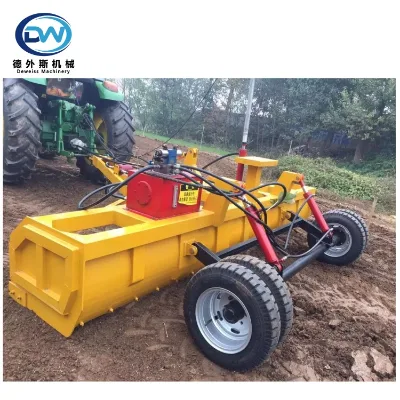
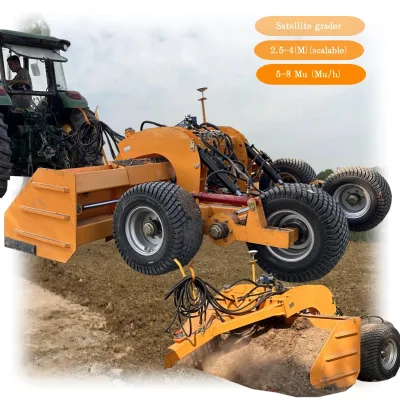


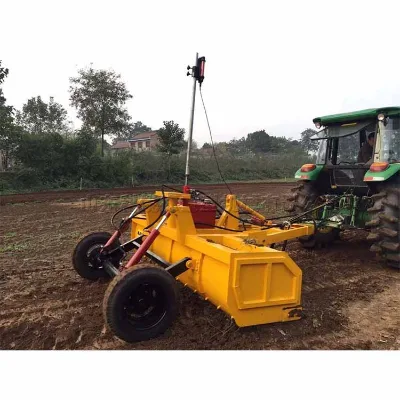
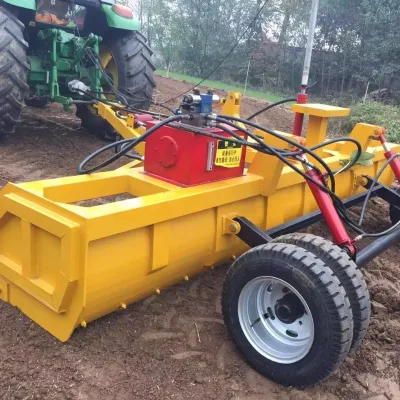


Agricultural High Accuracy Land Grader Machine 2.5m 3m Laser Land Leveler
$3500.00 - $7000.00
MOQ: 1 Pieces

Durable Auto Laser Land Leveler Tractor Drawn Leveler Precision Laser Land Leveler
$3220.00 - $5820.00
MOQ: 1 Pieces

High Precision Agricultural Laser Land Leveler Farm Land Grader for Tractor
$2836.00 - $5672.00
MOQ: 1 Pieces


Comprehensive Sourcing Guide
Strategic Sourcing Guide for Tractor Traction Laser Land Levelers
Understanding the Technical Architecture and Operational Scope
The procurement of tractor traction laser land levelers requires a precise understanding of the mechanical and electronic integration that defines these agricultural tools. These machines are engineered to enhance soil uniformity, which directly impacts irrigation efficiency and crop yield. The core functionality relies on a combination of hydraulic drive systems and automated laser control mechanisms. In the current market, observed configurations often feature a "Tractor Hydraulic" drive type, which allows the implement to be powered and controlled via the tractor's hydraulic system rather than a separate engine on the leveler itself. This design choice reduces the overall weight and complexity of the machine while ensuring robust operation under varying field conditions.
The physical dimensions of the leveler are critical for matching the equipment to specific tractor capabilities and field sizes. Specifications indicate working widths ranging from 2200mm to 5500mm, with specific models offering widths of 3000mm, 3500mm, and 2300mm. Buyers must verify that their existing tractor fleet can support the required hitch configuration, typically a "Three Point Mounted" linkage. The operational speed is generally observed between 5km/h and 15km/h, with a working efficiency that can reach up to 3.5 acres per hour depending on the model and soil conditions. The flatness tolerance is a key performance metric, with observed specifications targeting a flatness of ±15mm, ensuring the land is leveled to a degree that prevents water pooling and ensures even fertilizer distribution.
The electronic heart of these systems is the laser control system, which includes a receiver and a transmitter. The transmitter range is a vital specification to consider for large fields, with some units offering a range of ≥300 meters. The system controls the hydraulic cylinders to adjust the blade height in real-time. The cylinder settlement rate, which indicates the machine's ability to maintain its position against soil resistance, is observed to be ≤12 mm/h in high-performance units. The shovel depth is typically adjustable between 20mm and 50mm, allowing for precise grading of the topsoil layer. The working stroke of the hydraulic cylinder is noted to be 500mm, which dictates the maximum vertical adjustment range available during operation.
Compliance, Certification, and Core Component Verification
When sourcing industrial agricultural machinery, verifying compliance and the integrity of core components is paramount. The market data indicates that reputable suppliers often provide products with CE and ISO certifications. These certifications are not merely marketing labels but indicate adherence to specific safety and quality management standards. Buyers should explicitly request certification documents to confirm that the machinery meets the regulatory requirements for the destination country. The presence of a "machinery test report" is another critical document to demand. This report provides third-party validation of the machine's performance metrics, including its working width, power consumption, and leveling accuracy.
The core components of a laser land leveler are the primary determinants of its longevity and reliability. The supply chain for these machines often highlights specific critical parts such as the engine, pressure vessel, motor, and the laser control system. In some configurations, the engine is listed as a core component with a power rating of 4kw, while other models rely on the tractor's power, supported by a motor with a supporting power requirement of 50-80kw. The pressure vessel is essential for the hydraulic system's stability, and its quality must be assured to prevent leaks or failures under high pressure. The laser control system, comprising the receiver and transmitter, is the most sensitive component; buyers must ensure that these electronic parts are protected against dust, moisture, and vibration, which are common in agricultural environments.
It is important to note that while some listings mention specific brands like "oem/JTILEP" or "saloni," and others list "HG," the procurement strategy should focus on the technical specifications rather than brand loyalty alone. The "brand name" field in product data can sometimes indicate an OEM arrangement where the manufacturer produces for multiple labels. Therefore, the verification of the actual manufacturing origin is crucial. The "place of origin" data points to regions such as Jiangsu, Henan, and Shandong in China. While these regions are known for manufacturing, the buyer must verify the specific factory's capability to produce the claimed specifications. The warranty period is a standard indicator of manufacturer confidence, with a typical offering of 1 Year. This warranty should cover the core components, particularly the laser system and hydraulic cylinders, to mitigate the risk of early failure.
Cost Drivers and Pricing Structure Analysis
The pricing of tractor traction laser land levelers is influenced by a complex array of factors, including working width, technological sophistication, and the quality of core components. The observed price range in the market spans from 100 USD to 18,500 USD. This vast disparity reflects the difference between basic manual leveling attachments and advanced, fully automated laser-guided systems. The lower end of the price spectrum likely corresponds to simpler mechanical attachments with limited working widths, while the higher end encompasses machines with extensive working widths (up to 5500mm), advanced laser control systems, and robust hydraulic configurations.
Several specific cost drivers must be analyzed during the procurement process. First, the working width is a primary determinant of cost; a machine with a 5500mm width will inherently cost more than one with a 2200mm width due to the increased material and engineering required. Second, the complexity of the laser control system significantly impacts the price. Units featuring a transmitter range of ≥300 meters and high-precision receivers command a premium over basic models. Third, the power requirements and the inclusion of specific core components like dedicated engines or high-capacity pressure vessels add to the manufacturing cost.
The Minimum Order Quantity (MOQ) is another critical factor in the total cost of ownership. The data indicates an MOQ of 1 SET for many suppliers, which is favorable for buyers who do not require large fleet deployments. This flexibility allows for the acquisition of a single unit for testing or small-scale operations without the need for bulk purchasing. However, buyers should be aware that the "Selling Units" are often listed as "Single item," which means the quoted price is for the complete unit, including the package. The packaging itself, described as a "Wooden Case," adds to the logistics cost but is essential for protecting the delicate laser components and hydraulic systems during international shipping. The single gross weight of 500.000 kg and the single package size of 600X300X300 cm are substantial figures that will influence freight charges and handling requirements at the destination port.
Typical Applications and Field Performance Expectations
Tractor traction laser land levelers are designed for a variety of agricultural applications, with the primary use case being land leveling for irrigation and crop production. The "use" attribute is consistently listed as "Agriculture tools" and "Land leveling," indicating their specialized function in preparing the seedbed. The high productivity selling point is a direct result of the machine's ability to level large areas quickly and accurately. With a working efficiency of 3.5 acres per hour, these machines can significantly reduce the time and labor required for land preparation compared to traditional methods.
The specific applications depend heavily on the working width and the terrain. For smaller plots or precision farming operations, models with working widths of 2200mm or 2300mm are suitable. These units are often used in areas where water conservation is critical, as the precise leveling ensures uniform water distribution. For larger commercial farms, the wider models with working widths of 3000mm to 5500mm are more appropriate. These machines can handle the scale of modern agricultural operations, reducing the number of passes required to level a field. The flatness tolerance of ±15mm is particularly important for crops that are sensitive to waterlogging or uneven moisture distribution, such as rice, wheat, and corn.
The operational environment also plays a role in the selection of the leveler. The machine is designed to operate at speeds between 5km/h and 15km/h, which is compatible with standard tractor speeds in the field. The shovel depth of 20-50mm allows for the removal of excess soil or the filling of low spots, ensuring a smooth surface. The "Cylinder Settlement Rate" of ≤12 mm/h is a critical performance metric for maintaining the level over extended periods, especially in fields with varying soil densities. Buyers should consider the specific crop rotation plans and irrigation systems when selecting a model, as the precision of the leveling will directly impact the efficiency of the subsequent irrigation and fertilization processes.
Supplier Evaluation and Quality Control Protocols
Evaluating suppliers for tractor traction laser land levelers requires a rigorous approach that goes beyond the basic product listing. The "place of origin" data points to specific regions in China, such as Jiangsu, Henan, and Shandong. While these regions are manufacturing hubs, the buyer must verify the specific factory's reputation and capacity. The presence of a "machinery test report" is a strong indicator of a supplier's commitment to quality control. This document should be reviewed to ensure that the test results match the claimed specifications, such as the working width, power, and flatness tolerance.
Quality control should also extend to the packaging and shipping process. The "Wooden Case" packaging is standard for heavy machinery, but the buyer must ensure that the internal packaging is sufficient to protect the laser control system and hydraulic components from shock and vibration during transit. The "Single package size" of 600X300X300 cm and the weight of 500kg indicate that the machine is a substantial unit, requiring careful handling. The "warranty" of 1 Year is a standard expectation, but the terms of the warranty should be clearly defined, including what constitutes a defect and the process for claiming repairs or replacements.
When evaluating potential suppliers, buyers should look for transparency in the "core components" list. A supplier that clearly identifies the engine, pressure vessel, and laser control system as core components demonstrates a focus on quality. Conversely, vague descriptions may indicate the use of substandard parts. The "brand name" field can be misleading if it lists multiple names like "oem/JTILEP" or "saloni," so the buyer should request the actual manufacturer's name and contact information. The "MOQ" of 1 SET is a positive sign, suggesting that the supplier is willing to engage with smaller buyers, but the buyer should also inquire about after-sales support and the availability of spare parts.
Long-Term Procurement and Maintenance Considerations
Sourcing a Tractor Traction Laser Land Leveler is not just a one-time transaction but the beginning of a long-term operational relationship. The "warranty" period of 1 Year is a starting point, but buyers should plan for long-term maintenance and potential repairs. The "core components" such as the laser control system and hydraulic cylinders are subject to wear and tear. Ensuring the availability of spare parts is crucial for minimizing downtime. Buyers should verify that the supplier has a robust supply chain for replacement parts, particularly for the electronic components of the laser system.
The "working width" and "power" requirements should be aligned with the buyer's long-term growth plans. If the farm is planning to expand, investing in a wider model with a higher working efficiency may be more cost-effective in the long run. The "Operating speed" of 5-15km/h is a standard range, but buyers should consider whether their tractors can consistently maintain these speeds under varying field conditions. The "Cylinder Settlement Rate" is another long-term performance indicator; a machine that maintains its level over time reduces the need for frequent re-leveling, saving time and fuel.
Finally, the "place of origin" and logistics considerations should be factored into the long-term cost analysis. The "Single gross weight" of 500.000 kg and the "Single package size" will impact shipping costs and import duties. Buyers should work with experienced freight forwarders to ensure that the machine arrives safely and that all customs documentation is in order. The "Key selling points" of "High Productivity" and "Automatic" operation are valuable, but they must be supported by reliable maintenance and technical support. By focusing on these long-term factors, buyers can ensure that their investment in a Tractor Traction Laser Land Leveler delivers sustained value and improved agricultural outcomes.
Comparative Analysis of Key Specifications
To assist buyers in making informed decisions, the following table summarizes the key specifications observed in the market data. This comparison highlights the variations in working width, power, and control systems that buyers should consider based on their specific needs.
| Specification | Model A (Compact) | Model B (Standard) | Model C (Heavy Duty) |
|---|---|---|---|
| Working Width | 2200mm | 3000mm - 3500mm | 5500mm |
| Model Number | SA - JGPDJ - 2.1 | 12PW-360Q | 12PW-420Q |
| Core Components | Laser control system, receiver | Engine, Pressure Vessel | Motor, Laser control system |
| Power Requirement | 50-80kw (Supporting) | 4kw (Engine) | 50-80kw (Supporting) |
| Flatness Tolerance | ±15mm | ±15mm | ±15mm |
| Working Efficiency | 3.5 acres/hour | Variable | Variable |
| Transmitter Range | ≥300m | N/A | ≥300m |
| Shovel Depth | 20-50mm | 20-50mm | 20-50mm |
| Place of Origin | Henan, China | Jiangsu, China | Shandong, China |
| Warranty | 1 Year | 1 Year | 1 Year |
This table illustrates that while the core functionality remains consistent, the scale and power requirements vary significantly. Buyers should match these specifications to their tractor capabilities and field sizes to ensure optimal performance. The "Key selling points" of "High Productivity" and "Automatic" operation are present across the models, but the specific implementation of the laser control system and hydraulic drive may differ. By carefully reviewing these specifications, buyers can select the most appropriate model for their agricultural operations.
FAQs
What certifications do tractor traction laser land levelers typically have?
These machines typically carry CE and ISO certifications to ensure safety and quality standards. Buyers should verify these documents alongside machinery test reports to confirm compliance with destination country regulations before purchasing.
How wide can the working area of these levelers be?
Working widths range from 2200mm to 5500mm depending on the specific model selected. Smaller units suit precision farming while wider models handle large commercial fields, ensuring uniform soil leveling for improved irrigation efficiency.
Which drive type powers the hydraulic system on these units?
The drive type is Tractor Hydraulic, meaning the machine relies on the tractor's hydraulic system for operation. This design reduces weight and complexity while providing robust control over the leveling blade via the tractor's power take-off.
Can buyers purchase a single unit without bulk requirements?
Yes, the minimum order quantity is 1 SET, allowing for single-item purchases. This flexibility supports small-scale operations or testing without requiring large fleet deployments, with each unit packaged securely in a wooden case.
What is the expected flatness tolerance for these machines?
The observed flatness tolerance is ±15mm, ensuring precise land leveling for crop production. This accuracy prevents water pooling and allows for even fertilizer distribution, which is critical for high productivity in agricultural fields.
How long is the warranty period for these agricultural tools?
The standard warranty period is 1 Year, covering core components like the laser system and hydraulic cylinders. Buyers should review the terms to ensure protection against defects in the engine, pressure vessel, or control system.