Source Portable Gasoline Dispenser with Solar Panels for ports, bus stations, and wharves
Compare 30 listings for a Portable Gasoline Dispenser with Solar Panels designed for mobile fueling at ports, bus stations, and wharves. Options include customized capacities, various pump types, and durable carbon steel construction to meet specific operational needs.
Key considerations
Products List


Portable Gas Fuel Station Container Station Portable Petrol Station Fuel Dispenser
$7700.00 - $7770.00
MOQ: 1 set

30 Cbm Capacity Mobile Fuel Station with Solar Panel Portable Fuel Station
$7700.00 - $7770.00
MOQ: 1 set

Portable Diesel Petrol Fuel Station Gas Station for Diesel and Gasoline
$7800.00 - $7880.00
MOQ: 1 set


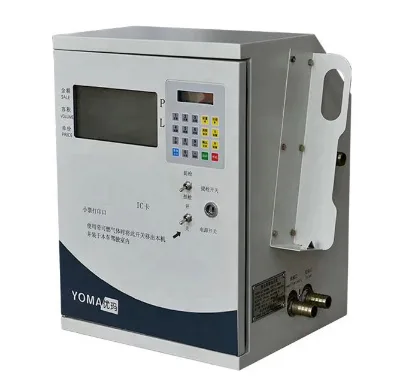

$1000.00 - $25000.00
MOQ: 1 Pieces


Automatic Fuel Pump Station Portable Gasoline Fuel Dispenser Gas Station
$1500.00 - $6000.00
MOQ: 1 Pieces


Petrol Service Equipment Petrol Pump Station Mobile Fuel Station Mini Gas Station Dispenser
$1730.00 - $4900.00
MOQ: 1 Pieces


Comprehensive Sourcing Guide
Strategic Sourcing Guide for Portable Gasoline Dispensers with Solar Integration
Understanding the Product Category and Core Specifications
The market for portable gasoline dispensers with solar panels represents a specialized segment within the broader fuel distribution industry, designed to address mobility and energy independence in remote or temporary locations. Based on current market observations, these units are not merely standard fuel pumps but integrated systems often categorized as container portable fuel stations or mobile gas stations. The core functionality revolves around the ability to dispense fuel, typically gasoline, with a flow rate observed in the range of 5 to 60 liters per minute. This variability in flow capacity suggests that buyers must carefully match the unit's discharge magnitude to their specific operational needs, as the market offers options ranging from small and medium discharge units to those capable of large-scale operations.
The physical construction of these dispensers is a critical differentiator. The primary materials identified in the current supply landscape include carbon steel and cast iron, ensuring durability against harsh environmental conditions. The structural integrity is often maintained through robust packaging methods, such as wooden pallets or wooden boxes, though some listings indicate a "nude package" for specific shipping configurations. The standard dimensions for these units often align with international shipping containers, specifically 20-foot and 40-foot models, which facilitates global logistics. However, custom sizing is a prevalent feature, allowing for single package sizes that may vary, such as the observed 42x48x56 cm configuration for specific components. The voltage requirements for these systems are diverse, with common configurations supporting 12V, 24V, and 220V inputs, indicating that the solar integration must be compatible with the specific electrical infrastructure of the deployment site.
Technical Architecture and Solar Integration Capabilities
The integration of solar technology into portable fuel dispensers is a defining characteristic of this product category, aiming to reduce reliance on grid electricity or diesel generators. The product listings frequently highlight a "solar type" classification, suggesting that the power generation component is a standard feature rather than an optional add-on. This solar capability is particularly relevant for the "self-help" operation mode, where the unit must function autonomously without constant human supervision or external power sources. The operation mode is generally described as "normal," implying a standard user interface and mechanical process, though the solar aspect adds a layer of complexity regarding energy storage and conversion efficiency.
When evaluating the technical architecture, buyers should focus on the pump mechanism. The available supply chain data indicates a variety of pump types, including vane, gear, submersible, and suction pumps. The choice of pump significantly impacts the efficiency and longevity of the dispenser. For instance, submersible pumping is explicitly mentioned as an oil transportation mode, which is crucial for preventing vapor lock and ensuring consistent flow in portable setups. The fuel capacity is another critical technical parameter; while some units are described as having a "double tank" configuration, others offer customized capacities ranging from 5,000 to 55,000 liters. This wide range underscores the necessity for buyers to define their storage requirements precisely before engaging with suppliers. The "fuel count" function is a standard feature, ensuring accurate transaction recording, which is essential for commercial applications.
Compliance, Certification, and Regulatory Standards
Navigating the regulatory landscape is paramount when sourcing industrial fuel equipment. The current market data highlights several key certifications that buyers should verify as a baseline for compliance. The most frequently observed certifications include CE and ISO, with specific mentions of ISO9001 for quality management systems. These certifications indicate that the manufacturing processes adhere to international standards for quality and safety, which is essential for insurance and liability purposes. However, it is crucial to note that certification status can vary by supplier and specific model; therefore, buyers must request current, valid certificates for the exact unit being purchased rather than relying on general claims.
Beyond general certifications, the product standards often align with international shipping and storage requirements. The mention of "20 ft 40 ft" standards suggests that the units are designed to meet the dimensional and safety constraints of intermodal transport. For the solar components specifically, buyers should inquire about compliance with local electrical codes and solar safety standards, as these are not explicitly detailed in the general product attributes but are critical for legal operation. The "custom" nature of the logo and color options implies that the units can be branded to meet specific corporate or regulatory identification requirements, but the underlying safety certifications must remain intact regardless of cosmetic customization.
Cost Drivers and Pricing Dynamics
The pricing structure for portable gasoline dispensers with solar panels is influenced by a complex interplay of factors, resulting in a significant observed price range from $340 to $25,000 USD. This wide disparity is not indicative of inconsistent quality but rather reflects the vast differences in capacity, customization, and component specifications. The lower end of the spectrum likely corresponds to smaller, single-item units with basic flow rates and standard packaging, while the upper end encompasses large-scale containerized stations with high-capacity tanks, advanced solar arrays, and custom engineering.
Several specific cost drivers emerge from the product attributes. First, the "customization" availability allows for tailored solutions, which inherently increases the unit price compared to off-the-shelf models. Second, the choice of material, specifically carbon steel and cast iron, adds to the manufacturing cost but offers superior durability. Third, the complexity of the solar integration and the type of pump selected (e.g., submersible vs. suction) are major determinants of the final cost. Additionally, the "free spare part" aftersale service is a value-added feature that may be factored into the initial purchase price, potentially offering long-term savings. Buyers should also consider the "single gross weight" of the unit, which can be as high as 55.000 kg, as this directly impacts shipping and logistics costs, which are often separate from the product price.
Typical Applications and Operational Environments
The versatility of these portable fuel dispensers allows them to serve a diverse array of applications, primarily in sectors where fixed infrastructure is unavailable or impractical. The observed application areas include ports, bus stations, wharves, and general oil stations. This suggests a strong utility in logistics and transportation hubs where refueling is required on a temporary or semi-permanent basis. The "mobile gas station" classification further reinforces their use in construction sites, mining operations, or emergency response scenarios where a fixed fuel depot cannot be established.
The "solar type" feature makes these units particularly suitable for remote locations where grid access is unreliable or non-existent. For example, a bus station or a wharf might utilize these units to power their own refueling operations without incurring the high costs of extending electrical lines. The "large magnitude of discharge" capability is ideal for high-volume environments like ports, whereas "small and medium" discharge units are better suited for smaller fleet operations or remote work sites. The ability to operate in "self-help" mode is a significant advantage for unmanned locations, reducing the need for on-site staff and enhancing security.
Supplier Evaluation and Quality Assurance Protocols
When evaluating potential suppliers, buyers must look beyond the basic product attributes and assess the supplier's ability to deliver consistent quality. The origin of these products is primarily China, with specific mentions of Zhengzhou, Hubei, and Shandong as production hubs. While these regions are known for manufacturing, the variation in origin suggests that buyers should verify the specific factory location to ensure it aligns with their quality expectations. The "custom" logo and "customized color" options indicate a level of flexibility, but buyers must ensure that the customization process does not compromise the structural integrity or safety of the unit.
Quality control should focus on the verification of the "durable" feature claims. Given the use of carbon steel and cast iron, the units are designed for longevity, but the actual performance depends on the manufacturing process. Buyers should request evidence of the "2 Years" or "Two Years" warranty coverage, as this is a common standard in the market. The warranty terms should be scrutinized to understand what is covered, particularly regarding the solar components and the pump mechanism. Additionally, the "free spare part" service is a critical indicator of supplier confidence; buyers should clarify the scope of this service, including the lead time for spare parts and the conditions under which they are provided.
Long-Term Procurement and Lifecycle Management
Sourcing a portable gasoline dispenser is not a one-time transaction but the beginning of a long-term operational relationship. The "2 Years" warranty provides a baseline for support, but buyers should plan for the entire lifecycle of the equipment. The "custom" nature of the product means that spare parts may not be universally interchangeable, making it essential to establish a clear supply chain for maintenance components. The "single item" selling unit structure suggests that buyers may need to purchase multiple units for larger operations, which requires careful coordination to ensure uniformity in maintenance and operation.
Furthermore, the solar integration introduces specific maintenance requirements. Buyers should inquire about the expected lifespan of the solar panels and the battery storage systems, as these components may require replacement before the mechanical parts of the dispenser. The "nude package" or "wooden box" shipping methods should be considered in the context of long-term storage; if the units are to be stored for extended periods, proper protection against the elements is necessary. Finally, the "customized capacity" and "double tank" options offer scalability, allowing buyers to upgrade or expand their fleet as their operational needs grow, provided the supplier can support such modifications over the long term.
Summary of Key Procurement Considerations
To summarize, the procurement of portable gasoline dispensers with solar panels requires a meticulous approach that balances technical specifications, regulatory compliance, and long-term operational needs. The market offers a wide range of options, from basic 12V units to large containerized stations with 55,000-liter capacities. Buyers must carefully evaluate the flow rate, pump type, and material composition to ensure the unit meets their specific application requirements. Certification checks, particularly for CE and ISO standards, are non-negotiable for safety and compliance. The pricing volatility, driven by customization and capacity, necessitates a clear definition of needs before engaging with suppliers. Finally, the long-term viability of the investment depends on the supplier's ability to provide reliable aftersale service, including free spare parts and warranty support, ensuring that the portable fuel station remains a functional asset for years to come.
FAQs
What certifications do portable gasoline dispensers with solar panels have?
These units typically hold CE and ISO certifications, including ISO9001 for quality management. Buyers must verify specific certificates for the exact model, as certification status varies by supplier and manufacturing origin in China.
How can I customize the logo and color of the dispenser?
Customization is available for both the logo and color to match corporate branding needs. While the product supports custom colors and logos, the underlying safety certifications and structural integrity must remain intact regardless of cosmetic changes.
What is the warranty period for these solar fuel dispensers?
The standard warranty period is two years for the equipment. This coverage typically includes free spare parts, but buyers should clarify the specific scope of the warranty regarding solar components and pump mechanisms with the supplier.
Which pump types are available for portable fuel stations?
Available pump types include vane, gear, submersible, and suction pumps. Submersible pumping is a common mode for oil transportation, which helps prevent vapor lock and ensures consistent flow in portable setups.
Can the fuel capacity be customized for specific needs?
Yes, the capacity can be customized, with options ranging from 5,000 to 55,000 liters or double tank configurations. Buyers must define their storage requirements precisely before engaging with suppliers to ensure the unit meets operational demands.
What is the typical price range for these units?
The observed price range is between 340 and 25,000 USD depending on specifications. Lower prices correspond to smaller units with basic features, while higher prices reflect large-scale containerized stations with advanced solar arrays and custom engineering.
Where are these portable dispensers manufactured?
Products originate from various locations in China, including Zhengzhou, Hubei, and Shandong. Buyers should verify the specific factory location to ensure it aligns with their quality expectations and logistical requirements.