Source Portable Glasses Case for Travel, Daily Use, and Storage
Explore 30 listings for the Portable Glasses Case, comparing features like material, size, and customization options. Buyers can evaluate PU, plastic, and PVC options with varied delivery times and packaging standards to find the right fit for their needs.
Key considerations
Products List


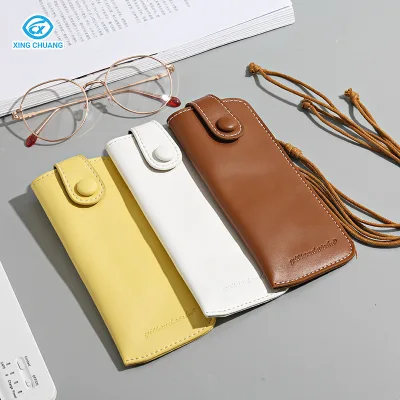

Portable Eyewear Cases Cover Sunglasses Hard Case for Women Men Glasses Box
$2.05 - $4.88
MOQ: 300 Pieces

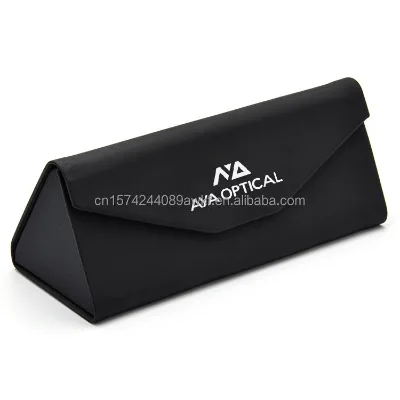
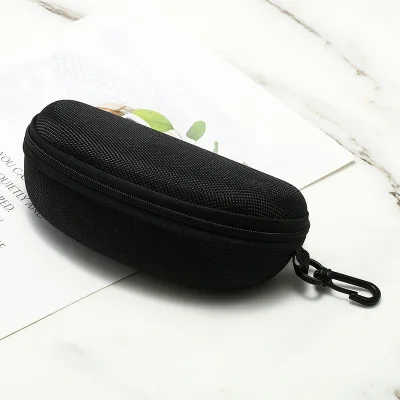


Comprehensive Sourcing Guide
Strategic Sourcing Guide for Portable Glasses Cases
Understanding Product Attributes and Variability
The global market for portable glasses cases is characterized by significant diversity in material composition, structural design, and functional specifications. When sourcing a "Portable Glasses Case," buyers must first recognize that the term encompasses a wide spectrum of products ranging from rigid protective shells to soft, foldable pouches. Based on observed market data, the core product category includes items classified specifically as "Glasses Case," "Sunglass Holder," and general "Case" types. A critical observation in the current supply landscape is the variance in the "Glasses Case Type" attribute. Suppliers offer distinct variations including "Magic Glasses Case," "Handmade Glasses Case," and "Plastic Glasses Case." This differentiation is not merely semantic; it dictates the internal protection mechanism and the external durability of the product.
Furthermore, the structural state of the case is a primary decision factor. The market presents options that are "Folded," "Unfolded," or "Foldable." A "Foldable" design often implies a specific hinge mechanism or a collapsible structure that reduces the single package size for shipping efficiency. In contrast, a "Folded" or "Unfolded" state may refer to the product's presentation or a specific rigid configuration. The "Open" mechanism is another technical specification that varies, with "Clamshell" designs being a common standard. This mechanism ensures the case opens like a book, providing a secure enclosure for eyewear. Buyers should verify that the specific model they select aligns with the intended usage, whether it requires a rigid clamshell for travel or a flexible foldable design for casual carry.
Technical Specifications and Material Composition
Material selection is the most critical technical determinant for the longevity and protective capability of a Portable Glasses Case. The supply chain offers a mix of materials, each with distinct properties. "PU" (Polyurethane) is a frequently observed material, offering a balance between leather-like aesthetics and synthetic durability. "PVC" (Polyvinyl Chloride) is another prevalent option, often associated with water-resistant properties and a specific level of hardness. For buyers requiring a softer, more flexible product, "Plastic" cases are available, though these may vary in structural integrity.
The internal lining is equally important for preventing scratches on the eyewear lenses. The data indicates the use of "Flannelette" and "Leather" as common "Inside Material" options. Flannelette provides a soft, non-abrasive surface ideal for delicate lenses, while leather linings offer a premium feel and additional cushioning. The "Hardness" attribute ranges from "Soft" to "Partial Hard," indicating that not all cases offer the same level of impact resistance. A "Partial Hard" case might feature a rigid outer shell with a soft interior, whereas a "Soft" case relies entirely on the flexibility of the material for protection.
Physical dimensions are standardized yet variable. The "Single Package Size" can be as compact as 17x7x4 cm, while other specifications list dimensions such as 156x60x30mm or 160x63x44mm. The "prod_standard" attribute sometimes lists specific dimensions like 40x40x50, which may refer to the carton size rather than the individual unit. Buyers must carefully distinguish between the dimensions of the case itself and the dimensions of the bulk packaging. The "Single Gross Weight" is observed at 0.20 Kg for certain models, while others are listed with a weight of 100g. These weight differences directly influence shipping costs and logistics planning.
Compliance, Certification, and Safety Standards
In the B2B procurement of eyewear accessories, verifying compliance with international standards is essential for market access and consumer safety. The supply data highlights specific certifications and standards that some products adhere to, including "FDA," "CE," "ISO," and "En 14889: 2003 Standards." The presence of these markers suggests that certain manufacturers have undergone rigorous testing for material safety and product performance. However, it is crucial to note that not every listed product in the market carries these certifications. The "prod_standard" attribute is also noted as "customized," indicating that many suppliers offer non-standardized products that may not meet specific international regulatory requirements unless explicitly requested.
Buyers must verify the specific standard applicable to their target market. For instance, the "En 14889: 2003" standard relates to safety requirements for eyewear, and adherence to this standard is vital for products intended for sale in regions with strict safety regulations. The "FDA" and "CE" marks indicate compliance with food and drug administration guidelines and European conformity, respectively, which may be relevant depending on the material composition and the intended demographic. When sourcing, procurement teams should request proof of these certifications rather than relying solely on product descriptions. If a supplier claims "customized" standards, the buyer must define the exact technical requirements and ensure the supplier can validate them through third-party testing.
Cost Drivers and Pricing Dynamics
The pricing structure for portable glasses cases is influenced by a complex interplay of material costs, customization levels, and order volume. The observed price range in the market spans from $0.10 to $10.99 USD. This wide variance is driven primarily by the "Glasses Case Material" and the "Finishing" processes applied. Cases made from "PU" or "Leather" with "Foil Stamping," "Embossing," or "Screen Printing" will naturally command a higher price point compared to basic "Plastic" or "PVC" cases with minimal finishing. The "Customization" attribute is a significant cost driver; products listed as "Customized" or offering "Design: Customized" services typically involve higher unit costs due to the setup fees and lower economies of scale.
The "MOQ" (Minimum Order Quantity) is another critical factor affecting the effective cost per unit. The market data shows an MOQ range from 2 to 3000 units. High-volume orders often benefit from lower per-unit pricing, while low-volume orders, such as those with an MOQ of 2, may carry a premium. The "Delivery Time" also impacts cost; a lead time of "7 Days" may incur expedited shipping fees compared to a standard "15-25 Days" window. Additionally, the "prod_packing" method, whether "Standard Export Package," "OPP Bag," or "Carton," adds to the overall cost. Buyers should analyze the total landed cost, including packaging and logistics, rather than focusing solely on the unit price.
Supplier Evaluation and Production Capabilities
Evaluating a supplier for portable glasses cases requires a deep dive into their production capabilities and flexibility. The "OEM/ODM" (Original Equipment Manufacturer/Original Design Manufacturer) attribute is marked as "Acceptable" across the supply base, indicating a high level of flexibility for buyers seeking private label solutions. However, the extent of this customization varies. Some suppliers offer "Logo Printing" as a standard feature, while others provide more extensive "Design: Customized" services. The "Process" attributes, such as "Foil Stamping," "Embossing," and "Screen Printing," suggest that capable suppliers have the machinery to apply complex branding and decorative elements.
The "prod_origin" is consistently listed as "China," which is a major manufacturing hub for this category. Buyers should verify the specific factory location and capacity, as the "China" origin is a broad geographic indicator. The "Delivery Time" of "15-25 Days" is a common benchmark, but some suppliers offer a "7 Days" turnaround, which may indicate a more agile production line or a stock-ready inventory. It is essential to confirm if the "7 Days" lead time applies to customized orders or only to standard stock items. Furthermore, the "prod_model" numbers, such as "LLGC-46," "LLGC-61," or "20241023," serve as unique identifiers for specific product lines. Buyers should request samples corresponding to these model numbers to ensure the physical product matches the digital specifications.
Quality Control and Long-Term Procurement Strategy
Implementing a robust quality control (QC) strategy is vital for maintaining product integrity in the Portable Glasses Case market. Given the variation in "Hardness" (Soft vs. Partial Hard) and "Inside Material" (Flannelette vs. Leather), buyers must establish clear acceptance criteria. Visual inspections should focus on the "Finishing" quality, ensuring that "Foil Stamping" and "Screen Printing" are crisp and free of defects. The "Waterproof" attribute is another key quality metric; buyers should verify this claim through physical testing, especially for cases made from "PVC" or "Plastic."
For long-term procurement, consistency in the "prod_packing" and "prod_standard" is crucial. The "Standard Export Package" and "OPP Bag" options suggest different levels of protection during transit. Buyers should negotiate packaging standards that prevent damage during shipping, particularly for fragile components. The "Color" options, ranging from "Black, Red, White, Grey" to "Multicolor," require strict color matching protocols to ensure brand consistency. Finally, the "Gender" attribute is listed as "Unisex," which simplifies the target market but requires the design to be versatile. By focusing on these technical and operational details, buyers can build a reliable supply chain that delivers high-quality portable glasses cases consistently.
Comparative Analysis of Product Configurations
To assist in decision-making, the following table summarizes the key configuration differences observed in the market. This comparison highlights the trade-offs between material, functionality, and customization.
| Feature Category | Configuration A | Configuration B | Configuration C |
|---|---|---|---|
| Case Type | Magic Glasses Case | Handmade Glasses Case | Plastic Glasses Case |
| Material | PU | Leather (Inside) | PVC |
| Hardness | Partial Hard | Soft | Soft |
| Folded State | Folded | Foldable | Unfolded |
| Inside Material | Flannelette | Leather | Flannelette |
| Finishing | Foil Stamping, Embossing | Screen Printing | Standard |
| Waterproof | Waterproof | Not Specified | Waterproof |
| Typical MOQ | 2 - 3000 | 2 - 3000 | 2 - 3000 |
| Delivery Time | 15-25 Days | 7 Days | 15-25 Days |
This table illustrates that while the core function remains the same, the specific attributes vary significantly. Configuration A offers a balance of style and protection with PU material and waterproofing. Configuration B emphasizes a premium feel with leather interiors and handmade attributes, potentially at a higher cost. Configuration C focuses on durability and water resistance with PVC. Buyers should select the configuration that best aligns with their brand positioning and customer expectations.
Final Procurement Considerations
In conclusion, sourcing portable glasses cases requires a meticulous approach to verifying technical specifications, material quality, and supplier capabilities. The market offers a vast array of options, from simple "Without Pattern" designs to complex "Customized" models with advanced finishing. Buyers must prioritize the verification of certifications like "En 14889: 2003" and ensure that the "prod_standard" dimensions match their logistical needs. By understanding the nuances of "Hardness," "Inside Material," and "Delivery Time," procurement teams can mitigate risks and secure a supply chain that delivers value and quality. The final selection should be based on a comprehensive analysis of the product attributes against the specific requirements of the target market, ensuring that the chosen glasses case meets both functional and aesthetic standards.
FAQs
What materials are commonly used for portable glasses cases?
Common materials include PU, PVC, and plastic, with internal linings of flannelette or leather. The choice depends on desired hardness, ranging from soft to partial hard, and specific waterproof requirements for the intended use.
Can I customize the design and logo on these cases?
Yes, customization is available with options for logo printing and design changes. Suppliers typically offer finishing processes like foil stamping, embossing, and screen printing to meet specific branding needs for orders.
What is the typical delivery time for these products?
Delivery times vary between 7 days and 15 to 25 days depending on the order specifics. Expedited options may be available for standard stock, while customized orders generally require the longer production window.
Which certifications are available for these glasses cases?
Some products adhere to standards such as FDA, CE, ISO, and EN 14889: 2003. Buyers should verify if specific certifications are required for their target market, as many items are also available with customized standards.
How do I determine the correct size for a portable case?
Sizes vary from compact 17x7x4 cm packages to specific dimensions like 156x60x30mm. Buyers must distinguish between the single package size and the bulk carton size to ensure proper logistics planning.
What is the minimum order quantity for these cases?
The minimum order quantity ranges from 2 units up to 3000 units depending on the supplier. Lower MOQs allow for small batch testing, while higher volumes often secure better pricing and shipping efficiency.
Are these cases waterproof and suitable for travel?
Many models feature waterproof properties, particularly those made from PVC or plastic materials. The clamshell opening mechanism and partial hard construction provide secure protection for eyewear during travel and daily use.