Source Portable Home Use Spinning Bike for Gym, Hotel, and Office
Find 30 Portable Home Use Spinning Bike options from verified Chinese manufacturers. Compare models like WOT FITNESS SB02 and BODONG EB01G based on flywheel weight, resistance type, and foldable features to find the right equipment for your needs; compare the available evidence and request quotations based on your requirements.
Updated
Key considerations
Products List
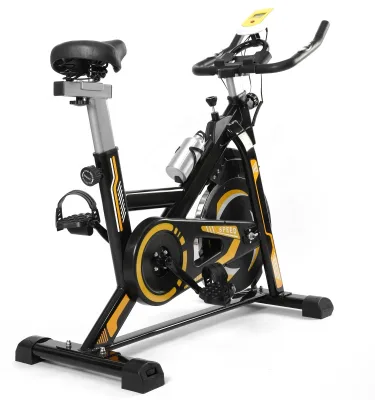
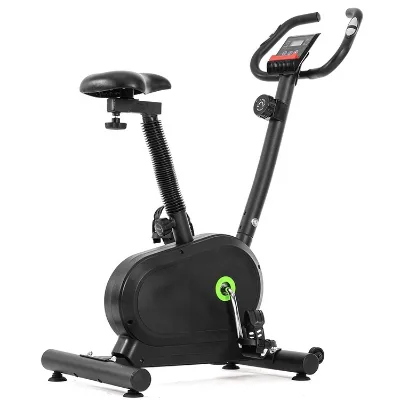
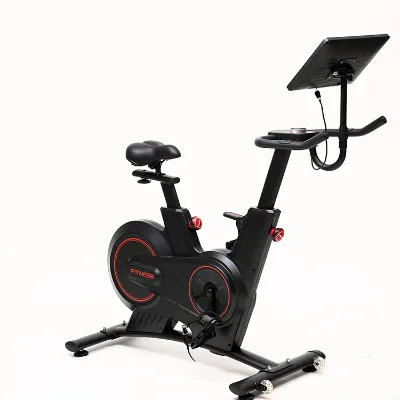


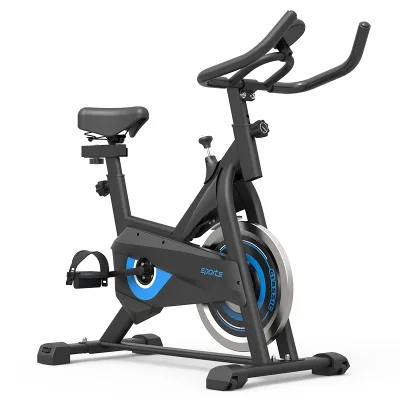

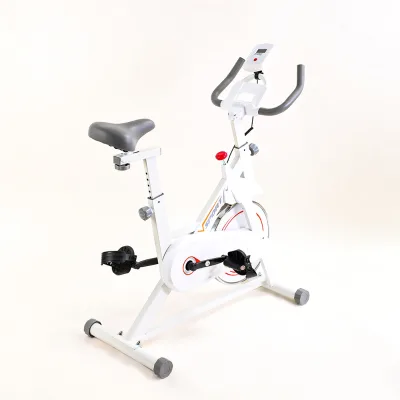
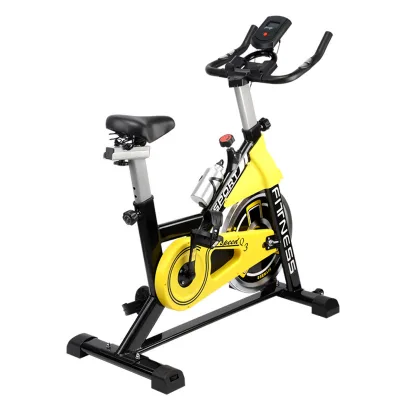
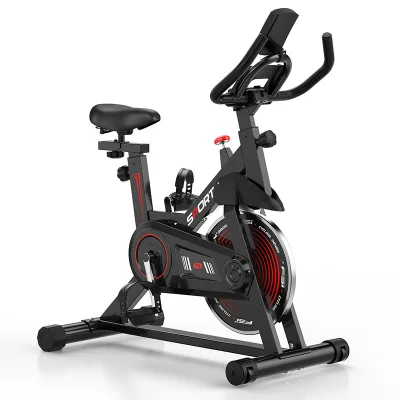
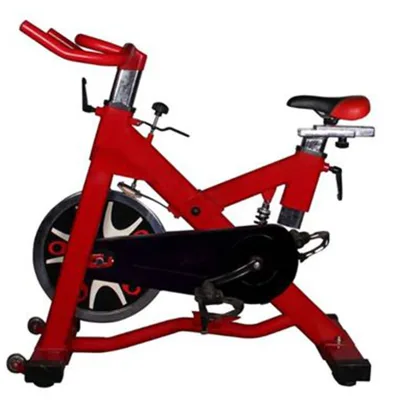
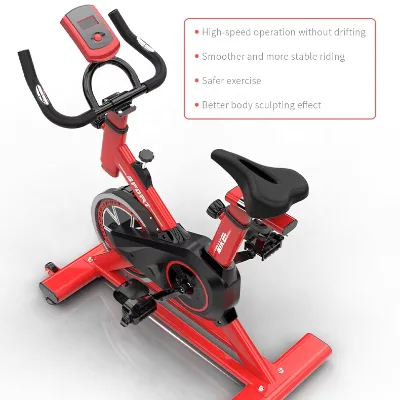
Cycling Spin Exercise Home Use Gym Cardio Fitness Equipment Spinning Bike
$989.00 - $1236.00
MOQ: 1 Pieces


Fitness Spin Bike Bicycle Cycling Domestic Home Exercise Gym Equipment New
$79.00 - $99.00
MOQ: 1 Pieces




Comprehensive Sourcing Guide
Portable Home Use Spinning Bike Sourcing Guide
Sourcing portable home use spinning bikes requires balancing compact design with structural integrity, as the market offers diverse configurations ranging from foldable units to heavy-duty commercial-grade frames. Buyers must navigate a wide price spectrum, typically observed between $36.49 and $1,236, which reflects significant variations in material quality, flywheel mass, and resistance mechanisms. The minimum order quantity (MOQ) ranges from single units for sample testing up to 500 pieces for bulk distribution, allowing flexibility for both small retailers and large distributors. Understanding these baseline commercial terms is essential for accurate budgeting and inventory planning, ensuring that the selected supplier aligns with your specific volume requirements and financial constraints.
The product landscape includes distinct categories such as magnetic control types suitable for household beginners and friction-based systems designed for higher intensity training. Key attributes like foldability, flywheel weight, and display functionality vary significantly across listings, with some models offering LCD monitors tracking time, speed, distance, and calories, while others provide more basic feedback. Origin locations primarily include Zhejiang and Jiangsu provinces in China, indicating a concentrated manufacturing hub for fitness equipment. Buyers should carefully evaluate these technical distinctions to ensure the selected bike meets the specific performance expectations of their target customer base, avoiding mismatches between product capabilities and user needs.
Product Scope and Observed Listing Signals
The observed product scope encompasses a variety of spinning bike models, each with unique physical dimensions and packaging specifications that impact logistics and storage efficiency. For instance, one model features a size of 114.0x49.0x116.0 cm with a single gross weight of 27.000 kg, while another compact option measures 9040112cm and weighs 45.000 kg, highlighting the disparity in build density. Packaging details, such as single package sizes ranging from 100X21X81 cm to 110X95X30 cm, are critical for calculating shipping costs and warehouse space requirements. Buyers must verify these logistical parameters early in the sourcing process to avoid unexpected freight charges or storage limitations, ensuring that the product fits seamlessly into their supply chain infrastructure.
Brand presence and customization options also play a significant role in the product scope, with manufacturers like WOT FITNESS and BODONG offering customized logos and colors to meet specific market demands. Some models are marketed for universal application, while others are specifically tailored for home use or commercial gym environments, influencing the target audience and marketing strategy. The availability of adjustable seats, both horizontally and vertically, adds to the versatility of these bikes, catering to users of different heights and preferences. Understanding these product signals helps buyers identify suppliers who can provide the necessary branding flexibility and functional features required to compete effectively in their respective markets.
Technical Specifications to Verify
Technical verification begins with the resistance system, which is a primary determinant of the bike’s performance and user experience. Magnetic control types are often recommended for household beginners due to their quiet operation and smooth resistance adjustment, whereas friction-based systems may offer a different feel and maintenance profile. Flywheel weight is another critical specification, with observed values ranging from 3.0kg to 13 kg, directly impacting the momentum and stability of the ride. Buyers should confirm the exact flywheel mass and type to ensure it aligns with the intended intensity level of the target users, avoiding underpowered units that may lead to customer dissatisfaction or returns.
Display and monitoring capabilities are equally important, with LCD screens commonly providing data on scan, time, speed, calorie burn, and distance. Some models feature advanced pulse monitoring, adding value for health-conscious consumers. Additionally, the adjustability of the saddle, with height ranges such as 76-89cm, ensures comfort and proper ergonomics for a diverse user base. Buyers must verify these specifications against their product requirements, ensuring that the display type and adjustment mechanisms meet the expected standards. Confirming these details prevents discrepancies between marketing claims and actual product performance, safeguarding the brand’s reputation for quality and reliability.
Compliance and Safety Documentation
Compliance with international safety standards is non-negotiable for fitness equipment, particularly when exporting to regulated markets. Certifications such as EN20957, CE, and ROHS are critical indicators of a product’s adherence to European and global safety and environmental regulations. Buyers must request valid certification documents from suppliers to verify that the manufacturing processes and materials meet these stringent requirements. Without proper documentation, products may face customs delays, legal liabilities, or market rejection, making it essential to prioritize suppliers who can provide comprehensive and up-to-date compliance evidence.
In addition to product-level certifications, buyers should inquire about the supplier’s quality management systems and testing protocols. While specific test results are not always publicly listed, understanding the supplier’s internal quality control measures can provide insight into their commitment to safety. This includes verifying that materials, such as steel frames, meet durability standards and that electrical components, if any, are safely insulated. Ensuring that all safety documentation is in order before placing large orders mitigates risk and ensures that the products can be legally sold and used in the target markets, protecting both the buyer and the end consumer from potential hazards.
Cost Drivers and Commercial Terms
Cost drivers for portable home use spinning bikes include material quality, flywheel weight, and the complexity of the resistance and display systems. Higher flywheel weights and advanced magnetic resistance mechanisms typically command higher prices, reflecting the increased manufacturing costs and performance benefits. Buyers should analyze the price-to-performance ratio carefully, considering that lower-priced models may compromise on durability or user experience. Understanding these cost drivers allows buyers to make informed decisions about which features are essential for their market segment and which can be simplified to reduce costs without significantly impacting customer satisfaction.
Commercial terms, including MOQ and lead times, also significantly impact the total cost of ownership. MOQs ranging from 1 to 500 pieces offer flexibility, but larger orders may benefit from volume discounts. Buyers should negotiate clear terms regarding payment schedules, shipping responsibilities, and warranty coverage to avoid hidden costs. Additionally, packaging efficiency, such as the number of units per carton, can influence shipping costs and handling expenses. By carefully evaluating these commercial terms, buyers can optimize their procurement strategy, ensuring that they achieve the best possible value while maintaining healthy profit margins and operational efficiency.
Supplier Qualification and Quality Control
Supplier qualification involves assessing the manufacturer’s production capacity, technical expertise, and track record in the fitness equipment industry. Buyers should verify the supplier’s ability to consistently produce high-quality bikes that meet specified technical and compliance requirements. This includes evaluating their quality control processes, from raw material inspection to final product testing, to ensure that every unit shipped meets the agreed-upon standards. Suppliers with robust quality control systems are more likely to deliver products that minimize defects and returns, protecting the buyer’s brand reputation and customer satisfaction.
Additionally, buyers should consider the supplier’s responsiveness and communication capabilities, as these factors are crucial for resolving issues that may arise during production or shipping. Suppliers who provide clear and timely updates on order status, production progress, and potential delays are easier to work with and can help mitigate risks. It is also beneficial to request samples before placing large orders to physically inspect the product quality, assembly ease, and overall finish. By thoroughly qualifying suppliers and implementing strict quality control measures, buyers can build a reliable supply chain that supports their long-term business goals and market success.
Long-Term Procurement Checks
Long-term procurement success depends on establishing ongoing performance metrics and regular supplier audits to ensure continuous improvement. Buyers should monitor key performance indicators such as defect rates, on-time delivery percentages, and customer feedback to assess supplier reliability over time. Regular audits, whether on-site or virtual, can help identify potential issues early and ensure that the supplier maintains their quality standards and compliance documentation. This proactive approach allows buyers to address problems before they escalate, maintaining a stable and efficient supply chain that supports consistent product availability and quality.
Furthermore, buyers should stay informed about market trends and technological advancements in the spinning bike industry to ensure their product offerings remain competitive. This includes evaluating new features, materials, or design innovations that could enhance product value or reduce costs. Building a collaborative relationship with suppliers, where feedback is shared and improvements are jointly pursued, can lead to better product development and mutual growth. By continuously evaluating and optimizing their procurement strategies, buyers can adapt to changing market conditions and maintain a strong position in the competitive fitness equipment market.
FAQs
How much space does a Portable Home Use Spinning Bike need?
Most listed models measure roughly 90 to 121 centimeters long and 40 to 49 centimeters wide, so a small corner of a room is usually sufficient. Allow extra clearance around the bike for safe mounting and pedaling. Some foldable models further reduce the footprint when stored upright after each workout session.
Which resistance system is better for beginners, magnetic or friction?
Magnetic control resistance is generally smoother and quieter, and one listed household beginner model uses this type. Friction systems, used on some spin models, offer a simple feel and adjustable tension through contact padding. For home use where noise matters, magnetic resistance is often preferred; friction suits buyers prioritizing a lower-cost, straightforward setup.
Can the seat be adjusted to fit different users?
Yes, listed spin bikes feature seats adjustable horizontally and vertically, and one model offers saddle height adjustment between 76 and 89 centimeters. This range accommodates various rider heights within typical household use. Check the maximum load rating as well, since one listed model supports up to 150 kilograms, before confirming suitability for every intended user.
What flywheel weight should I choose for a home spinning bike?
Listed models range from a 3.0 kilogram flywheel to 10 to 13 kilogram options, with a 6 kilogram unit also available. Lighter flywheels suit casual beginners and easier storage, while heavier flywheels deliver a smoother, more road-like pedaling motion. Match the weight to workout intensity expectations and the fitness level of household users.
What information does the display console show during workouts?
Listed consoles show time, speed, distance, calories, and pulse, with one model also including a scan function. Displays use LCD type on listed units. This covers the core metrics most home users need to track progress without additional devices, though confirm pulse grip sensors are included when heart-rate readings are important to your routine.
Can I customize the logo and color when ordering?
Yes, listed products state that customized logos are accepted and colors can be customized, with black, white, and grey noted as available options. Customization typically applies to ordered quantities rather than single trial units, so confirm minimum order requirements with the supplier. Branding requests should be specified before production begins to avoid delays.
How are these bikes packed for shipping?
Listed units are packed one piece per carton, with single package sizes around 100 by 21 by 81 centimeters or 92 by 18 by 76 centimeters depending on the model. Single gross weights range from roughly 25.5 to 45 kilograms. This carton-per-unit packing simplifies warehouse handling and lets buyers order quantities from one piece upward.
Which certifications apply to these exercise bikes?
Listed products reference EN20957, CE, and ROHS certification. EN20957 relates to fitness equipment safety requirements, while CE and ROHS concern European product compliance and hazardous substances. Certifications can vary by model and listing, so always request valid, current certificate copies from the specific supplier before finalizing any purchase decision.