Source Portable Shockwave Skin Analyzer for Salon, Home, and Clinic
Explore 30 verified listings for the Portable Shockwave Skin Analyzer designed for professional salons, home use, and clinical settings. Buyers can compare features like coated lenses, blur reduction cameras, and adjustable image clarity to find the right device for skin moisture detection and acne analysis.
Key considerations
Products List


Intelligent Skin Analyzer Real-Time Online Skin Analysis with Diagnosis Report
$1375.00 - $1560.00
MOQ: 1 Pieces

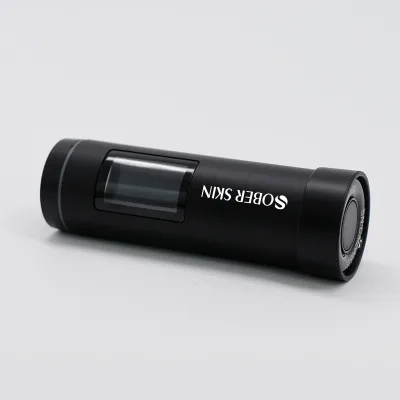
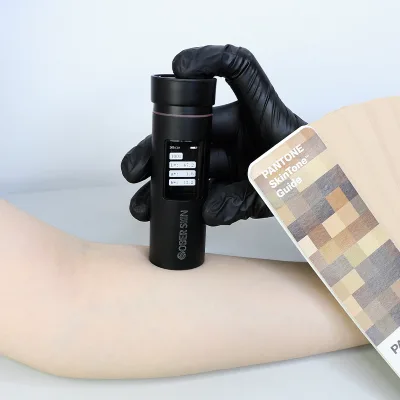


Portable 3D Facial Skin Analyzer Feature Scanner Analyzer Skin Diagnostic Machine
$1100.00 - $1600.00
MOQ: 1 Pieces


Portable Intelligent Facial Scanner Skin Analyzer Machine for Clinic
$1499.00 - $1799.00
MOQ: 1 Pieces


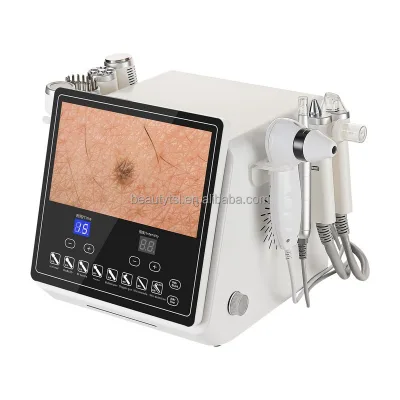


Comprehensive Sourcing Guide
Strategic Sourcing Guide for Portable Shockwave Skin Analyzers
The global market for aesthetic and diagnostic equipment has seen a significant shift toward portable, high-precision devices that bridge the gap between clinical-grade analysis and home-use convenience. For procurement professionals seeking a "Portable Shockwave Skin Analyzer," the primary challenge lies in distinguishing between devices that offer genuine diagnostic capabilities and those that merely provide basic imaging. The term "shockwave" in this context often implies advanced imaging technology capable of penetrating skin layers to detect moisture, acne, and structural integrity, rather than therapeutic shockwave therapy. This guide outlines the critical factors for sourcing these devices, grounded in observed market data and technical specifications available in current supply chains.
Technical Specifications and Functional Capabilities
When evaluating portable skin analyzers, the core technical specifications define the device's utility in both salon and home environments. The observed product landscape reveals a diverse range of models, each with distinct functional profiles. A critical attribute to verify is the lens technology. Some units feature a "Coated Lens" designed to enhance image clarity and reduce glare, while others utilize a "Non-Coated Lens." The presence of a "Blur Reduction Camera" is another decisive factor; devices equipped with this feature ensure that high-resolution images are captured even when the device is moved or when the subject is not perfectly still. In contrast, models lacking this feature may produce suboptimal results in dynamic settings.
The functional scope of these analyzers is equally important. The most advanced units in the current market are capable of multiple functions, including "Skin Analyzer," "Acne Analyzer," and "Detect Skin Moisture." These capabilities allow for a comprehensive assessment of skin health. Specific models, such as the "Skin Analyzer-Q1system," offer "Adjustable Image Clarity," which is essential for targeting different skin types, including "Asian skin" and "European and American Skin." This adaptability ensures that the diagnostic output remains accurate across diverse demographics.
Power and environmental constraints are also vital for portable units. The input voltage range of "100-240V (Suitable for All Countries)" with a frequency of "50-60Hz" indicates that many modern devices are designed for global deployment without the need for voltage converters. However, buyers must verify the specific power consumption, as some models operate at "200W" while others may consume up to "2.3kVA." The operating temperature range is another critical specification; devices are generally rated for an environment temperature of "10°C-40°C" or a broader range of "-20°C~60°C," depending on the build quality. Humidity levels should not exceed "80%" for optimal performance.
Compliance, Certification, and Safety Standards
In the medical and aesthetic device sector, compliance is not merely a formality but a prerequisite for market entry and liability protection. While specific certification statuses for individual units in the current supply pool may vary, the industry standard often references "CE" marking and "ISO13485" for medical device quality management. Buyers must treat these certifications as verification targets rather than assumed attributes. The presence of a "2 Years" warranty on some models suggests a manufacturer's confidence in their product's durability, whereas others may offer a "1 Year" warranty.
The physical standards of the device, such as dimensions and weight, also play a role in compliance with shipping and handling regulations. Observed models range from compact units with a size of "422211.8cm" and a net weight of "3.2kg" to larger systems measuring "490470320mm" with a net weight of "11kg." The "Gross Weight" for these units can vary from "4kg" to "14kg," influencing shipping costs and logistics planning. Packaging standards, such as "Air Shipping" or "Export Standard" cartons, are essential to ensure the device arrives without damage. Buyers should verify that the packaging meets the specific requirements of their destination country's import regulations.
Cost Drivers and Pricing Dynamics
The pricing for portable shockwave skin analyzers exhibits a wide range, reflecting the disparity in features, build quality, and brand positioning. The observed listed price range spans from "4.2" USD to "16,900" USD. This massive variance indicates that the market includes both entry-level devices and high-end, professional-grade systems. The lower end of the spectrum likely corresponds to basic models with limited functionality, such as simple imaging without advanced analysis algorithms. Conversely, the higher price points are associated with devices featuring "13.3 Inch Touch Screen," advanced "Skin Wrinkle Analysis," and "Pigmentation Analysis" capabilities.
Minimum Order Quantity (MOQ) is another significant cost driver. The observed MOQ range is "1-1000," offering flexibility for both small startups and large distributors. Buyers purchasing single units may face higher per-unit costs but benefit from lower upfront capital expenditure. Bulk purchasing can reduce the per-unit cost but requires a larger initial investment and storage capacity. The "Power Consumption" of the device also impacts long-term operational costs; a unit consuming "2.3kVA" will have a higher electricity cost compared to a "200W" model, especially in high-volume salon environments.
Typical Applications and Use Cases
The versatility of portable skin analyzers makes them suitable for a variety of applications, primarily in "Salon" and "Home" settings. In professional salons, these devices serve as diagnostic tools to tailor treatment plans for clients. The ability to detect "Acne" and analyze "Pigmentation" allows estheticians to recommend specific products or procedures with greater confidence. The "Adjustable Image Clarity" feature is particularly valuable in these settings, as it allows the technician to focus on specific areas of concern.
For home use, the "Portable" nature of these devices is a key selling point. Consumers can perform self-checks on their skin health, tracking changes in moisture levels and acne conditions over time. The "Online Support" and "Video Technical Support" provided by many manufacturers ensure that users can troubleshoot issues without needing a technician on-site. However, the "Working Environment" is typically restricted to "Indoor" use, and the device should not be exposed to extreme temperatures or humidity levels outside the specified ranges.
Supplier Evaluation and Selection Criteria
Selecting the right supplier requires a rigorous evaluation process that goes beyond price comparisons. Buyers should prioritize suppliers who provide comprehensive "After-Sales Service," including "Online Support" and "Video Technical Support." The availability of a "2 Years" warranty is a strong indicator of a supplier's commitment to product quality. Additionally, the "prod_packing" method should be assessed to ensure that the device is protected during transit. "Standard Export Packing" or "Carton" packaging with appropriate cushioning is essential to prevent damage.
The "prod_origin" of the device is another factor to consider. Many of the observed models originate from "China," which is a major hub for manufacturing aesthetic equipment. Buyers should verify the supplier's track record in exporting to their specific region and ensure that they comply with local import regulations. The "prod_model" variety, such as "HC-1020," "sk04u," "MSLSK11," and "LB478," suggests a wide range of options, but buyers must ensure that the specific model selected meets their functional requirements.
Quality Control and Long-Term Procurement Considerations
Quality control is paramount when sourcing medical and aesthetic devices. Buyers should request detailed test results and performance data from suppliers to verify the accuracy of the "Blur Reduction Camera" and the reliability of the "Coated Lens." The "Frequency" of the device, listed as "2 MHz" for some models, should be verified to ensure it meets the necessary standards for skin analysis. The "Altitude" range of "-500m~13100m" indicates that some devices are designed for high-altitude use, which is a critical consideration for buyers operating in mountainous regions.
Long-term procurement considerations include the availability of spare parts and the ease of software updates. Devices with "Adjustable Image Clarity" and advanced analysis features may require regular software updates to maintain accuracy. Buyers should negotiate service level agreements (SLAs) that include timely support and access to firmware updates. The "Net Weight" and "Gross Weight" of the device also impact long-term logistics, especially for businesses that need to transport equipment between multiple locations.
Comparative Analysis of Key Models
To facilitate decision-making, the following table compares key attributes of observed models based on the provided data. This comparison highlights the trade-offs between portability, functionality, and cost.
| Feature | Model A (Skin Analyzer-Q1) | Model B (MSLSK11) | Model C (LB478) |
|---|---|---|---|
| Coated Lens | Coated | Non-Coated | Not Specified |
| Blur Reduction | Blur Reduction | Without Blur Reduction | Not Specified |
| Touch Screen | Not Specified | 13.3 Inch | Not Specified |
| Net Weight | Not Specified | 3.2kg | Not Specified |
| Warranty | 2 Years | 1 Year | Not Specified |
| Power | Not Specified | 200W | Not Specified |
| Application | Salon, Home | Salon | Not Specified |
| Origin | China | China | China |
This table illustrates that while Model A offers a "Coated Lens" and "Blur Reduction" with a longer warranty, Model B provides a larger touch screen and lower weight, making it more portable. Buyers must weigh these factors against their specific operational needs and budget constraints.
Conclusion
Sourcing a Portable Shockwave Skin Analyzer requires a balanced approach that considers technical specifications, compliance, cost, and supplier reliability. The market offers a wide range of options, from basic imaging devices to advanced diagnostic tools with multiple functions. By carefully evaluating the attributes such as lens coating, blur reduction, and warranty terms, buyers can select a device that meets their specific requirements. The observed data suggests that while price and MOQ vary significantly, the core functionality of skin analysis remains consistent across models. Buyers should prioritize suppliers who offer robust after-sales support and adhere to international standards to ensure long-term success in their procurement efforts.
FAQs
What functions does the portable skin analyzer perform?
The device performs skin analysis, acne analysis, and detects skin moisture levels. It is designed for use in both salon and home environments to provide comprehensive skin health assessments.
Which models offer adjustable image clarity for different skin types?
The Skin Analyzer-Q1system model offers adjustable image clarity suitable for Asian skin as well as European and American skin types. This feature ensures accurate diagnostic results across diverse demographics.
Can I find units with a coated lens and blur reduction camera?
Yes, specific models like the Skin Analyzer-Q1system include a coated lens and a blur reduction camera. Other models may have non-coated lenses or lack blur reduction features entirely.
What is the power supply requirement for these portable devices?
Most units accept an input voltage of 100-240V with a frequency of 50-60Hz, making them suitable for all countries. Some models consume 200W while others may require up to 2.3kVA.
How long is the warranty period for these skin analyzers?
Warranty periods vary by model, with some offering a two-year warranty and others providing a one-year warranty. Buyers should verify the specific warranty terms for each supplier before purchasing.
What are the minimum order quantities for purchasing these devices?
The minimum order quantity ranges from one unit to one thousand units depending on the supplier and model. This flexibility allows both small startups and large distributors to source effectively.
Are these devices suitable for indoor use in varying temperatures?
These devices are designed for indoor working environments with an operating temperature range of 10°C to 40°C. Some units can withstand broader ranges from -20°C to 60°C.
Which models support online support and video technical assistance?
Several models provide after-sales services including online support and video technical support. This ensures users can troubleshoot issues remotely without needing on-site technician visits.