Source Portable Soccer Training Parachute for running speed, agility drills, and fitness
Find and compare 30 Portable Soccer Training Parachute options from verified suppliers in Jiangsu, China. Buyers can evaluate models by material, size, and usage for outdoor sports training or football agility drills.
Key considerations
Products List



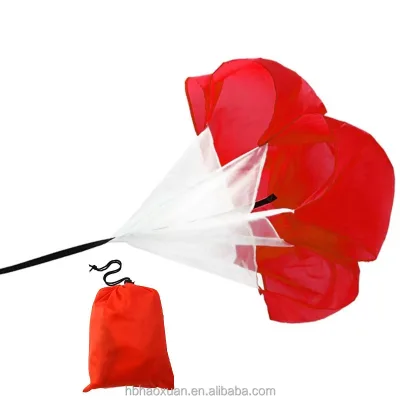
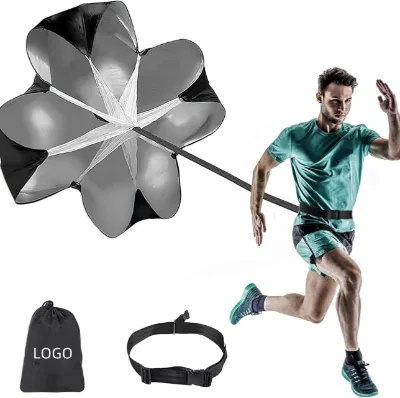
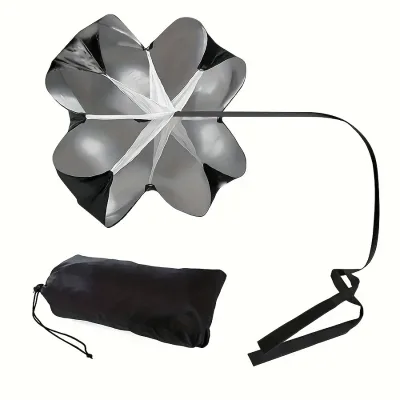


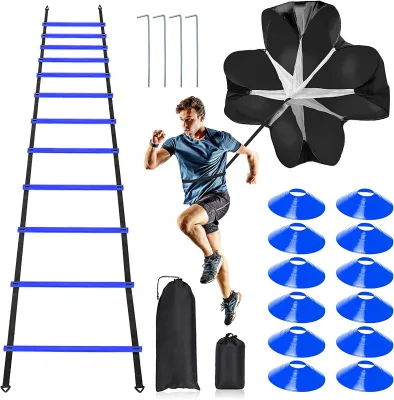

Soccer Rebound Board for Professional Football Players Soccer Bounce Training
$20.00 - $49.00
MOQ: 10 Pieces
Comprehensive Sourcing Guide
Strategic Sourcing Guide for Portable Soccer Training Parachutes
Understanding Product Specifications and Variants
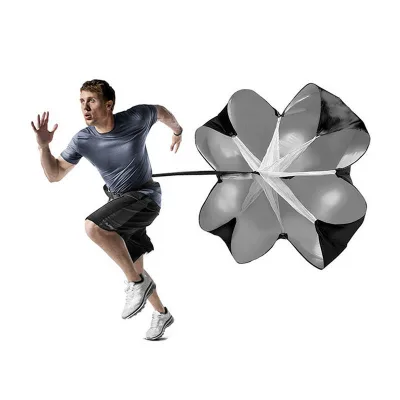
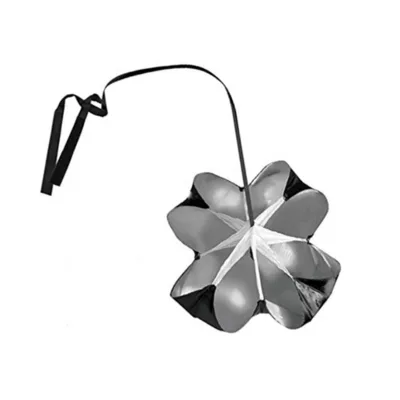
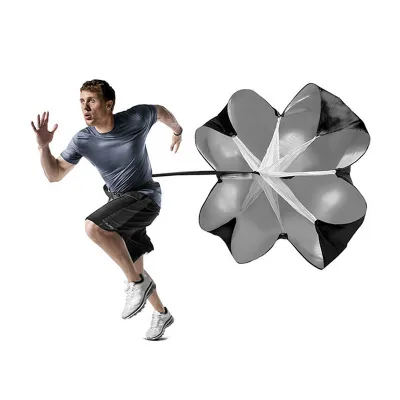
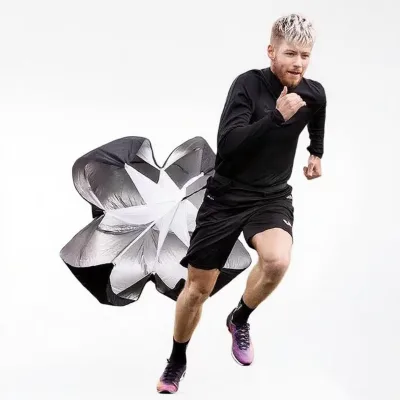
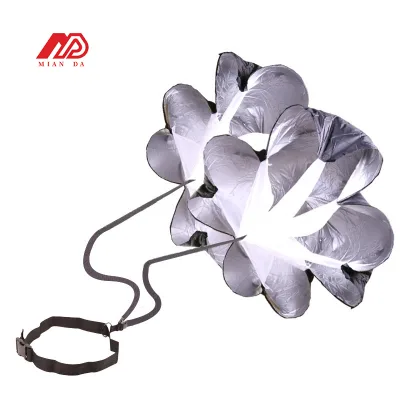
When sourcing portable soccer training parachutes, buyers must first distinguish between the specific functional variants available in the market. The core product serves as a resistance tool for speed training, yet the technical construction varies significantly based on the intended application. Based on current market observations, the primary configuration is the "Speed Training Running Parachute," which typically features a 46-inch canopy size designed for independent belt attachment. This specific model, often identified by model numbers such as GP1902 or GY374, utilizes parachute fabric or polyester to ensure durability while maintaining a lightweight profile. The weight of individual units can vary; for instance, specific cone-based resistance tools weigh approximately 0.3 kilograms per unit, while other resistance umbrella styles weigh around 205 grams.
The material composition is a critical differentiator. While standard models utilize polyester or parachute fabric, other variants in the fitness equipment category may employ Oxford cloth or a combination of nylon cloth and gauze. The choice of material directly influences the product's resistance profile and longevity. For soccer applications, the "Type" attribute often specifies "for football" or "Universal" usage, indicating the parachute's adaptability to various drills. The physical dimensions are equally important; some units are packaged with specific dimensions like 231015 cm, while others have a defined area of 1.5*1.5 meters or a ribbon width of 1.2 cm. Buyers should verify that the selected model number, such as GP5128 or GP7678, aligns with the specific resistance requirements of their training program. The "Single volume" and "Single gross weight" attributes are often listed as zero in standard catalogs, which requires clarification during the inquiry phase to understand the actual shipping volume and weight for logistics planning.
Technical Performance and Design Features
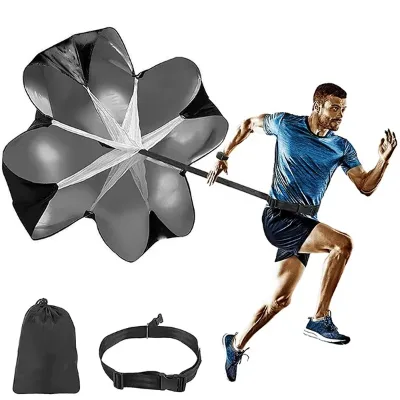
The functional design of a Portable Soccer Training Parachute centers on its ability to provide variable resistance without compromising the athlete's mobility. Key features observed in high-quality units include "Durable" construction and "Portable" form factors. The durability is often a result of the stitching quality and the tensile strength of the fabric, which must withstand the sudden forces generated during sprinting drills. The "Feature" attribute frequently highlights portability, suggesting that the product includes a carrying bag, often packed within a PP bag, to facilitate transport to training grounds.
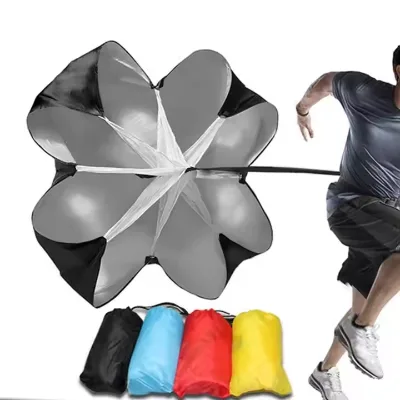
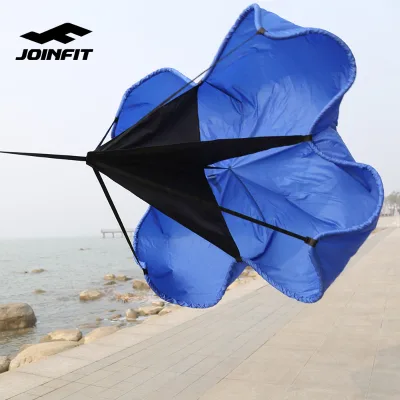
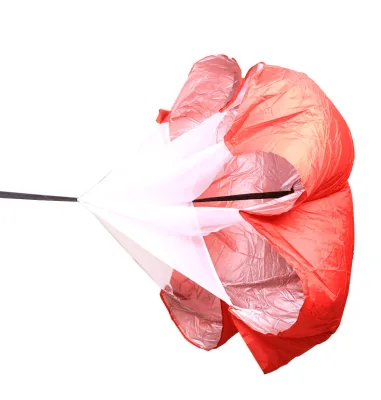
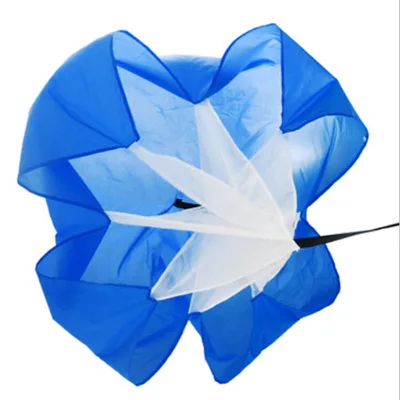
Color options are another technical consideration for team identification. Available colors typically include Black, Blue, Red, Green, Yellow, and Orange, allowing coaches to assign different resistance levels or team colors to specific athletes. The attachment mechanism is a crucial technical detail; the "Type" description often mentions an "Independent belt," which ensures the parachute remains securely attached to the athlete's waist during high-intensity movement. The "Target Use Body Part" is consistently listed as the waist, confirming the ergonomic design intended for lower-body resistance training.
Furthermore, the "Usage" attribute specifies "Speed Training" or "Outdoor sports training," indicating that these products are engineered for dynamic movement rather than static holding. The "Application" field notes "Indoor" and "Outdoor" capabilities, suggesting versatility in training environments. However, buyers must verify that the specific model selected is rated for the intended surface conditions, as friction and wind resistance can vary between indoor turf and outdoor grass. The "Selling Units" are typically listed as single items, but bulk purchasing options may exist for team procurement. The "Logo" availability, including options for "Silk Screen Printing" or "Customized Logo Accept," allows for branding, which is essential for professional clubs or training academies looking to maintain a consistent visual identity.
Cost Drivers and Pricing Dynamics
The pricing structure for portable soccer training parachutes is influenced by several variables, including material quality, customization requirements, and order volume. The observed price range in the market spans from 0.35 USD to 49 USD, a wide spectrum that reflects the diversity in product tiers. The lower end of this range typically corresponds to basic polyester models with standard branding, while the higher end may include specialized fabrics, reinforced stitching, or extensive custom branding services.
Material costs play a significant role in the final price. Parachute fabric and nylon cloth with gauze are generally more expensive than standard polyester due to their superior tensile strength and wind resistance properties. The inclusion of accessories, such as high-quality carry bags or specialized belts, also adds to the unit cost. Additionally, the "Customized Logo" option introduces a variable cost factor. While standard units may be available at a base price, the addition of silk screen printing or custom graphic designs often incurs a setup fee or a per-unit surcharge.
Order volume is another critical cost driver. The Minimum Order Quantity (MOQ) ranges from 1 to 1000 units, with a common high-confidence MOQ of 10 pieces. Buyers purchasing small quantities, such as single items or small batches, will likely face a higher per-unit cost. Conversely, orders approaching the upper limit of the MOQ range may benefit from economies of scale, reducing the average cost per unit. However, buyers must balance cost savings with inventory management, as large orders tie up capital and require storage space. The "Packaging" details, such as the inclusion of one carry bag in one PP bag, also affect the shipping cost, as larger or heavier packaging increases freight charges.
Compliance, Certification, and Safety Standards
In the B2B procurement of sports equipment, compliance and safety are paramount, even for seemingly simple items like training parachutes. While the supplied product data does not explicitly list specific certification numbers, buyers must proactively verify that the products meet relevant safety and quality standards. The "Place of Origin" is identified as Jiangsu, China, a major manufacturing hub, but this does not automatically guarantee compliance with international safety regulations.
Buyers should request documentation regarding material safety, particularly for the fabrics used. Materials like polyester, nylon, and parachute fabric must be free from harmful chemicals and should comply with standards such as REACH or CPSIA, depending on the target market. The "Feature" attribute often mentions "Durable," but durability alone does not equate to safety; the stitching and attachment points must be tested to ensure they do not fail under load, which could cause injury to the athlete.
Certification checks should also extend to the manufacturing process. Buyers should inquire about the factory's adherence to ISO standards for quality management, which ensures consistent product quality across batches. For products intended for use in schools or professional leagues, there may be specific liability insurance requirements or product liability certifications that the supplier must provide. The "Brand Name" and "Logo" attributes suggest that the supplier offers OEM services, which often requires a review of the supplier's intellectual property rights to ensure that the branding does not infringe on existing trademarks.
Supplier Evaluation and Selection Criteria
Selecting the right supplier for portable soccer training parachutes requires a rigorous evaluation process that goes beyond price comparisons. The "Brand Name" attribute indicates that some suppliers operate under established brands like "Get Power" or "Gaia sport," while others may be private label manufacturers. Buyers should assess the supplier's reputation, production capacity, and ability to meet specific customization needs.
One key evaluation metric is the supplier's flexibility regarding the "Model Number." A capable supplier should be able to provide multiple model numbers, such as GP1902, GY374, GP5128, and GP7678, to offer a range of options that fit different training needs. The ability to customize the "Logo/graphic design" via silk screen printing is another indicator of a supplier's capability. Buyers should request samples to verify the quality of the printing and the durability of the attachment mechanisms.
The "Capacity" attribute, listed as "other" in some contexts, suggests that suppliers may have varying production capacities. Buyers should confirm the supplier's ability to handle large orders without compromising quality or lead times. The "Place of Origin" being Jiangsu, China, is a common location for such manufacturing, but buyers should verify the specific factory location to assess logistics and potential supply chain risks. Communication responsiveness and the ability to provide detailed product specifications are also critical indicators of a reliable supplier.
Quality Control and Inspection Protocols
Implementing a robust quality control (QC) protocol is essential to ensure that the received products meet the specified requirements. Given the wide range of observed prices and materials, buyers should establish clear inspection criteria before production begins. The "Material" attribute, whether polyester, parachute fabric, or Oxford cloth, must be verified against the agreed-upon specifications. Visual inspections should check for defects in the fabric, such as holes, uneven dyeing, or loose threads.
The "Feature" attributes of "Portable" and "Durable" should be validated through physical testing. This includes checking the strength of the independent belt and the attachment points to ensure they can withstand the forces generated during sprinting. The "Weight" specifications, such as 0.3 kg or 205 g, should be verified using calibrated scales to ensure consistency across the batch. The "Size" and "Area" dimensions must also be measured to confirm that the product matches the advertised specifications, such as the 46-inch canopy or the 1.5*1.5 meter area.
Packaging quality is another critical aspect of QC. The "Packing" details, such as "one carry bag in one pp Bag," should be inspected to ensure that the products are protected during transit. Any damage to the carry bag or the parachute itself during shipping should be documented and addressed with the supplier. For customized orders, the "Logo" and "Graphic Design" must be checked for accuracy in color, placement, and clarity.
Long-Term Procurement and Supply Chain Considerations
For buyers looking to establish a long-term relationship with suppliers, several factors must be considered to ensure supply chain stability. The "MOQ" range of 1 to 1000 units offers flexibility, but buyers should plan their inventory levels carefully to balance cost efficiency with storage constraints. The "Lead time" is not explicitly provided in the data, but buyers should negotiate clear timelines to avoid delays in receiving critical training equipment.
The "Season" attribute, listed as "All Seasons," suggests that these products have year-round demand, which can help stabilize order volumes. However, buyers should be aware of potential seasonal fluctuations in raw material costs, which could impact pricing. The "Usage" and "Application" attributes indicate that these products are suitable for both indoor and outdoor training, making them versatile investments for various sports programs.
Long-term procurement also involves building a relationship with the supplier for continuous improvement. By providing feedback on product performance and durability, buyers can help suppliers refine their manufacturing processes. The "Brand Name" and "Logo" options allow for brand alignment, which can be beneficial for marketing and team identity. Finally, buyers should maintain open communication channels to address any issues promptly and ensure that the supply chain remains resilient against external disruptions.
FAQs
What material is used for portable soccer training parachutes?
These parachutes typically use polyester or parachute fabric for durability. Some variants may also incorporate nylon cloth and gauze or Oxford cloth depending on the specific model and intended resistance profile.
Which model numbers are available for speed training equipment?
Common model numbers include GP1902, GY374, GP5128, GP7678, and J.R.057. Buyers should verify that the selected model aligns with their specific training resistance requirements and size needs.
Can buyers request a customized logo on the product?
Yes, customized logos are available through silk screen printing or other graphic design options. This allows training academies and clubs to maintain a consistent visual identity across their equipment inventory.
How much does a single unit of this equipment weigh?
Weight varies by specific type, with some cone-based units weighing 0.3 kilograms each and resistance umbrella styles weighing approximately 205 grams. Actual shipping weight may differ from product specifications.
What is the minimum order quantity for these parachutes?
The minimum order quantity ranges from 1 to 1000 pieces, with a common high-confidence threshold of 10 pieces. Bulk purchasing often reduces the average cost per unit compared to single-item orders.
Where are these products typically manufactured?
The place of origin for these items is Jiangsu, China. This region is a major manufacturing hub, though buyers should verify specific factory locations for logistics and supply chain risk assessment.
What colors are available for the parachute canopy?
Available colors include black, blue, red, green, yellow, and orange. These options allow coaches to assign different resistance levels or team colors to specific athletes during training sessions.