Source Portable Walnut Wooden Cutting Board for Kitchen Prep, Fruit Slicing, and Serving
Explore 30 listings for the Portable Walnut Wooden Cutting Board, featuring varied designs like square and irregular shapes with antibacterial properties. Buyers can compare dimensions, thickness, and customization options from suppliers in China.
Key considerations
Products List
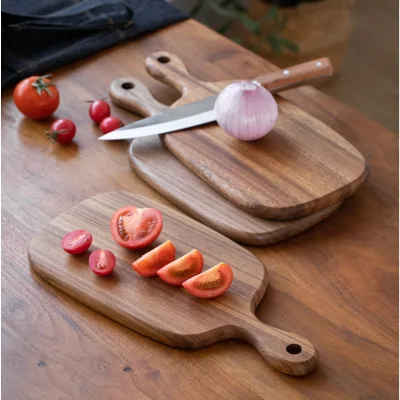


Wholesale Kitchen Large Round Custom Black Walnut Wood Cutting Board with Handle
$1.65 - $2.15
MOQ: 467 Pieces


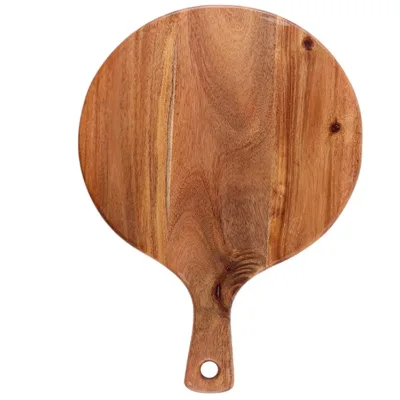
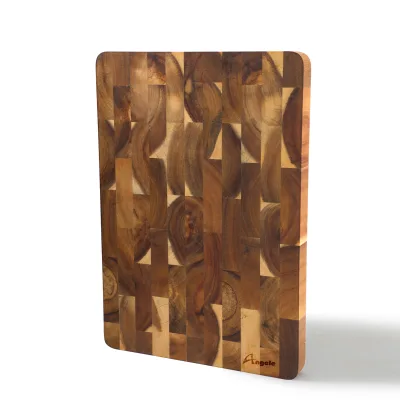
Acacia Wood Cutting Board with Handle
$1.70 - $2.90
MOQ: 10 Pieces
Nanping Jianyang Heng Xinwang Bamboo and Wooden Products Co., Ltd.
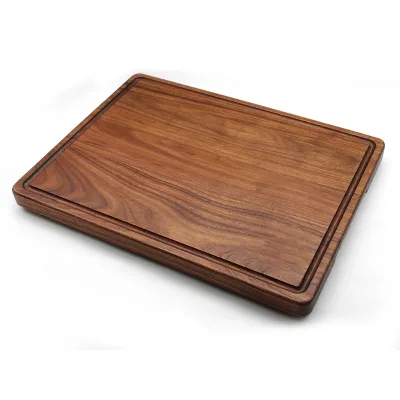
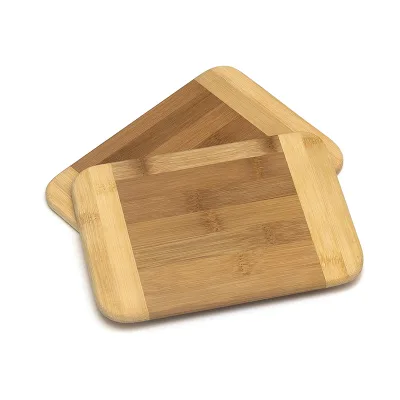

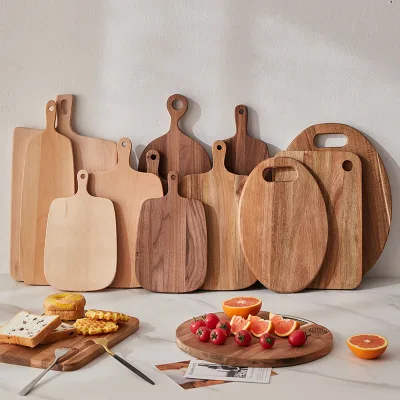


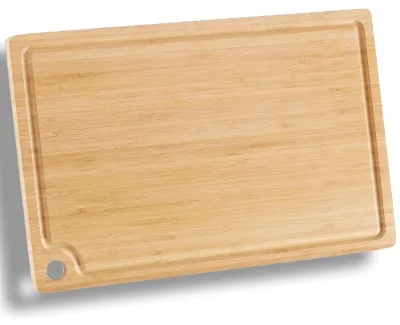
Hot Sale Walnut Wood Rectangle Cutting Board with Handle and Juice Groove
$10.00 - $12.00
MOQ: 500 Pieces
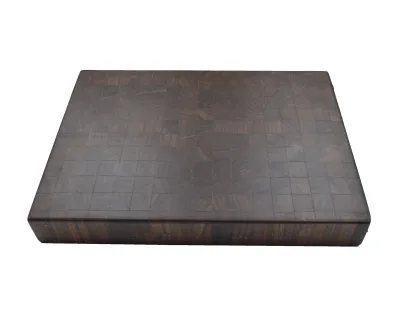
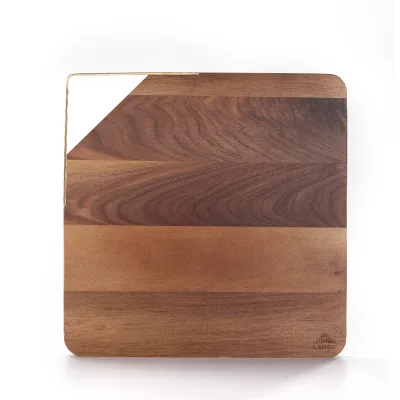
Walnut Wood Butcher Chopping Board with Copper Handle Wood Cutting Board
$11.01 - $23.60
MOQ: 10 pieces
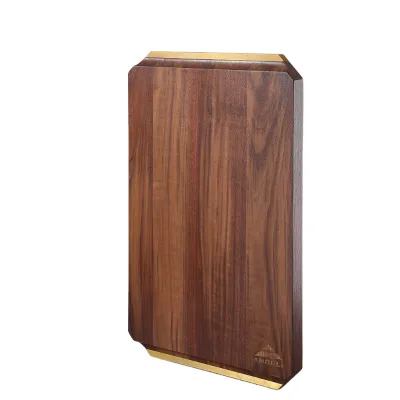
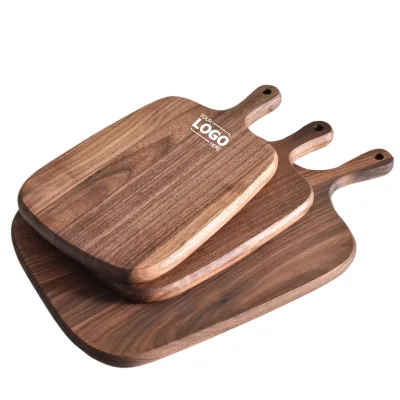
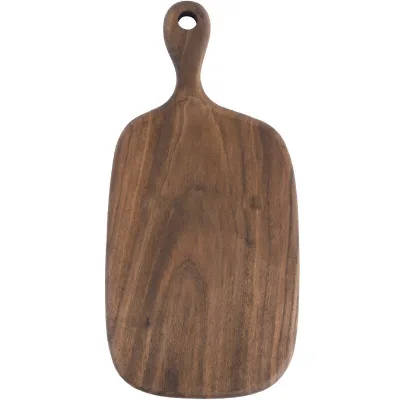

Kitchen Tool Wooden Cutting Board Walnut Luxury Vegetable Chooping Board
$2.00 - $5.00
MOQ: 1000 Pieces


Comprehensive Sourcing Guide
Strategic Sourcing Guide for Portable Walnut Wooden Cutting Boards
Understanding Product Specifications and Material Variability
When sourcing a Portable Walnut Wooden Cutting Board, buyers must first navigate the complex landscape of product attributes, as the term "walnut" often serves as a material descriptor that varies significantly in actual composition across different listings. Based on the observed market data, the primary material identified is broadly categorized as "Wood," with specific listings referencing "Woodiness" and "Acacia Cutting Board" as distinct product types. This indicates that while a buyer may request walnut, the available inventory often includes acacia or other hardwoods that share similar aesthetic and functional properties. The physical dimensions of these boards are highly variable, ranging from compact sizes like 250x160x15mm to larger configurations such as 40x30x2cm. Thickness is another critical variable; some units are specified as "2.0cm" or "Thickening," while others list standard thicknesses like 1.5cm or 0.8cm depending on the model.
The portability aspect of the product is often defined by the shape and design rather than a specific weight limit. Listings show a prevalence of "Rectangle" and "Square" shapes, though "Irregular" designs are also available, suggesting that portability may be achieved through ergonomic handling rather than just size reduction. The "Single package size" of 1x1x1 cm appears to be a data anomaly or a specific listing error, as it contradicts the physical reality of a 2.0cm thick board; buyers should verify the actual packed dimensions against the product standard, which ranges from 28x13x0.8cm to 34.5x22cm. Furthermore, the "Design" attributes vary between "Double-sided" and "Flexible," with some models featuring a "Chopping Board Rack" function, which enhances portability by allowing the board to stand or be stored vertically.
Compliance, Certification, and Origin Verification
Geographic origin plays a pivotal role in the supply chain for wooden cutting boards, influencing both cost and regulatory compliance. The observed data indicates a concentration of suppliers in "Shandong, China" and "Zhejiang, China," with specific mentions of "Nanping, Fujian" as an origin point. These regions are known for their woodworking industries, but buyers must verify the specific factory location for each order to ensure consistency. The "prod_standard" field reveals a lack of universal standardization, with specifications ranging from precise measurements like "29x20x1.5 cm" to "customized" or "38x18/30x13 CM." This variability necessitates a rigorous verification process where buyers must explicitly define their required dimensions in the purchase order to avoid receiving non-compliant goods.
Regarding certifications, the background information mentions "FSC" (Forest Stewardship Council) as a low-confidence factor. While FSC certification is a trusted standard for sustainable forestry, it should not be assumed as a default attribute for all listed products. Buyers must explicitly request proof of FSC certification or equivalent sustainability standards if this is a procurement requirement. The "prod_packing" varies from "Carton" and "Cartoon" (likely a typo for Carton) to "Customized" and "1 PCS/ Bag." This inconsistency in packaging standards suggests that buyers should specify their packaging requirements, including whether they need single-piece packaging or bulk carton packing, to ensure the product arrives in suitable condition for retail or industrial use.
Cost Drivers and Pricing Dynamics
The pricing structure for portable wooden cutting boards is influenced by material type, thickness, and customization levels. The observed price range spans from $0.56 to $50.55 USD, a wide disparity that reflects the difference between basic, mass-produced boards and premium, customized units. The lower end of the spectrum likely corresponds to smaller, thinner boards made from less expensive wood varieties or those with minimal processing. Conversely, the higher price points are associated with "Thickening" features, "Customized" logos, and specific dimensions like the 40x30x2cm model.
Minimum Order Quantity (MOQ) is another significant cost driver, with observed ranges from 1 to 2000 units. This flexibility allows buyers to test the market with small orders or commit to larger volumes for better unit economics. The "Selling Units" are typically listed as "Single item," but the "prod_packing" often dictates the actual transaction unit. Buyers should be aware that customization, such as adding a "Customed" logo or specific dimensions, may increase the MOQ or trigger a price premium. The "Single gross weight" of 1.000 kg for certain listings provides a baseline for logistics cost estimation, but actual shipping costs will vary based on the specific model's dimensions and the density of the wood used.
Functional Attributes and Typical Applications
The functional capabilities of these boards are diverse, catering to various kitchen and commercial needs. The primary usage is identified as "Fruits and Vegetables Chopping Board" and "Fruits Chopping Board," indicating a strong focus on food preparation. However, specific attributes like "Antibacterial" and "Anti-mold" suggest that these boards are treated or made from woods with natural resistance to microbial growth, a critical feature for food safety. The "Anti-friction" attribute is also noted, which may refer to the surface texture designed to reduce wear on knives or improve stability during use.
The "Type" of product varies between "Single" and "Chopping Board Rack," implying that some units are designed to be standalone cutting surfaces while others integrate storage or drying features. The "Double-sided" design is particularly valuable for separating raw and cooked foods or different food groups, enhancing hygiene. The "Flexible" design attribute is less common for wooden boards and may refer to a specific construction method or a composite material, requiring clarification during the sourcing process. The "Chocolate" color is a specific aesthetic option, likely referring to the natural hue of the wood or a specific stain, which buyers should confirm against their branding requirements.
Supplier Evaluation and Quality Control Protocols
Evaluating suppliers for wooden cutting boards requires a focus on consistency and transparency. The presence of multiple product models, such as "KHL5771," "KHL7244," "SKP-0074," and "WCB-5996," indicates that suppliers often manage a diverse catalog. Buyers should verify that the specific model number corresponds to the exact specifications required, as the "prod_standard" and "Dimensions" can differ significantly between models. The "Customization" attribute is widely available, allowing for tailored solutions, but this also introduces a risk of quality variance if the supplier's production capabilities are not aligned with the buyer's expectations.
Quality control should focus on the material integrity and finish. Buyers must verify that the wood is free from cracks, splinters, and excessive moisture, which can lead to warping. The "Antibacterial" and "Anti-mold" claims should be supported by test data or specific treatment processes, as these are critical for food safety compliance. The "Single gross weight" and "Single package size" data points should be cross-referenced with physical samples to ensure accuracy. Additionally, the "Logo" customization process should be reviewed to ensure that the branding does not compromise the structural integrity of the board or violate any food safety regulations regarding inks or adhesives used in the printing process.
Long-Term Procurement and Operational Considerations
For long-term procurement, buyers should prioritize suppliers who offer consistent quality across batches and maintain clear communication regarding lead times and production capacity. The "Customized" nature of many orders means that lead times may vary, and buyers should establish clear timelines for sample approval and mass production. The "Origin" of the wood is a key factor in long-term sustainability and supply chain resilience; sourcing from regions like "Zhejiang" or "Fujian" may offer advantages in terms of local expertise and supply chain stability.
Buyers should also consider the end-of-life disposal and environmental impact of the products. While "FSC" certification is a positive indicator, it should be verified for each batch. The "Carton" and "Customized" packaging options should be evaluated for their environmental footprint, with a preference for recyclable materials. Finally, the "Function" of the board, such as its suitability for "Fruits and Vegetables," should be aligned with the buyer's target market and usage scenarios. Regular quality audits and feedback loops with suppliers will help maintain product standards and ensure that the procurement strategy remains effective over time. By focusing on these detailed aspects, buyers can secure a reliable supply of high-quality portable wooden cutting boards that meet their specific operational and commercial needs.
FAQs
What materials are used for portable walnut wooden cutting boards?
The primary material identified is broadly categorized as wood, with specific listings referencing acacia cutting boards. While buyers may request walnut, the available inventory often includes acacia or other hardwoods that share similar aesthetic and functional properties.
Which dimensions are available for these wooden cutting boards?
Dimensions vary significantly, ranging from compact sizes like 250x160x15mm to larger configurations such as 40x30x2cm. Some models feature standard thicknesses like 1.5cm or 0.8cm, while others are specified as thickening or 2.0cm depending on the specific model.
Can I customize the logo and dimensions for my order?
Customization is widely available for both logos and specific dimensions. Buyers should specify their packaging requirements and branding needs, as customization may increase the minimum order quantity or trigger a price premium depending on the supplier's production capabilities.
How do I verify the origin of the wooden cutting boards?
Geographic origin is a key factor, with suppliers concentrated in Shandong, Zhejiang, and Nanping, Fujian. Buyers must verify the specific factory location for each order to ensure consistency, as the origin influences both cost and regulatory compliance for the supply chain.
What functional attributes do these boards offer for food safety?
Many boards feature antibacterial and anti-mold properties, suggesting treatment or natural wood resistance to microbial growth. The design often includes double-sided surfaces to separate raw and cooked foods, enhancing hygiene during fruit and vegetable preparation.
What is the price range for portable wooden cutting boards?
The observed price range spans from 0.56 to 50.55 USD, reflecting differences between basic mass-produced boards and premium customized units. Lower prices typically correspond to smaller, thinner boards, while higher points are associated with thickening features and custom logos.
Which certifications should I request for sustainable sourcing?
FSC certification is mentioned as a trusted standard for sustainable forestry but should not be assumed as a default attribute. Buyers must explicitly request proof of FSC certification or equivalent sustainability standards if this is a specific procurement requirement for their brand.