Source Poultry Incubator Temperature and Humidity Controller for Farms
Find and compare 30 Poultry Incubator Temperature and Humidity Controller options from verified Chinese manufacturers. Evaluate features like automatic turning, high hatchability rates, and computerized controls to select the right equipment for your poultry farming needs.
Key considerations
Products List


Temperature Control System Constant Temperature and Humidity Incubator
$500.00 - $2000.00
MOQ: 1 Pieces
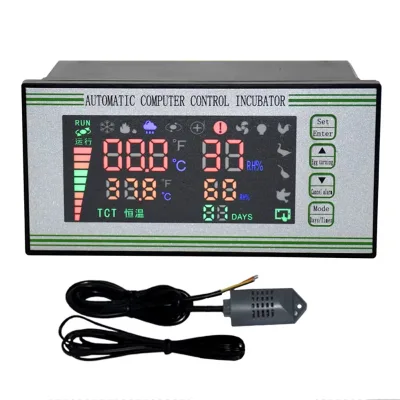
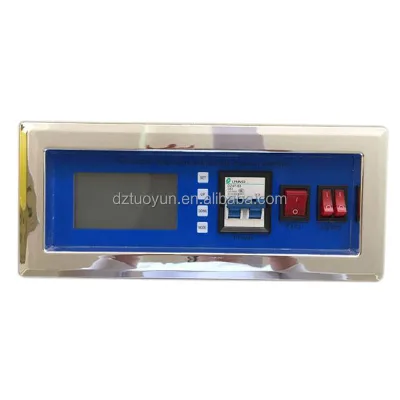
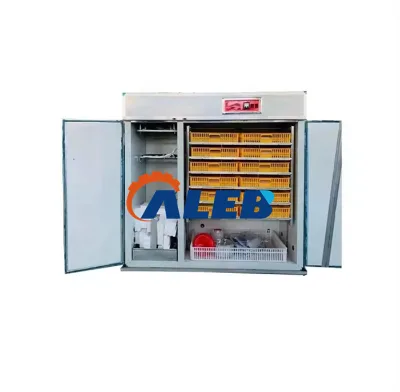

Best Selling China Poultry Egg Incubator Temperature Humidity Controller
$190.00 - $260.00
MOQ: 1 Pieces


Digital Automatic Egg Incubator Temperature Humidity Controller in UAE
$330.00 - $480.00
MOQ: 1 Pieces

Dual Power Digital Temperature Controlled Poultry Incubator Hatcher Machine
$190.00 - $260.00
MOQ: 1 Pieces


Digital Automatic Chicken Egg Incubator Controller Heater Thermostat
$1900.00 - $2300.00
MOQ: 1 Pieces


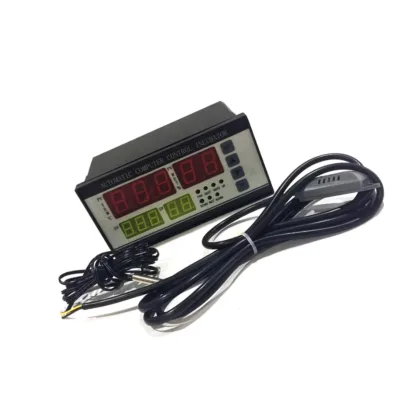

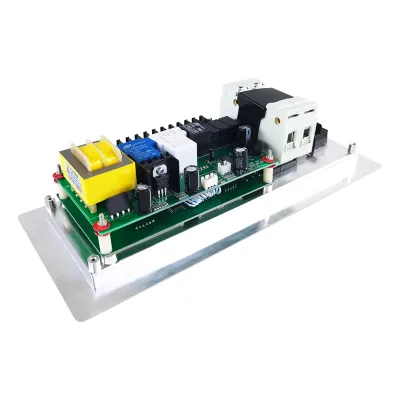
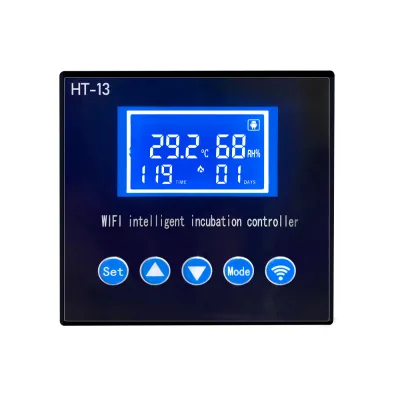
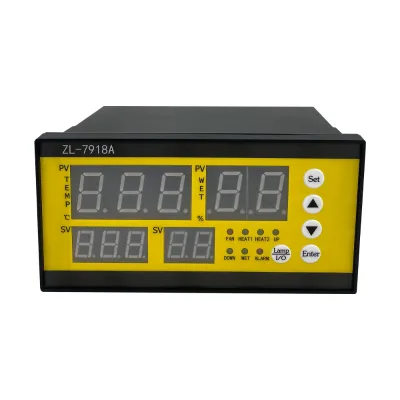
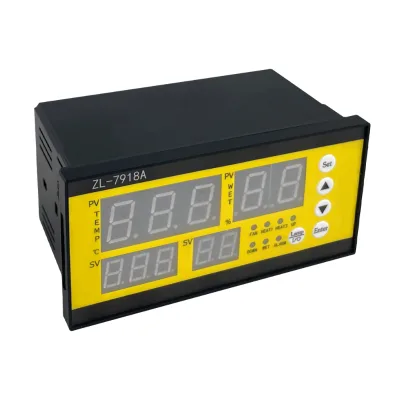
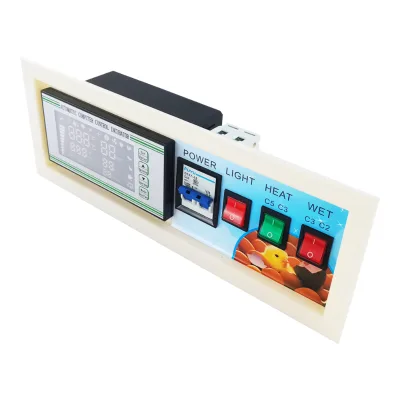


Comprehensive Sourcing Guide
Poultry Incubator Temperature and Humidity Controller Sourcing Guide
Selecting the right temperature and humidity controller for poultry incubation requires a careful balance of precision, reliability, and ease of use. The core function of these controllers is to maintain stable environmental conditions that maximize hatch rates while minimizing mortality. Buyers must understand that while many modern units offer computerized automation, the actual performance depends heavily on sensor accuracy and the robustness of the control logic. This guide provides evidence-based procurement advice for sourcing these critical components, focusing on verified specifications and commercial realities observed in the current market.
The procurement process involves navigating a wide range of product models, from small desktop units to large industrial systems. Observed listings indicate a significant variation in pricing, ranging from approximately $2.20 to $7,110 USD, which reflects differences in capacity, automation level, and build quality. Minimum Order Quantities (MOQs) also vary widely, typically between 1 and 100 units, allowing both small-scale hatcheries and large commercial operations to find suitable supply chains. Understanding these market signals is the first step in defining a realistic sourcing strategy that aligns with your operational scale and budget constraints.
Product Scope and Observed Listing Signals
The market for poultry incubation equipment includes a diverse array of models designed for different scales of operation. High-confidence data indicates the presence of specific model series such as the DHP-9402, LHS-150CA, LHS-250CL, LHS-250CA, and LHS-500CAY, alongside the GHP Series and YZ-001. These models often feature automatic egg turning capabilities and are powered by standard electric sources, typically operating at 220V and 50Hz. The target application is primarily poultry, with a specific focus on chicken hatching, although some equipment is also marketed for general use in schools, hospitals, and laboratories. Buyers should verify that the specific controller model matches the capacity of the incubator chamber it will manage.
Packaging and origin details provide additional context for logistics and quality expectations. Products are frequently shipped in cartons, wooden cartons, or customized packaging, with origins primarily located in Zhejiang, Hebei, and Guangdong provinces in China. Some listings specify standard dimensions for packaging, such as 533054cm or 775696cm, which is crucial for calculating freight costs and warehouse storage requirements. The condition of these units is consistently listed as new, and many suppliers offer after-sales services ranging from one-year warranties to 24-hour reply guarantees. These commercial terms should be weighed against the technical specifications to ensure long-term operational support.
Technical Specifications to Verify
Precision in temperature and humidity control is paramount for achieving high hatchability rates. Buyers should prioritize controllers that offer automatic temperature control with a resolution of 0.1 degrees Celsius, as this level of granularity helps prevent thermal shock to developing embryos. The temperature control range is typically specified as 0-50 degrees Celsius, covering the necessary spectrum for various poultry species. Additionally, the working environment for these devices is often rated between 10-30 degrees Celsius, meaning the controller itself must be installed in a climate-stable area to ensure accurate readings. Verifying these ranges against your local facility conditions is essential to avoid calibration drift.
Automation features significantly impact labor efficiency and consistency in hatchery operations. Many observed models feature computerized systems with touch switches for easy operation, reducing the risk of human error during long incubation cycles. Time settings can often be programmed for 0-99 hours and 59 minutes or set for continuous operation, providing flexibility for different incubation periods. Some systems also integrate heating and ventilation equipment types, such as air ducts, and may include epidemic prevention features like medicated bath equipment. Buyers must confirm that the controller’s output signals are compatible with the specific heating elements, fans, and humidifiers installed in their incubation chambers.
Compliance and Safety Documentation
Safety certifications are a critical indicator of manufacturing quality and electrical safety standards. Several observed products carry CE and ISO certifications, which suggest adherence to European safety directives and international quality management systems. These certifications are particularly important for buyers exporting equipment or operating in regions with strict regulatory requirements. However, buyers should request copies of the actual certification documents to verify their validity and scope. It is also prudent to check if the electrical components, such as the 220V power supply, meet local grid standards and safety codes to prevent electrical hazards in humid incubation environments.
Material quality and structural design contribute to the longevity and safety of the incubation system. Some units are constructed with stainless steel components, which offer superior resistance to corrosion from high humidity and cleaning agents. The structure of the controller unit itself may be designed as a desktop model, which requires stable mounting and protection from physical damage. Buyers should verify that all electrical connections are properly insulated and that the housing material is flame-retardant and durable. Ensuring that the equipment meets these material and structural standards reduces the risk of premature failure and maintains a safe working environment for hatchery staff.
Cost Drivers and Commercial Terms
The price range of $2.20 to $7,110 USD reflects significant variations in technology, capacity, and brand positioning. Lower-priced items may be basic controllers with limited automation or smaller capacities, while higher-priced units likely offer advanced computerized features, larger control ranges, and integrated systems for industrial-scale hatching. Buyers should analyze the cost per unit of capacity or per feature to determine the true value proposition. It is important to note that the lowest observed prices may correspond to minimal specifications or smaller MOQs, so bulk purchasing agreements should be negotiated carefully to secure better unit costs without compromising on essential features.
Commercial terms such as warranty and after-sales service play a crucial role in the total cost of ownership. While some suppliers offer a one-year warranty, others provide up to three years of coverage, which can significantly reduce long-term maintenance costs. The availability of 24-hour reply guarantees for technical support is another valuable commercial term that ensures minimal downtime in case of controller failure. Buyers should also consider the cost of customization, as some suppliers offer customized packing or specific model adjustments. Understanding these terms helps in building a reliable supply chain that supports continuous production without unexpected financial burdens.
Supplier Qualification and Quality Control
Supplier location and specialization are key indicators of reliability. The majority of observed suppliers are located in major manufacturing hubs such as Zhejiang, Hebei, and Guangdong, which are known for their robust industrial ecosystems. Buyers should verify the supplier’s production capacity and history in manufacturing incubation equipment. Customization availability is a positive sign of a flexible and responsive supplier, but it requires clear communication of technical requirements to avoid mismatches. It is advisable to request samples or detailed technical datasheets before placing large orders to assess the build quality and user interface of the controllers.
Quality control processes should be explicitly discussed with potential suppliers. Buyers should inquire about factory inspection procedures, testing protocols for temperature accuracy, and humidity response times. Although specific test results are not provided in the general listing data, reputable suppliers should be able to provide internal quality assurance reports. The condition of the products is listed as new, but buyers should ensure that the packaging, such as wooden cartons or customized boxes, is sufficient to protect the sensitive electronic components during transit. Establishing a clear quality agreement with the supplier helps in maintaining consistent product standards across multiple orders.
Long-Term Procurement Checks
Sustainability and scalability are important considerations for long-term procurement strategies. As hatchery operations grow, the ability to source compatible controllers and spare parts becomes critical. Buyers should verify the availability of replacement sensors, relays, and control boards for the selected models. The observed model diversity, including series like LHS and GHP, suggests that standardization across the facility can simplify maintenance and inventory management. Developing a relationship with a supplier who can provide consistent quality and technical support over time is more valuable than chasing short-term price reductions.
Continuous monitoring of market trends and technological advancements is also essential. The poultry incubation industry is evolving with smarter, more energy-efficient controllers. Buyers should stay informed about new features such as improved energy consumption rates, better connectivity options, and enhanced user interfaces. Regularly reviewing supplier performance and product reliability data will help in making informed decisions about future purchases. By maintaining a disciplined approach to procurement, hatchery operators can ensure that their temperature and humidity control systems remain reliable, efficient, and cost-effective throughout the lifecycle of their operations.
FAQs
What is the temperature control accuracy for poultry incubators?
The temperature control accuracy is 0.1 degree Celsius. This precision ensures stable hatching conditions for chicks. The system features automatic temperature control to maintain optimal environments. It supports a temperature control range of 0-50 degrees Celsius. This capability is essential for high hatchability rates in poultry farming operations.
Can the incubator automatically turn eggs during the process?
Yes, the incubator features automatic egg turning capabilities. It operates on a 220V, 50Hz power source. This automation reduces manual labor and ensures consistent incubation. The touch switches allow for easy operation and monitoring. This feature contributes to a high hatching rate of more than 96%.
What certifications do these poultry incubators hold?
These incubators hold CE and ISO certifications. These standards ensure compliance with international safety and quality requirements. The equipment is constructed from stainless steel for durability. This certification status is critical for industrial, school, and hospital applications. It guarantees reliable performance in various professional incubation environments.
What is the warranty period for the incubation equipment?
The warranty period is typically one year for standard models. Some specific units offer a three-year warranty coverage. After-sales service includes a one-year warranty and 24-hour reply support. This ensures long-term reliability for poultry farming businesses. Buyers should verify specific warranty terms based on the selected model.
Where are these poultry incubators manufactured?
These incubators are manufactured in China, specifically in Zhejiang and Hebei provinces. Some production also occurs in Guangdong province. The origin is listed as China (Mainland). This location supports the supply of various models like DHP-9402 and LHS series. Buyers can source directly from these established manufacturing regions.
What packaging is used for shipping the incubators?
Packaging options include cartons, wooden cartons, or customized solutions. Specific models use wooden cartons for secure egg incubator transport. Standard dimensions vary, such as 53x30x54cm or 77x56x96cm. Customized packing is available to meet specific logistics requirements. This ensures safe delivery of sensitive incubation equipment to global buyers.