Source Pre-Workout Oral Film for Energy Boost, Focus, and Recovery
Find 30 verified listings for Pre-Workout Oral Film designed for energy boost, mental focus, and post-exercise recovery. Compare specifications, certifications, and pricing from suppliers offering OEM services and custom formulations.
Key considerations
Products List
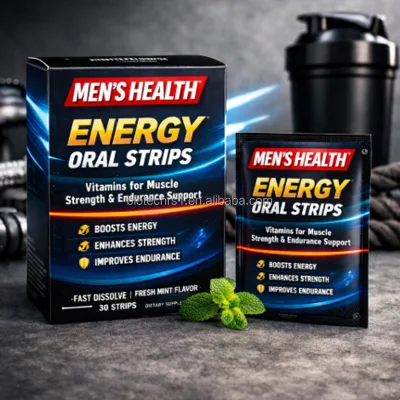


$1.00 - $3.00
MOQ: 1000 Rolls


Comprehensive Sourcing Guide
Pre-Workout Oral Film Sourcing Guide
Sourcing pre workout oral films requires a nuanced understanding of the intersection between nutritional supplements and advanced delivery systems. Unlike traditional capsules or powders, oral films offer rapid dissolution and absorption, making them highly attractive for consumers seeking immediate energy boosts without the hassle of water or swallowing large pills. Buyers must recognize that this format is not merely a packaging choice but a functional differentiator that impacts formulation stability, dosing precision, and user experience. The market for these products is growing, driven by the demand for convenience and efficacy in the fitness and wellness sectors. However, the complexity of manufacturing thin-film dosage forms means that not all supplement manufacturers are equipped to produce them to a high standard. Procurement teams need to evaluate suppliers based on their specific expertise in film casting or lamination technologies, rather than general supplement manufacturing capabilities.
The procurement landscape for oral films is characterized by a high degree of customization and private labeling opportunities. Most suppliers in this space operate as OEM or ODM providers, allowing brands to tailor the flavor, color, active ingredient profile, and packaging to their specific market positioning. This flexibility is a significant advantage for brands looking to differentiate themselves in a crowded market. However, it also introduces variability in quality and consistency. Buyers must establish clear specifications early in the engagement process to ensure that the final product meets their brand’s quality expectations. The ability to customize is often tied to the supplier’s technical capability to handle sensitive ingredients and maintain uniform thickness and drug load across the film. Therefore, the initial screening of potential suppliers should focus on their R&D capabilities and their track record in delivering consistent, high-quality oral film products.
Product Scope and Observed Listing Signals
The observed product listings for pre workout oral films reveal a diverse range of formulations and packaging options. Key attributes include the use of vitamins as main ingredients, with specific products highlighting features such as organic certification and natural flavors. The typical dosage form is a strip, with common packaging configurations including 30 strips per box or customized quantities. These signals indicate that the market is currently focused on nutritional support, with an emphasis on convenience and portability. The presence of certifications such as GMP, HACCP, and ISO in the listings suggests that reputable suppliers are adhering to strict quality management systems. Buyers should look for these certifications as a baseline indicator of supplier reliability, although they should not be the sole criterion for selection. The variety in packaging materials, including paper and metal components, also points to a need for robust barrier properties to protect the sensitive film from moisture and light.
Another significant signal from the listings is the emphasis on customization and branding. Many suppliers offer logo printing and custom color options, which are critical for brand identity in the competitive supplement industry. The ability to provide OEM/ODM services allows brands to create unique products that stand out on the shelf. However, buyers must be cautious of suppliers who offer extensive customization without clear technical guidance. The complexity of oral film manufacturing means that certain design choices may impact the product’s stability or efficacy. For instance, the choice of flavoring agents or sweeteners can affect the film’s texture and dissolution rate. Buyers should work closely with their suppliers to understand the technical implications of their customization requests. The observed listings also highlight the importance of clear labeling, including dosage instructions and storage recommendations, to ensure safe and effective use by the end consumer.
Technical Specifications to Verify
When evaluating technical specifications, buyers must prioritize the physical and chemical properties of the oral film. Key parameters include the film’s thickness, tensile strength, and dissolution time. These factors directly influence the user experience and the bioavailability of the active ingredients. Buyers should request detailed technical data sheets from suppliers that specify these parameters. The dissolution time is particularly critical for pre workout products, as consumers expect a rapid onset of effects. A typical target for oral films is dissolution within 30-60 seconds in the mouth, but this can vary based on the formulation. Buyers should also verify the uniformity of the active ingredient distribution across the film. Inconsistent dosing can lead to variable efficacy and potential safety issues. Suppliers should provide evidence of their quality control processes for ensuring dose uniformity, such as in-process testing and final product analysis.
Packaging integrity is another crucial technical specification that requires careful verification. Oral films are highly susceptible to moisture, which can cause them to stick together or degrade. Buyers should ensure that the packaging provides an adequate moisture barrier. The observed listings mention moisture-proof storage notes, which underscores the importance of proper packaging. Buyers should request information on the packaging materials used, including the type of film and any desiccants included. They should also verify the sealing integrity of the packaging to prevent moisture ingress. Additionally, buyers should consider the shelf-life of the product and the stability data provided by the supplier. Stability testing should cover the entire shelf-life period under recommended storage conditions. This data will help buyers assess the product’s long-term quality and safety.
Compliance and Safety Documentation
Compliance with regulatory standards is non-negotiable in the supplement industry. Buyers must verify that their suppliers hold all necessary certifications, such as GMP, HACCP, and ISO. These certifications indicate that the supplier follows established quality management practices. However, buyers should go beyond simply checking for the presence of these certifications. They should request copies of the certificates and verify their validity with the issuing bodies. Buyers should also inquire about the supplier’s compliance with local and international regulations, such as FDA guidelines in the United States or EFSA regulations in Europe. This is particularly important for pre workout products, which may contain stimulants or other regulated ingredients. Buyers should ensure that the supplier has a robust system for tracking and reporting adverse events, as required by many regulatory bodies.
Safety documentation should also include detailed ingredient lists and allergen information. Buyers must ensure that the supplier provides accurate and complete information about all ingredients used in the formulation. This includes active ingredients, excipients, and any potential allergens. Buyers should also verify that the supplier conducts appropriate testing for contaminants, such as heavy metals, pesticides, and microbial pathogens. The observed listings mention machinery test reports, which can provide additional assurance of the supplier’s quality control capabilities. Buyers should request these reports and review them for any red flags. Additionally, buyers should ensure that the supplier has a clear process for handling product recalls and withdrawals. This includes having a traceability system in place that allows for the rapid identification and removal of affected products from the market.
Cost Drivers and Commercial Terms
The cost of pre workout oral films is influenced by several factors, including the complexity of the formulation, the quantity ordered, and the level of customization required. Buyers should expect higher costs for products with complex formulations or those that require specialized ingredients. The cost of raw materials, such as vitamins and flavoring agents, can also fluctuate based on market conditions. Buyers should negotiate pricing agreements that account for these fluctuations to avoid unexpected cost increases. The quantity ordered is another significant cost driver. Larger orders typically result in lower unit costs due to economies of scale. However, buyers should balance the benefits of lower unit costs with the risks of holding excess inventory. They should consider their sales forecasts and storage capabilities when determining order quantities.
Commercial terms, such as payment terms and lead times, are also important considerations. Buyers should negotiate favorable payment terms, such as partial payments upfront and the balance upon delivery. This can help manage cash flow and reduce financial risk. Lead times can vary depending on the supplier’s production capacity and the complexity of the order. Buyers should establish clear lead time expectations and include penalties for delays in their contracts. This will help ensure that products are delivered on time and that the buyer can meet their customers’ demands. Buyers should also consider the cost of shipping and logistics. They should negotiate freight terms that minimize their exposure to transportation costs and risks. Additionally, buyers should ensure that the supplier provides adequate insurance coverage for the products during transit.
Supplier Qualification and Quality Control
Supplier qualification is a critical step in the procurement process. Buyers should conduct a thorough assessment of potential suppliers, including on-site audits and reviews of their quality management systems. The observed listings mention that machinery test reports are provided, which can be a useful indicator of the supplier’s technical capabilities. Buyers should request these reports and review them for any issues. They should also verify the supplier’s production capacity and lead times. Buyers should ensure that the supplier has the resources to meet their demand, especially during peak seasons. Additionally, buyers should assess the supplier’s R&D capabilities. A supplier with strong R&D capabilities can help the buyer develop innovative products and stay ahead of market trends.
Quality control is an ongoing process that requires close collaboration with the supplier. Buyers should establish clear quality standards and communicate them effectively to the supplier. They should also implement a robust inspection process, including pre-shipment inspections and random sampling of delivered products. Buyers should work with the supplier to identify and address any quality issues promptly. They should also establish a feedback loop to continuously improve the product and the manufacturing process. Buyers should consider implementing a supplier scorecard to track performance metrics, such as on-time delivery, product quality, and responsiveness. This will help buyers identify high-performing suppliers and address issues with underperforming ones. Regular communication and collaboration are key to building a strong and productive supplier relationship.
Long-Term Procurement Checks
Long-term procurement success depends on continuous monitoring and adaptation. Buyers should regularly review their supplier performance and market trends. They should stay informed about changes in regulations, consumer preferences, and technological advancements. This will help buyers anticipate potential challenges and opportunities. Buyers should also maintain a diversified supplier base to mitigate risk. Relying on a single supplier can be risky, especially if that supplier experiences production issues or financial difficulties. Buyers should identify and qualify alternative suppliers to ensure continuity of supply. They should also regularly review their contracts and commercial terms to ensure they remain competitive and favorable.
Buyers should also invest in building strong relationships with their suppliers. A collaborative approach can lead to better product quality, faster innovation, and more favorable commercial terms. Buyers should engage in regular dialogue with their suppliers, sharing market insights and feedback. They should also recognize and reward high-performing suppliers. This can help foster loyalty and commitment. Additionally, buyers should stay updated on industry best practices and emerging technologies. This will help them make informed decisions and stay competitive in the market. By taking a proactive and strategic approach to procurement, buyers can ensure long-term success in sourcing pre workout oral films.
FAQs
What certifications do Pre-Workout Oral Film suppliers provide?
Suppliers typically provide HACCP, GMP, and ISO certifications to ensure quality and safety standards are met. Some manufacturers also offer additional certifications such as QS, KOSHER, JAS, OCIA, and NOP depending on the specific product line and target market requirements. These documents verify compliance with international food and nutritional supplement regulations.
Can I customize the packaging for pre workout oral strips?
Yes, customization is available for packaging materials and design. Suppliers offer options using paper, metal, or film materials, with box or carton packing types. You can choose customized colors, add logo printing, and select specific strip counts per box, such as 10 or 30 strips, to match your brand identity and distribution needs.
What is the typical MOQ for Pre-Workout Oral Film orders?
The minimum order quantity ranges from 1 to 100,000 units, allowing flexibility for both small trials and large-scale production. Many suppliers sell in multiples of 10,000, making it easier to manage inventory and logistics. This wide range supports various business models, from private label startups to established nutritional brands seeking bulk supply.
How long is the shelf life of pre workout oral strips?
The standard shelf life is 24 months when stored correctly. Products should be kept in a cool, dry place to maintain efficacy and prevent moisture damage. The packaging is designed to be moisture-proof, ensuring the oral strips remain stable and effective throughout their designated storage period until they are ready for consumption.
What ingredients are commonly used in pre workout oral films?
Common main ingredients include various vitamins and nutritional components designed to support energy and performance. Some formulations may feature organic ingredients or natural flavors. Specific products might also include probiotics or other functional additives, depending on the intended health benefits and target audience, such as adults seeking weight management or general nutritional support.
Do suppliers offer OEM and ODM services for oral strips?
Yes, most manufacturers provide comprehensive OEM and ODM private label services. This allows you to create custom formulations, select specific dosages, and design unique packaging. You can choose from natural or customized flavors and specify the product type, ensuring the final product aligns perfectly with your brand's positioning and customer expectations in the nutritional market.