Source Preschool Educational Wooden Tracing Board for Montessori, Homeschool, and Classroom
Compare 30 listings for Preschool Educational Wooden Tracing Board options from verified Chinese manufacturers. Buyers can evaluate specifications, certifications, and customization features for early learning tools.
Key considerations
Products List


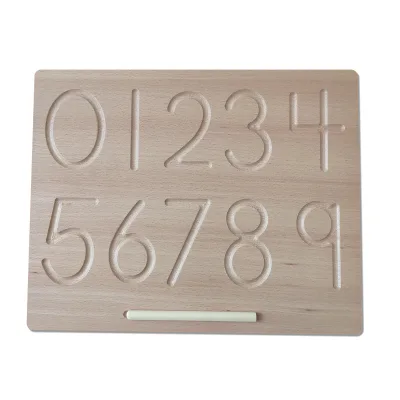
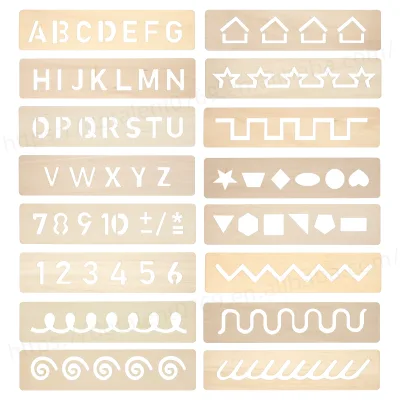
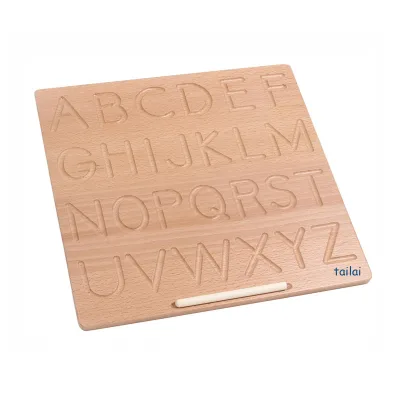
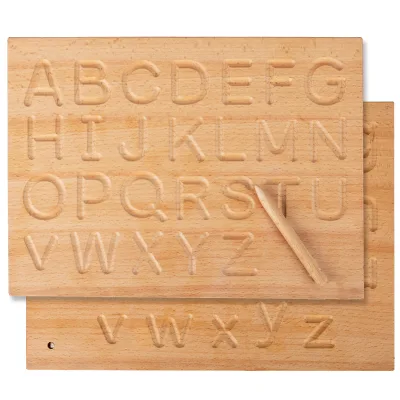
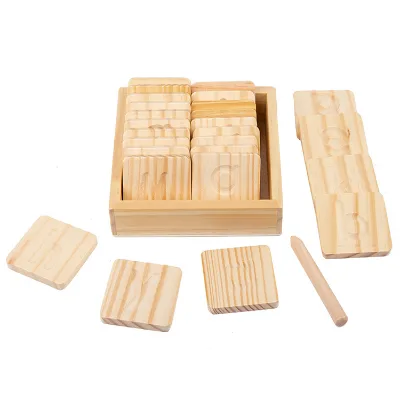
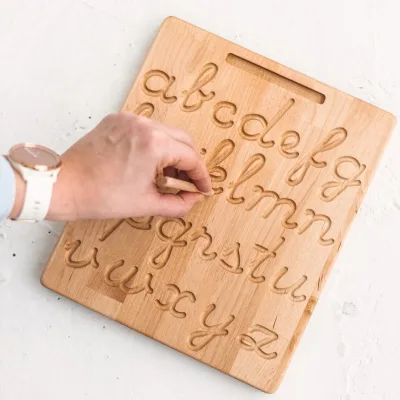



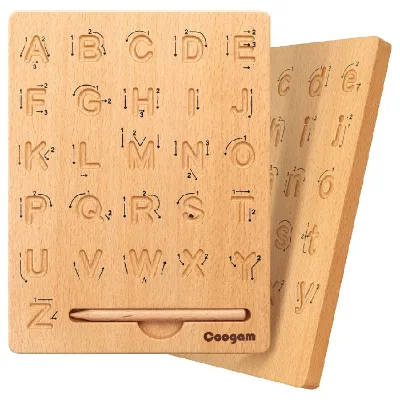
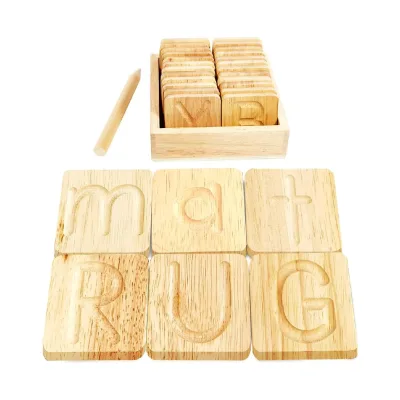
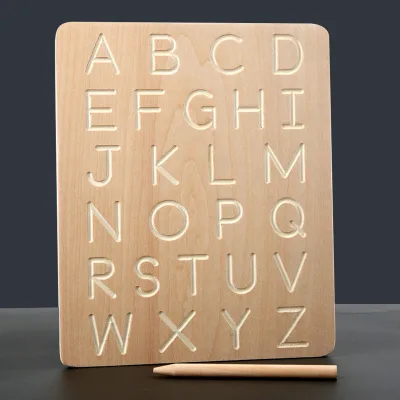


Children's Wooden Multifunctional Fishing Logarithmic Board for Early Education Board
$3.80 - $4.50
MOQ: 100 Pieces

Children′ S Wooden Two-in-One Math Baby Number Board for Early Education Board
$3.00 - $3.50
MOQ: 100 Pieces


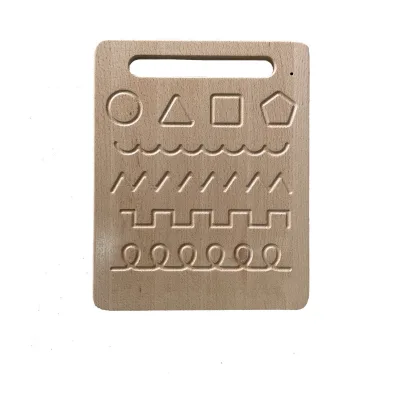
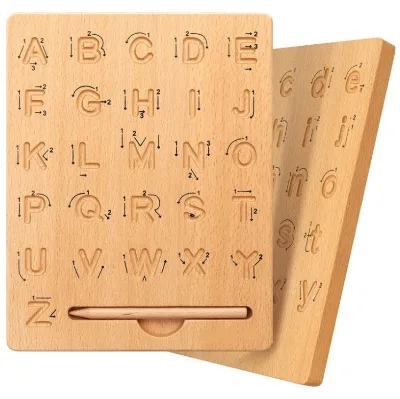
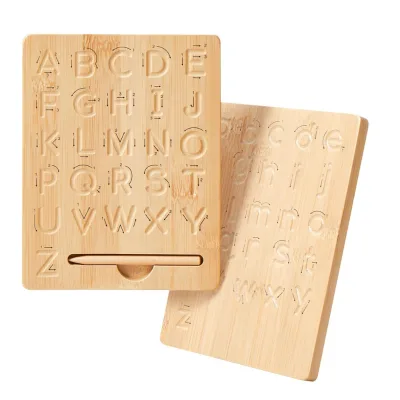


Multifunctional Non-Toxic Wooden Toddlers Activity Board for Preschool Teaching
$2.00 - $15.00
MOQ: 500 Pieces


Comprehensive Sourcing Guide
Preschool Educational Wooden Tracing Board Sourcing Guide
Product Scope and Observed Listing Signals
The market for preschool educational wooden tracing boards presents a diverse array of options tailored to early childhood development, with listings indicating a strong focus on foundational literacy and numeracy skills. Observed product attributes reveal a clear segmentation between general-purpose whiteboards and specialized tracing tools, such as wooden tracing boards for numbers and alphabets. These items are frequently categorized under unisex toy departments and are designed for all ages, though specific models often target children aged one and above, ensuring the content is age-appropriate for early learners. The material composition is predominantly wood or plywood, aligning with the natural aesthetic and tactile benefits preferred in Montessori-inspired learning environments, while some listings also include standard whiteboard types that may serve dual purposes for drawing and writing.
Commercial signals from the current landscape suggest a flexible procurement environment, with observed minimum order quantities (MOQs) ranging from as low as one unit to as high as five thousand pieces, accommodating both small boutique retailers and large institutional buyers. The observed price range in USD spans from one to fifteen dollars, indicating that cost-effective options are readily available for bulk purchases, while premium or customized variants may sit at the higher end of this spectrum. Suppliers frequently offer customization services, including OEM branding and logo acceptance, which allows buyers to create private-label products that stand out in competitive markets. Additionally, the availability of double-sided designs and movable racks with stands suggests that functionality and versatility are key differentiators, with some products offering educational functions specifically geared toward teaching and kids' learning activities.
Technical Specifications to Verify
When evaluating technical specifications, buyers must prioritize dimensional accuracy and structural integrity, as these factors directly impact the usability and safety of the tracing boards for young children. Observed models such as the YPC-00988 and JoRay-234 provide specific size references, with single package sizes ranging from approximately 29.3x23.5x1 cm to 31x31x3 cm, highlighting the importance of verifying the exact footprint to ensure it fits within designated classroom or home learning spaces. The weight of individual units, typically observed between one and two kilograms, is a critical factor for logistics planning and shelf stability, while the folded versus unfolded state of the product influences storage efficiency and portability for mobile learning setups. Buyers should also confirm whether the product is a standard whiteboard or a specialized tracing board, as the latter often includes specific grooves or guides for letter and number formation that require precise manufacturing tolerances.
Material quality and surface finish are equally vital technical considerations, with plywood and solid wood being the primary materials cited in current listings. The choice of material affects the durability of the tracing surface and the overall lifespan of the product, especially under frequent use by preschoolers. Buyers should verify the type of wood used and the quality of the finish to ensure it is smooth and free from splinters, which is essential for child safety. Furthermore, the inclusion of accessories such as racks or stands, as seen in models described as "Movable With Rack," adds functional value but introduces additional components that must be checked for stability and ease of assembly. The packaging details, often listed as white boxes or OPP bags within cartons, should be assessed for their protective capabilities to prevent damage during transit, particularly for fragile wooden edges or delicate tracing guides.
Compliance and Safety Documentation
Safety compliance is non-negotiable for educational toys intended for preschoolers, and buyers must ensure that all sourcing partners provide robust certification documentation. Observed listings frequently cite certifications such as CE, ISO, RoHS, CCC, EN71, ASTM, and CPSC, which are critical for market access in various regions, including Europe, North America, and China. These certifications indicate that the products have undergone rigorous testing for physical and mechanical properties, flammability, and chemical composition, ensuring they meet international safety standards. Buyers should request valid test reports and certificates for each batch or model, verifying that the certifications are current and issued by accredited laboratories, as this documentation is often required for customs clearance and retail compliance.
In addition to formal certifications, buyers should pay close attention to specific safety features inherent in the product design, such as rounded edges and non-toxic finishes. The use of materials like plywood must be accompanied by assurances that adhesives and paints used in the manufacturing process are free from harmful substances, aligning with the strict regulations governing children's products. The "All Ages" designation in some listings requires careful scrutiny, as products marketed for younger children must adhere to more stringent safety protocols regarding small parts and choking hazards. Buyers should verify that the product design minimizes risks, such as ensuring that any movable parts or racks are securely attached and do not pose pinch points or instability issues during use.
Cost Drivers and Commercial Terms
Understanding the cost drivers for preschool educational wooden tracing boards involves analyzing the interplay between material costs, customization levels, and order volumes. The use of wood and plywood as primary materials introduces variability based on the grade and source of the timber, which can significantly impact the unit price. Customization options, such as OEM branding, custom logos, and unique packaging designs, add to the production complexity and cost, often resulting in higher per-unit prices compared to standard off-the-shelf items. Buyers should also consider the impact of packaging choices, such as the use of white boxes versus OPP bags, as more elaborate packaging can increase material and labor costs but may enhance the perceived value of the product in retail settings.
Commercial terms, including MOQs and payment conditions, play a crucial role in the overall procurement strategy. The observed MOQ range of one to five thousand pieces allows for flexibility, but buyers must balance the desire for lower MOQs with the potential for higher unit costs associated with smaller production runs. For larger orders, buyers can leverage volume discounts to reduce per-unit costs, but they must ensure that the supplier has the capacity to maintain quality consistency across large batches. Additionally, shipping methods, such as sea freight, which is commonly listed, affect lead times and logistics costs, with buyers needing to account for transit duration and potential delays when planning inventory replenishment. Clear communication regarding these terms is essential to avoid unexpected costs and ensure a smooth procurement process.
Supplier Qualification and Quality Control
Supplier qualification is a critical step in mitigating risks associated with sourcing preschool educational toys, requiring a thorough assessment of the manufacturer's capabilities and track record. Buyers should verify the supplier's production facilities, focusing on their ability to maintain consistent quality control processes, particularly for wooden products where defects such as warping or rough edges can compromise safety and usability. The presence of OEM/ODM services indicates that the supplier is equipped to handle custom orders, but buyers should assess their design support and prototyping capabilities to ensure that custom specifications can be accurately translated into final products. Additionally, suppliers located in key manufacturing hubs like Zhejiang and Guangdong, China, often have established supply chains and expertise in producing wooden toys, which can be a positive indicator of reliability.
Quality control measures should be implemented at multiple stages of the production process, from raw material inspection to final product packaging. Buyers should request samples before placing bulk orders to evaluate the product's build quality, surface finish, and adherence to specified dimensions. It is also advisable to conduct third-party inspections during production or before shipment to verify that the goods meet the agreed-upon quality standards and safety requirements. Suppliers who are willing to accommodate these checks and provide transparent communication about their quality control processes are more likely to deliver products that meet buyer expectations. Establishing a clear quality agreement that outlines acceptable defect rates and remediation procedures can further protect the buyer's interests and ensure consistent product quality.
Long-Term Procurement Checks
Long-term procurement success depends on establishing a sustainable relationship with suppliers who can adapt to changing market demands and regulatory requirements. Buyers should regularly review supplier performance metrics, including on-time delivery rates, product quality consistency, and responsiveness to issues, to identify potential areas for improvement or alternative sourcing options. As safety standards and consumer preferences evolve, suppliers must stay updated with the latest regulations and trends, such as the increasing demand for eco-friendly materials and sustainable manufacturing practices. Buyers should encourage suppliers to invest in continuous improvement and innovation, which can lead to better product designs and more competitive pricing over time.
Furthermore, buyers should maintain a diversified supplier base to mitigate risks associated with supply chain disruptions or single-source dependencies. Regularly engaging with multiple suppliers can provide valuable insights into market dynamics and pricing trends, enabling buyers to make informed decisions about inventory management and cost optimization. It is also important to stay informed about changes in trade policies and tariffs that may impact the cost of importing wooden toys from key manufacturing regions. By maintaining a proactive approach to supplier management and staying attuned to industry developments, buyers can ensure a resilient and efficient procurement process for preschool educational wooden tracing boards.
FAQs
What certifications do these wooden tracing boards have?
These boards hold CE, ISO, RoHS, CCC, EN71, ASTM, and CPSC certifications. Multiple product listings confirm compliance with international safety standards for educational toys, ensuring they meet rigorous quality requirements for global markets.
Can I request a customized logo on the product?
Yes, customized logos are accepted for these wooden tracing boards. The product attributes explicitly state that OEM services are highly welcomed, allowing buyers to personalize the branding on the educational toys according to their specific business needs.
What is the minimum order quantity for these items?
The minimum order quantity varies, with observed values ranging from 1 to 5000 units. Specific listings indicate an MOQ of 200 pieces, while other options allow for smaller trial orders starting from a single item depending on the supplier.
Where are these educational toys manufactured?
These products originate from China, specifically from provinces like Zhejiang and Guangdong. The supply chain is localized within these regions, which are known for producing wooden educational toys and instruments for the global market.
How are these boards packaged for shipping?
Packaging typically includes white boxes inside cartons or OPP bags for individual items. For larger shipments, products are packed by sea, ensuring safe transport while maintaining the condition of the new wooden tracing boards upon arrival.
What age range is suitable for these tracing boards?
These boards are designed for all ages, with specific models recommended for children aged 1 and up. They function as educational tools for kids learning, making them versatile for various developmental stages and unisex toy departments.