Source Preserved Air Dried Maple Leaves for Home, Garden, and Festival
Compare 30 listings of Preserved Air Dried Maple Leaves from Chinese suppliers. Buyers can evaluate specifications like packaging, origin, and shelf life to find suitable options for home decoration, garden arrangements, and festival displays.
Key considerations
Products List


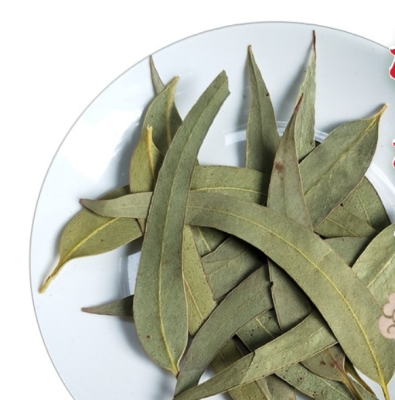
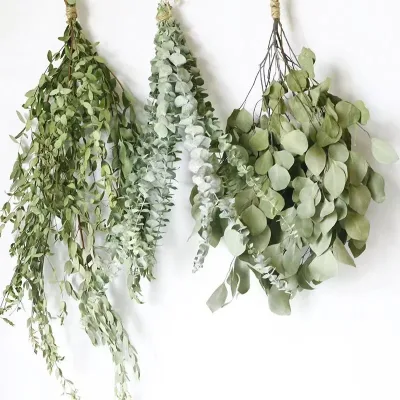
Premium Quality Products From Trusted Chinese Suppliers Dried Eucalyptus Leaves
$4.00 - $5.00
MOQ: 1 Bunches


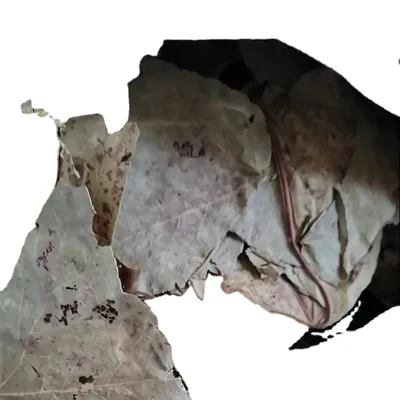
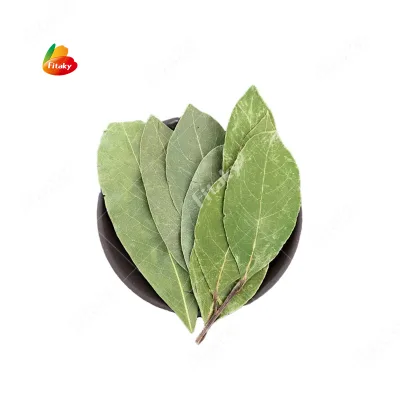
Green Color Natural Maple Leaf Real Genuine Whole Dried Maple Leaves for Herb
$15.32 - $31.87
MOQ: 1 kilograms





Comprehensive Sourcing Guide
Strategic Sourcing Guide for Preserved Air Dried Maple Leaves
Understanding Product Specifications and Variants
When initiating a procurement strategy for Preserved Air Dried Maple Leaves, the buyer must first navigate the diverse range of product attributes available in the global market. The core keyword implies a specific botanical origin, yet the actual supply chain offers significant variation in form, processing, and intended application. Based on current market observations, the primary material is consistently identified as maple tree leaves, specifically categorized under the variety "maple tree" with the part used being the leaf. The processing type is predominantly "Raw," indicating that the leaves undergo minimal chemical alteration beyond the drying process, which preserves their natural structure and color.
A critical distinction in this category lies in the physical state of the product. The market data indicates a split between "Whole" and "Sliced" formats, though the specific product model "GP-356" is explicitly associated with "slices" and a content description of "Herb." Conversely, other listings emphasize the "Whole" shape with a "Piece" classification. This variance suggests that buyers must clearly define whether they require intact foliage for structural decoration or processed pieces for culinary or craft infusion. The color profiles observed range from "Yellow" to "Green," reflecting different stages of preservation or specific cultivar selection. Furthermore, the fragrance profile presents a notable contradiction in the data; while one attribute lists "Fragrance" as a characteristic, another explicitly states "Unscented." This discrepancy highlights the necessity for buyers to verify the olfactory properties of specific lots, as the natural scent of dried maple can vary based on the drying environment and storage conditions.
The physical dimensions of the product are equally critical for logistics and design integration. Standard specifications observed include a model designation of "D337" and another set of dimensions listed as "100cm40cm*40cm," which likely refers to packaging volume rather than individual leaf size. For individual units, the single package size is recorded as "22X33X22 cm," providing a baseline for estimating container utilization. The weight per unit is consistently noted around 1.000 kg for the single gross weight, which is essential for freight cost calculations. Understanding these specifications is the first step in aligning product selection with the buyer's specific project requirements, whether for large-scale event decoration or small-batch retail packaging.
Compliance, Certification, and Regulatory Verification
In the B2B procurement of botanical products, compliance and certification are paramount to ensuring market access and consumer safety. The supplied data indicates that the product is classified as "non Organic," which immediately informs the buyer that the cultivation and processing methods do not meet organic certification standards. This is a crucial piece of information for buyers targeting markets with strict organic labeling requirements. Consequently, procurement teams must verify if the product meets other relevant regulatory standards for dried botanicals in their target jurisdiction, such as food safety regulations if the leaves are intended for culinary use, or general safety standards for decorative items.
The origin of the product is listed as "China," with specific mentions of "Fujian, China" and "Bozhou China." While "China Kunming" is also cited, the presence of multiple origin points suggests a fragmented supply chain or a broad sourcing network. Buyers must verify the specific place of origin for each order, as regional agricultural practices and environmental conditions can influence the quality and potential presence of contaminants. The address "Bozhou China" further points to a specific sourcing hub, but without a verified supplier name, this information serves only as a geographical reference point for due diligence.
Regarding certifications, the provided facts do not list any specific third-party certifications such as ISO, HACCP, or GMP. The absence of such data means that buyers cannot assume compliance with international quality management systems. Instead, the procurement strategy must include a requirement for the supplier to provide current test reports or certificates of analysis (COA) upon request. These documents should verify the absence of pesticides, heavy metals, and microbial contamination, particularly given the "Raw" processing type. The "Shelf Life" is stated as "1 year," which implies a defined expiration timeline. Buyers must ensure that the product received meets this shelf-life guarantee and that the storage conditions, specified as "Cool and dry," are maintained throughout the supply chain to prevent degradation before the product reaches the end user.
Cost Drivers and Pricing Dynamics
The pricing structure for Preserved Air Dried Maple Leaves is influenced by several interconnected factors, including material grade, packaging, and logistics. The observed price range in the market spans from $0.90 to $31.87 USD. This wide variance is not necessarily indicative of quality differences alone but reflects the diversity in product specifications, order volumes, and packaging methods. The "High" grade designation suggests that premium pricing is associated with superior leaf integrity, color consistency, and freedom from defects. However, buyers should be cautious not to equate the highest price with the best value without a thorough assessment of the specific product attributes required for their application.
Packaging plays a significant role in cost determination. The data reveals two distinct packaging types: "Vacuum Packaging" and "Carton." Vacuum packaging is typically more expensive due to the additional materials and machinery required, but it offers superior protection against moisture and oxidation, which is critical for maintaining the "Long-lasting" durability of the dried leaves. In contrast, "Carton" packaging is a standard solution that may be more cost-effective but offers less protection against environmental factors. The choice of packaging will directly impact the final landed cost and the product's shelf life during transit.
Logistics and shipping methods are also major cost drivers. The observed delivery time is listed as "20 Days," which provides a baseline for supply chain planning. However, the shipping method varies, with "by Air" noted as a specific attribute for certain models. Air freight significantly increases the unit cost compared to sea freight but reduces the lead time and risk of damage during transit. The "MOQ" (Minimum Order Quantity) range of 1 to 1000 units offers flexibility for buyers of all sizes. Small buyers can start with low quantities, while larger enterprises can leverage economies of scale by ordering in bulk. Buyers must calculate the total cost of ownership, including freight, insurance, and potential customs duties, rather than focusing solely on the unit price. The "1 year" shelf life also influences cost, as it allows for strategic stockpiling, potentially reducing the frequency of orders and associated administrative costs.
Typical Applications and Usage Scenarios
The versatility of Preserved Air Dried Maple Leaves makes them suitable for a wide array of applications, ranging from home decoration to festival preparations. The "Usage" attributes explicitly list "Home Decoration," "Garden," and "Festival," indicating that the product is primarily marketed as a decorative element. The "Style" is described as "Bouquet" and "Floral," suggesting that these leaves are often used to create arrangements that mimic natural foliage. The "Evergreen" feature, although somewhat contradictory to the nature of dried leaves, likely refers to the color retention capabilities of the preservation process, ensuring the leaves remain visually appealing for extended periods.
In the context of festivals, the leaves are particularly relevant for autumn-themed events, given their natural association with the maple tree and the changing seasons. The "Traditional Chinese Rice-Pudding" attribute suggests a potential culinary application, although this is an unusual use for maple leaves and may refer to a specific regional tradition or a misclassification in the product listing. Buyers intending to use these leaves for food-related purposes must exercise extreme caution and verify the "Ingredients" status, which is listed as "No" in some contexts, potentially indicating they are not intended for direct consumption. If the product is for culinary use, it must be confirmed that it is food-grade and free from preservatives that are not approved for food contact.
For home and garden decoration, the "Nature" property and "Fragrance" (or lack thereof) are key selling points. The leaves can be used to create wreaths, centerpieces, or wall art. The "Dried Flower" classification further supports their use in floral arrangements where longevity is preferred over freshness. The "Green" and "Yellow" color options allow for customization to match specific interior design themes. The "Single Herbs & Spices" product type indicates that some listings may position these leaves as ingredients for herbal teas or infusions, although the "non Organic" status and "Raw" processing require careful vetting for this specific use case. Understanding these diverse applications helps buyers identify the most suitable product variants for their specific market segments.
Supplier Evaluation and Selection Criteria
Selecting the right supplier for Preserved Air Dried Maple Leaves requires a rigorous evaluation process that goes beyond the basic product specifications. The data provided lists several potential identifiers, including "Manufacturer: Swanf" and "Brand Name: Rivercense," but the instruction is to avoid recommending specific entities. Instead, buyers should use these names as examples of the types of identifiers they should look for in supplier profiles. A reliable supplier should be able to provide clear documentation regarding their manufacturing capabilities, quality control processes, and supply chain transparency.
The "Wild/cultivation" attribute is listed as "farm," which is a positive indicator for consistency and sustainability. Buyers should verify that the supplier sources their leaves from controlled agricultural environments rather than wild harvesting, which can lead to supply inconsistencies and environmental concerns. The "Collect from: China" attribute confirms the geographical origin, but buyers should demand detailed information about the specific farms or regions involved. This transparency is crucial for assessing the ethical and environmental impact of the sourcing.
When evaluating suppliers, buyers should also consider the "Instruction for use" provided. The listing of "Herb" as an instruction suggests that the supplier may have experience in the herbal industry, which could be beneficial for buyers looking for high-quality, processed botanicals. However, the "Ingredients: No" attribute creates ambiguity that must be resolved through direct communication. A trustworthy supplier will be able to clarify whether the product is intended for decorative or consumable use and provide the necessary safety data sheets.
The "Deliver Time" of 20 days is a standard metric for supplier reliability. Buyers should assess whether this lead time is consistent across different seasons and order volumes. Suppliers who can consistently meet delivery deadlines demonstrate operational efficiency and reliability. Additionally, the "Storage Type" requirement of "Cool and dry" conditions should be a prerequisite for the supplier's warehousing facilities. Buyers should request photos or audits of the storage environment to ensure that the product is not exposed to humidity or extreme temperatures that could compromise its quality.
Quality Control and Long-Term Procurement Strategy
Maintaining high quality standards for Preserved Air Dried Maple Leaves requires a robust quality control (QC) framework. The "Durability" attribute is listed as "Long-lasting," which is a key performance indicator for the product. However, this claim must be validated through independent testing. Buyers should establish clear acceptance criteria for color retention, structural integrity, and freedom from pests or mold. The "Shelf Life" of 1 year provides a benchmark for QC testing, ensuring that the product remains viable throughout its intended lifespan.
The "Processing Type: Raw" implies that the leaves are minimally processed, which reduces the risk of chemical contamination but increases the sensitivity to environmental factors. QC protocols should include regular sampling and testing for moisture content, as excessive moisture can lead to mold growth during storage. The "Vacuum Packaging" option offers a solution to this risk, and buyers should verify that the vacuum seals are intact upon receipt. For products packaged in "Carton" or "by Air," additional protective measures may be necessary to prevent damage during transit.
Long-term procurement strategies should focus on building strong relationships with suppliers who demonstrate consistency and transparency. The "Customization: Available" attribute is a significant advantage for buyers seeking tailored solutions. Whether it involves specific leaf sizes, color treatments, or packaging formats, the ability to customize allows buyers to differentiate their products in the market. However, customization should be balanced with the risk of supply chain complexity. Buyers should start with small pilot orders to test the supplier's ability to meet custom specifications before scaling up.
The "MOQ" range of 1 to 1000 units offers flexibility for long-term planning. Buyers can start with low-volume orders to test the market and then gradually increase volumes as demand grows. This approach minimizes risk and allows for adjustments in the product mix based on customer feedback. Additionally, the "1 year" shelf life allows for strategic inventory management, enabling buyers to stock up during periods of low demand or favorable pricing.
In conclusion, sourcing Preserved Air Dried Maple Leaves requires a comprehensive understanding of product specifications, compliance requirements, cost drivers, and supplier capabilities. By adhering to a disciplined procurement strategy that prioritizes quality control and transparency, buyers can secure a reliable supply of high-quality botanicals that meet their specific market needs. The diverse range of applications, from home decoration to festival use, underscores the versatility of this product, making it a valuable addition to any B2B procurement portfolio.
FAQs
What is the typical shelf life for these dried leaves?
The shelf life is one year when stored correctly. Buyers must ensure the product is kept in a cool and dry environment to maintain its long-lasting durability and prevent degradation before the expiration date.
Can I find these leaves in a vacuum packaged format?
Yes, vacuum packaging is an available option for this product. This method offers superior protection against moisture and oxidation compared to standard carton packaging, ensuring the leaves remain intact during transit.
Which specifications define the standard product dimensions?
Standard specifications include model D33*7 and a single package size of 22X33X22 cm. These dimensions help buyers estimate container utilization and plan logistics for shipping the dried botanicals effectively.
How long does delivery typically take from China?
The standard delivery time is 20 days from the point of origin. This timeline applies to shipments originating from locations such as Fujian or Kunming in China, depending on the specific supplier selected.
Are these leaves certified as organic products?
No, the product is classified as non-organic based on available facts. Buyers targeting markets with strict organic labeling requirements must verify if alternative certifications exist or select different product lines entirely.
What is the minimum order quantity for these items?
The minimum order quantity ranges from 1 to 1000 units depending on the supplier. This flexibility allows small buyers to start with low quantities while larger enterprises can leverage economies of scale for bulk orders.
Can the product be customized for specific orders?
Customization is available for this product line. Buyers should discuss specific requirements regarding packaging, dimensions, or processing type directly with the manufacturer to ensure the final output meets their project needs.