Source Press Spray Perfume Bottle for Cosmetics, Personal Care, and Gift
Find and compare 30 Press Spray Perfume Bottle options from verified suppliers. Buyers can evaluate glass materials, pump sprayers, and customization services for cosmetics and personal care applications.
Key considerations
Products List


Perfume Crystal Bottle Glass Perfume Bottles Empty Perfume Spray Bottles
$0.25 - $0.39
MOQ: 10000 Pieces

Perfume Crystal Bottle Glass Perfume Bottles Empty Perfume Spray Bottles
$0.25 - $0.39
MOQ: 10000 Pieces

Perfume Crystal Bottle Glass Perfume Bottles Empty Perfume Spray Bottles
$0.25 - $0.39
MOQ: 10000 Pieces


Spray Bottle Perfume Perfume Glass Bottle Crystal Glass Perfume Bottle
$0.25 - $0.35
MOQ: 10000 Pieces



Comprehensive Sourcing Guide
Strategic Sourcing Guide for Press Spray Perfume Bottles
Understanding Technical Specifications and Material Composition
When sourcing press spray perfume bottles, the primary focus must be on the intersection of material integrity, functional design, and aesthetic customization. The core product category typically involves glass containers paired with various closure mechanisms designed to deliver a fine mist. Based on available market data, the primary material for the bottle body is glass, which offers superior chemical resistance and clarity compared to plastic alternatives. This material choice is critical for preserving the volatile aromatic compounds found in perfumes and high-end cosmetics.
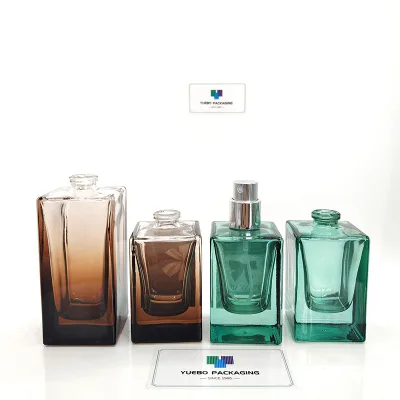
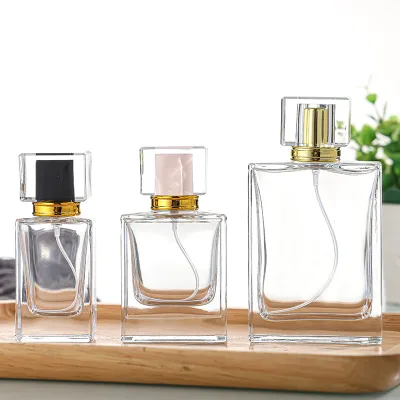
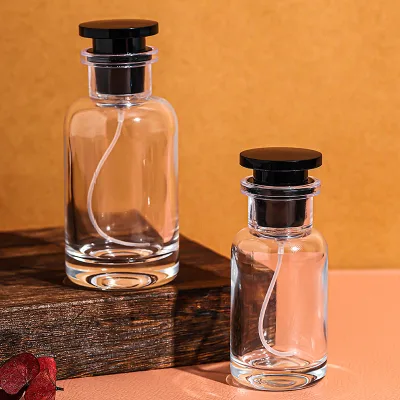
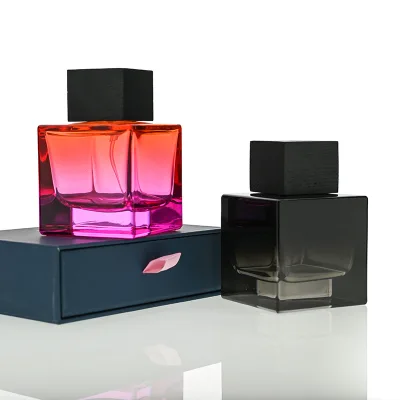
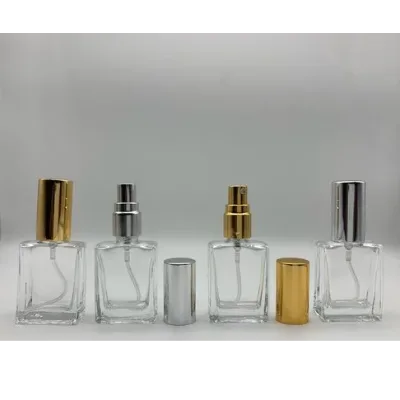
The physical dimensions of these bottles vary significantly to accommodate different market segments. Observed volume standards include specific increments such as 30ml, 50ml, 60ml, 65ml, 75ml, 80ml, 100ml, and larger capacities extending up to 500ml or 600ml. Buyers must verify the exact volume standard required for their specific product line, as the industry supports both fixed volumes like 100ml and custom volume requests. The shape of the bottle is another critical specification, with square and round profiles being the most common configurations. Square bottles often convey a modern, minimalist aesthetic, while round bottles are traditional and ergonomic.
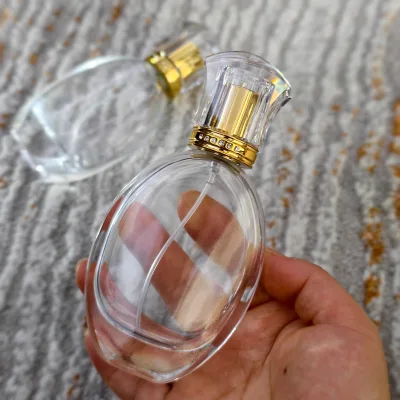
The closure system is equally vital. The "press spray" mechanism typically utilizes a pump sprayer, which is distinct from other sealing types. The cap material can vary widely, including options such as ABS, PP, wooden finishes, Surlyn, acrylic, plastic, Zamac, or leather. This variety allows for significant customization to match brand identity. Furthermore, the bottleneck design is a technical constraint that must be matched with the pump head; common types include narrow mouth bottles and crimp necks. Surface handling processes, such as matte finishes or screen printing, add a layer of tactile and visual differentiation. Buyers should note that while some products are transparent, others may offer any color option, requiring specific verification of color consistency during the sampling phase.
Compliance, Certification, and Environmental Standards
In the global cosmetics and personal care market, regulatory compliance and environmental responsibility are non-negotiable prerequisites for successful procurement. The sourcing of perfume bottles requires a rigorous verification of standards to ensure the packaging does not compromise product safety or violate international trade regulations.
One of the most frequently cited standards in the supply chain for these products is the SGS certification. Buyers must explicitly request proof of SGS testing to validate that the materials used in the glass and the plastic components meet safety thresholds for food and cosmetic contact. This verification is essential to prevent contamination and ensure the chemical stability of the perfume within the bottle. Beyond material safety, the environmental impact of the packaging is a growing concern. Many suppliers now highlight features such as "recyclable" and "degradable" attributes. While these terms are commonly observed in product listings, buyers should not assume universal compliance. Instead, they must request specific documentation regarding the recyclability of the glass and the specific polymer types used in the pump and cap components.
The production origin is another factor influencing compliance. A significant portion of these products originates from China, with specific manufacturing hubs noted in regions like Jiangsu. While this location offers competitive manufacturing capabilities, it necessitates a thorough review of local environmental regulations and export compliance standards. Buyers should verify that the supplier adheres to international environmental directives, particularly regarding the disposal of glass waste and the handling of chemical residues during the screen printing or matte finishing processes.
Additionally, the "Industrial Use" classification often lists "Cosmetic," which implies adherence to Good Manufacturing Practices (GMP) relevant to the beauty industry. Although specific certification numbers are not universally standardized across all listings, the presence of a standard like SGS serves as a baseline indicator of quality control. Buyers must ensure that the supplier's quality management system is certified and that the specific batch of bottles being ordered has undergone the necessary testing for the intended application, whether it is for personal care products or luxury gift items.
Cost Drivers and Pricing Dynamics
The pricing structure for press spray perfume bottles is influenced by a complex array of variables, ranging from raw material costs to the intricacies of customization. The observed price range in the market spans from $0.05 to $1.50 USD per unit, a wide spectrum that reflects the diversity in quality, volume, and finish.
The most significant cost driver is the material composition. Glass bottles generally command a higher price point than plastic alternatives due to the raw material cost and the energy-intensive manufacturing process. Within the glass category, the thickness of the glass and the clarity of the finish can further influence the unit price. The cap material also plays a substantial role; caps made from premium materials like wood, Zamac, or leather will significantly increase the overall cost compared to standard ABS or PP plastic caps.
Customization is another major factor affecting pricing. While standard products may fall at the lower end of the price spectrum, items requiring custom shapes, specific colors, or specialized surface treatments like screen printing or matte finishes will incur additional charges. The "Customization: Available" attribute indicates that buyers can tailor the product, but this flexibility comes with a cost premium. The complexity of the design, such as the specific shape (square vs. round) or the bottleneck type, also impacts the tooling and production time, thereby influencing the final price.
Volume is a critical determinant in the final cost per unit. The Minimum Order Quantity (MOQ) varies widely, with observed ranges from 5 units to 10,000 units. High-volume orders, such as those requiring 10,000 pieces, often benefit from economies of scale, potentially lowering the unit cost. Conversely, smaller orders may face higher per-unit prices due to the fixed costs of setup and production line changes. Buyers must balance their inventory needs with their budget constraints, understanding that a lower MOQ might be necessary for prototyping or niche products, while larger orders are required to achieve the most competitive pricing.
Typical Applications and Market Segmentation
Press spray perfume bottles serve a diverse range of applications, primarily centered around the cosmetics, personal care, and luxury gift sectors. The versatility of these products allows them to be utilized across various market segments, from mass-market personal care items to high-end luxury perfumes.
The primary application is in the perfume industry, where the bottle serves as both a container and a key element of brand identity. The "Perfume Bottle" and "Perfume Glass Bottle" classifications highlight this specific use case. The press spray mechanism is essential for delivering the fragrance in a controlled mist, ensuring the product is applied evenly and efficiently. The "Usage" attribute frequently lists "Perfume," "Cosmetics," and "Personal Care Product," indicating the broad applicability of these containers.
In the personal care sector, these bottles are used for a variety of products, including facial mists, toners, and body sprays. The "Application" field often includes "Gift," suggesting that these bottles are frequently packaged as part of gift sets or promotional items. The aesthetic flexibility of the bottles, with options for different shapes, colors, and surface finishes, makes them ideal for creating unique gift packaging. The "Age Group" is typically listed as "Adult," aligning with the primary demographic for perfume and high-end cosmetic products.
The "Industrial Use" classification further reinforces the focus on the cosmetic industry. Whether for a small boutique brand or a large multinational corporation, the ability to customize the bottle's appearance allows brands to differentiate themselves in a crowded market. The "Feature" of being recyclable also appeals to eco-conscious consumers, making these bottles suitable for brands that prioritize sustainability in their marketing and product lines.
Supplier Evaluation and Selection Criteria
Selecting the right supplier for press spray perfume bottles requires a comprehensive evaluation of their capabilities, reliability, and alignment with the buyer's specific needs. The supplier landscape includes manufacturers with varying levels of specialization, from those offering standard off-the-shelf products to those providing extensive customization services.
One of the first criteria to evaluate is the supplier's capacity for customization. The "Customization: Available" and "Other Service: Customized Service" attributes indicate that many suppliers are willing to adapt their products to meet specific requirements. Buyers should assess the extent of this customization, including the ability to modify bottle shapes, colors, cap materials, and surface treatments. The "Brand Name" attribute, such as "Olila," suggests that some suppliers may offer white-label or private-label services, which can be beneficial for buyers looking to build their own brand identity.
Lead time and delivery capabilities are also critical factors. The observed lead time for production is approximately 20 days, but this can vary based on the complexity of the order and the supplier's current workload. Buyers should verify the specific lead time for their order and ensure it aligns with their production schedule. The delivery location, often cited as Shanghai, is a major logistics hub, which can facilitate efficient shipping to global markets. However, buyers should confirm the specific shipping terms and the reliability of the supplier's logistics partners.
Sample availability is another important consideration. The "Sample: Samples Are Free" attribute is a significant advantage, allowing buyers to evaluate the quality of the product before committing to a large order. Buyers should request samples to test the functionality of the pump sprayer, the clarity of the glass, and the quality of the surface finish. This hands-on evaluation is essential for ensuring that the product meets the buyer's expectations.
Finally, the supplier's quality control processes should be thoroughly reviewed. The presence of standards like SGS indicates a commitment to quality, but buyers should also inquire about the supplier's internal quality control measures, including inspection protocols and defect rates. A supplier with a robust quality control system is more likely to deliver consistent, high-quality products that meet the buyer's standards.
Quality Control and Long-Term Procurement Considerations
Ensuring consistent quality in press spray perfume bottles requires a proactive approach to quality control and a strategic view of long-term procurement. The quality of the bottle directly impacts the consumer experience and the brand's reputation, making it a critical area of focus.
Quality control should begin at the raw material stage. Buyers must verify that the glass used is free from defects such as bubbles, cracks, or inclusions. The cap materials should also be inspected for durability and compatibility with the pump mechanism. The "Surface Handling" processes, such as screen printing and matte finishes, should be checked for consistency and adhesion. Any defects in these areas can lead to product failure or a poor consumer experience.
Functional testing is another essential component of quality control. The pump sprayer must be tested for its ability to deliver a fine, even mist without leaking or clogging. The "Sealing Type" of the pump sprayer should be verified to ensure it provides a secure seal that prevents evaporation and contamination. Buyers should also test the bottle's resistance to chemical reactions with the perfume formula to ensure that the glass and plastic components do not degrade over time.
Long-term procurement considerations involve building a sustainable relationship with the supplier. This includes establishing clear communication channels, agreeing on quality standards, and setting expectations for delivery times and order volumes. The "MOQ" of 10,000 pieces for some suppliers may require a long-term commitment, so buyers should ensure that their demand forecasts are accurate and that they can maintain a steady order volume.
Additionally, buyers should consider the environmental impact of their procurement decisions. The "Feature" of being recyclable and degradable is a positive attribute, but buyers should verify the supplier's commitment to sustainability. This may include using eco-friendly packaging, reducing waste in the production process, and sourcing materials from sustainable suppliers. By prioritizing sustainability, buyers can align their procurement strategy with the growing consumer demand for environmentally responsible products.
In conclusion, sourcing press spray perfume bottles requires a careful balance of technical specifications, compliance, cost management, and supplier evaluation. By focusing on these key areas, buyers can secure high-quality products that meet their specific needs and contribute to the success of their brand.
FAQs
What materials are used for press spray perfume bottles?
The primary material for the bottle body is glass, which offers superior chemical resistance. The cap material can vary widely, including options such as ABS, PP, wooden finishes, Surlyn, acrylic, plastic, Zamac, or leather to match brand identity.
Which volume standards are available for these bottles?
Standard volume increments include 30ml, 50ml, 60ml, 65ml, 75ml, 80ml, 100ml, and larger capacities extending up to 600ml. Buyers can also request custom volume standards to accommodate specific product line requirements.
Can I get samples of press spray perfume bottles?
Samples are available and are typically free of charge. Buyers should request samples to test the functionality of the pump sprayer, the clarity of the glass, and the quality of the surface finish before committing to a large order.
What certifications verify the safety of these bottles?
The SGS certification is frequently cited to validate that materials meet safety thresholds for cosmetic contact. Buyers must explicitly request proof of SGS testing to ensure the packaging does not compromise product safety or violate trade regulations.
How long is the lead time for production?
The observed lead time for production is approximately 20 days. This duration can vary based on the complexity of the order, the specific customization required, and the supplier's current workload.
What is the minimum order quantity for these bottles?
The minimum order quantity varies widely, with observed ranges from 5 units to 10,000 units. High-volume orders often benefit from economies of scale, while smaller orders may face higher per-unit prices due to setup costs.
Where are these bottles manufactured?
A significant portion of these products originates from China, with specific manufacturing hubs noted in regions like Jiangsu. The delivery location is often cited as Shanghai, which serves as a major logistics hub for global shipping.