Source Press Fit Ball Plunger for Industrial Fixtures
Find 30 Press Fit Ball Plunger options for industrial fixtures, jigs, and assembly lines. Compare stainless steel and zinc-plated variants with metric and inch sizes. Review customization, OEM services, and delivery times to select the right components for your manufacturing needs.
Key considerations
Products List


Press Fit Spring Ball Plunger POM/PP Nylon Ball Spring Plunger for Loading
$0.12 - $0.25
MOQ: 500 Pieces


Factory Supply Press Fit Ball Plunger Plastic / Steel /Brass/Stainless Steel
$0.12 - $0.25
MOQ: 500 Pieces

Carbon Steel Threaded Ball Plunger with Nylon Patching Long Nose Ball Plunger
$0.12 - $0.25
MOQ: 500 Pieces


Custom Machined Brass Double Ended Press-Fit Ball Plunger Spring Plunger
$0.60 - $0.68
MOQ: 1000 Pieces
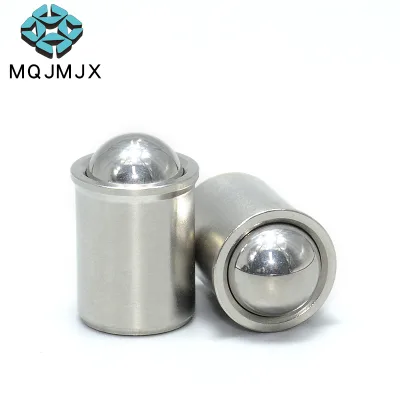


4X10mm Stainless Steel Spring Plunger Nylon Ball Press Fit Ball Plungers
$0.02 - $0.03
MOQ: 1000 Pieces
Comprehensive Sourcing Guide
Press Fit Ball Plunger Sourcing Guide
Product Scope and Observed Listing Signals
The Press Fit Ball Plunger market features a diverse array of components, including stud-type fasteners and specialized plunger mechanisms designed for secure retention and positioning. Buyers will encounter various model designations such as ZFNB, ZFNT, and BPRL, which often indicate specific head styles, drive types, or material compositions. These variations allow engineers to select parts that match precise mechanical requirements, ranging from round heads to hexagonal configurations suitable for different tooling needs.
Observed listing signals reveal a wide price range from $0.02 to $1.79 USD, reflecting differences in material grade, surface treatment, and order volume. Minimum order quantities typically span from 10 to 10,000 units, with some suppliers offering lower MOQs for customized orders. The presence of OEM services and customization options suggests that many manufacturers are equipped to handle bespoke requirements, allowing buyers to tailor specifications like size, length, and ball material to their specific assembly constraints.
Technical Specifications to Verify
Verifying technical specifications is critical for ensuring compatibility with existing assembly processes. Key attributes to confirm include the drive type, which may be hex socket or slotted, and the head style, such as round or hexagonal. The standard sizes often cited include metric and inch measurements, with specific standards like DIN or customer-specific requirements. Buyers must also verify the length, which can range from 3 to 34mm or be fully customized, to ensure proper engagement with the mating hole.
Material selection significantly impacts performance and durability. Common materials include stainless steel for corrosion resistance and hardened steel for the ball itself, though brass and plastic options are also available for specific applications. Surface treatments like zinc plating, plain finish, or black oxide provide additional protection against wear and environmental factors. It is essential to confirm the ball material and surface treatment to prevent premature failure or galling in high-cycle applications.
Compliance and Safety Documentation
Compliance documentation ensures that components meet international quality and safety standards. Many suppliers provide certifications such as ISO, GS, and RoHS, which indicate adherence to rigorous manufacturing and environmental regulations. Buyers should request these certificates to verify that the products are suitable for use in regulated industries, particularly those with strict environmental or safety requirements. The presence of ISO certification often correlates with consistent quality control processes and reliable production standards.
Safety considerations extend beyond certification to include the physical integrity of the plunger under load. While specific test results are not always listed, buyers should inquire about the hardness of the ball material and the tensile strength of the stud. Ensuring that the product meets the required pressure fit standards is crucial for maintaining secure retention in dynamic applications. Documentation should also cover any relevant industry-specific standards that may apply to the end-use environment, such as automotive or medical device regulations.
Cost Drivers and Commercial Terms
Several factors influence the final cost of press fit ball plungers, including material costs, surface treatment complexity, and order volume. The observed price range suggests that economies of scale play a significant role, with lower unit prices available for larger orders. Customization, such as specific lengths or unique head styles, may incur additional setup fees or higher per-unit costs. Buyers should negotiate pricing based on projected annual volumes to secure more favorable terms.
Commercial terms also include lead times and delivery methods. Typical lead times range from 3 to 7 days for standard items, with longer periods of 30-40 days for customized orders. Delivery options vary, including express services via FedEx, UPS, DHL, or TNT, as well as sea and air freight for larger shipments. Understanding these timelines is essential for inventory planning, especially when dealing with customized components that require longer production cycles.
Supplier Qualification and Quality Control
Supplier qualification involves assessing their manufacturing capabilities and quality assurance processes. Many suppliers offer 100% inspection, which is a strong indicator of their commitment to quality. Buyers should verify that the supplier has a robust quality control system in place, including in-process checks and final inspections. The origin of the products, often listed as China or Shenzhen, should be considered alongside the supplier’s track record and reputation in the industry.
OEM capabilities are another important factor, as they indicate the supplier’s ability to produce custom parts to specific drawings. Buyers should confirm that the supplier has the necessary equipment and expertise to handle complex geometries and tight tolerances. Additionally, checking for certifications like ISO can provide assurance that the supplier follows standardized quality management practices. It is advisable to request samples before placing large orders to verify the quality and fit of the components.
Long-Term Procurement Checks
Long-term procurement success depends on establishing a reliable supply chain and maintaining consistent quality over time. Regular audits of the supplier’s production processes and quality control measures can help identify potential issues before they impact production. Buyers should also monitor changes in material costs and market conditions that may affect pricing and availability. Building a strong relationship with the supplier can facilitate better communication and more flexible terms during periods of high demand.
Continuous improvement initiatives should be encouraged, such as feedback loops for product performance and suggestions for design optimizations. Tracking key performance indicators like defect rates, delivery times, and responsiveness to issues can provide valuable insights into the supplier’s reliability. By maintaining open communication and setting clear expectations, buyers can ensure that their Press Fit Ball Plunger supply remains stable and cost-effective over the long term.
FAQs
What materials are used for Press Fit Ball Plunger balls?
The ball material options include steel hardened, brass, and plastic variants. These materials are selected based on specific application requirements such as corrosion resistance or friction levels. The plunger body is typically made from stainless steel to ensure durability and structural integrity during repeated use in industrial settings.
Can I get customized sizes for these plunger components?
Yes, customization is available for both metric and inch sizes. The length can be tailored to specific needs, ranging from 3mm to 34mm or other custom dimensions. This flexibility allows buyers to find exact fits for their machinery without compromising on the standard press fit functionality required for secure locking.
What certifications do these stainless steel plungers hold?
These components hold ISO, GS, and RoHS certifications. These standards ensure that the manufacturing process meets international quality and safety requirements. The use of stainless steel and proper surface treatments like zinc plating or black oxide further supports compliance with environmental and material safety regulations for global supply chains.
How long is the lead time for production?
The production lead time is typically 3 to 7 days. This rapid turnaround supports urgent procurement needs for industrial components. Once produced, delivery takes around 7 days via express couriers like FedEx or UPS, ensuring that buyers receive their customized or standard press fit ball plungers quickly and efficiently.
What is the minimum order quantity for these items?
The minimum order quantity varies, with some listings starting at 500 pieces. Other options may require up to 10,000 units depending on the specific model and customization level. Buyers should negotiate pricing and MOQ directly with suppliers to align with their production volume and budget constraints for bulk purchasing.
Which head styles are available for these plunger types?
Available head styles include round and hexagonal configurations. The hexagonal style often features a hex socket or slotted drive for easier installation and torque application. These design variations allow for versatile mounting options in different mechanical assemblies, ensuring secure attachment and reliable performance in various industrial environments.