Source Press On Nails for Salon, Gift, and Art Decoration
Compare 30 listings of Press On Nails featuring full cover designs, acrylic materials, and customization options. Buyers can evaluate styles like ballerina and coffin shapes, along with OEM support and various color choices for finger beauty applications.
Key considerations
Products List







Comprehensive Sourcing Guide
Press On Nails Sourcing Guide
Sourcing press-on nails requires a nuanced understanding of the intersection between cosmetic aesthetics and manufacturing precision. These products, often categorized as artificial fingernails or false nails, serve as a convenient alternative to traditional salon manicures, offering immediate decoration and style enhancement for fingers. The market has evolved from simple plastic tips to sophisticated full-cover designs that mimic natural nail beds, allowing for intricate art, such as ink flower strips or ballerina shapes, to be applied directly to the user’s natural nails. Buyers must recognize that this category spans from basic utility items to high-fashion accessories, where customization and branding play a pivotal role in value proposition.
The procurement landscape for press-on nails is characterized by significant variability in material composition, packaging, and customization capabilities. Suppliers frequently offer OEM and ODM services, enabling brands to create private-label products that align with specific market trends. This guide provides a structured approach to evaluating suppliers, verifying technical specifications, and ensuring compliance with safety standards. By focusing on evidence-based verification and commercial due diligence, buyers can mitigate risks associated with quality inconsistencies and regulatory non-compliance, ensuring a successful sourcing strategy for this dynamic product category.
Product Scope and Observed Listing Signals
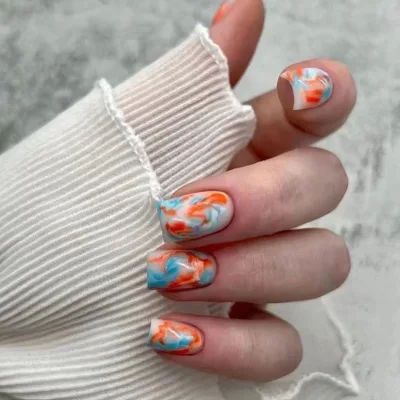
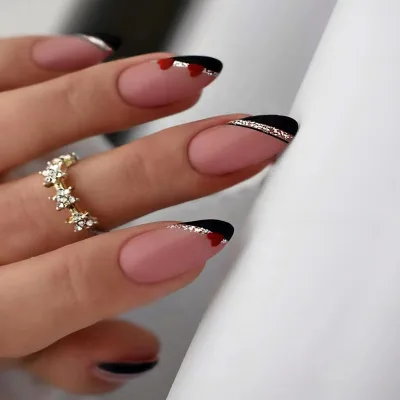
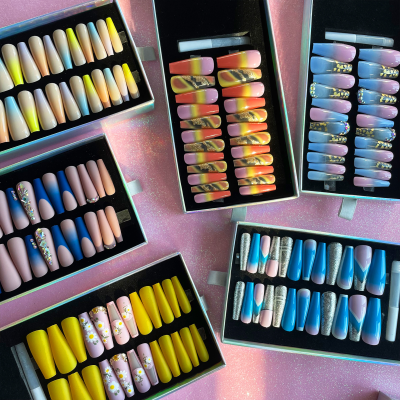
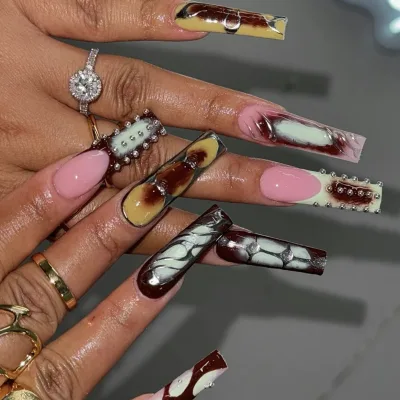
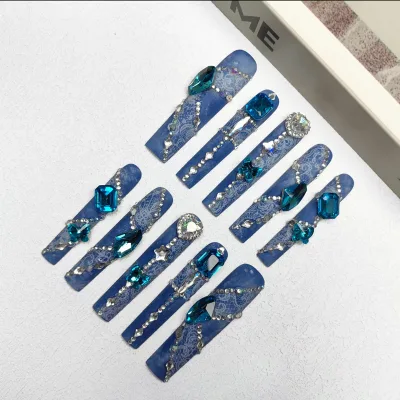
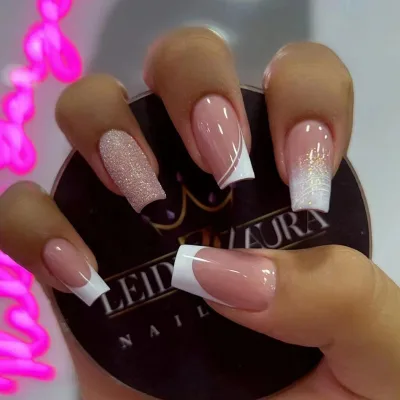
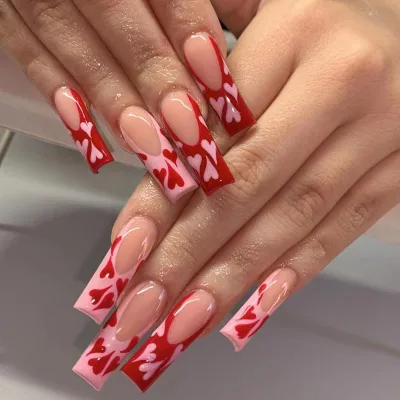
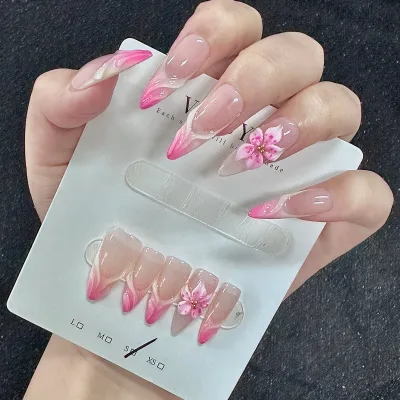
The observed product range for press-on nails includes a variety of styles, such as long ballerina, coffin, and full-cover designs, often featuring pre-designed patterns like ink flowers or customizable color options. Materials cited in listings include high-quality ABS acrylic and eco-friendly ABS, indicating a shift towards durable yet lightweight plastics that can withstand daily wear while maintaining aesthetic integrity. The presence of multiple color codes, ranging from natural tones to vibrant multi-color options, suggests that suppliers offer extensive palettes to cater to diverse consumer preferences and seasonal trends. Buyers should note that while "natural" is listed as a color option, the actual appearance may vary based on the underlying nail bed, making sample verification essential.
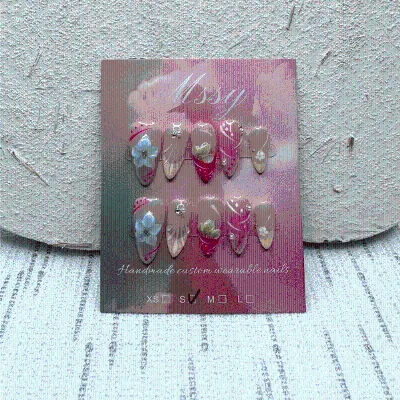
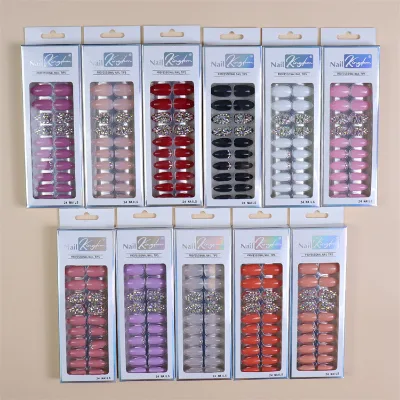
Packaging and presentation are critical differentiators in this category, with many suppliers offering sets that include not only the nails but also adhesive solutions such as jelly gel sheets or glue. Typical packaging dimensions and weights, such as a single package size of 14x7x1.5 cm and a gross weight of 0.020 kg, provide insights into logistics planning and shipping cost calculations. The use of white or color boxes with plastic trays indicates a focus on product protection and retail readiness. However, buyers must verify if these packaging details are standard or customizable, as private labeling often requires specific box dimensions and branding elements that may impact storage and shipping efficiency.
Technical Specifications to Verify
Material composition is a primary technical specification that directly impacts the durability and safety of press-on nails. Buyers should verify whether the nails are made from standard ABS plastic, high-quality acrylic ABS, or eco-friendly alternatives, as these materials differ in flexibility, strength, and environmental impact. The thickness and curvature of the nails, particularly for full-cover designs, must be consistent to ensure a comfortable fit and secure adhesion. Suppliers often provide model numbers, such as 775 or R078/R079/R080, which can help in tracking specific product variations, but buyers should request detailed technical drawings or physical samples to confirm that the material thickness and shape meet their quality standards.
Adhesion and application methods are another critical technical aspect that requires careful verification. The inclusion of jelly gel sheets or glue in the packaging suggests that the nails are designed for semi-permanent wear, but the longevity and removal process can vary significantly between products. Buyers should inquire about the type of adhesive used and whether it is suitable for sensitive skin or specific nail types. Additionally, the precision of the nail shape, such as the ballerina or coffin style, must be consistent across the set to ensure a uniform appearance. Testing the fit and hold of samples under various conditions, such as exposure to water or heat, can provide valuable insights into the product's performance and reliability.
Compliance and Safety Documentation
Safety and regulatory compliance are paramount when sourcing cosmetic products like press-on nails, which come into direct contact with the user's body. Certifications such as CE and MSDS (Material Safety Data Sheet) are commonly cited, indicating that the products meet certain European safety and chemical handling standards. Buyers must verify the validity and scope of these certifications, ensuring that they cover the specific materials and manufacturing processes used. The presence of REACH compliance, although listed with low confidence, suggests a potential adherence to European chemical regulations, but buyers should request official documentation to confirm that all substances used in the nails and adhesives are within permissible limits.
Beyond certifications, buyers should assess the supplier's quality control processes and their ability to provide batch-specific test results. This includes verifying that the materials used are free from harmful substances such as formaldehyde, toluene, and dibutyl phthalate, which are often regulated in cosmetic products. Suppliers should be able to provide clear information about the origin of their materials, such as high-quality ABS from Korea or local Chinese sources, and any relevant environmental or health claims. Buyers must also consider the labeling requirements in their target markets, ensuring that the product packaging includes all necessary safety warnings, ingredient lists, and usage instructions in the local language.
Cost Drivers and Commercial Terms
The cost of press-on nails is influenced by several factors, including material quality, customization complexity, and order volume. The observed price range of 0.01 to 8823.53 USD reflects the vast difference between basic bulk items and high-end, fully customized private label orders. Minimum Order Quantities (MOQs) typically range from 1 to 10,000 units, with some suppliers offering lower MOQs for standard designs and higher thresholds for custom OEM/ODM services. Buyers should negotiate MOQs based on their sales forecast and storage capacity, considering that lower MOQs may come with higher per-unit costs due to setup and production inefficiencies.
Payment terms and delivery times are also significant commercial considerations that impact cash flow and inventory management. Common payment methods include Ali Trade Assurance, TT, PayPal, Alipay, and Western Union, each offering different levels of buyer protection and transaction fees. Delivery times, often cited as 7-15 days, can vary based on order size and customization requirements, with shipping methods ranging from express couriers like DHL and FedEx to sea freight for larger volumes. Buyers should clarify whether these delivery times include production, packaging, and shipping, and establish clear penalties for delays to mitigate supply chain risks.
Supplier Qualification and Quality Control
Evaluating supplier qualifications involves assessing their manufacturing capabilities, experience in OEM/ODM services, and track record in the press-on nail market. Suppliers located in regions like Jiangsu and Xuzhou, China, are known for their expertise in plastic manufacturing and cosmetic accessories, but buyers should verify their production capacity and quality management systems. Requesting references from existing clients, particularly those in similar markets, can provide insights into the supplier's reliability and responsiveness. Buyers should also assess the supplier's ability to handle custom designs, including their design team's expertise and their process for approving prototypes before mass production.
Quality control measures are essential to ensure consistency and minimize defects in press-on nail orders. Buyers should inquire about the supplier's inspection processes, including in-line checks during production and final random inspections before shipment. Establishing clear quality standards, such as acceptable tolerances for nail shape, color consistency, and packaging integrity, is crucial for maintaining product quality. Buyers may also consider hiring third-party inspection services to conduct independent audits and inspections, providing an additional layer of assurance that the products meet their specifications and expectations.
Long-Term Procurement Checks
Building a long-term relationship with press-on nail suppliers requires ongoing monitoring of performance metrics and market trends. Buyers should regularly review supplier performance based on key indicators such as on-time delivery, product quality, and responsiveness to issues. Establishing a structured feedback loop with the supplier can help identify areas for improvement and foster continuous collaboration. Additionally, buyers should stay informed about emerging trends in the press-on nail market, such as new materials, designs, and regulatory changes, to ensure that their product offerings remain competitive and compliant.
Sustainability and ethical sourcing are increasingly important considerations for long-term procurement strategies. Buyers should assess their suppliers' environmental practices, including waste management, energy usage, and the use of eco-friendly materials. Engaging with suppliers who prioritize sustainability can enhance brand reputation and appeal to environmentally conscious consumers. Furthermore, buyers should diversify their supplier base to mitigate risks associated with supply chain disruptions, ensuring that they have alternative sources for critical components and finished products. By maintaining a proactive and strategic approach to supplier management, buyers can secure a reliable and resilient supply chain for their press-on nail products.
FAQs
What materials are used for these Press On Nails?
The products are made from high-quality Acrylic and Eco-friendly ABS materials. Some listings specify Acrylic high quality Korea ABS for durability. These materials ensure the nails are suitable for finger decoration and salon use.
Can I customize the design and color of the nails?
Yes, customization is available for both design and color. Buyers can choose from natural, multi-color, or customized color options. The product supports OEM and ODM services to meet specific branding needs.
What is the minimum order quantity for these artificial nails?
The minimum order quantity varies by supplier but is often listed as 3 boxes. Some OEM orders may require a capacity of 3000 boxes. The general observed MOQ range spans from 1 to 10000 units depending on the vendor.
How long does it take to receive the order after payment?
The delivery time is typically between 7 to 15 days. Shipping methods include DHL, TNT, UPS, FEDEX, or sea freight. This lead time applies to the standard production and shipping process from the origin.
Which certifications do these Press On Nails hold?
The products hold CE and MSDS certifications. Some listings also mention REACH as a background standard. These certifications ensure the artificial nails meet safety and quality requirements for international markets.
What styles are available for these false nails?
Available styles include long ballerina, coffin, and full cover designs. Specific models like 775 and R078 are offered with popular designs. The nails are pre-designed and suitable for finger beauty and art decoration.
Where are these artificial nails manufactured?
The products originate from China, specifically from Jiangsu and Xuzhou regions. The place of origin is clearly stated as China for all listed items. This location supports the manufacturing of various acrylic and ABS nail types.