Source Price Checking Touch QR Scanner for Retail, Logistics, and Warehousing
Find reliable Price Checking Touch QR Scanner solutions for 30 available models. Compare specifications including Windows and Android systems, 2D barcode scanning, and thermal printing options to select the right hardware for your business needs; compare the available evidence and request quotations based on your requirements.
Updated
Key considerations
Products List


5-Inch Touch Screen Qr Barcode Scanner Android11 Supermarket Price Checker
$180.00 - $210.00
MOQ: 10 Pieces


Ocpc-002-a Ocom 10.1inch Checking Price and Display Information Qr Scanner Price Checker
$165.00 - $229.00
MOQ: 2 Pieces
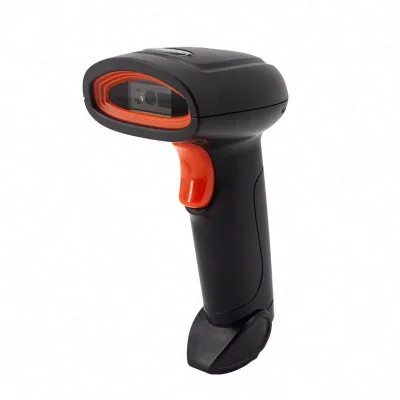


5 Inch Android 2D Qr Barcode Scanner Price Checker for Supermarket Er200
$200.00 - $230.00
MOQ: 1 Pieces

New Model 8 Inch Wall Mounted Price Checker POS with 1d 2D Qr Scanner Er210
$190.00 - $210.00
MOQ: 1 Pieces

WiFi LAN Bluetooth POS Machine 15.6-Inch Qr Code Price Checker for Store Scanning Er230
$215.00 - $235.00
MOQ: 1 Pieces
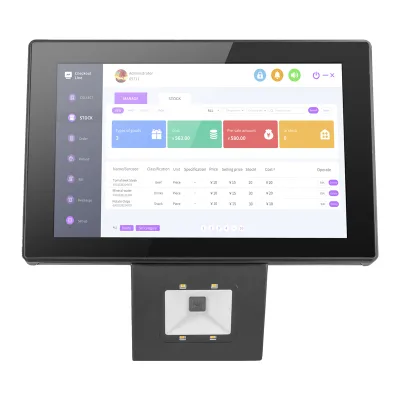
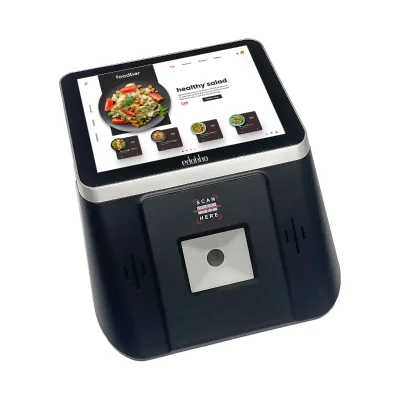


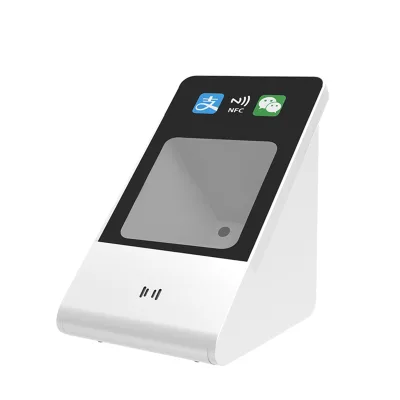
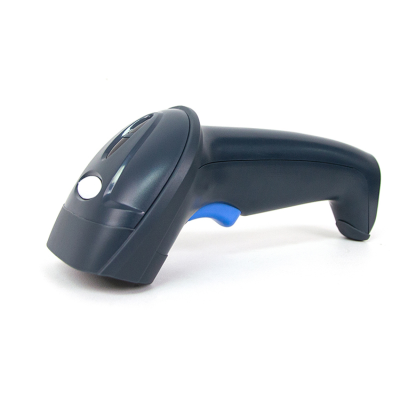
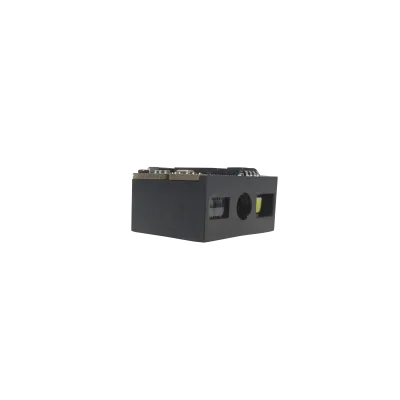
Multi outdoor mobile payment 1d 2d win barcode scan box qr code scanner
$18.5594 - $20.6209
MOQ: 2 pieces
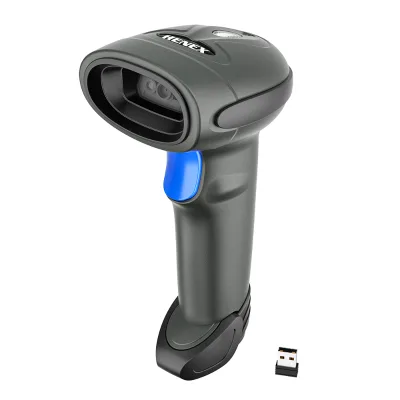
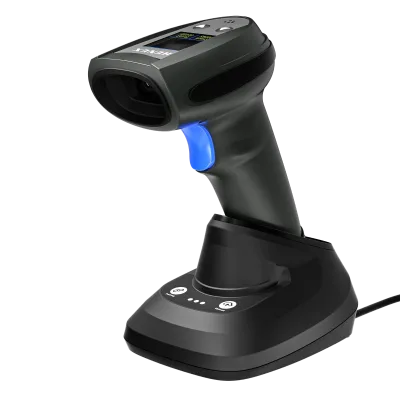
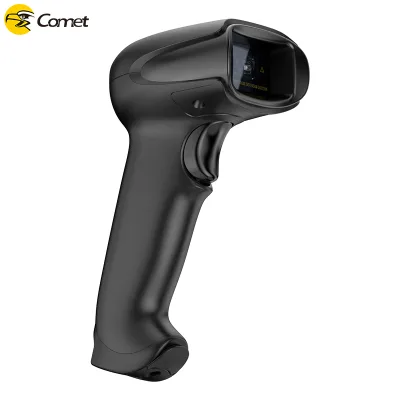
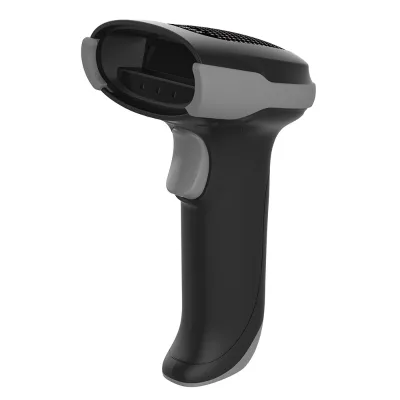
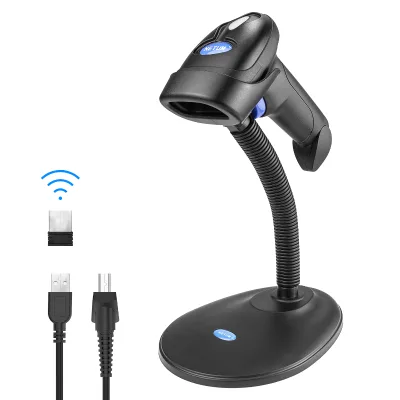
2d Barcode Scanner High Performance for Pos Retail 1d 2d Qr Pdf417 Datamatrix
$62.2366 - $72.6114
MOQ: 2 sets
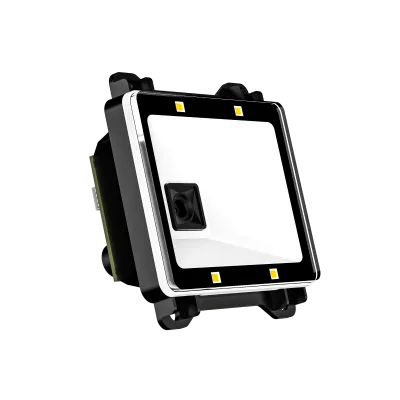
Comprehensive Sourcing Guide
Price Checking Touch QR Scanner Sourcing Guide
Procuring a Price Checking Touch QR Scanner requires a disciplined approach to verifying technical specifications against commercial terms. Buyers must distinguish between fixed POS terminals and handheld data collectors, as the supplied data indicates a diverse market ranging from Windows-based all-in-one units to Android-powered barcode readers. The observed price range of 10.5 to 275 USD suggests significant variation in component quality, processing power, and included peripherals. Understanding these distinctions is critical for aligning procurement budgets with operational needs, ensuring that the selected device supports the intended workflow without unnecessary expenditure on unused features.
Verification of core attributes such as screen type, operating system, and connectivity options forms the foundation of a successful sourcing strategy. The market offers devices with 11.6-inch capacitive touch screens running Windows 10/11 or Android 11, alongside smaller 5-inch panels optimized for portability. Buyers should prioritize devices that explicitly support network management and wireless scanning capabilities, as these features directly impact integration with existing inventory and point-of-sale systems. Careful evaluation of these technical signals prevents mismatches between hardware capabilities and software requirements, streamlining the deployment process and reducing post-purchase integration costs.
Product Scope and Observed Listing Signals
The current market landscape for price checking touch QR scanners includes distinct product categories, primarily fixed POS terminals and handheld barcode data collectors. Fixed units often feature larger displays, such as the 11.6-inch capacitive touch screen, and integrate thermal printers for immediate receipt generation. These systems typically run on Windows or Android operating systems and are designed for stationary use in retail or service environments. In contrast, handheld devices like the ER200 model offer compact form factors with 5-inch screens, focusing on mobility and rapid data capture. Recognizing these form factor differences helps buyers select hardware that matches their specific operational footprint and user interface preferences.
Observed listing signals reveal a strong emphasis on connectivity and processing power across various models. Many devices support dual-band WiFi, Bluetooth 4.0, and wired network connections, ensuring reliable data transmission in busy environments. The presence of 2D barcode scanning engines with CMOS scan elements indicates a capability to read both 1D and 2D codes, including QR codes, which is essential for modern inventory management. Additionally, the availability of customization options and mobile payment support suggests that these devices are increasingly integrated into broader financial and logistical ecosystems. Buyers should verify these connectivity and scanning capabilities to ensure compatibility with their existing infrastructure and payment processing requirements.
Technical Specifications to Verify
When evaluating technical specifications, buyers must prioritize the processor architecture and memory configuration to ensure smooth multitasking and rapid data processing. The supplied data highlights Intel CPUs in some fixed terminals and 4-core processors with 1.8 GHz frequency in handheld units, each offering different performance profiles. Memory configurations vary from 4GB to 16GB RAM, with storage options ranging from 64GB to 512GB SSD or eMMC. These specifications directly impact the device's ability to run complex POS software, handle large inventory databases, and maintain system responsiveness over time. Verifying these core components prevents performance bottlenecks and ensures the hardware can support future software updates and expanded functionality.
Connectivity and interface options are equally critical for seamless integration into existing workflows. Devices typically offer multiple USB ports, RJ11 COM interfaces, and support for Power over Ethernet (PoE), providing flexible deployment options for both fixed and mobile setups. The inclusion of 2.4 GHz and 5 GHz WiFi, along with Bluetooth 4.0, ensures robust wireless communication for real-time data synchronization. Buyers should also verify the presence of additional peripherals such as speakers, NFC readers, and dual-channel horns, which enhance user interaction and operational efficiency. Confirming these interface details ensures that the selected scanner can communicate effectively with printers, scales, and other peripheral devices without requiring additional adapters or complex configurations.
Compliance and Safety Documentation
Compliance with regional and international standards is a non-negotiable aspect of sourcing electronic devices for commercial use. The observed certifications, including CE, FCC, CCC, and EMV, indicate that certain models meet specific safety, electromagnetic compatibility, and payment security requirements. EMV certification is particularly crucial for devices handling mobile payments, ensuring that financial transactions are processed securely and in accordance with global banking standards. Buyers must verify that the specific model they intend to purchase holds the necessary certifications for their target market, as non-compliant devices may face regulatory hurdles or security vulnerabilities. This verification process protects the organization from legal liabilities and ensures that the hardware meets industry best practices for data protection and operational safety.
Safety documentation also extends to physical construction and environmental resilience, although specific environmental ratings are not explicitly detailed in the supplied data. Buyers should request detailed technical manuals and safety data sheets from suppliers to understand the device's operational limits and maintenance requirements. The standard packing dimensions and weight, such as 5kg for some terminals, provide insights into the physical handling and installation considerations. Ensuring that the device meets local electrical safety standards and has appropriate warning labels is essential for workplace compliance. By prioritizing certified and well-documented products, buyers mitigate risks associated with equipment failure, data breaches, and regulatory non-compliance, fostering a safer and more reliable operational environment.
Cost Drivers and Commercial Terms
Understanding the factors that influence pricing is essential for effective budget management and negotiation. The observed price range of 10.5 to 275 USD reflects variations in hardware specifications, brand reputation, and included features. Devices with higher processing power, larger storage capacities, and integrated peripherals such as thermal printers and 2D scanners typically command higher prices. Additionally, the cost may be influenced by the operating system license, software compatibility, and the level of customization available. Buyers should analyze these cost drivers to determine the total cost of ownership, considering not just the initial purchase price but also long-term maintenance, software updates, and potential upgrade costs. This holistic view ensures that procurement decisions are financially sustainable and aligned with organizational goals.
Commercial terms, including minimum order quantities (MOQ) and payment methods, significantly impact the procurement process. The observed MOQ range of 1 to 100 units suggests flexibility for both small-scale trials and large-volume deployments. Buyers should negotiate terms that align with their inventory management strategies and cash flow requirements. Payment methods such as mobile payment support indicate a modern approach to transactions, potentially offering convenience and security for both buyers and suppliers. Additionally, understanding the lead times and shipping options, such as carton and foam packing or neutral packing, helps in planning logistics and minimizing downtime. Clear communication of these commercial terms ensures a smooth transaction process and establishes a strong foundation for a long-term supplier relationship.
Supplier Qualification and Quality Control
Supplier qualification is a critical step in ensuring the reliability and consistency of the sourced products. Buyers should verify the supplier's manufacturing capabilities, quality control processes, and after-sales support services. The origin of the products, such as Guangzhou or general Made in China designations, provides context for the supply chain but does not guarantee quality. Therefore, it is essential to request detailed information about the supplier's production facilities, testing procedures, and warranty policies. Engaging with suppliers who have a proven track record of delivering high-quality devices and responsive customer support reduces the risk of receiving defective products and ensures timely resolution of any issues that may arise during deployment.
Quality control measures should be explicitly defined and agreed upon before placing orders. Buyers should inquire about the testing protocols used to verify the functionality of key components such as the barcode scanner, touch screen, and network connectivity. Requesting sample units for evaluation allows buyers to assess the build quality, user interface responsiveness, and scanning accuracy firsthand. Additionally, establishing clear acceptance criteria and return policies provides a safety net in case the delivered products do not meet the specified requirements. By prioritizing suppliers with robust quality control systems and transparent communication channels, buyers can mitigate risks and ensure that the procured devices meet their operational standards and performance expectations.
Long-Term Procurement Checks
Long-term procurement success depends on establishing mechanisms for continuous performance monitoring and supplier evaluation. Buyers should implement regular audits of device performance, tracking metrics such as scanning accuracy, system uptime, and user satisfaction. These metrics provide valuable insights into the reliability of the hardware and the effectiveness of the supplier's support services. By maintaining a detailed record of device performance and issues, buyers can identify trends and make informed decisions about future procurement cycles. This data-driven approach ensures that the organization continues to invest in hardware that meets its evolving operational needs and maintains a high standard of service quality.
Supplier relationship management is equally important for long-term procurement stability. Buyers should maintain open lines of communication with suppliers, providing feedback on product performance and addressing any concerns promptly. Regular reviews of supplier performance, including delivery times, product quality, and customer service responsiveness, help in identifying potential issues before they escalate. Additionally, staying informed about technological advancements and market trends allows buyers to anticipate future needs and plan for seamless upgrades or replacements. By fostering a collaborative and transparent relationship with suppliers, buyers can ensure a steady supply of high-quality devices and maintain a competitive edge in their respective industries.
FAQs
What certifications are available for Price Checking Touch QR Scanner devices?
Available certifications include EMV, CE, FCC, and CCC. These ensure compliance with international safety and electromagnetic standards. Buyers should verify specific certification requirements for their target market before placing orders. The HBA-Q1CX model supports these key certifications for global deployment.
Can I customize the Price Checking Touch QR Scanner for my business?
Customization is available for these devices. Buyers can request specific configurations to meet unique operational needs. This flexibility allows for tailored solutions in various retail or hospitality environments. Contact suppliers directly to discuss specific customization options and potential lead times for modified units.
What is the typical MOQ for Price Checking Touch QR Scanner orders?
The observed MOQ range is 1 to 100 units. This flexibility supports both small pilot tests and larger bulk deployments. Buyers can start with minimal quantities to evaluate performance before scaling up. Confirm exact MOQ requirements with individual suppliers as policies may vary by model and configuration.
Which operating systems support the Price Checking Touch QR Scanner?
Supported operating systems include Windows 10/11 and Android 11. This dual-OS capability allows for versatile application deployment. Windows provides robust enterprise integration, while Android offers mobile flexibility. Ensure your software is compatible with the chosen OS before finalizing procurement decisions for your specific use case.
How does the Price Checking Touch QR Scanner handle network management?
The device supports network management and network scanning. It connects via WiFi, Bluetooth, or wired Ethernet. This ensures reliable data transmission in busy environments. The 2.4 GHz and 5 GHz WiFi options provide stable connectivity. Buyers should verify network compatibility with their existing infrastructure to ensure seamless integration.
What are the standard specifications for the Price Checking Touch QR Scanner?
Standard specifications include an 11.6-inch capacitive touch screen and Intel CPU. RAM options range from 4GB to 16GB, with SSD storage up to 512GB. The device weighs approximately 5kg. These specs ensure smooth performance for POS and scanning tasks. Verify exact configurations with suppliers to match your operational requirements.