Source Princess Cut Floating Bow Pendant for Gifts, Decor, Events
Explore 30 listings for the Princess Cut Floating Bow Pendant, featuring zinc alloy and acrylic materials with customizable designs. Buyers can compare prices, MOQs, and specifications for universal use in promotions, home decor, and religious occasions.
Key considerations
Products List
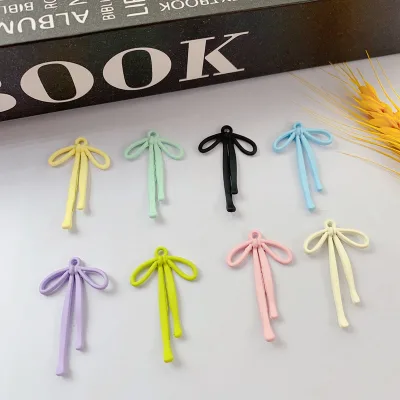
Enamel Multi Colored Rainbow Colorful Bowtie Bowknot Bow Ribbon Charm Pendants
$0.12 - $0.13
MOQ: 100 pieces
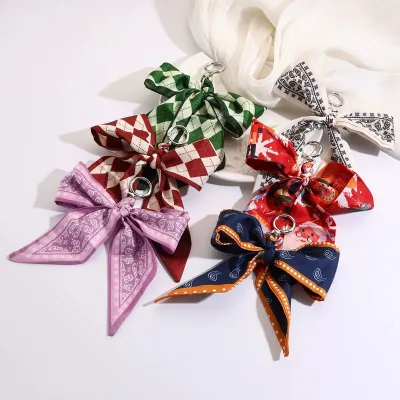
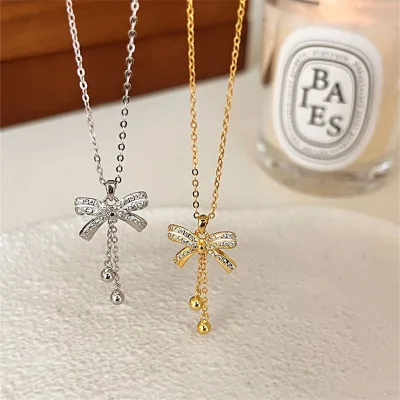

New Creative Personalized Ballet Girl Pearl Fabric Bow Pendant Bag Keychain Pendant
$0.46 - $0.50
MOQ: 100 Pieces








Comprehensive Sourcing Guide
Strategic Sourcing Guide for Princess Cut Floating Bow Pendant Procurement
Navigating the global market for decorative jewelry and promotional accessories requires a disciplined approach to specification verification and supplier evaluation. The core keyword "Princess Cut Floating Bow Pendant" describes a specific aesthetic and functional category within the broader jewelry and gift sector. Buyers must distinguish between generic listings and products that strictly adhere to the requested design parameters. This guide synthesizes available product attributes, material standards, and supply chain realities to provide a framework for securing high-quality inventory. The focus remains on evidence-based procurement, ensuring that every decision is grounded in verifiable facts rather than marketing assertions.
Defining Technical Specifications and Design Parameters
The primary challenge in sourcing a "Princess Cut Floating Bow Pendant" lies in aligning the visual description with tangible manufacturing capabilities. Based on observed product data, the "Bow Pendant" design is a confirmed attribute for specific inventory lines. However, the term "princess cut" typically refers to a square or rectangular gemstone shape with sharp corners, which may not be explicitly listed as a standard attribute in all general product catalogs. Buyers must verify if the "Geometry" shape attribute observed in the supply base corresponds to the specific faceting required for a princess cut, or if the listing refers to a stylized bow shape that mimics this aesthetic.
Material composition is a critical technical variable. The supply base includes items constructed from Zinc Alloy, Stainless Steel, and Acrylic. For a floating pendant that requires durability and a premium feel, Stainless Steel is a strong candidate, particularly when paired with Gold or Silver plating. The observed plating options include Silver and Gold, which are essential for achieving the desired visual finish. Conversely, Zinc Alloy offers a cost-effective alternative but may require specific quality checks regarding plating adhesion. Acrylic options, while lightweight and suitable for promotional gifts, may lack the structural rigidity required for a "floating" mechanism that implies suspension within a bezel or frame.
Dimensions vary significantly across the supply base, ranging from small promotional items at 3.5cm5cm to larger pieces measuring 9cm or 6cm. The "Floating" aspect of the pendant often implies a specific internal clearance or suspension system. Buyers should verify the "prod_standard" field, which lists measurements such as 6.73.2cm or 20g weight. These figures are not universal; they represent specific models like KC506162 or AVA101884. A buyer must ensure the selected model's dimensions accommodate the "floating" design intent without compromising the structural integrity of the bow shape.
Material Integrity and Plating Standards
The longevity and perceived value of a bow pendant are heavily dependent on the underlying metal and the quality of the plating. The observed material list includes Alloy, Zinc Alloy, Stainless Steel, and Acrylic. Each material presents distinct advantages and risks. Stainless Steel is noted for its resistance to corrosion and tarnish, making it ideal for items intended for long-term wear. The "Plating" attribute confirms the availability of Silver and Gold finishes on these metal bases. However, the thickness of the plating is not explicitly stated in the general data. Buyers must request plating thickness specifications, as this directly impacts the product's resistance to wear and color fading.
For Zinc Alloy products, the risk of oxidation is higher if the plating is thin or the base metal is not properly treated. The "Eco-Friendly" feature observed in some listings suggests that certain manufacturers are adopting more sustainable production methods, potentially involving lead-free alloys or nickel-free plating. This is a crucial verification point for buyers targeting markets with strict chemical regulations. The "Acrylic" material, while offering a "Cute" style and "Geometry" shapes, is distinct from metal options and serves a different market segment, primarily for promotional gifts or children's accessories.
The "Condition" of the product is listed as "100% Brand New," which is a baseline expectation. However, the "Factory" attribute indicates that some suppliers are direct manufacturers. This distinction is vital for quality control. Direct factory sourcing often allows for better oversight of the plating process and material sourcing compared to trading companies. Buyers should prioritize suppliers who can demonstrate their factory status and provide material certificates, even if specific certification names are not listed in the general product data.
Cost Drivers and Pricing Dynamics
The pricing structure for bow pendants is influenced by material costs, plating complexity, and order volume. The observed price range spans from $0.08 to $28.66 USD, a significant variance that reflects the diversity of materials and quality levels. The lower end of the spectrum likely corresponds to acrylic or thin-plated zinc alloy items intended for high-volume promotional use. The higher end likely represents stainless steel pieces with thicker plating or more complex designs.
Minimum Order Quantity (MOQ) is another critical cost driver. The observed MOQ range is 1 to 5000 units. This flexibility allows buyers to test the market with small orders or commit to large-scale production runs. However, the unit price often decreases as the order volume increases. Buyers must balance the initial capital outlay against the potential for economies of scale. The "Customization" attribute is available on many items, which can increase the unit cost due to tooling or setup fees. If the "princess cut" design requires a custom mold or specific cutting process, the MOQ and price will likely shift upward.
The "prod_packing" method also affects the final landed cost. Options include Carton, OPP Bag, and Boxs. Premium packaging, such as individual boxes, adds to the unit cost but enhances the product's presentation for retail or gifting. Buyers should calculate the total cost of ownership, including packaging, shipping, and potential duties, rather than focusing solely on the unit price. The "Location" of the origin, primarily China and specifically Yiwu Zhejiang, is a key factor. Yiwu is a major hub for small commodities, which often results in competitive pricing but requires careful logistics planning to ensure timely delivery.
Compliance, Certification, and Regulatory Checks
While the provided data does not list specific certification names, buyers must assume that regulatory compliance is a prerequisite for international trade. The "Eco-Friendly" attribute suggests an alignment with environmental standards, but this must be verified through third-party testing. For jewelry items, particularly those involving metals and plating, compliance with regulations regarding heavy metals (such as lead, cadmium, and nickel) is mandatory in many jurisdictions.
The "prod_standard" field lists dimensions like 6cm or 9cm, but these are physical specifications, not regulatory standards. Buyers should verify if the products meet international safety standards for jewelry, such as ISO standards or specific regional regulations like the EU's REACH regulation or the US CPSIA. The "Suitable for" attribute includes "Female, Male, Children, Elderly," which implies the product is marketed for a broad demographic. This broad targeting necessitates rigorous safety testing, especially if the item is intended for children, where choking hazards and material toxicity are strictly regulated.
The "Customization" and "Can Be Customized" attributes indicate that suppliers are willing to adapt products. However, customizations can introduce new compliance risks. For example, adding a specific dye or plating to an acrylic base might require new chemical safety data. Buyers must ensure that any custom specifications are accompanied by updated compliance documentation. The "Factory" attribute is a positive indicator, as manufacturers are often better positioned to manage compliance documentation than intermediaries.
Supplier Evaluation and Verification Protocols
Evaluating suppliers for bow pendants requires a multi-faceted approach. The "Factory" attribute is a strong signal of direct manufacturing capability, but it must be validated. Buyers should request proof of factory ownership, such as business licenses or facility photos, to confirm that the supplier is not a trading company misrepresenting its status. The "prod_origin" of Yiwu Zhejiang is a specific location known for high-volume production of small goods. While this offers cost advantages, it also requires diligence in verifying the specific factory's reputation and capacity.
The "Customization" availability suggests a flexible supply chain. Buyers should assess the supplier's ability to handle custom requests, such as specific "princess cut" dimensions or unique plating colors. The "Can It Be Customized" attribute confirms this capability, but the lead time and cost implications must be clearly defined. A supplier that offers customization but lacks the technical expertise to execute it precisely will result in quality issues.
The "Usage" attributes, including "Promotion Gifts," "Decoration," "Health," and "Religious," indicate the versatility of the product. However, claims regarding "Health" or "Religious" benefits are not supported by the provided technical data and should be treated with caution. Buyers should focus on the tangible attributes like "Style" (Fashion, Cute) and "Occasion" (Home/Party/Outdoor) when evaluating the product's market fit. The "Reusability" attribute is also noted, which is relevant for promotional items that are intended to be kept and used repeatedly.
Quality Control and Long-Term Procurement Strategy
Quality control is paramount when sourcing items with specific design features like a "floating" mechanism. The "Condition" is listed as "100% Brand New," but this does not guarantee the absence of defects in the plating or the structural integrity of the bow. Buyers should implement a rigorous inspection protocol, focusing on plating uniformity, edge smoothness, and the functionality of any moving parts or suspension mechanisms. The "prod_packing" method, whether OPP Bag or Box, should be inspected to ensure the product arrives undamaged.
Long-term procurement considerations involve building a relationship with a reliable supplier. The "Customization" and "Factory" attributes suggest that some suppliers are capable of long-term partnerships. Buyers should look for suppliers who demonstrate consistency in their "prod_model" offerings, such as the KC506162 or AVA1455 series. Consistency in model numbers and specifications simplifies the re-ordering process and reduces the risk of specification drift.
The "Suitable for" attributes, including "Universal" and specific demographics, indicate a broad market appeal. However, buyers should tailor their procurement strategy to their specific target audience. For example, if the target is children, the "Eco-Friendly" and "Safety" aspects become paramount. If the target is fashion-conscious adults, the "Style" and "Plating" quality take precedence. The "Usage" of "Promotion Gifts" suggests that durability and visual impact are key, while "Decoration" and "Religious" uses may require a higher level of craftsmanship and aesthetic refinement.
Comparative Analysis of Product Attributes
To facilitate decision-making, the following table summarizes the key attributes observed in the supply base, highlighting the variations that buyers must navigate.
| Attribute Category | Observed Values | Procurement Implication |
|---|---|---|
| Material | Zinc Alloy, Stainless Steel, Acrylic, Alloy | Stainless Steel offers durability; Acrylic is cost-effective for promotions. |
| Plating | Silver, Gold | Verify plating thickness for longevity; Gold may be premium. |
| Design | Bow Pendant, Geometry, 1-15 variations | "Princess cut" must be verified against "Geometry" or specific model designs. |
| Dimensions | 3.5cm5cm, 6cm, 9cm, 6.73.2cm | Critical for "floating" fit; verify against specific model standards. |
| MOQ | 1 to 5000 | High flexibility; balance volume with unit cost. |
| Origin | China, Yiwu Zhejiang | Major hub; verify factory status for quality assurance. |
| Customization | Available, Can Be Customized | Enables tailored designs but may increase cost and lead time. |
| Packing | Carton, OPP Bag, Boxs | Affects final cost and product presentation. |
| Usage | Promotion Gifts, Decoration, Health, Religious | Align product selection with intended market segment. |
In conclusion, sourcing a "Princess Cut Floating Bow Pendant" requires a meticulous approach to verifying design specifications, material quality, and supplier capabilities. The observed data provides a robust foundation for understanding the market landscape, but buyers must go beyond the listed attributes to ensure that the final product meets their specific quality and compliance requirements. By focusing on direct factory relationships, rigorous quality control, and clear communication of customization needs, buyers can secure a reliable supply chain for this versatile and aesthetically appealing product category.
FAQs
What materials are used for princess cut floating bow pendants?
These pendants are commonly made from Zinc Alloy, Stainless Steel, Acrylic, or general Alloy. Stainless Steel offers durability while Acrylic provides a lightweight option suitable for promotional gifts.
Can these pendants be customized for specific orders?
Yes, customization is available for many models in the supply base. Buyers can request specific designs or dimensions, though this may affect the minimum order quantity and unit pricing.
Which plating options are available for metal bow pendants?
Metal options typically feature Silver or Gold plating to enhance their visual appeal. These finishes are applied to bases like Zinc Alloy or Stainless Steel to ensure a premium look.
How does the price range vary for these pendants?
The observed price range spans from 0.08 to 28.66 USD depending on material and complexity. Lower costs usually correspond to acrylic or zinc alloy items intended for high-volume promotional use.
What are the standard dimensions for these bow pendants?
Dimensions vary by model, with examples including 6cm, 9cm, or specific measurements like 6.7 by 3.2cm. Buyers must verify the specific prod_standard for the desired floating design size.
Are these pendants suitable for children and the elderly?
Yes, many listings specify suitability for Female, Male, Children, and Elderly demographics. This broad targeting requires careful verification of safety standards, especially for items intended for younger users.
What packaging options are provided for these products?
Packaging varies from OPP Bags and Cartons to individual Boxs depending on the supplier. Premium packaging like boxes enhances presentation but may increase the overall landed cost per unit.