Source Print Girls Rompers for Baby, Toddler, and Infant Wear
Source print girls rompers from 30 verified listings. Compare options featuring 100% cotton, snap button closures, and various seasonal designs for infants and toddlers. Evaluate OEM services, MOQs, and delivery times to find suitable suppliers for your needs.
Key considerations
Products List
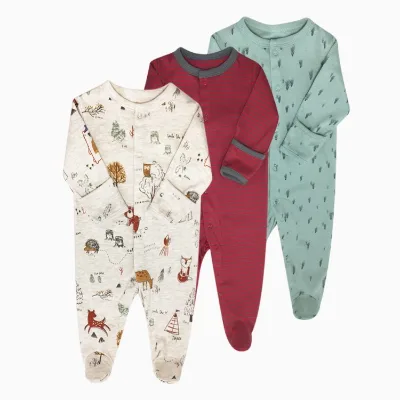
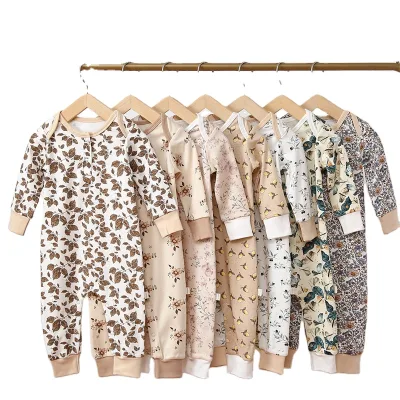
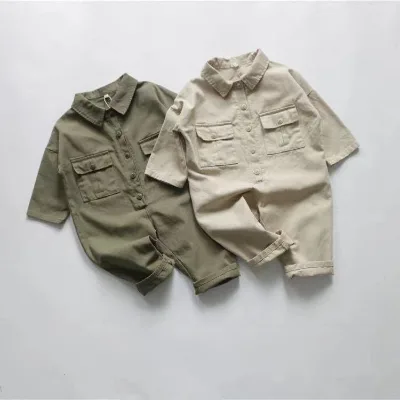


Summer Baby Girls Clothes Ribbed Cotton Romper Sleeveless Middle Collar Rompers for Girl
$2.99 - $4.37
MOQ: 100 Pieces

Solid Color with Wooden Button Summer Baby Girl Romper Sleeveless Bamboo Jumpsuit
$3.99 - $5.99
MOQ: 100 Pieces


Wholesale Custom Design 95% Bamboo 5% Spandex Print Short Sleeve Baby Romper
$4.58 - $5.58
MOQ: 50 Pieces


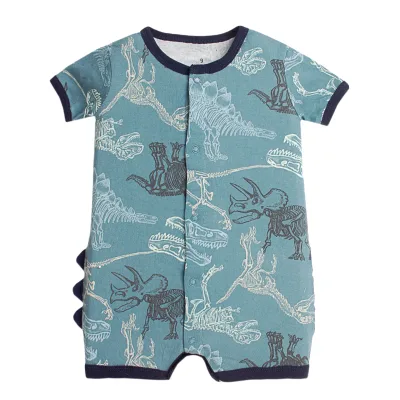


Halloween Children's New Arrival Romper Three Piece Suit Children's Clothing
$5.69 - $6.45
MOQ: 100 Pieces


Comprehensive Sourcing Guide
Print Girls Romper Sourcing Guide
Sourcing printed rompers for young girls requires a careful balance between aesthetic appeal and functional safety, particularly when dealing with infants and toddlers. The market offers a wide variety of styles, from soft knitted cotton pieces with dinosaur motifs to floral long-sleeve designs, catering to different seasons and age groups. Buyers must navigate a landscape where supply types range from OEM services to in-stock items, ensuring that the chosen supplier can meet specific branding needs while maintaining consistent quality. Understanding the nuances of fabric composition, closure types, and printing techniques is essential for selecting products that are both comfortable for the child and durable for the parent.
This guide provides a structured approach to evaluating potential suppliers and products in this category. By focusing on verified attributes such as material composition, age appropriaten, and supply chain transparency, buyers can mitigate risks associated with quality inconsistencies and compliance failures. The following sections detail the critical steps for defining product scope, verifying technical specifications, ensuring regulatory compliance, managing costs, qualifying suppliers, and establishing long-term procurement stability. Each step is designed to help buyers make informed decisions that align with their brand’s standards and market demands.
Product Scope and Observed Listing Signals
The current market for printed rompers includes a diverse range of products, with observed listings featuring items such as high-quality soft knitted dot-printed dinosaur rompers and flower-printing long-sleeve designs. These products are typically categorized as footies or general rompers, designed for unisex use or specifically for girls, depending on the print and cut. The observed price range in USD spans from 0.99 to 19.99, reflecting variations in material quality, design complexity, and order volume. Buyers should note that while some listings offer low entry prices, these may correspond to basic designs or higher minimum order quantities, whereas premium knitted cotton options with custom logos may command higher price points.
Minimum Order Quantities (MOQs) vary significantly across suppliers, with observed ranges from 1 to 2000 pieces, and specific listings indicating MOQs of 5 sets, 10 pieces, or 20 pieces. This variability allows buyers to test the market with smaller initial orders or commit to larger volumes for better unit economics. Supply types include OEM services, ODM options, and in-stock items, providing flexibility for brands looking to customize designs or purchase ready-made inventory. Additionally, sample availability is common, with some suppliers offering free samples and others requiring payment, with sample lead times typically within 7-10 days. Buyers should leverage these signals to align their procurement strategy with their inventory needs and budget constraints.
Technical Specifications to Verify
Material composition is a primary technical specification that directly impacts product comfort and safety. Trusted category knowledge and observed listings indicate that high-quality rompers are often made from 100% cotton, specifically A-class combed cotton, which offers softness and breathability. Buyers should verify the fabric type to ensure it meets the desired feel and durability standards, as materials like knitted cotton provide stretch and comfort suitable for active infants. Additionally, features such as being free from fluorescent agents and lead, along with colorfastness, are critical indicators of quality. These attributes ensure that the printed designs do not fade or bleed during washing and that the fabric is safe for prolonged skin contact.
Closure types and design details are equally important for functionality and ease of use. Snap button closures are commonly observed, providing secure fastening that is easy for parents to manage during diaper changes. Buyers should verify the placement and quality of these snaps to ensure they are durable and do not pose a choking hazard. Sleeve length, typically full for rompers, and size ranges such as 0-3M, 3-6M, 6-9M, and 9-12M, must be accurately defined to match target age groups. Furthermore, the printing technique used for designs like dinosaurs or flowers should be assessed for its adherence to fabric, ensuring that the prints remain intact after multiple washes without cracking or peeling.
Compliance and Safety Documentation
Safety compliance is non-negotiable in the infant apparel sector, requiring buyers to ensure that all products meet relevant regulatory standards. While specific certification statuses are not universally listed, buyers must verify that suppliers adhere to standards such as CPSIA in the United States or EN 71 in Europe, which govern chemical safety, flammability, and physical hazards. Documentation should include test reports for formaldehyde content, pH levels, and heavy metals, ensuring that the materials and dyes used in the printed designs are non-toxic. Buyers should request these documents from suppliers to confirm that the rompers are safe for infants and toddlers, particularly given the close skin contact involved.
Physical safety features, such as the absence of small detachable parts and secure closures, must also be verified. Snap buttons should be firmly attached to prevent accidental detachment, which could pose a choking risk. Additionally, the flammability of the fabric should be tested to ensure it meets safety standards for children’s sleepwear or general apparel, depending on the product’s intended use. Buyers should work with suppliers who have established quality control processes to ensure that these safety features are consistently maintained across production batches. Clear communication regarding compliance requirements and the provision of necessary documentation are essential for mitigating legal and reputational risks.
Cost Drivers and Commercial Terms
Several factors influence the cost of printed rompers, including material quality, design complexity, and order volume. High-quality combed cotton and intricate printing designs, such as detailed dinosaur or floral patterns, typically result in higher unit costs compared to basic cotton blends or simple prints. Buyers should consider the trade-off between cost and quality, ensuring that the chosen materials and designs align with their brand’s positioning and customer expectations. Additionally, customization options, such as private labeling or custom packaging, may incur additional fees, which should be factored into the overall cost analysis.
Commercial terms, including payment methods and delivery times, also play a significant role in procurement planning. Observed payment options include PayPal, Western Union, and T/T, providing flexibility for international transactions. Delivery times vary, with some suppliers offering lead times of 30-45 days for production and 4-7 days for samples, while others may have different schedules. Buyers should negotiate clear terms regarding production lead times, shipping methods, and return policies to ensure timely delivery and manage inventory effectively. Understanding these cost drivers and commercial terms allows buyers to budget accurately and plan their supply chain operations efficiently.
Supplier Qualification and Quality Control
Supplier qualification is a critical step in ensuring the reliability and consistency of printed romper orders. Buyers should assess suppliers based on their production capabilities, quality control processes, and past performance. Observations indicate that suppliers are located in regions such as Zhejiang and Guangdong in China, which are known for their textile manufacturing expertise. Buyers should verify the supplier’s ability to handle OEM and ODM requests, as well as their capacity to produce large volumes, with some suppliers offering supply abilities of up to 500,000 pieces per month. This capacity assessment is essential for ensuring that the supplier can meet demand fluctuations and scale production as needed.
Quality control measures should be rigorously evaluated to minimize the risk of defects and inconsistencies. Buyers should inquire about the supplier’s inspection processes, including pre-production, during-production, and pre-shipment inspections. Additionally, the availability of samples allows buyers to assess the quality of materials, printing, and construction before committing to large orders. Buyers should also consider the supplier’s responsiveness and communication skills, as these factors contribute to a smooth procurement experience. Establishing a strong relationship with a qualified supplier ensures that quality standards are maintained and that any issues are addressed promptly.
Long-Term Procurement Checks
Long-term procurement success depends on continuous monitoring and evaluation of supplier performance and product quality. Buyers should establish key performance indicators (KPIs) such as on-time delivery rates, defect rates, and customer satisfaction scores to track supplier performance over time. Regular audits and feedback loops can help identify areas for improvement and ensure that suppliers remain aligned with the buyer’s standards. Additionally, staying informed about changes in regulatory requirements and market trends allows buyers to adapt their procurement strategies and maintain compliance.
Building a diversified supplier base can mitigate risks associated with single-source dependencies. Buyers should consider working with multiple suppliers to ensure continuity of supply and to leverage competitive pricing. Regular communication and collaboration with suppliers can foster innovation and improve product offerings, such as introducing new prints or materials. By maintaining a proactive approach to supplier management and quality assurance, buyers can sustain long-term profitability and brand reputation in the competitive infant apparel market.
FAQs
What material is used for the baby rompers?
The rompers are made from 100% cotton fabric, specifically A class combed cotton. This material ensures softness and safety for infants while avoiding fluorescent agents or lead. The design features knitted construction for durability and comfort during daily wear.
Which sizes are available for these infant rompers?
Available sizes range from 0-3 months up to 9-12 months for the specific model NSR055. Other listings offer a broader range extending to 18-24 months. Buyers should verify the specific age group requirements against the product model number before ordering.
Can I request a customized logo on the product?
Yes, customized logos are supported for this product line. The supplier welcomes OEM and ODM services to meet specific branding needs. Buyers can request this customization as part of the order process to align the product with their brand identity.
How long does it take to receive a sample order?
Sample orders can be delivered within 7 to 10 days. Some listings indicate a specific 7-day lead time for sample requests. This allows buyers to quickly evaluate product quality and design before committing to a larger bulk purchase order.
What is the minimum order quantity for these items?
Minimum order quantities vary by listing, with some requiring 5 sets or 10 pieces. Other options may start at 20 pieces or up to 2000 units depending on the specific supplier configuration. Buyers must check the specific MOQ for their chosen product variant.
Where are these baby rompers manufactured?
Products originate from manufacturing locations in Zhejiang and Guangdong, China. These regions are known for textile production capabilities. Buyers should confirm the specific place of origin for their selected item to understand logistics and shipping implications.
What closure type is used on the baby rompers?
The rompers utilize a snap button closure type for easy dressing and diaper changes. This feature is standard for infant clothing to ensure convenience for parents. The design prioritizes safety and accessibility for the wearer.