Source Print Head Heating Board for Inkjet, Lithography, and Platen Presses
Explore 30 available Print Head Heating Board options for inkjet printers, lithography presses, and platen printing applications. Buyers can compare specifications, voltage ratings, and delivery times from verified suppliers in Guangdong, China.
Key considerations
Products List
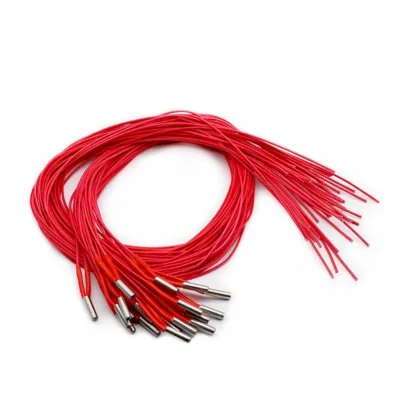
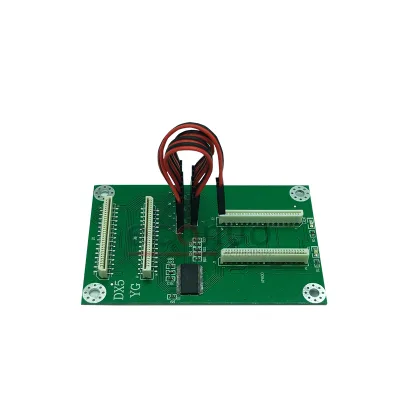


High Precision 203dpi Print Head Industrial Ceramic Heating Core for Px4I
$387.00 - $389.00
MOQ: 10 Pieces


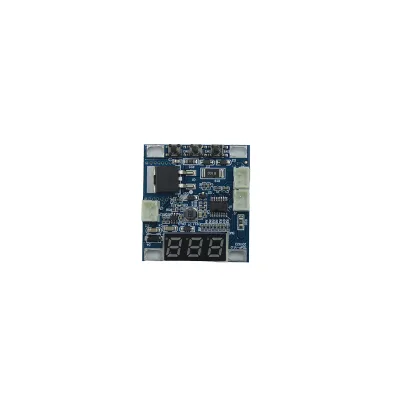
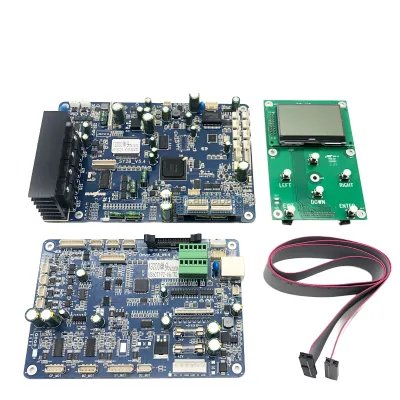
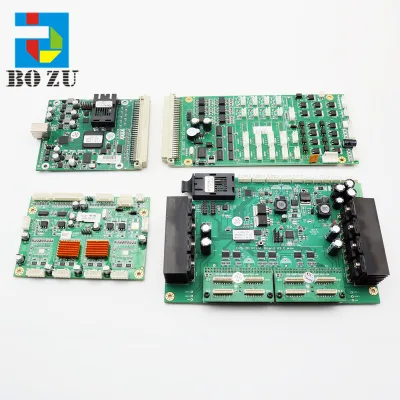


Cab A2+ 300dpi Printhead Kf3002-Gl50b Original Thermal Print Head 5954105
$301.00 - $320.00
MOQ: 1 Pieces


100xi4 Thermal Printhead Original Print Head 203dpi Printheads for Zebra
$236.00 - $277.00
MOQ: 20 Pieces
Comprehensive Sourcing Guide
Strategic Sourcing Guide for Print Head Heating Boards
The global demand for precision printing components has elevated the importance of reliable heating solutions for inkjet and lithographic printing systems. The Print Head Heating Board serves as a critical thermal management component, ensuring consistent ink viscosity and optimal print quality across various substrates. For procurement professionals, navigating the market for these specialized electronic assemblies requires a disciplined approach that distinguishes between generic heating elements and high-performance control boards. This guide synthesizes observed market data and technical requirements to provide a framework for sourcing 3D electric heating rods, temperature control boards, and related conversion hardware without relying on unverified claims.
Technical Specifications and Functional Architecture
Understanding the technical architecture of a Print Head Heating Board is the first step in defining procurement requirements. The market presents a diverse array of configurations, ranging from simple heating rods to complex control boards. Observed product listings indicate that specifications vary significantly based on voltage, power output, and physical dimensions. For instance, specific models are identified by their electrical ratings, such as 12V30W or 24V40W configurations, often associated with export versions featuring specific wire counts like 6 * 20. These variations are not merely cosmetic; they dictate the thermal output and compatibility with different printer head architectures.
The functional application of these boards extends beyond simple heating. In the context of inkjet printers, the board must maintain a precise temperature range to prevent ink clogging or drying. Data suggests that temperature control boards often operate within a range of 0-250°C, with adjustable time ranges from 0 to 999 seconds for process control. This implies that the board is not just a passive heater but an active controller capable of managing thermal cycles. Furthermore, the physical structure of the heating element is critical. Some units are described as 3D electric heating rods, while others are classified as head boards or conversion boards, such as the DX5 Print Head Convert Board. The distinction between a raw heating element and a fully integrated control board determines the level of integration required by the buyer's engineering team.
When evaluating specifications, buyers must verify the voltage compatibility, which is commonly listed as 110V/220V for general applications or specific low-voltage DC options like 12V and 24V for specialized printer heads. The model numbers, such as E3275 or Mk2015, serve as unique identifiers but do not guarantee performance without cross-referencing the actual electrical and thermal data. The single package size for these components can vary, with observed dimensions around 15x12x12 cm, indicating that logistics planning must account for the physical footprint of the unit.
Compliance, Certification, and Quality Verification
In the B2B procurement of electronic heating components, compliance and quality verification are paramount, yet often obscured by marketing language. While many listings assert that products are "original and new" or possess "excellent" quality, these terms are subjective without third-party validation. Buyers should treat such attributes as observations rather than guaranteed standards. The absence of specific certification data in general product descriptions necessitates a proactive verification process.
The market data indicates that the place of origin for many of these components is Guangdong, China, a region known for its manufacturing density. However, origin alone does not confer compliance with international safety or environmental standards. Buyers must explicitly request documentation regarding electrical safety certifications, such as CE, UL, or RoHS, which are not automatically implied by the product description. Similarly, while some suppliers mention "Original brand" or specific brand names like Econuo, the term "Original brand" can sometimes refer to generic rebranding rather than the manufacturer's genuine proprietary line.
Quality assurance should extend beyond the initial inspection of the product. The condition of the item, whether described as "New" or "Original," must be verified through physical inspection or video evidence prior to final payment. The warranty status is another critical variable; some listings explicitly state that warranty is "Unavailable," which significantly impacts the risk profile of the procurement. In such cases, the buyer must rely on rigorous pre-shipment quality control measures to mitigate the risk of failure. The standard weight of these units, often cited around 0.5kg to 1.0kg, provides a baseline for verifying the integrity of the packaging and the density of the internal components, but it should not be used as a sole indicator of quality.
Cost Drivers and Pricing Dynamics
The pricing of print head heating boards is influenced by a complex interplay of factors, including voltage requirements, power output, and the level of integration. The observed price range in the market is exceptionally broad, spanning from $0.40 to $32,000. This disparity highlights the difference between simple heating elements and complete, high-end control systems. A unit priced at the lower end of the spectrum likely represents a basic heating rod or a generic replacement part, whereas the higher price points may correspond to specialized conversion boards, custom-configured units, or systems with advanced thermal management features.
Several key drivers influence these costs. First, the voltage and wattage specifications directly impact the material costs and manufacturing complexity. A 24V40W unit with specific export wiring configurations may command a different price than a standard 12V30W model. Second, the level of customization available plays a significant role. Listings that offer "Customization: Available" often carry a premium due to the engineering time and tooling required to meet specific client needs. Third, the brand reputation and the "Original" status of the component can affect pricing, though this must be balanced against the lack of warranty support in some cases.
Buyers should also consider the Minimum Order Quantity (MOQ) as a cost driver. The observed MOQ ranges from 1 piece to 500 units. While an MOQ of 1 piece offers flexibility for prototyping or small-scale repairs, it often results in a higher unit cost due to the lack of economies of scale. Conversely, larger orders may reduce the per-unit price but require significant upfront capital and storage capacity. The payment terms, which include options like Western Union, TT, and PayPal, also influence the financial dynamics, as different methods may carry varying transaction fees or currency conversion costs.
Typical Applications and Printer Compatibility
The application of print head heating boards is highly specialized, primarily serving the inkjet printing sector. The specific functional application listed as "Inkjet Printer" indicates that these components are designed to maintain the thermal stability required for inkjet technology. This includes preventing ink from solidifying in the nozzles and ensuring consistent droplet formation. The boards are often used in conjunction with specific print head models, such as the DX5, which requires a dedicated convert board to manage the heating elements effectively.
Beyond inkjet printers, the data suggests applications in broader printing contexts, including lithography and multi-color printing presses. Some listings mention "Multi-Colour Printing Press" and "Lithography Printing," indicating that these heating solutions may be adaptable to various printing technologies. The structure of the press, such as a "Platen Press," may also influence the type of heating board required. The ability to control temperature within a specific range (0-250°C) allows these boards to be versatile across different printing processes, from delicate paper printing to more robust industrial applications.
Compatibility is a critical factor when selecting a heating board. The "Suitable Printer" attribute often specifies "Single Heads," suggesting that some boards are designed for specific printer configurations rather than multi-head systems. Buyers must carefully match the board's model number and electrical specifications to their existing printer hardware. For example, a board designed for a 12V system will not function correctly in a 24V environment without additional conversion or modification. The "Type" of the board, whether it is a "Head Board," "Temperature Control Board," or "508GS Head Heating Board," further refines the compatibility matrix, ensuring that the component fits the mechanical and electrical constraints of the target printer.
Supplier Evaluation and Operational Reliability
Evaluating suppliers in the Print Head Heating Board market requires a focus on operational reliability and transparency. The supply chain for these components often originates from Guangdong, China, where a high density of manufacturers exists. However, the presence of a manufacturer in this region does not guarantee quality or reliability. Buyers should scrutinize the supplier's track record, specifically regarding their ability to deliver "Original and New" products as described. The term "Supplier: Letop" appears in some listings, but relying on a single name without broader verification is risky.
Key indicators of supplier reliability include the clarity of their communication and the transparency of their product details. Listings that state "More details: please contact us" suggest a need for direct engagement to clarify specifications. This interaction is an opportunity for the buyer to assess the supplier's technical knowledge and responsiveness. The delivery time, observed as 3-5 working days, is a significant operational factor. While this is a relatively short lead time, it must be verified against the actual shipping method, which includes options like DHL, FedEx, EMS, TNT, and UPS. The choice of shipping method can impact the total cost and the reliability of the delivery schedule.
Furthermore, the payment terms offered by the supplier, such as Western Union, Moneygram, or PayPal, reflect the level of trust and the financial security of the transaction. Buyers should prefer payment methods that offer some form of buyer protection, especially when dealing with suppliers who do not offer warranties. The "Condition" of the product, whether "New" or "Original," should be confirmed through detailed product photography or video calls before payment is finalized. This due diligence helps mitigate the risk of receiving refurbished or substandard components.
Long-Term Procurement and Quality Control Strategies
Sourcing print head heating boards is not merely a transactional activity but a strategic process that requires long-term planning and robust quality control measures. Given the variability in product quality and the potential lack of warranty support, buyers must implement a comprehensive quality control strategy. This includes establishing clear acceptance criteria based on the technical specifications, such as voltage, power output, and temperature range. Regular audits of the supplier's production processes can help ensure consistency in the "good" or "excellent" quality claims made in product listings.
Packaging is another critical aspect of long-term procurement. The observed packaging methods, ranging from "Box Packing" to "Carton Box" and "Packed with Carton," indicate that the protection of the component during transit is a variable. Buyers should specify packaging requirements that align with the fragility of the electronic components to prevent damage during shipping. The single gross weight of 1.0 kg and the single package size of 15x12x12 cm provide a baseline for logistics planning, but the actual packaging must be robust enough to withstand the rigors of international shipping.
Finally, the long-term viability of the procurement relationship depends on the supplier's ability to support the buyer through the product lifecycle. This includes providing technical support for installation, troubleshooting, and potential replacements. The "Customization: Available" attribute suggests that suppliers may be willing to adapt their products to meet evolving needs, which is a valuable asset for long-term partnerships. By focusing on these strategic elements, buyers can build a resilient supply chain that ensures the continuous operation of their printing equipment.
Conclusion
The procurement of print head heating boards demands a meticulous approach that balances technical requirements with supplier reliability. By understanding the diverse specifications, verifying compliance, and implementing rigorous quality control measures, buyers can navigate the complexities of this market. The broad price range and varying MOQs offer flexibility but require careful analysis to ensure cost-effectiveness. Ultimately, successful sourcing relies on a deep understanding of the product's role in the printing process and a commitment to maintaining high standards of quality and performance.
FAQs
What are the common voltage and power specifications for these boards?
Common specifications include 12V30W, 12V40W, and 24V40W configurations often featuring 6 * 20 export version wiring. These electrical ratings dictate thermal output and compatibility with specific printer head architectures for optimal ink viscosity control.
Can I find these heating boards with a minimum order of one piece?
Yes, many listings indicate an MOQ of 1PC or 1 Set for prototyping and small repairs. However, higher volumes may reduce unit costs, and buyers should verify if the single item price includes specific export versions or custom wiring.
Which locations are known for manufacturing these print head components?
High-confidence facts indicate the place of origin is Guangdong, China for many of these products. Buyers should verify the specific origin of their unit, as this region hosts a high density of manufacturers for electronic heating assemblies.
How long does delivery typically take for these heating boards?
The observed delivery time is 3-5 working days for standard shipments. This lead time assumes the use of express shipping methods like DHL, FedEx, or UPS, which are commonly listed as available shipping ways for these components.
What warranty coverage is available for new print head heating boards?
Warranty status is often listed as unavailable for some new or original condition items. Buyers must rely on rigorous pre-shipment quality control and physical inspection to mitigate the risk of failure since formal warranty support is not guaranteed.
Which printer types are compatible with these temperature control boards?
These boards are primarily designed for inkjet printers and can also support lithography printing presses. Specific models like the DX5 Print Head Convert Board are tailored for single heads, while others may suit multi-color printing applications.
What is the typical price range for these heating components?
The observed price range spans from 0.40 to 32000 USD, reflecting differences between basic elements and complex control systems. Lower prices usually correspond to simple heating rods, while higher costs involve specialized conversion boards or custom configurations.