Source Printable Heat Shrinkable Tubing for Wire Insulation
Find 30 options for Printable Heat Shrinkable Tubing designed for electric wire insulation and cable management. Compare specifications such as shrink ratios, voltage ratings, and material types to select the right sleeve for your low voltage or automotive applications.
Key considerations
Products List


Customizable Anti-Slip Pattern Heat Shrink Tubing Soft and Fast Shrinkable
$0.55 - $1.73
MOQ: 1000 piece
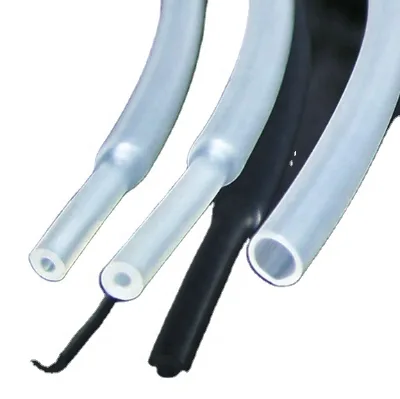


PE Insulation Anticorrosion Heat-Shrink Tubing Heat Shrinkable Shrinking Tube
$0.35 - $3.50
MOQ: 500 Meters


Comprehensive Sourcing Guide
Printable Heat Shrinkable Tubing Sourcing Guide
Sourcing Printable Heat Shrinkable Tubing requires a disciplined approach to balancing technical performance with commercial viability. This category of protective sleeving is essential for wire harness management, cable identification, and environmental protection in low-voltage applications. Buyers must navigate a market where product attributes vary significantly between suppliers, ranging from basic polyethylene constructions to specialized formulations. The following guide outlines the critical verification steps, technical parameters, and commercial considerations necessary to secure a reliable supply chain for these components.
Procurement teams should focus on verifying the specific material composition and shrink ratio before committing to volume orders. The observed market data indicates a wide range of models, such as CL-HFT, HP-HST, and ZH-HT series, each potentially offering different physical properties. Understanding the distinction between single-wall and dual-wall constructions, as well as the specific shrink ratios available (2:1, 3:1, or 4:1), is vital for ensuring the tubing fits the intended cable diameter and provides adequate insulation. This guide provides the framework for making these informed decisions based on observed listing signals and standard industry practices.
Product Scope and Observed Listing Signals
The current market landscape for heat shrinkable tubing reveals a diverse array of product types, primarily centered around polyethylene (PE) materials with IP ratings indicating their environmental resistance. Listings frequently highlight the "Heat Shrinkable" attribute as a core characteristic, with many products explicitly labeled as insulation tubes or sleeves. The observed data shows that these products are often categorized by their usage, such as for electric wires, HDMI cables, DVI lines, earphone lines, and optical cables. This versatility suggests that buyers should carefully match the tubing’s material properties to the specific mechanical and electrical demands of their end-use application, rather than assuming a one-size-fits-all solution.
Pricing and minimum order quantities (MOQ) exhibit significant variability, with observed prices ranging from $0.02 to $9.00 USD and MOQs spanning from 10 to 1,000 units. This wide range reflects differences in product models, packaging formats, and supplier scales. For instance, some products are packed in cartons, while others are sold in specific roller counts like 200PCS, 100PCS, or 50PCS per roll. Buyers must evaluate whether the lower price points correspond to smaller diameters or thinner wall thicknesses, as these factors directly influence the durability and insulation performance of the tubing. Understanding these listing signals helps in benchmarking quotes and identifying suppliers who align with your volume requirements.
Technical Specifications to Verify
Verifying the physical and electrical specifications is the most critical step in ensuring the tubing meets operational requirements. Key attributes to confirm include the rated voltage, which in observed listings is often specified as 600V, and the working temperature range, which can extend from -80℃ to 200℃. These parameters determine the tubing’s suitability for high-heat environments or extreme cold conditions. Additionally, tensile strength is a crucial mechanical property, with some products listing values around 10.4MPa. Buyers should request detailed datasheets that specify the shrink ratio, wall thickness, and inner diameter range, as these dimensions directly impact the fit and protective capability of the sleeve.
The standard diameter range for these products is typically observed between 1mm and 100mm, with some specialized models extending up to 250mm. It is essential to verify the specific model number, such as HP-DWT or FY-XF0104, to ensure compatibility with your existing inventory or manufacturing processes. The product origin, often cited as Changzhou or Dongguan in China, may also influence lead times and shipping costs. Buyers should confirm the single package size and weight to calculate accurate freight charges, especially when ordering in bulk. Ensuring that the tubing’s physical dimensions align with your cable specifications prevents installation issues and ensures optimal insulation coverage.
Compliance and Safety Documentation
Compliance with international standards is non-negotiable for industrial and consumer electronics applications. The observed listings frequently mention certifications such as ISO, RoHS, and CE, which indicate adherence to quality management and environmental regulations. RoHS compliance, in particular, is critical for products sold in markets with strict restrictions on hazardous substances. Buyers must verify that the supplier can provide valid certification documents for each batch or product line, as these certificates are often subject to renewal and specific scope limitations. The presence of these certifications suggests a baseline level of quality control, but independent verification is always recommended.
Safety standards, such as UL224 VW-1, are also relevant for electrical insulation applications. This standard relates to the flame retardancy and vertical burning characteristics of the material, ensuring that the tubing does not contribute to fire spread in electrical assemblies. Buyers should inquire about the specific safety standards applicable to their region and industry, as requirements can vary significantly between automotive, aerospace, and general industrial sectors. Additionally, environmental protection standards should be confirmed to ensure the product meets sustainability goals. Documentation of these compliance measures is essential for passing audits and maintaining regulatory compliance in your supply chain.
Cost Drivers and Commercial Terms
Several factors influence the final cost of heat shrinkable tubing, including material type, shrink ratio, and packaging format. Products with higher shrink ratios or specialized features, such as moisture and water resistance, may command higher prices. The observed data shows that packaging options range from simple cartons to specific roller counts, which can affect handling and storage costs. Buyers should consider the total cost of ownership, including shipping, handling, and potential waste, rather than focusing solely on the unit price. Negotiating volume discounts based on consistent order quantities can also help reduce overall procurement costs.
Commercial terms, such as payment methods and lead times, should be clearly defined in the purchase agreement. While specific lead times are not provided in the observed data, buyers should establish clear expectations for production and delivery schedules to avoid supply chain disruptions. The selling units, whether by roll, reel, or single item, should align with your production line’s requirements to minimize handling errors. Additionally, buyers should clarify any customization fees, as some suppliers offer customizable options for color, diameter, or printing. Understanding these commercial terms helps in budgeting accurately and maintaining a stable supply relationship.
Supplier Qualification and Quality Control
Qualifying suppliers requires a thorough assessment of their manufacturing capabilities and quality control processes. Buyers should verify the supplier’s production capacity, especially if they require large volumes or frequent replenishments. The observed data indicates that many suppliers are located in industrial hubs like Changzhou and Dongguan, which are known for their manufacturing expertise. However, proximity does not guarantee quality, so buyers should request samples for testing and evaluation. Assessing the supplier’s ability to provide consistent product quality across batches is crucial for maintaining the reliability of your end products.
Quality control measures should include regular inspections of raw materials, in-process checks, and final product testing. Buyers should inquire about the supplier’s testing protocols for tensile strength, shrink ratio, and electrical insulation properties. Additionally, verifying the supplier’s adherence to ISO standards can provide confidence in their quality management system. Establishing a clear communication channel for addressing quality issues and requesting corrective actions is essential for maintaining a productive supplier relationship. Regular audits or third-party inspections may also be warranted for high-volume or critical applications.
Long-Term Procurement Checks
Long-term procurement success depends on continuous monitoring of supplier performance and market trends. Buyers should regularly review supplier metrics, such as on-time delivery rates, defect rates, and responsiveness to issues. Establishing key performance indicators (KPIs) and conducting periodic performance reviews can help identify areas for improvement and ensure that suppliers meet your evolving needs. Additionally, staying informed about changes in industry standards and regulations is crucial for maintaining compliance. Buyers should proactively engage with suppliers to discuss potential product improvements or alternative materials that may offer better performance or cost efficiency.
Building a resilient supply chain involves diversifying suppliers and maintaining safety stock for critical components. While the observed data shows a range of suppliers, relying on a single source can pose risks if disruptions occur. Developing relationships with multiple qualified suppliers can provide flexibility and mitigate supply chain vulnerabilities. Furthermore, buyers should consider the environmental impact of their procurement decisions, exploring options for sustainable materials or recycling programs. By focusing on long-term partnerships and continuous improvement, buyers can secure a reliable and cost-effective supply of heat shrinkable tubing for their operations.
FAQs
What certifications are available for heat shrinkable tubing?
Certified options typically include ISO, RoHS, and CE standards. These ensure compliance with international quality and environmental regulations. Buyers should verify specific documentation from suppliers to confirm adherence to required regional safety and material restrictions for their projects.
What is the working temperature range for these tubes?
The working temperature range generally spans from -80°C to 200°C. This wide interval allows reliable performance in extreme cold and high-heat environments. Such durability makes the tubing suitable for diverse industrial applications requiring stable insulation under thermal stress.
What shrink ratios are offered for insulation sleeves?
Common shrink ratios include 2:1, 3:1, and 4:1. These ratios determine how much the tube contracts when heated. Higher ratios provide better coverage for irregular shapes, while lower ratios offer tighter fits for standard cylindrical wires and cables.
Can the tubing be customized for specific projects?
Yes, customization is available for various project requirements. Buyers can often specify dimensions, colors, or packaging formats. This flexibility ensures the tubing meets precise engineering needs, whether for automotive, aerospace, or consumer electronics applications requiring specific material properties.
What is the rated voltage for low voltage applications?
The rated voltage is typically 600V for low voltage applications. This rating ensures safe insulation for standard electrical wiring. It provides adequate protection against electrical faults while maintaining flexibility and ease of installation for various electronic and industrial components.
What packaging options are available for bulk orders?
Packaging options include cartons and rolls with varying piece counts. Common configurations are 200, 100, or 50 pieces per roller. Bulk orders may also use carton packages for efficient shipping and storage, ensuring product protection during transit and handling.
What are the primary applications for single wall heat shrink tubes?
Primary applications include electric wire insulation, optical cables, and automotive wiring. They are also used in communication networks, aerospace, and consumer electronics. The tubing provides moisture resistance, chemical corrosion protection, and reliable electrical insulation for diverse industrial and commercial uses.