Source Printed Wedding Ties for Grooms, Groomsman, and Bridesmaids
Source printed wedding ties from 30 verified options. Compare materials like polyester and silk, check customization availability, and review packaging details for bulk orders. Evaluate styles including plain dyed, striped, and paisley designs to find the right fit for your event.
Key considerations
Products List


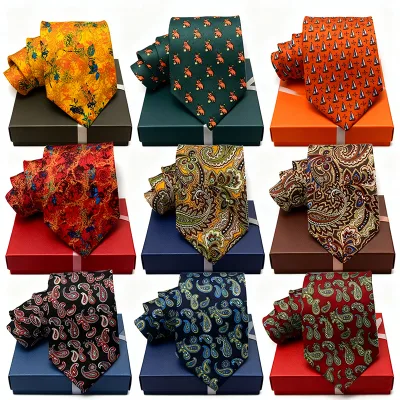
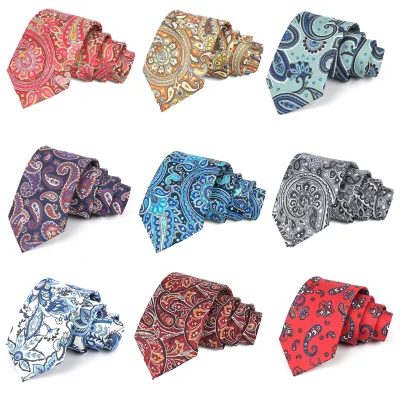
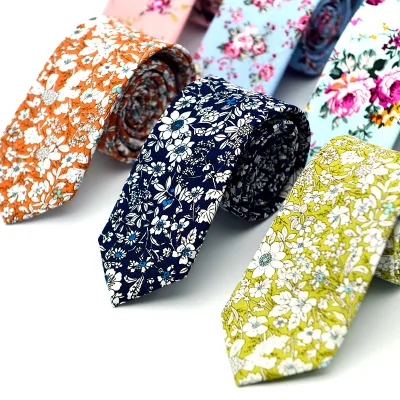
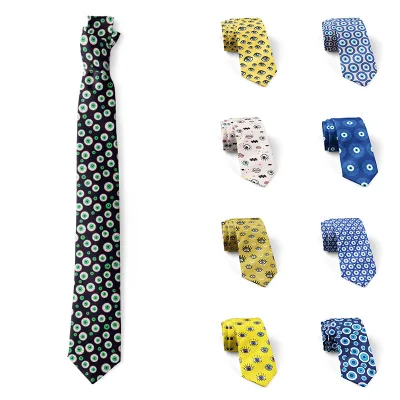







Comprehensive Sourcing Guide
Printed Wedding Tie Sourcing Guide
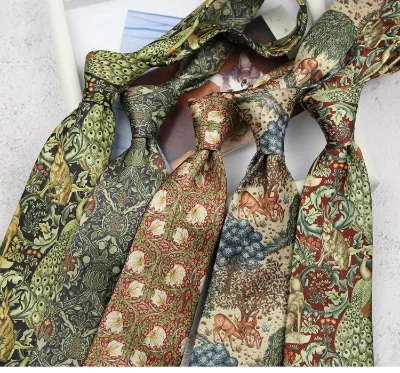
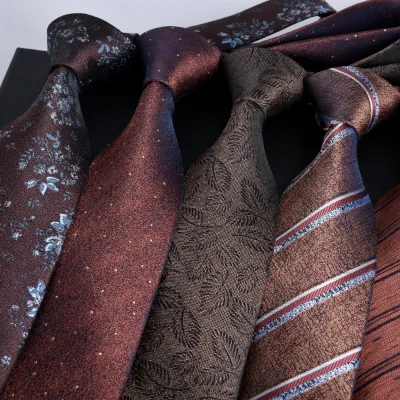
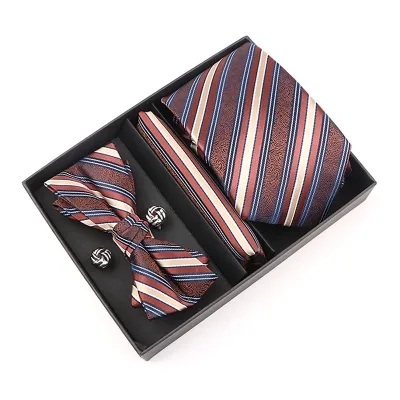
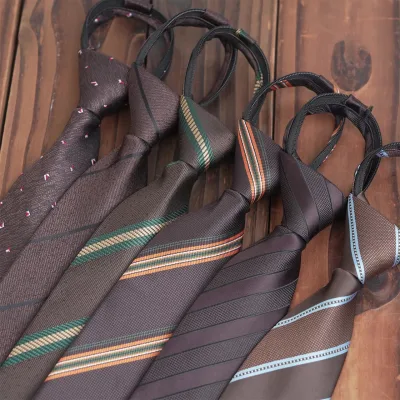
The Printed Wedding Tie serves as a versatile accessory for modern nuptial events, offering a balance between traditional formality and contemporary style. Based on observed market data, these products are frequently categorized under styles such as plain dyed, printed, and paisley designs, with specific applications ranging from casual wedding ceremonies to formal banquets. Buyers should recognize that while the core function remains consistent, the aesthetic execution varies significantly, with patterns including stripes, florals, and embroidered motifs appearing alongside solid color options. This diversity allows procurement teams to source ties that align with specific wedding themes, whether the goal is a cohesive look for the wedding party or a unique statement piece for the groom.
Material composition is a primary differentiator in this category, with listings indicating a split between 100% silk and 100% polyester options. Silk variants often command a perception of higher luxury, while polyester versions are frequently highlighted for features like quick-drying capabilities, anti-pilling properties, and breathability. The choice between these materials often dictates the final price point and the intended use case, with some suppliers offering custom-made tipping in navy or black to match specific suit colors. Understanding these material distinctions is essential for buyers aiming to balance budget constraints with the desired level of elegance for the occasion.
Product Scope and Observed Listing Signals
When evaluating product listings, buyers will encounter a wide range of physical dimensions, with lengths typically spanning from 142cm to 150cm and widths varying between 6cm and 9cm. Some specific model numbers indicate precise sizing such as 14563.5cm, while others offer custom size options to accommodate different body types or fashion preferences. The packaging signals also vary, with some items shipped in individual polybags or OPP bags, while others are presented in carton boxes or gift boxes, which can influence the final presentation value for wedding favors or retail resale.
The observed market signals reveal a significant variation in minimum order quantities (MOQ), ranging from as low as 10 pieces to 200 pieces depending on the supplier and customization level. This flexibility allows small-scale buyers to test the market with minimal risk, while larger procurement teams can negotiate bulk rates for extensive wedding parties or retail inventory. Additionally, the availability of samples is a critical signal for quality verification, with many suppliers explicitly stating that samples are available for review before committing to a full production run. This capability is particularly valuable for ensuring that the printed patterns and fabric textures meet the specific aesthetic requirements of a wedding event.
Technical Specifications to Verify
Verifying the printing method is a crucial step in ensuring the longevity and vibrancy of the tie's design. The supply chain data indicates the use of heat-transfer printing for polyester-based designs, a technique that allows for detailed and colorful patterns without compromising the fabric's structural integrity. Buyers should confirm that the printing process aligns with the chosen material, as silk and polyester may require different application techniques to achieve the desired finish. Ensuring the correct printing method is in place helps prevent issues such as color fading or peeling, which are critical concerns for items that will be worn and photographed during significant events.
Dimensional accuracy and weight consistency are other technical specifications that require strict verification. Listings show single package sizes ranging from 27x8x2 cm to 30x10x3 cm, with individual weights recorded as low as 60g for certain models. These specifications impact logistics planning and shipping costs, particularly when ordering large quantities for multiple wedding parties. Buyers must ensure that the stated dimensions match the physical product to avoid discrepancies in packaging and storage. Furthermore, verifying the weight helps in assessing the fabric density and quality, as heavier ties often indicate a more substantial material that drapes better and resists wrinkling during wear.
Compliance and Safety Documentation
Compliance with international standards is a non-negotiable aspect of sourcing high-quality wedding accessories. The provided data references SGS as a relevant standard, indicating that suppliers may undergo third-party testing to verify product safety and quality. Buyers should request specific test reports related to color fastness, fabric strength, and chemical safety to ensure the ties meet the regulatory requirements of their target market. While the data mentions SGS, it is essential to confirm the scope of these certifications, as they may cover different aspects of production, from raw material sourcing to final product assembly.
Safety documentation also extends to the materials used in the manufacturing process, particularly regarding dyes and finishes. Given that the ties are intended for close contact with skin during wedding ceremonies, verifying that the materials are free from harmful substances is paramount. Buyers should inquire about the eco-friendly attributes of the products, as some listings highlight features like eco-friendly manufacturing processes. Ensuring that the supplier can provide documentation on the safety of the dyes and the absence of toxic chemicals is a vital step in protecting the brand reputation and ensuring the well-being of the end-users.
Cost Drivers and Commercial Terms
The cost of printed wedding ties is heavily influenced by the choice of material and the complexity of the design. Listings show a price range from $0.50 to $18.00, reflecting the disparity between basic polyester options and premium silk variants. The inclusion of custom features, such as custom-made tipping or specific pattern designs, can further drive up the unit cost. Buyers must carefully evaluate the trade-off between material quality and budget, as the perceived value of silk often justifies a higher price point for formal occasions, while polyester offers a cost-effective solution for large groups or budget-conscious events.
Commercial terms, including MOQ and lead times, play a significant role in the overall procurement strategy. The observed MOQ range of 1 to 200 pieces allows for flexibility, but buyers should be aware that lower MOQs may come with higher per-unit costs. Additionally, the availability of samples and the customization options can impact the timeline and cost structure. It is advisable to negotiate clear terms regarding sample fees, production lead times, and shipping costs to avoid unexpected expenses. Understanding these commercial dynamics helps buyers plan their budgets effectively and manage expectations regarding delivery schedules.
Supplier Qualification and Quality Control
Supplier qualification should focus on verifying the origin and production capabilities of the manufacturer. The data indicates that products originate from Zhejiang, China, a region known for its textile manufacturing expertise. Buyers should assess the supplier's capacity to handle custom orders and their track record in delivering consistent quality. Requesting references or case studies from previous clients, particularly those in the wedding industry, can provide insight into the supplier's reliability and ability to meet specific deadlines. This due diligence is essential for establishing a long-term partnership that ensures consistent product quality.
Quality control measures must be rigorous to maintain the high standards expected for wedding accessories. Buyers should implement a multi-stage inspection process, including pre-production sample approval, in-line quality checks, and final random inspections. The emphasis on features like durability, anti-pilling, and breathability suggests that suppliers should have robust quality assurance protocols in place. Collaborating with the supplier to define clear quality criteria and conducting regular audits can help mitigate the risk of defects. Ensuring that the final product meets the agreed-upon specifications is critical for maintaining customer satisfaction and minimizing returns.
Long-Term Procurement Checks
Establishing a long-term procurement strategy requires regular performance reviews and continuous improvement initiatives. Buyers should track key performance indicators such as on-time delivery rates, defect rates, and customer feedback to assess the supplier's ongoing performance. Regular communication and feedback loops can help identify areas for improvement and foster a collaborative relationship. By maintaining a proactive approach to supplier management, buyers can ensure that the supply chain remains resilient and capable of meeting evolving market demands. This strategic focus helps in building a reliable network of suppliers that can support future growth and expansion.
Adapting to market trends and customer preferences is another critical aspect of long-term procurement. The wedding industry is dynamic, with changing styles and preferences influencing the demand for specific tie designs and materials. Buyers should stay informed about emerging trends, such as the popularity of eco-friendly materials or new printing techniques, and adjust their sourcing strategies accordingly. Regularly reviewing the product portfolio and seeking opportunities for innovation can help maintain a competitive edge. By staying agile and responsive to market changes, buyers can ensure that their product offerings remain relevant and appealing to their target audience.
FAQs
What materials are used for printed wedding ties?
Printed wedding ties are commonly made from 100% polyester or 100% silk. Polyester options offer durability and breathability, while silk provides a premium feel. Some products also feature cotton blends for daily wear. The choice depends on the desired texture and budget for the occasion.
Can I customize the tipping color of my tie?
Yes, customization is available for tipping colors. Buyers can choose from standard options like navy or black, or request custom-made tipping to match specific wedding themes. This allows for precise coordination with wedding party attire and ensures a cohesive look for the event.
What is the typical size and length of these ties?
Standard sizes range from 6-9cm in width. The length is typically between 142cm and 150cm, with specific models measuring 145cm or 146cm. Custom sizes are also available to accommodate different heights and styling preferences, ensuring a proper fit for various body types.
What is the minimum order quantity for bulk purchases?
The minimum order quantity varies by product type. Some items require a minimum of 10 pieces, while others may require 100 pieces. Lower MOQs are available for specific models, making it easier for small groups or individual buyers to order without excessive inventory commitment.
How are the ties packaged for shipping?
Packaging options include individual polybags, PP bags, or gift boxes. Bulk shipments are typically packed in carton boxes. Each tie is often wrapped separately to prevent damage, with specific dimensions provided for single packages to assist in logistics planning and storage efficiency.
Are samples available before placing a large order?
Samples are available for most Printed Wedding Tie models. Buyers can request samples to verify quality, color accuracy, and material feel before committing to bulk production. This ensures that the final product meets the expected standards for weddings and formal events.