Source Pro Electric Car for logistics, delivery, and urban transport
Compare 30 Pro Electric Car listings from verified suppliers. Buyers can evaluate specifications like range, motor power, and braking systems to find suitable vehicles for commercial fleets and urban logistics.
Key considerations
Products List

Rear-Wheel Drive Long-Range PRO Maxsu7 New Energy Vehicles Electric Car
$26500.00 - $27300.00
MOQ: 1 Pieces


EV Vehicles Electric Sports Car for Adults Car EV Electric Car SUV EV Cars Made in China
$35700.00 - $36100.00
MOQ: 1 Pieces
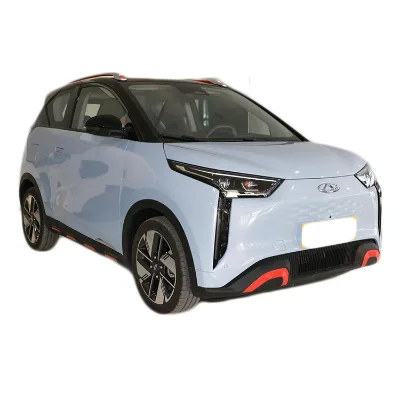

$1700.00 - $1800.00
MOQ: 1 Pieces

Popular and Best Sell Electric Car with CE Certificate for Adult Use
$1700.00 - $1800.00
MOQ: 1 Pieces


SUV Electric Carelectric Car Electric Car SUV Electric Car Low Speed Cars
$4080.00 - $4300.00
MOQ: 4 Pieces


Electric Car 5 Seater Electric Automobile Car Four Wheel Cheap Electric Car
$12000.00 - $20000.00
MOQ: 1 Sets


Electric Vehicles High Speed EV Car Family Car Electric Cars Adults Vehicle
$12000.00 - $20000.00
MOQ: 1 Sets

Energy Electric Vehicle Motors Car Automobile Cars Made in China Car SUV Electric
$12000.00 - $20000.00
MOQ: 1 Sets


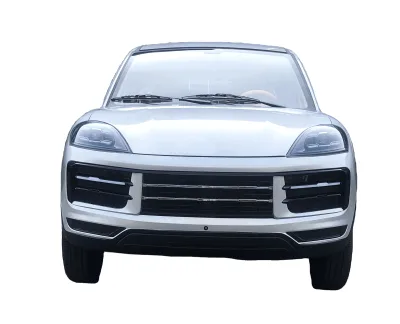


8 Seats Electric Classic Cars for Sale (Lt-S8. FB)
$6800.00 - $8000.00
MOQ: 1 Pieces
Guangdong Lvtong New Energy Electric Vehicle Technology Co., Ltd.
Comprehensive Sourcing Guide
Strategic Sourcing Guide for Pro Electric Vehicles
The global market for professional electric vehicles (EVs) has evolved from a niche segment into a critical component of modern logistics, fleet management, and high-performance transportation. For procurement officers and business buyers, navigating this landscape requires a rigorous, evidence-based approach. The following guide synthesizes available market data and technical specifications to provide a structured framework for sourcing "Pro Electric Car" solutions. This analysis focuses on distinguishing between high-performance passenger variants and specialized commercial units, ensuring that procurement decisions are grounded in verified attributes rather than marketing assertions.
Technical Specifications and Performance Differentiation
When evaluating pro electric vehicles, the primary differentiator lies in the specific technical architecture tailored to the intended application. The current market presents a clear divergence between high-performance consumer-grade models and utility-focused commercial units. Buyers must scrutinize the powertrain, battery chemistry, and dimensional constraints to ensure alignment with operational requirements.
High-end models in the current catalog exhibit extreme performance metrics. For instance, specific listings indicate a total motor power of 495 kW, enabling a 0-100 km/h acceleration time of 2.78 seconds. These vehicles often feature a dual-motor configuration supporting both 2WD and 4WD driver forms, paired with a triple lithium battery and lithium iron phosphate hybrid system. The battery capacity for such units is recorded at 101 kWh, supporting a CLTC pure electric range of 830 km. Fast charging capabilities are also critical, with observed charging times as low as 0.32 hours. These specifications suggest a vehicle designed for premium passenger transport or high-speed logistics where time efficiency is paramount.
In contrast, commercial and utility-focused electric vehicles prioritize durability and payload over top speed. A distinct category of vehicles, often designated by model codes such as YQDZ-01, presents a different technical profile. These units typically feature a single-speed transmission for electric vehicles, a permanent magnet/synchronous motor type, and a maximum motor power of 150 kW. The maximum torque is recorded at 310 N.M, with a top speed capped at 160 km/h. The battery chemistry for these units is specified as Ternary Lithium Battery, with a curb weight of 2120 kg. The physical dimensions vary significantly, with some models measuring 459218521629 mm, while others, such as the SU7 variant, measure 499719631455 mm.
| Feature | High-Performance Variant (SU7) | Commercial/Utility Variant (YQDZ-01) |
|---|---|---|
| Model Code | SU7 | YQDZ-01 |
| Body Type | Closed, Medium and Large Three-Box | Open, SUV Structure |
| Total Motor Power | 495 kW | 150 kW |
| 0-100 km/h Acceleration | 2.78 seconds | Not specified (Max Speed 160 km/h) |
| Battery Capacity | 101 kWh | Not specified (Ternary Lithium) |
| Range (CLTC) | 830 km | Not specified |
| Drive System | 2WD / 4WD | Rear Drive |
| Suspension (Front) | Double Wishbone Independent | Not specified |
| Suspension (Rear) | Five-Link Independent | Not specified |
| Braking System | Electromagnetic / Ventilated Disc | Not specified |
| Gearbox | Automatic | Single-Speed Transmission |
Buyers must verify these specifications against their specific operational needs. A vehicle with 495 kW power is likely over-specified and cost-inefficient for last-mile delivery, whereas a 150 kW unit may lack the necessary range or speed for inter-city logistics. The distinction between "Closed" and "Open" body types is equally critical, determining whether the vehicle is suitable for passenger transport or cargo hauling.
Compliance, Certification, and Safety Standards
In the B2B procurement of electric vehicles, compliance is not merely a formality but a prerequisite for market entry and operational legality. The supply chain for these vehicles often originates from China, as indicated by product origin data. Consequently, buyers must ensure that the vehicles meet the regulatory standards of their destination markets.
Certification checks are a vital step in the evaluation process. One observed category of vehicles carries the CE certification, indicating compliance with European health, safety, and environmental protection standards. However, the presence of CE certification on one model does not automatically extend to all units within a supplier's catalog. Buyers must request specific certification documents for the exact model being procured. Relying on general claims without verifying the certificate number and scope can lead to customs delays or legal liabilities.
Furthermore, safety standards regarding the braking system and suspension are paramount. The observed braking systems include electromagnetic brakes and ventilated disc brakes, which are essential for managing the high kinetic energy of heavy electric vehicles. The suspension systems, such as the double wishbone independent front suspension and five-link independent rear suspension found in high-performance models, are designed to maintain stability under heavy loads and high speeds. Buyers should verify that the braking and suspension components meet the specific safety regulations of their local jurisdiction, particularly regarding emergency stopping distances and load-bearing capacities.
Inspection protocols are another layer of compliance. Suppliers offer options for "Inside or Third Party" inspection. For large fleet acquisitions, engaging a third-party inspection agency is highly recommended to validate the vehicle's condition, verify the battery health, and ensure that the manufacturing standards match the contractual specifications. This independent verification mitigates the risk of receiving non-compliant or substandard units.
Cost Drivers and Pricing Structures
Understanding the cost structure of electric vehicles is essential for accurate budgeting and total cost of ownership (TCO) analysis. The observed price range in the market is exceptionally broad, spanning from $7 to $200,000 USD. This wide variance reflects the diversity of vehicle types, from small utility carts to high-performance luxury sedans.
Several factors drive these costs. First, the battery capacity and chemistry are primary cost determinants. A 101 kWh battery pack utilizing a mix of triple lithium and lithium iron phosphate technologies represents a significant capital investment compared to smaller capacity units. Second, the motor power and performance capabilities, such as the 495 kW output, directly influence the manufacturing cost. Third, the level of customization available allows buyers to tailor vehicles to specific needs, which can increase the unit price.
Payment terms and Incoterms also play a crucial role in the final cost. Suppliers typically accept payment via TT (Telegraphic Transfer) or LC (Letter of Credit), providing financial security for both parties. The price items are often quoted under various Incoterms, including EXW (Ex Works), FOB (Free on Board), CFR (Cost and Freight), and CIF (Cost, Insurance, and Freight). Buyers must carefully calculate the landed cost by adding freight, insurance, and import duties to the base price, especially when dealing with international shipping from China.
The Minimum Order Quantity (MOQ) is another significant cost driver. The observed MOQ range is 1 to 12,000 units. For small fleets or pilot programs, an MOQ of 1 set allows for low-risk testing. However, for large-scale deployments, negotiating a lower per-unit cost through higher volume orders is essential. Buyers should also consider the delivery time, which is listed as "Within 20 Days" for many units, though this can vary based on production schedules and shipping logistics.
Typical Applications and Operational Use Cases
The versatility of pro electric vehicles allows them to serve a wide array of applications, from high-speed passenger transport to specialized industrial logistics. The specific application dictates the required specifications, making it crucial for buyers to align their procurement with their operational goals.
High-performance models with 495 kW power and 830 km range are ideal for executive transport, high-speed shuttle services, or premium ride-hailing fleets where passenger comfort, speed, and range are critical. The closed body type and advanced suspension systems ensure a smooth and quiet ride, suitable for long-distance travel.
Conversely, open-body and SUV-structured vehicles are better suited for industrial environments, construction sites, or last-mile delivery in urban areas. The YQDZ-01 variant, with its 150 kW motor and 160 km/h top speed, is appropriate for medium-duty logistics where payload capacity and maneuverability are more important than top speed. The open body type facilitates the loading and unloading of goods, while the robust suspension handles uneven terrain.
The choice between 2WD and 4WD systems also influences application suitability. 4WD configurations are preferred for off-road or adverse weather conditions, providing better traction and stability. In contrast, 2WD systems are sufficient for paved urban environments and offer better energy efficiency. Buyers should assess their specific route conditions and weather patterns when selecting the drive mode.
Supplier Evaluation and Quality Assurance
Selecting the right supplier is a critical step in the procurement process. While specific supplier names should not be recommended, buyers can evaluate potential partners based on several key criteria derived from market observations.
First, verify the supplier's ability to provide customization. The market data indicates that customization is available, allowing buyers to tailor vehicles to specific branding or functional requirements. This flexibility is a strong indicator of a responsive and capable supplier.
Second, assess the supplier's quality control measures. The availability of "Inside or Third Party" inspection options suggests a commitment to quality. Buyers should prioritize suppliers who welcome third-party inspections and provide detailed quality reports. This transparency helps build trust and ensures that the delivered vehicles meet the agreed-upon specifications.
Third, evaluate the supplier's logistics capabilities. The observed delivery time of "Within 20 Days" and the availability of Roro or container shipping options indicate a mature logistics network. Buyers should confirm the supplier's ability to handle the specific shipping requirements of their destination, including packaging standards like "Normal Exporting Packages" or specialized containerization.
Finally, consider the supplier's financial stability and payment terms. The acceptance of TT or LC payments suggests a level of financial maturity. Buyers should ensure that the payment terms align with their company's financial policies and risk tolerance.
Long-Term Procurement Considerations
Sourcing electric vehicles is not a one-time transaction but a long-term strategic partnership. Buyers must consider the lifecycle costs, maintenance requirements, and future scalability of their fleet.
Battery longevity and replacement costs are significant long-term factors. The use of different battery chemistries, such as Ternary Lithium and Lithium Iron Phosphate, affects the lifespan and performance of the vehicle. Buyers should inquire about battery warranties, expected cycle life, and the availability of replacement batteries.
Maintenance and repair infrastructure are also crucial. The complexity of electric powertrains requires specialized technicians and tools. Buyers should verify that the supplier or local partners can provide adequate technical support and spare parts. The availability of standardized components, such as the single-speed transmission or specific suspension types, can simplify maintenance and reduce downtime.
Scalability is another consideration. As the fleet grows, buyers may need to expand their operations to new regions or add more specialized vehicles. A supplier with a broad product range and flexible customization options can support this growth more effectively than a limited-line provider.
Finally, buyers should stay informed about evolving regulations and technology trends. The electric vehicle market is rapidly evolving, with new standards and technologies emerging regularly. Maintaining a proactive approach to procurement, including regular reviews of supplier performance and market conditions, ensures that the fleet remains competitive and compliant in the long term.
In conclusion, sourcing pro electric vehicles requires a meticulous approach that balances technical specifications, compliance requirements, cost considerations, and long-term strategic goals. By leveraging the available market data and adhering to rigorous evaluation criteria, buyers can make informed decisions that optimize their fleet performance and operational efficiency.
FAQs
What is the maximum motor power for high-performance pro electric cars?
High-performance pro electric cars can reach a total motor power of 495 kW. This specification enables rapid acceleration and is typically paired with advanced battery systems for premium applications.
Can I customize the Pro Electric Car to meet specific business needs?
Yes, customization is available for pro electric cars to align with specific operational requirements. Buyers should discuss tailored features directly with suppliers to ensure the final configuration matches their unique use cases.
What is the typical delivery time for Pro Electric Car orders?
The delivery time for Pro Electric Car orders is typically within 20 days. This timeline applies to production and initial shipping, though final arrival depends on the chosen logistics method and destination.
Which battery capacity options are available for Pro Electric Car models?
Available battery capacity options include 101 kWh for high-performance variants. Some models utilize triple lithium and lithium iron phosphate combinations to support extended range and fast charging capabilities.
How is the Pro Electric Car body type classified in the catalog?
Pro electric cars are classified into closed and open body types. Closed models often feature a medium and large three-box design, while open variants are structured as SUVs for utility purposes.
What certifications are required for importing pro electric cars to Europe?
Some Pro Electric Car models carry CE certification for European compliance. Buyers must verify specific certification documents for the exact model to ensure they meet local safety and environmental regulations.
What is the minimum order quantity for purchasing pro electric cars?
The minimum order quantity for pro electric cars can be as low as 1 set. This allows for pilot programs, while larger orders may offer different pricing structures and shipping efficiencies.