Source Professional 16mm Capacitive Ecm Microphone for Voice, Music, Recording
Compare 28 Professional 16mm Capacitive Ecm Microphone options from verified suppliers. Buyers can evaluate specifications like sensitivity, impedance, and dimensions to find the right transducer for voice, music, or recording applications; compare the available evidence and request quotations based on your requirements.
Key considerations
Products List


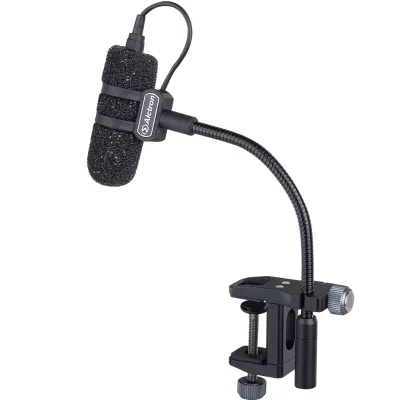
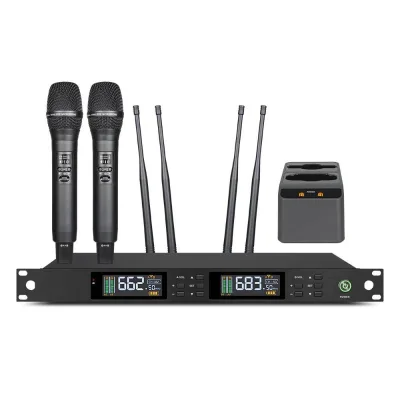
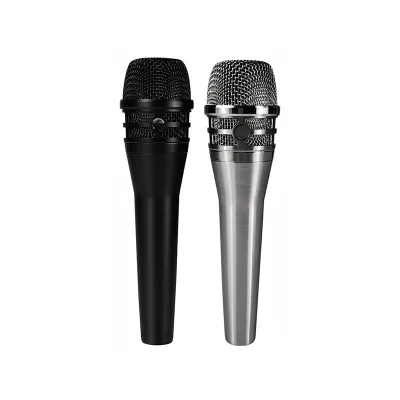


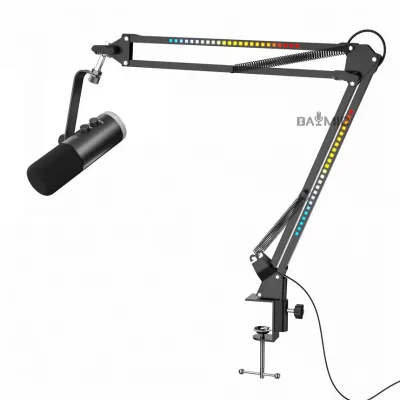
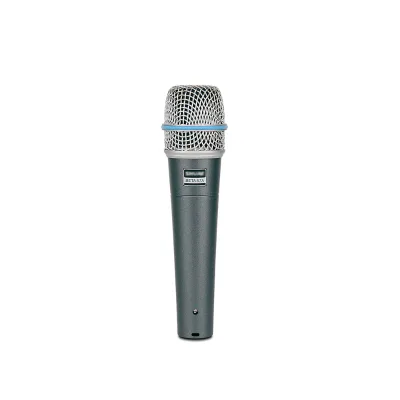
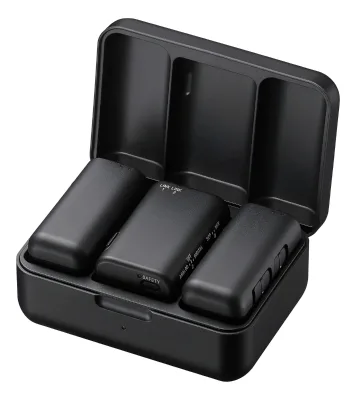

Comprehensive Sourcing Guide
Professional 16mm Capacitive Ecm Microphone Sourcing Guide
Sourcing professional-grade audio equipment requires a nuanced understanding of transducer technologies, particularly when evaluating condenser versus dynamic options. The market presents a diverse array of microphone models, ranging from compact handheld units to specialized drum mics, each with distinct electrical characteristics. Buyers must carefully distinguish between Electret Condenser Microphones (ECM) and other transducer types, as sensitivity, impedance, and frequency response vary significantly across these categories. This guide focuses on the specific attributes associated with 16mm capacitive capsules, ensuring that procurement decisions are grounded in verified technical data rather than generic marketing claims.
The observed product landscape includes various models such as the BM220, BM190, and DM3700, each serving different application needs from voice recording to instrument amplification. While some listings highlight 16mm capacitive capsules, others feature 22mm capsules or electromagnetic principles, necessitating rigorous verification of the exact component specifications. Understanding these distinctions is critical for aligning product selection with intended use cases, whether for studio recording, live performance, or broadcast environments. This guide provides a structured approach to navigating these complexities, helping buyers identify suppliers who offer transparent and accurate technical documentation.
Product Scope and Observed Listing Signals
The current market for professional microphones exhibits a wide price range, observed between $1.02 and $445 USD, reflecting significant variations in build quality, capsule technology, and included accessories. Minimum Order Quantities (MOQs) also vary substantially, ranging from single units for sample evaluation to bulk orders of up to 3,000 pieces for large-scale distribution. Buyers should note that while some products are marketed as "professional," the actual specifications, such as sensitivity and impedance, must be cross-referenced with the core keyword requirements. The presence of customization options and various packing methods, from cardboard boxes to aluminum alloy cases, further influences the total cost of ownership and logistical planning.
Observed listing signals indicate a mix of wired and wireless transmission types, with some products featuring XLR 3-pin connectors for professional studio integration. The application scope spans voice, music, and recording, with specific models designed for tom drums, kick drums, and general vocal use. However, buyers must be cautious of conflicting specifications within single listings, such as varying sensitivity levels or dimensions, which may indicate inconsistent product data. Verifying the exact model number, such as BM220 or BM78, is essential to ensure that the 16mm capacitive capsule and associated electrical properties match the procurement requirements. This diligence prevents mismatches between expected and delivered performance.
Technical Specifications to Verify
When evaluating microphones with 16mm capacitive capsules, verifying the transducer principle is paramount to ensure the product meets the ECM requirement. Some listings may incorrectly classify electromagnetic or dynamic microphones under similar headings, leading to confusion. Buyers must confirm that the specified capsule is indeed a capacitive type, as this directly impacts the microphone's sensitivity, frequency response, and output impedance. The observed data includes sensitivity ratings such as -28dB and -36dB, which vary based on the specific model and application. Ensuring that the transducer principle aligns with the intended use case is the first critical step in technical verification.
Impedance and signal transmission methods are equally important factors that influence system compatibility and audio quality. Observed specifications list output impedances ranging from 50-1000Ω and direct impedances around 200Ω, which must be matched with appropriate preamplifiers or interfaces. Additionally, the signal transmission type, whether wired or wireless, affects the microphone's suitability for live versus studio environments. Buyers should also verify dimensions and weight, as these physical attributes impact handling and mounting options. For instance, models like the BM220 have specific dimensions and weights that must be considered for ergonomic and spatial constraints in professional setups.
Compliance and Safety Documentation
While specific certification statuses are not explicitly detailed in the observed listings, buyers must ensure that all imported microphones comply with relevant regional safety and electromagnetic compatibility standards. This typically involves verifying compliance with directives such as CE, FCC, or RoHS, depending on the destination market. Suppliers should provide documentation confirming that the electronic components, including the capacitive capsule and internal circuitry, meet these regulatory requirements. Failure to obtain proper compliance documentation can result in customs delays, product recalls, or legal liabilities, making this a non-negotiable aspect of the procurement process.
Additionally, buyers should request detailed product specifications and test reports from suppliers to validate performance claims. Although specific test results are not provided in the observed data, reputable suppliers should be able to furnish data on frequency response, signal-to-noise ratio, and distortion levels. For products with wireless capabilities, verifying compliance with radio frequency regulations is essential. Ensuring that the supplier can provide comprehensive documentation not only mitigates regulatory risks but also demonstrates their commitment to quality and transparency, which are critical indicators of a reliable long-term partner.
Cost Drivers and Commercial Terms
The cost of professional microphones is influenced by several key factors, including the type of capsule, build materials, and included accessories. Models with 16mm capacitive capsules may vary in price based on the quality of the internal components and the precision of the manufacturing process. Observed listings show a wide price range, indicating that buyers can find options at various budget levels, but lower prices may correlate with reduced build quality or fewer features. Additionally, the choice between wired and wireless transmission, as well as the inclusion of accessories like aluminum alloy cases, can significantly impact the final unit cost.
Commercial terms, such as MOQs and payment conditions, also play a crucial role in the total cost of ownership. The observed MOQ range of 1 to 3,000 pieces allows for flexibility, but larger orders may offer better unit pricing. Buyers should negotiate terms that align with their inventory management strategies and cash flow requirements. It is also important to consider shipping costs and lead times, which can vary based on the supplier's location and production capacity. Clear communication regarding these commercial terms helps avoid unexpected expenses and ensures a smooth procurement process from order placement to delivery.
Supplier Qualification and Quality Control
Selecting a reliable supplier for professional microphones requires thorough due diligence to ensure consistent quality and service. Buyers should verify the supplier's manufacturing capabilities, including their experience with capacitive capsule production and assembly processes. Requesting samples for evaluation is a critical step to assess build quality, sound performance, and adherence to specified technical parameters. Suppliers who are transparent about their production processes and willing to accommodate customization requests are often more reliable partners for long-term procurement needs.
Quality control measures should be clearly defined and agreed upon before placing orders. This includes establishing acceptance criteria for defects, sensitivity variations, and physical damage. Buyers should inquire about the supplier's quality assurance protocols, such as incoming material inspections, in-process checks, and final product testing. Additionally, verifying the supplier's warranty policies, such as the observed 3-month warranty, provides insight into their confidence in product durability. Establishing a robust quality control framework helps minimize risks and ensures that the procured microphones meet the required professional standards.
Long-Term Procurement Checks
Establishing a long-term procurement strategy for professional microphones involves regular performance monitoring and supplier relationship management. Buyers should track key performance indicators, such as defect rates, delivery times, and customer feedback, to assess supplier reliability over time. Continuous communication with suppliers regarding market trends, technological advancements, and product updates ensures that the procurement strategy remains aligned with evolving business needs. Building a strong partnership with suppliers can lead to better pricing, priority support, and access to new product innovations.
Additionally, buyers should periodically review and update their technical specifications to reflect changes in industry standards and customer expectations. This includes staying informed about advancements in capacitive capsule technology and wireless transmission methods. Regular audits of supplier compliance with safety and environmental regulations are also essential to mitigate risks and maintain brand reputation. By proactively managing these aspects, buyers can ensure a stable and efficient supply chain, supporting their business growth and customer satisfaction in the competitive professional audio market.
FAQs
What transducer principle does the BM220 use?
The BM220 uses a condenser microphone transducer principle. It features a 16mm capacitive capsule and operates with a sensitivity of -28db. This design supports voice, music, and recording applications effectively.
Which microphone model has a 22mm capacitive capsule?
The TM11 model features a 22mm capacitive capsule. Its dimensions are 22mm by 121mm maximum, and it weighs 123g. This lightweight design makes it suitable for portable recording scenarios.
Can I find professional microphones with customization options?
Yes, customization is available for these professional microphones. Buyers can request specific configurations to meet unique production needs. This flexibility allows for tailored solutions across various audio recording environments.
What is the output impedance range for these devices?
The output impedance ranges from 50 to 1000 ohms. Specific models like the BM220 list an impedance of 200 ohms. This range ensures compatibility with various audio interfaces and mixing consoles.
How are the DM3700 microphones packaged for shipping?
The DM3700 microphones are packaged in an aluminum alloy case. This robust packaging protects the unit during transit. The total weight including packaging is 2650 grams, ensuring safe delivery.
Which models support stereo sound channels?
The BM220 model supports stereo sound channels. It utilizes a line column type sound field force for optimal audio capture. This feature enhances the recording quality for professional music and voice applications.
What is the warranty period for these products?
The warranty period for these products is three months. This coverage applies to the professional microphone units sold. Buyers should verify specific terms with the supplier for detailed protection information.