Source Protective EVA Musical Instrument Case for Travel, Storage, and Outdoor Use
Find 30 Protective EVA Musical Instrument Case options from Guangdong suppliers. Compare models like NS-967 and NS-1214 for ukulele, guitar, and harmonica storage. Features include waterproof, shockproof, and custom logo capabilities with OEM/ODM support; compare the available evidence and request quotations based on your requirements.
Updated
Key considerations
Products List
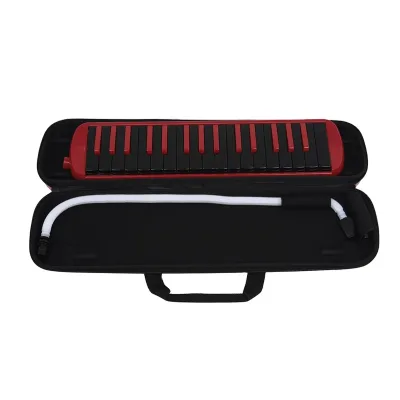
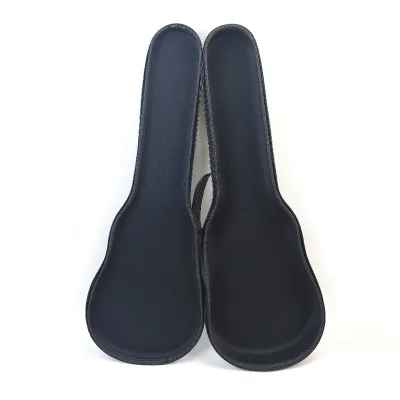
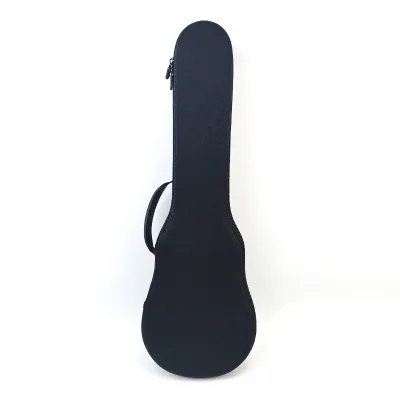
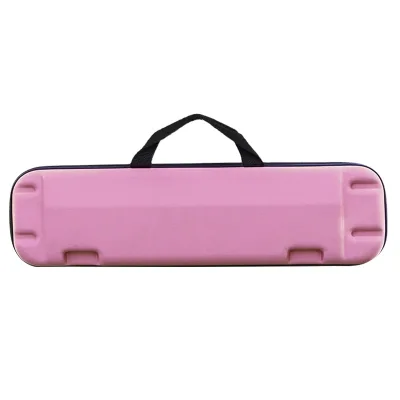
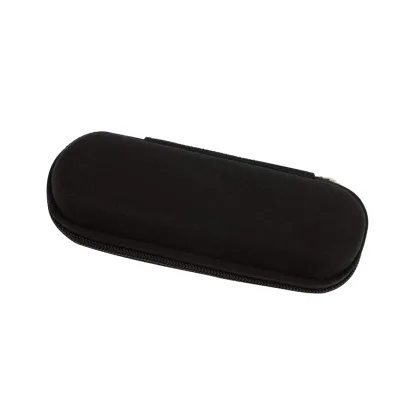
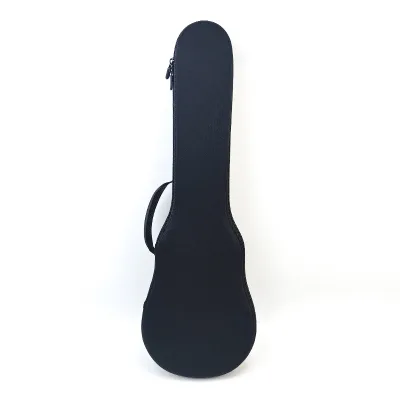
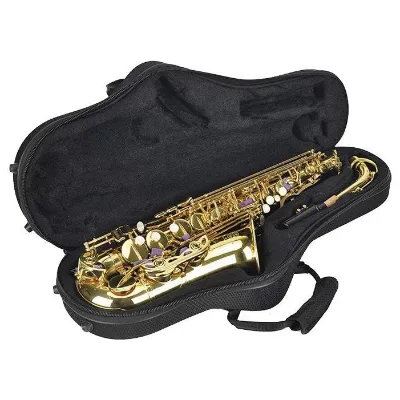
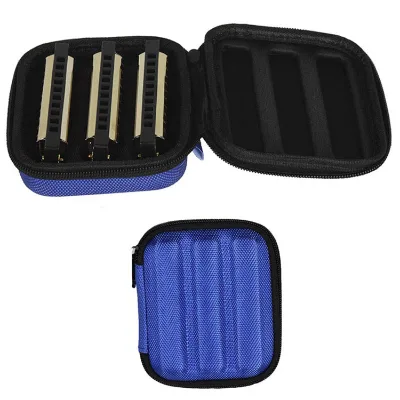


Waterproof Shockproof Plastic Protective Case for Musical Instrument Guitar Hard Case
$230.00 - $350.00
MOQ: 100 Pieces


Promotional Zipper EVA Guitar Case Electronic Backpack Portable Music Instrument Bag
$13.50 - $13.56
MOQ: 100 Pieces


Comprehensive Sourcing Guide
Protective EVA Musical Instrument Case Sourcing Guide
EVA (Ethylene-Vinyl Acetate) cases represent a critical category of protective packaging for musical instruments, offering a balance of durability, lightweight portability, and cost-effectiveness. These cases are engineered to shield delicate instruments such as guitars, basses, ukuleles, and harmonicas from physical shock, dust, and moisture during transit and storage. The material’s inherent resilience makes it ideal for travelers and outdoor enthusiasts who require reliable protection without the excessive weight of hard-shell alternatives. Buyers must understand that while EVA provides excellent cushioning, the specific performance depends heavily on the density of the foam and the quality of the outer shell construction.
Procuring these cases involves navigating a diverse market of manufacturers, primarily concentrated in regions like Guangdong, China, where supply chains are mature and competitive. The observed product landscape includes specialized variants for different instruments, ranging from compact mouth organ bags to larger guitar and bass cases. Each variant presents unique sizing and feature requirements, necessitating a clear definition of the end-use application before engaging with suppliers. Understanding the specific protective needs, such as shock absorption for fragile strings or water resistance for outdoor camping, is essential for selecting the right product configuration and avoiding costly mismatches between the case design and the instrument’s physical dimensions.
Product Scope and Observed Listing Signals
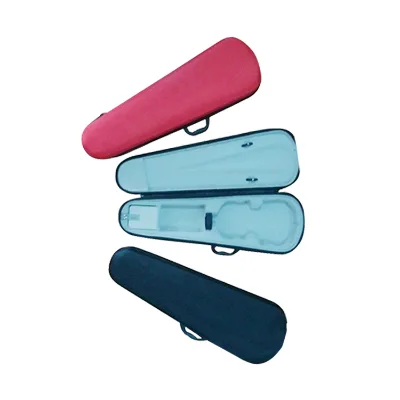
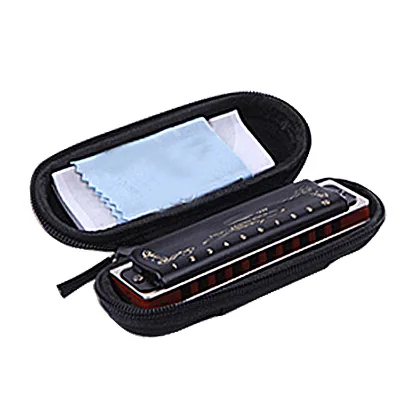
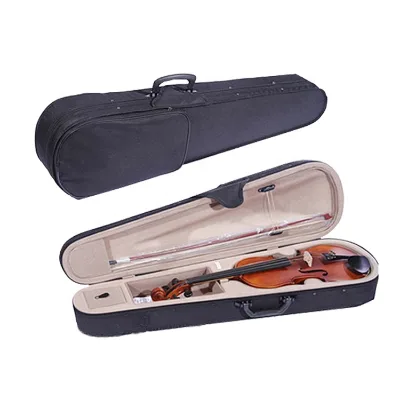
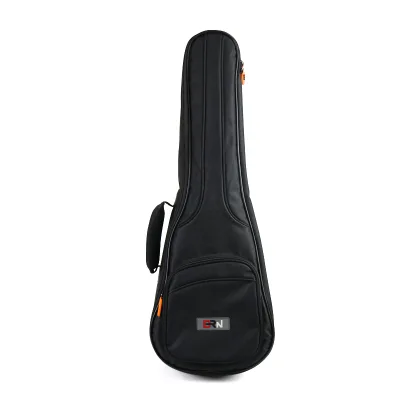
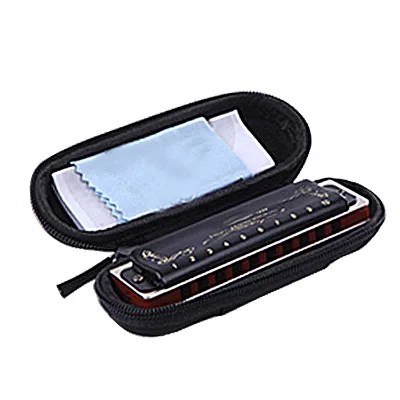
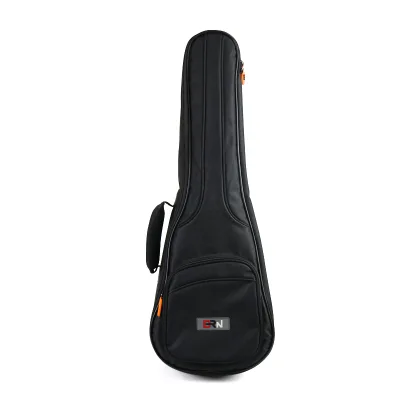
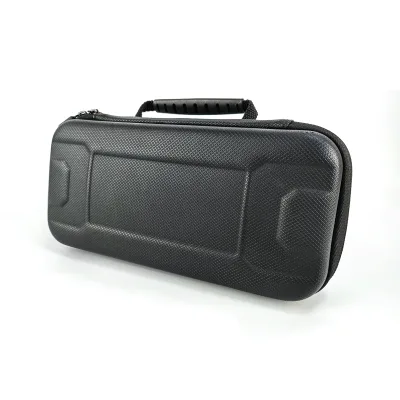
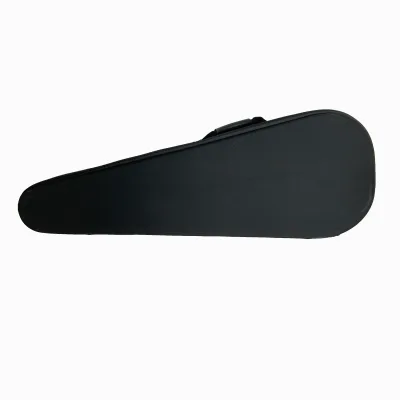
The current market listings reveal a wide spectrum of EVA case applications, including specific models for electronic organs, guitars, basses, and ukuleles. Key attributes observed include customizable colors such as pink, black, or bespoke brand colors, allowing for strong visual identity integration. Features frequently highlighted by suppliers include waterproofing, shockproof construction, and lightweight portability, which are critical for travel and camping scenarios. The presence of zipper closures and hardcase structures indicates a focus on secure containment and structural integrity. Buyers should note that while "waterproof" is a common claim, the degree of protection often varies, with some products specifying "water resistant" instead, requiring careful verification of the material’s actual performance under wet conditions.
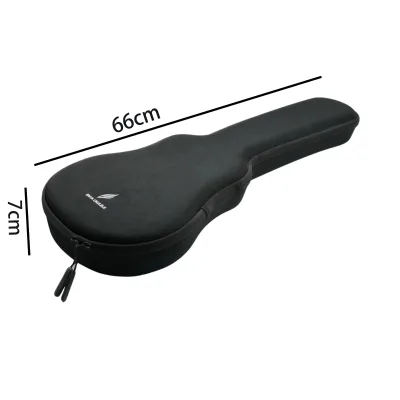
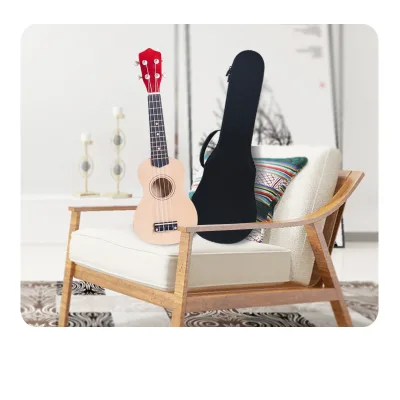
Model numbers such as NS-967, NS-1214, and NS-966 suggest a standardized production framework among certain manufacturers, facilitating easier reordering and consistency. The observed single package sizes vary significantly, from compact dimensions like 12.55.53cm for harmonica bags to larger formats like 66X22X7.5cm for ukulele cases. This variance underscores the importance of verifying internal dimensions against the specific instrument being protected. Additionally, the acceptance of customized logos and OEM/ODM services indicates that many suppliers are equipped to handle branded orders, making these cases suitable for retail distribution or corporate gifting. Buyers must ensure that the chosen model aligns with their target market’s aesthetic preferences and functional requirements.
Technical Specifications to Verify
Dimensional accuracy is paramount when sourcing EVA cases, as even minor discrepancies can render a case unusable for its intended instrument. Buyers must verify the external and internal measurements against the physical dimensions of the target instrument, accounting for any necessary clearance for padding and hardware. Observed specifications include sizes like 516.513cm for electronic organ cases and 22066075mm for other variants, highlighting the need for precise matching. The single gross weight, ranging from approximately 3.7kg to 5.0kg for larger cases, impacts shipping costs and user portability. It is crucial to confirm whether the listed weight includes packaging materials, as this affects the final landed cost and handling logistics for the end consumer.
Material composition and construction details also require rigorous verification. While EVA is the standard material, the density and thickness of the foam lining significantly influence shock absorption capabilities. Buyers should request samples to assess the firmness of the foam and the durability of the outer shell. The closure mechanism, typically a zipper, must be tested for smooth operation and resistance to jamming or breaking under stress. Additionally, the quality of the stitching and edge binding should be inspected to ensure long-term structural integrity. Confirming these technical details through physical samples or detailed technical drawings is essential to prevent product failures and customer complaints in the field.
Compliance and Safety Documentation
Regulatory compliance is a non-negotiable aspect of international procurement, particularly when dealing with materials that may come into direct contact with consumers. Buyers must ensure that the EVA material used in the cases meets relevant safety standards for chemical composition, such as restrictions on phthalates or heavy metals, depending on the target market’s regulations. The observed certification mentions of ISO9001 and BSCI indicate a commitment to quality management and social responsibility, respectively. While these certifications do not directly certify product safety, they suggest that the supplier operates under a structured quality control system, which is a positive indicator for consistent product quality and ethical manufacturing practices.
Documentation requirements should be clearly defined in the purchase agreement to avoid customs delays or market access issues. Buyers should request material safety data sheets (MSDS) and test reports from accredited laboratories to verify the absence of harmful substances. For products marketed as waterproof or water-resistant, buyers may need to request specific test results demonstrating the level of protection achieved under standardized conditions. Additionally, if the cases are intended for children or specific age groups, compliance with toy safety standards may be necessary. Proactively addressing these documentation needs ensures a smoother supply chain and reduces the risk of regulatory penalties or product recalls in the destination market.
Cost Drivers and Commercial Terms
The pricing of EVA cases is influenced by several key factors, including material costs, customization complexity, and order volume. The observed price range of $0.49 to $700 USD reflects the diversity in product types, from simple harmonica bags to complex, large-capacity guitar cases. Customization options such as logo printing, color matching, and unique packaging can significantly impact the unit cost. Buyers should negotiate based on tiered pricing structures, where higher volumes yield better per-unit costs. The minimum order quantity (MOQ) typically ranges from 1 to 1000 pieces, with some suppliers requiring higher MOQs for customized designs. Understanding these cost drivers allows buyers to optimize their order quantities and balance inventory costs with cash flow requirements.
Commercial terms and payment structures are critical components of the procurement agreement. The observed payment term of a 30% deposit plus 70% balance before shipment is common in the industry, providing a balance of security for both parties. Buyers should also consider the lead time, which can range from 5-7 days for samples to 30-45 days for bulk production. Delays in sample approval or material sourcing can extend these timelines, so it is essential to establish clear milestones and communication protocols. Additionally, buyers should clarify the packaging details, such as polybag and carton box configurations, to ensure efficient storage and shipping. Transparent commercial terms help mitigate financial risks and ensure a predictable supply chain.
Supplier Qualification and Quality Control
Selecting a reliable supplier is foundational to securing high-quality EVA cases. Buyers should conduct thorough due diligence, verifying the supplier’s business license, production capacity, and export experience. The presence of certifications like ISO9001 and BSCI, as observed in some listings, serves as a preliminary indicator of operational maturity. However, buyers should go beyond documentation by requesting factory audits or third-party inspections to assess actual production capabilities and quality control processes. Engaging with suppliers who offer OEM/ODM services can provide flexibility, but it is crucial to ensure they have the technical expertise to execute custom designs accurately and consistently.
Quality control measures must be integrated into the procurement process to minimize defects and ensure product consistency. Buyers should define clear quality standards and inspection criteria, including checks for material defects, stitching quality, and functional performance of zippers and closures. Implementing a pre-shipment inspection (PSI) is highly recommended to verify that the bulk production matches the approved sample. Additionally, establishing a clear protocol for handling defects, including replacement or refund policies, protects the buyer from financial loss. Regular communication with the supplier regarding production progress and quality issues helps maintain alignment and addresses potential problems before they escalate, ensuring a smooth and successful procurement cycle.
Long-Term Procurement Checks
Sustaining a successful sourcing relationship requires ongoing monitoring and evaluation of supplier performance. Buyers should track key performance indicators such as on-time delivery rates, defect rates, and responsiveness to issues. Regular feedback loops with the supplier can help identify areas for improvement and foster a collaborative partnership. As market trends and consumer preferences evolve, buyers should periodically review the product portfolio to ensure it remains relevant and competitive. This may involve exploring new materials, designs, or features that enhance the value proposition for end-users. Continuous improvement initiatives can lead to cost savings and increased customer satisfaction over time.
Risk management is another critical aspect of long-term procurement. Buyers should diversify their supplier base to mitigate the risk of supply chain disruptions, such as raw material shortages or geopolitical issues. Maintaining a buffer stock of critical components or finished goods can provide resilience against unexpected demand spikes or production delays. Additionally, staying informed about regulatory changes and market dynamics ensures that the procurement strategy remains compliant and aligned with business objectives. By proactively addressing these long-term considerations, buyers can build a robust and adaptable supply chain that supports sustainable growth and operational excellence in the protective case market.
FAQs
What materials are used for these protective cases?
The cases are constructed from durable EVA material, providing robust protection for musical instruments. This material ensures the cases are lightweight yet shockproof and water-resistant. The design prioritizes safety during travel and outdoor activities, making it ideal for protecting delicate instruments like guitars, basses, and ukuleles from impact and environmental factors.
Can I customize the logo and color of the case?
Yes, customized logos and colors are highly welcomed for these protective cases. Buyers can select from options like pink, black, or other customized colors to match their brand identity. The OEM and ODM services are warmly accepted, allowing for tailored designs that meet specific aesthetic requirements while maintaining the product's functional durability and protective features.
What is the minimum order quantity for these cases?
The minimum order quantity is typically 500 pieces for these protective cases. This MOQ applies to standard orders, though specific requirements may vary based on customization needs. Buyers should note that sample times are generally 5-7 days, and bulk delivery times range from 30 to 45 days after deposit confirmation, ensuring structured production planning.
Are these cases suitable for travel and camping?
Yes, these cases are specifically designed for travel and camping applications. They feature portable, durable, and lightweight constructions that are easy to carry. The waterproof and dustproof properties ensure instruments remain safe during outdoor adventures. The zipper closure and hardcase design provide secure storage, making them practical for musicians who frequently transport their gear to various locations.
What certifications do these protective cases hold?
These protective cases hold ISO9001 and BSCI certifications, indicating adherence to quality management and social compliance standards. These certifications ensure that the manufacturing processes meet international benchmarks for quality and ethical practices. Buyers can rely on these credentials for assurance of product consistency and responsible sourcing, which are critical for B2B procurement and brand reputation management.
How are the cases packaged for shipping?
The cases are packaged in polybags and carton boxes for safe shipping. Each unit is individually wrapped in a polybag to prevent scratches, then placed in a sturdy carton box. This packaging method protects the products during transit and storage. The single gross weight varies by model, ranging from approximately 3.7 kg to 5.0 kg, ensuring secure handling and efficient logistics.