Source eco-friendly silicone phone holder for Air Outlet, Desk, and Car
Compare 30 eco-friendly silicone phone holder options from verified Chinese manufacturers. Buyers can evaluate models like PH-013 and 14318 for car air outlet, desk, and mobile phone applications with customizable features and varying MOQs; compare the available evidence and request quotations based on your requirements.
Updated
Key considerations
Products List
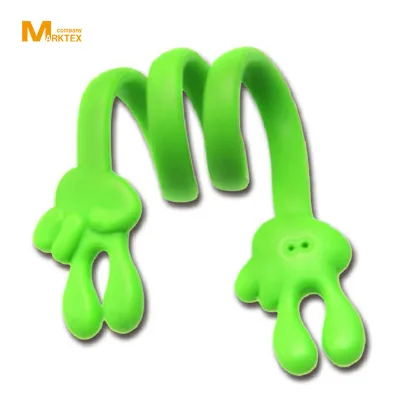


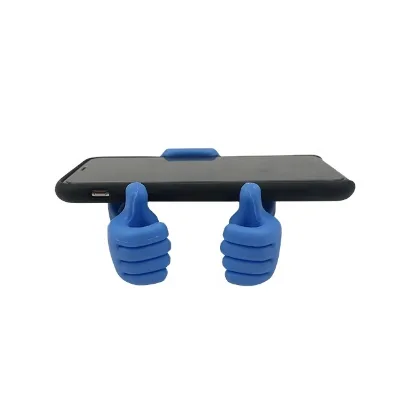
Promotional Gift Flexible Silicone Mobile Phone Case Stand Holder with Lanyard
$0.50 - $0.70
MOQ: 500 Pieces


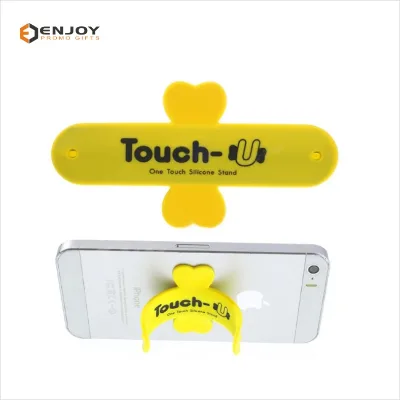
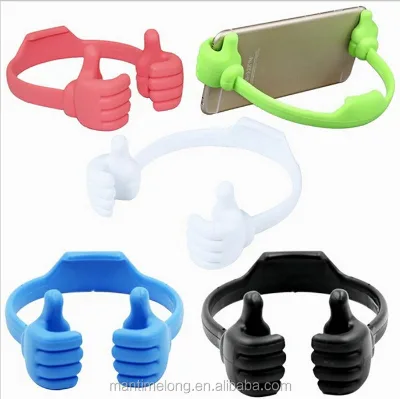

Mobile Phone Mount Holder with Plastic+ Silicone Stand Mobile Phone Holder
$2.19 - $2.38
MOQ: 100 Pieces

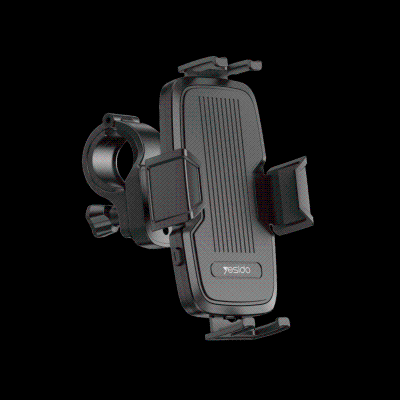
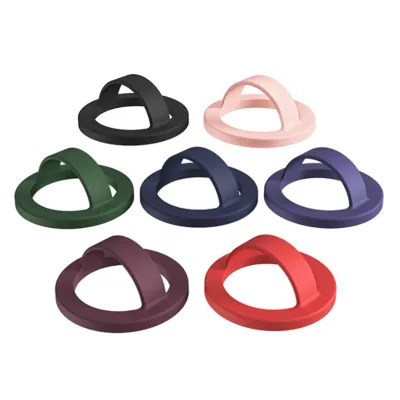

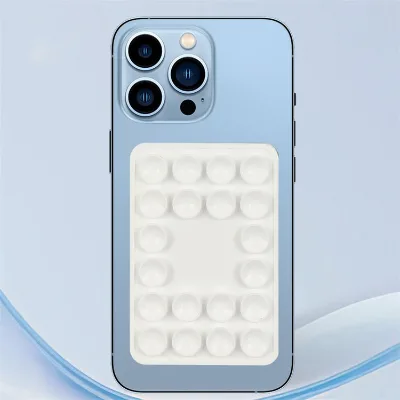
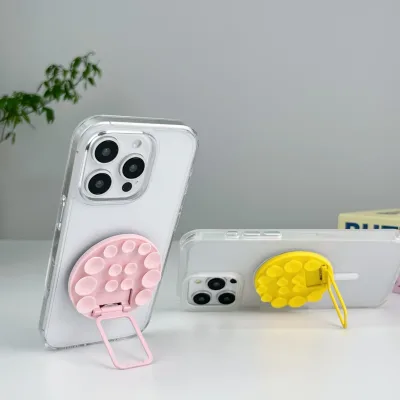
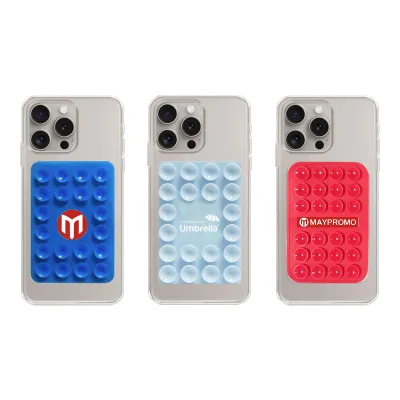
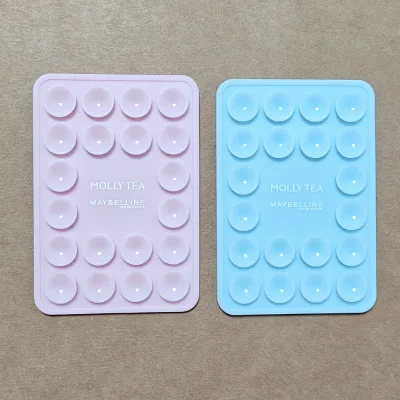
China Manufacturer Square Mobile Stand Custom Logo Silicone Cell Phone Holder
$0.48 - $0.52
MOQ: 1000 Pieces






Comprehensive Sourcing Guide
Eco-Friendly Silicone Phone Holder Sourcing Guide
Procuring eco-friendly silicone phone holders requires a disciplined approach to material verification and functional design. Buyers must distinguish between pure silicone variants and composite materials that may include ABS plastic components, as this distinction directly impacts both the environmental claims and the structural durability of the final product. The market offers diverse form factors, ranging from simple cord holders to complex air-vent mounts, each demanding specific engineering considerations for stability and ease of use.
Sourcing decisions should be guided by observed listing signals that indicate supplier maturity and product versatility. Key indicators include the availability of customization options, such as embossed or debossed logos, which are critical for branded promotional campaigns. Additionally, verifying the origin of production, often centered in regions like Guangdong or Ningbo, helps assess supply chain reliability. Buyers should also note the variety of color options available, ensuring the supplier can meet specific brand identity requirements without compromising the eco-friendly narrative.
Product Scope and Observed Listing Signals
The product scope for eco-friendly silicone phone holders encompasses a wide array of utility items, including cable winders, mobile phone holders, and air outlet mounts. Observed listings frequently highlight features such as suction-based installation methods, which provide secure attachment to smooth surfaces without damaging vehicle interiors. These products are often marketed as promotional novelty gifts, emphasizing their dual role as functional accessories and brand-building tools for corporate clients seeking sustainable merchandise options.
Listing signals also reveal significant variation in packaging and shipping logistics, which are crucial for total landed cost calculations. Suppliers typically offer export carton packaging, with some specifying quantities like 250 pieces per carton to optimize container space. Shipping methods are generally flexible, allowing for air, sea, or express delivery depending on order urgency and volume. Buyers should carefully review these logistical details to ensure they align with their inventory management strategies and delivery timelines, avoiding unexpected delays or storage issues.
Technical Specifications to Verify
Technical verification begins with confirming the exact material composition, as some products combine silicone with ABS plastic to enhance rigidity. Buyers must verify dimensions against their specific device compatibility needs, noting that sizes can range from compact 85x43mm holders to larger 135x70x45mm mounts. The presence of specific model numbers, such as PH-013 or 14318, allows for precise reordering and quality consistency checks. It is essential to ensure that the physical specifications match the functional requirements, particularly for holders intended for heavy smartphones or tablets.
Further technical due diligence involves assessing the customization capabilities and printing methods available for branding. Silk screen printing is a common technique for applying logos, but buyers should confirm the durability of the print against wear and tear. Additionally, verifying the standard versus non-standard classification of the product helps determine if off-the-shelf solutions are sufficient or if custom tooling is required. Understanding these technical nuances prevents mismatches between marketing promises and the actual performance of the phone holder in real-world usage scenarios.
Compliance and Safety Documentation
Compliance verification is paramount when sourcing eco-friendly products, as terms like "eco-friendly" must be substantiated by credible documentation. Buyers should request material safety data sheets and any relevant environmental certifications to validate the sustainability claims. While specific certification statuses are not universally listed, understanding the regulatory landscape of the destination market is essential. This includes ensuring that the silicone used meets food-grade or non-toxic standards, particularly if the product is marketed for general consumer use or promotional giveaways.
Safety documentation also extends to the structural integrity of the holder, especially for suction-based or air-vent mounted devices. Buyers should inquire about stress testing results to ensure the holder can securely support the weight of modern smartphones without failing. Although specific test data may not be publicly available, establishing a requirement for such verification during the supplier qualification phase is critical. This proactive approach mitigates the risk of product failures that could lead to customer complaints or damage to devices, protecting the buyer’s brand reputation.
Cost Drivers and Commercial Terms
Cost drivers for eco-friendly silicone phone holders include material quality, customization complexity, and order volume. Minimum order quantities (MOQs) vary significantly, with some suppliers requiring as few as 500 pieces while others demand 3000 or more. Buyers must balance their budget constraints with the need for sufficient inventory to meet demand. Understanding the price range, which can span from low-cost basic items to higher-priced customized versions, helps in setting realistic procurement budgets and forecasting margins accurately.
Commercial terms such as lead times and sample availability are critical for supply chain planning. Typical delivery times may range around 15 days, with sample times taking 5-7 days. These timelines can impact launch schedules and inventory replenishment cycles. Buyers should negotiate clear terms regarding payment schedules, shipping responsibilities, and return policies for defective goods. Establishing these commercial parameters early in the negotiation process ensures transparency and reduces the risk of unexpected costs or delays that could disrupt business operations.
Supplier Qualification and Quality Control
Supplier qualification requires a thorough assessment of manufacturing capabilities and quality control processes. Buyers should verify the supplier’s place of origin, with many manufacturers located in industrial hubs like Fujian or Jiangsu, to assess their logistical advantages. It is crucial to evaluate their experience in producing silicone products and their ability to maintain consistent quality across large production runs. Requesting references or case studies from previous clients can provide insights into the supplier’s reliability and professionalism.
Quality control measures should be explicitly defined in the purchase agreement, including inspection protocols and acceptance criteria. Buyers should consider implementing pre-shipment inspections to verify that the products meet the agreed-upon specifications for size, color, and functionality. Establishing a clear communication channel for addressing defects or discrepancies is also essential. By prioritizing suppliers with robust quality control systems, buyers can minimize the risk of receiving substandard products and ensure a positive end-user experience.
Long-Term Procurement Checks
Long-term procurement success depends on continuous monitoring of supplier performance and market trends. Buyers should regularly review supplier delivery times, product quality, and responsiveness to ensure they remain aligned with business needs. Building a strong relationship with suppliers can lead to better pricing, priority production slots, and access to new product innovations. Regular audits or site visits, if feasible, can provide deeper insights into manufacturing practices and identify areas for improvement.
Additionally, staying informed about changes in material regulations and consumer preferences for eco-friendly products is vital. Buyers should periodically reassess their product specifications to ensure they remain competitive and compliant with evolving standards. Engaging in open dialogue with suppliers about future needs and potential customizations can foster collaboration and drive mutual growth. By maintaining a proactive approach to supplier management, buyers can secure a reliable supply chain and sustain their competitive advantage in the market.
FAQs
What materials are used for the eco-friendly silicone phone holder?
The product is primarily made from silicone, with some models incorporating ABS plastic for added durability. This combination ensures the holder remains flexible yet sturdy. The material choice supports the eco-friendly claim, making it suitable for sustainable sourcing requirements. Buyers can select between pure silicone or silicone-ABS blends depending on their specific functional needs.
Can the eco-friendly silicone phone holder be customized with a logo?
Yes, customization is available for embossed or debossed logos on the product surface. This allows brands to enhance visibility and brand recognition effectively. The customization option is explicitly listed as available for these silicone holders. Buyers seeking branded promotional items can request these specific logo application methods to meet their marketing objectives.
What is the typical lead time for ordering these phone holders?
The standard delivery time is approximately 15 days after order confirmation. This timeline applies to bulk production runs for the silicone cord holders. Buyers should account for this lead time when planning inventory. Shipping methods such as air, sea, or express can be selected to further manage the overall timeline based on urgency.
What are the minimum order quantities for these silicone phone holders?
Minimum order quantities vary by supplier, with observed ranges starting from 500 pieces up to 3000 pieces. Some listings indicate an MOQ of 3000 PCS, while others accept orders as low as 500 PCS. Buyers should verify the specific MOQ with the supplier to ensure it aligns with their procurement volume and budget constraints.
Where are these eco-friendly silicone phone holders manufactured?
These products originate from manufacturing hubs in China, specifically Guangdong and Ningbo regions. Some sources also list Fujian and Jiangsu as places of origin for similar items. Buyers can filter suppliers by these specific Chinese provinces to locate manufacturers with established production capabilities for silicone-based phone accessories.
What colors are available for the silicone phone holder?
Available colors include green, black, grey, orange, yellow, and blue. The green variant is frequently highlighted in product listings. Buyers can choose from this range of standard colors to match their brand identity or market preferences. Custom color options may also be available depending on the supplier's capabilities and order volume.