Source Waterproof Shockproof Guitar Case for Travel, Gig, and Storage
Find 30 Waterproof Shockproof Guitar Case options from direct factories in China. Compare models like XHL-3002 and GC-1005, featuring impact resistance, foam interiors, and OEM branding for daily life and musical instrument protection; compare the available evidence and request quotations based on your requirements.
Updated
Key considerations
Products List

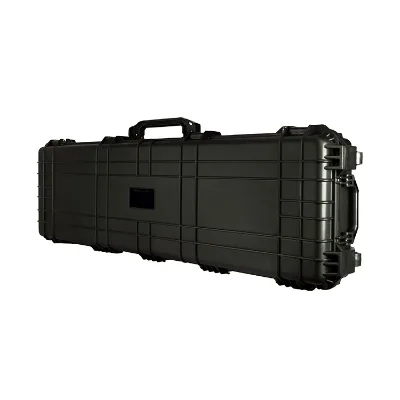
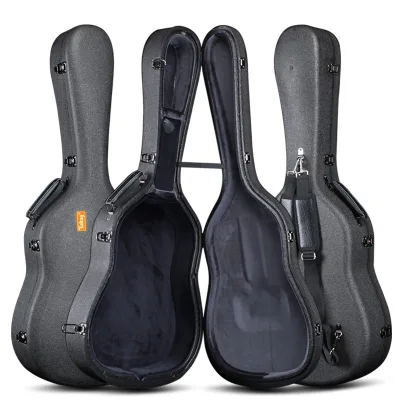
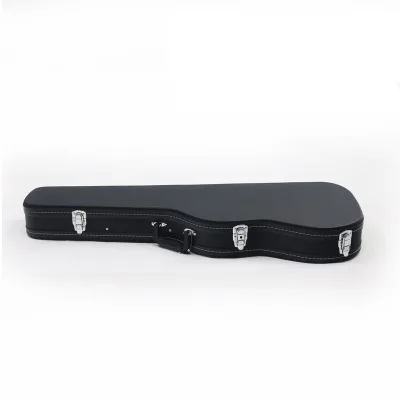
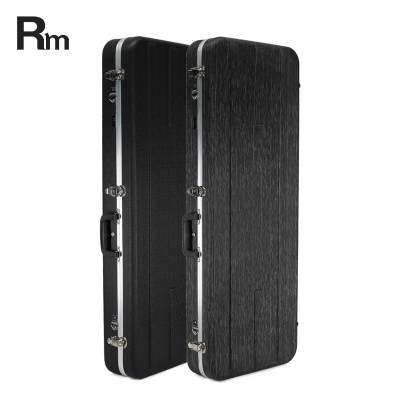
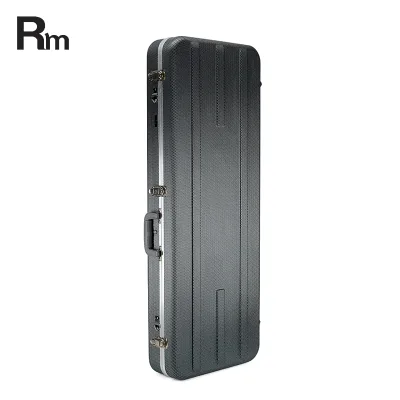
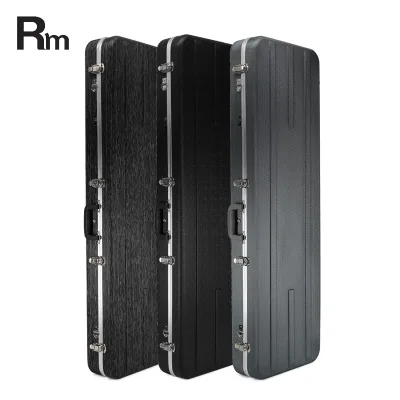
Waterproof Shockproof Plastic Protective Case for Musical Instrument Guitar Hard Case
$230.00 - $350.00
MOQ: 100 Pieces

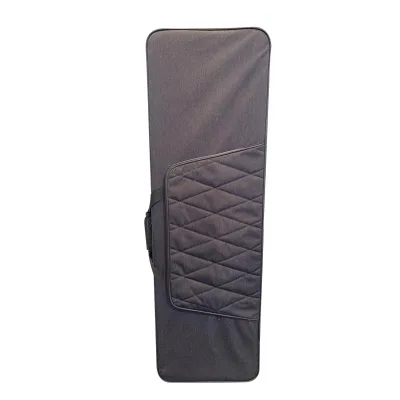


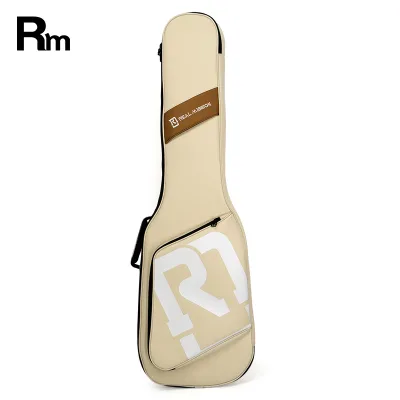
Waterproof Portable Padded Guitar Case Gig Bag Dustproof Protective Electric Guitar Bags
$12.59 - $18.69
MOQ: 500 Pieces

Wholesales High Quality Classical Guitar Case Shockproof Guitar Case Bag Bass
$9.66 - $13.82
MOQ: 500 Pieces

Custom Water-Resistant Mini Guitar Case Gig Bag Bass Guitar Bag for Kids
$5.99 - $8.23
MOQ: 500 Pieces

Classical Water Resistant Protective 41 Inch Acoustic Electric Guitar Foam Case Bag
$12.59 - $18.69
MOQ: 500 Pieces

Bass Guitar Gig Bag Thick Padding Soft Bass Case for Musical Instrument
$8.27 - $11.99
MOQ: 500 Pieces

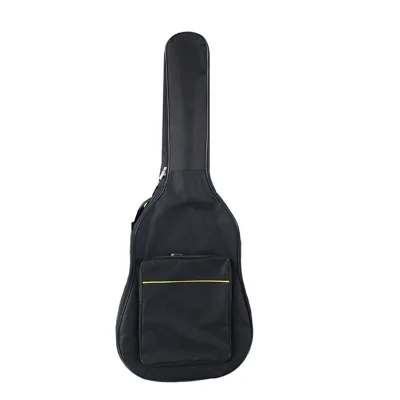
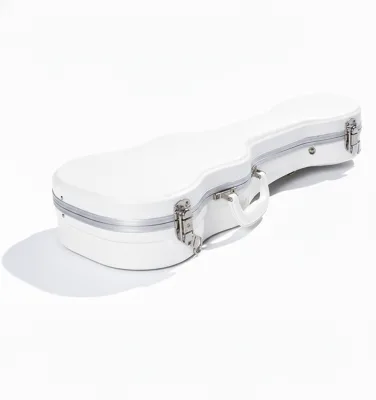


Wholesale 41 Inch Shockproof Instrument Soft Case Gig Acoustic Guitar Bag
$3.69 - $5.99
MOQ: 50 Pieces

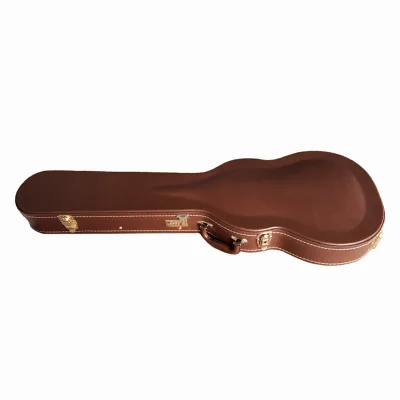
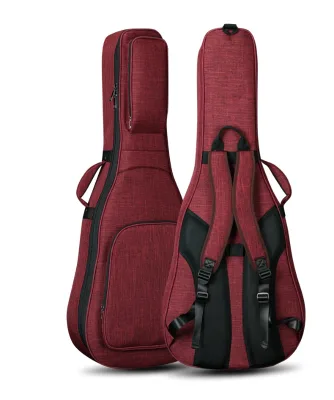
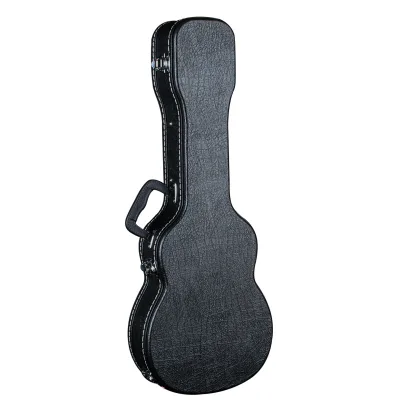
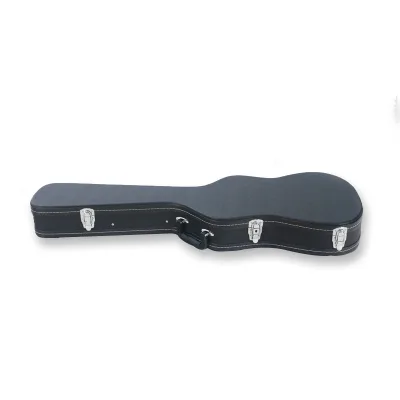

Comprehensive Sourcing Guide
Waterproof Shockproof Guitar Case Sourcing Guide
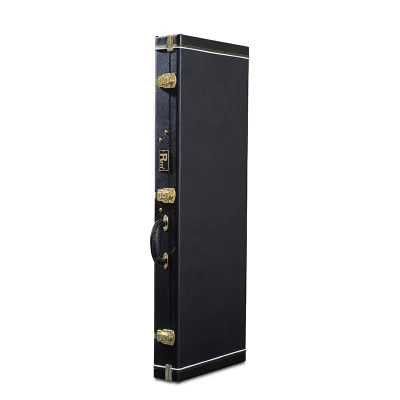
Sourcing a waterproof and shockproof guitar case requires a disciplined approach to material selection and structural design verification. Buyers must prioritize cases that combine durable outer shells with impact-absorbing internal linings to protect valuable instruments during transit. The observed market includes options ranging from hard-shell cases with aluminum and leather covers to padded gig bags featuring foam construction. Understanding these material distinctions is critical for determining the appropriate level of protection needed for specific use cases, whether for professional touring or daily storage.
Procurement teams should evaluate the customization capabilities of suppliers to ensure the final product meets specific branding and functional requirements. Many manufacturers offer OEM services, allowing for logo printing and tailored dimensions to fit various guitar models. It is essential to verify that the chosen case maintains its protective integrity while accommodating these customizations. Buyers must also consider the mobility features, such as wheels or ergonomic straps, which enhance usability for musicians who frequently transport their equipment across different venues and travel environments.
Product Scope and Observed Listing Signals
The current market landscape for guitar protection equipment reveals a diverse range of product types, including hard cases, gig bags, and specialized instrument boxes. Listings indicate that materials vary significantly, with some products utilizing plastic or foam for lightweight portability, while others employ aluminum and leather for maximum durability. The observed specifications show standard dimensions such as 1200470175mm and 1346406155mm, suggesting that buyers must carefully match case sizes to their specific instrument models to ensure a secure fit. This variability underscores the importance of verifying exact internal dimensions before placing bulk orders.
Key features highlighted in supplier listings include waterproof and dustproof capabilities, which are essential for protecting instruments from environmental hazards. Many products are designed with single or double open configurations, offering different access methods for quick changes or secure storage. Additionally, the presence of impact resistance and movable features indicates a focus on both protection and user convenience. Buyers should note that some cases are marketed for daily life use, while others are tailored for outdoor activities like camping and travel, requiring different levels of ruggedness and weather resistance.
Technical Specifications to Verify
When evaluating technical specifications, buyers must confirm the exact dimensions and internal layout of the case to ensure compatibility with their instruments. Standard sizes observed include 1230470195mm and large formats, but deviations can occur based on manufacturer designs. It is crucial to verify the inside material, such as flannelette or polyester, which provides cushioning and prevents scratches on the guitar's finish. The hardness of the padding, described as medium soft, should be assessed to balance comfort with adequate shock absorption during rough handling or accidental drops.
Structural integrity is further defined by the case's shape and locking mechanisms. Rectangular designs are common, but buyers should inspect the quality of the locks, which may include key-operated systems for added security. The body material, whether wood, plastic, or a composite, plays a significant role in the case's overall weight and durability. Additionally, the packing method, such as individual plastic bags or export carton boxes, affects shipping efficiency and cost. Buyers must ensure that the case design supports the intended usage, whether for gym, work, or outdoor adventures, without compromising on protective standards.
Compliance and Safety Documentation
Compliance with international safety and environmental standards is a critical aspect of sourcing guitar cases, particularly those intended for global distribution. Buyers should request documentation confirming that materials meet relevant regulations, such as RoHS and PVC-free standards, which restrict the use of hazardous substances. This is especially important for cases with leather or synthetic covers, as well as those containing foam or plastic components. Verifying these certifications ensures that the products are safe for consumers and compliant with import regulations in various markets.
Quality management systems also play a vital role in ensuring consistent product performance. Suppliers may hold ISO9001 certification, indicating a structured approach to quality control throughout the manufacturing process. Buyers should inquire about the specific quality tests conducted on the cases, including impact resistance and waterproofing efficacy. While specific test results may not always be publicly listed, requesting detailed quality reports can provide assurance that the cases will perform as advertised under real-world conditions. This due diligence helps mitigate risks associated with product failures or customer complaints.
Cost Drivers and Commercial Terms
Several factors influence the cost of waterproof and shockproof guitar cases, including material selection, customization requirements, and order volume. Cases made from premium materials like aluminum and leather typically command higher prices than those constructed from plastic or foam. Customization options, such as logo printing and tailored dimensions, can also increase production costs. Buyers should negotiate based on the total value proposition, considering not just the unit price but also the durability and protective features that justify the investment.
Commercial terms, including minimum order quantities (MOQ) and sample times, are essential for planning procurement strategies. Observed MOQs can range from small quantities for testing to larger volumes for bulk orders, with some suppliers requiring 500 pieces for certain models. Sample times, often around five to seven days, allow buyers to evaluate product quality before committing to large purchases. Understanding these terms helps in budgeting accurately and managing inventory levels effectively, ensuring that supply chain operations remain smooth and cost-efficient.
Supplier Qualification and Quality Control
Supplier qualification is a pivotal step in ensuring the reliability of guitar case procurement. Buyers should verify that suppliers are direct factories, which can offer better control over production quality and pricing compared to trading companies. The place of origin, such as Guangdong or Tianjin in China, may indicate specific manufacturing capabilities and supply chain efficiencies. Conducting thorough background checks on suppliers helps identify those with a proven track record of producing high-quality, durable cases that meet international standards.
Quality control measures should be integrated into the procurement process to maintain consistency across orders. Buyers should establish clear acceptance criteria based on observed specifications, such as material thickness, stitching quality, and hardware durability. Regular inspections, either through third-party agencies or internal teams, can help identify defects early in the production cycle. Additionally, maintaining open communication with suppliers regarding any quality issues ensures that corrective actions are taken promptly, safeguarding the brand's reputation and customer satisfaction.
Long-Term Procurement Checks
Long-term procurement success depends on continuous monitoring of supplier performance and product quality. Buyers should establish key performance indicators (KPIs) to track metrics such as on-time delivery, defect rates, and customer feedback. Regular reviews of these metrics help identify trends and areas for improvement, allowing for proactive adjustments to sourcing strategies. Building strong relationships with suppliers fosters collaboration and innovation, leading to better product offerings and more favorable commercial terms over time.
Adapting to market changes and evolving customer needs is essential for maintaining a competitive edge. Buyers should stay informed about new materials, designs, and technologies that enhance the protective capabilities of guitar cases. Periodic audits of the supply chain can reveal potential risks, such as material shortages or regulatory changes, allowing for timely mitigation. By maintaining a flexible and responsive procurement approach, buyers can ensure a steady supply of high-quality guitar cases that meet the demands of their customers and support long-term business growth.
FAQs
What materials are used for the waterproof guitar case?
The case uses plastic as the primary material with an inside layer of flannelette or polyester foam. Some models feature an aluminium and leather cover for enhanced durability. These materials ensure the instrument remains protected from moisture and impact during transport.
Can I customize the guitar case with my own logo?
Yes, customization is available for the guitar case including logo printing options. Buyers can request specific branding on the exterior surface. This service allows businesses to create unique products while maintaining the standard waterproof and dustproof protection features.
What are the standard dimensions for the guitar case model?
Standard dimensions vary by model, with sizes like 1200 by 470 by 175 millimeters or 1346 by 406 by 155 millimeters. Specific models such as XHL-3002 and GC-1005 have defined measurements. These sizes accommodate different guitar types while ensuring a secure fit.
How is the guitar case packed for export shipping?
The case is packed individually in a plastic bag and then grouped into export carton boxes. Typically, six pieces are placed in one carton. This packaging method ensures the product remains secure and undamaged during international transit from the factory in China.
What is the minimum order quantity for the guitar bag?
The minimum order quantity is 500 pieces for the guitar bag model. This requirement applies to standard orders from the direct factory. Buyers should plan their procurement accordingly to meet this threshold while accessing the available customization and pricing options.
Which certifications does the guitar case meet for safety?
The product quality reaches RoHS standards and is free from PVC and Pfc substances. These certifications ensure the materials are safe for daily life and musical instrument use. The factory adheres to ISO9001 standards for consistent manufacturing quality across all produced units.
Where is the guitar case manufactured and shipped from?
The guitar case is manufactured in Guangdong and Tianjin, China. The products originate from direct factories located in these regions. This location allows for efficient logistics and direct sourcing from the production facility to the buyer.