Source PSA Medical Oxygen Refilling Machine for Hospitals
Find and compare 30 PSA Medical Oxygen Refilling Machine options from Chinese manufacturers. Evaluate specifications like purity, capacity, and certification to select suitable equipment for medical and industrial gas cylinder filling applications.
Key considerations
Products List


Hospital Gas Equipents Electric Psa Oxygen Refilling Machine for Cylinder Filling
$10000.00 - $50000.00
MOQ: 1 Pieces


Medical Equipment for Sale Factory Price Psa Oxigen Oxygen Refilling Machine Price
$5000.00 - $50000.00
MOQ: 1 Pieces


Psa Medical Oxygen Generator Plant and Oxygen Cylinder Refilling Machine
$1000.00 - $198000.00
MOQ: 1 Pieces


High Purity Automatic Medical Psa Oxygen Generator System Oxygen Concentrator
$1000.00 - $198000.00
MOQ: 1 Pieces

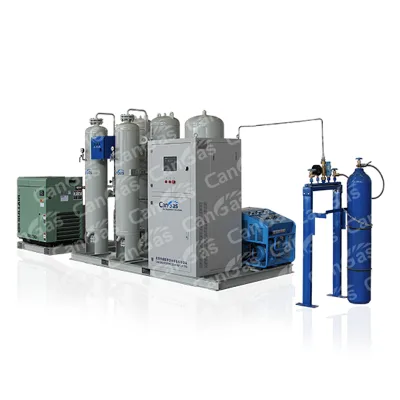


Gas Separation Equipment Psa Oxygen Concentrator Medical and Industry Use
$6380.00 - $19990.00
MOQ: 1 Sets

Hot Sale Psa Oxygen Plant Oxygen Producing Machine From Manufacturer
$20000.00 - $88000.00
MOQ: 1 Sets

Oxygen Generator Psa Oxygen Making Machine with Filling Cylinder System
$5000.00 - $6000.00
MOQ: 1 Sets


Psa Oxygen Generator Oxigen Making Machine with Filling Cylinder System
$5000.00 - $6000.00
MOQ: 1 Sets


Used for High Purity Oxygen Production Equipment in Hospital Oxygen Concentrators
$82000.00 - $86000.00
MOQ: 1 Sets
Comprehensive Sourcing Guide
PSA Medical Oxygen Refilling Machine Sourcing Guide
Procuring a PSA (Pressure Swing Adsorption) medical oxygen refilling machine requires a disciplined approach to technical verification and supplier qualification. These systems are engineered to generate high-purity oxygen directly from ambient air, eliminating the logistical complexities of transporting compressed gas cylinders. For medical facilities, industrial gas filling stations, and remote healthcare centers, the ability to produce oxygen on-site ensures a continuous supply chain that is resilient to external disruptions. The core value proposition lies in the integration of adsorption technology with precise monitoring controls, allowing for the efficient filling of medical cylinders at standardized pressures. Buyers must navigate a market where equipment ranges from small-scale hospital units to large industrial plants, each requiring specific validation of purity, capacity, and operational stability.
The sourcing process is heavily influenced by the observed diversity in product listings, which often present conflicting or incomplete technical data. While the market offers a wide array of options, buyers must distinguish between generic industrial generators and those specifically certified for medical use. Key differentiators include the purity levels achieved, the noise profiles of the compressors, and the sophistication of the monitoring systems. A robust sourcing strategy involves cross-referencing supplier claims with tangible evidence such as CE, ISO, and SGS certifications. Furthermore, understanding the specific operational parameters, such as dew point requirements and filling pressures, is critical to ensuring the equipment meets the stringent demands of medical gas applications. This guide provides a structured framework for evaluating these machines based on verified attributes and industry best practices.
Product Scope and Observed Listing Signals
The current market landscape for PSA medical oxygen refilling machines reveals a broad spectrum of capacities and configurations. Listings indicate a significant variation in production capabilities, with observed oxygen capacities ranging from small-scale outputs of 1-50 Nm³/h to large industrial systems capable of producing 3-5000 Nm³/h. This wide range suggests that buyers must clearly define their volumetric requirements before engaging with suppliers. Some units are designed specifically for cylinder filling stations with capacities of 2-400 bottles, while others are integrated into larger hospital medical equipment systems. The presence of customization options for color, filling pressure, and capacity indicates that manufacturers are increasingly tailoring their offerings to specific site constraints and operational needs, rather than providing a one-size-fits-all solution.
Observed listing signals also highlight the importance of monitoring and control technologies in modern PSA systems. Many suppliers emphasize APP-based monitoring and on-site control interfaces, which allow for real-time tracking of production metrics and system health. This digital integration is a key feature for modern medical facilities that require remote diagnostics and automated alerts to maintain uninterrupted oxygen supply. Additionally, the advertised advantages often include low noise levels and extended operational lifetimes, with some claims suggesting more than 10 years of operation. Buyers should view these signals as starting points for verification rather than guaranteed specifications. The diversity in product models, such as ETS, ETO, and JYZY-185, further underscores the need for careful selection based on specific technical requirements rather than general marketing claims.
Technical Specifications to Verify
Verifying the technical specifications of a PSA oxygen machine is the most critical step in the procurement process. Purity is a primary concern, with observed listings showing variations such as 92.5%-93.5% and 93%+-3%. Buyers must confirm that the system consistently delivers oxygen purity that meets medical standards, typically requiring a stable output within the 90%-95% range. The dew point is another crucial parameter, with some listings specifying a dew point of less than -45 degrees Celsius, which is essential for preventing moisture-related issues in medical gas delivery systems. Additionally, the oxygen pressure capabilities, ranging from 0.5 MPa to 15 MPa, must align with the filling requirements of the target cylinders, which often operate at 150 bar or customized pressures.
The physical and operational characteristics of the equipment also require detailed scrutiny. Buyers should verify the voltage requirements, with 220V being a common specification, and ensure that the power infrastructure at the installation site is compatible. The standard dimensions of the units, such as 15009001500 mm up to larger configurations, must be considered in relation to the available floor space. Furthermore, the choice of molecular sieve technology, such as UOP, can impact the efficiency and longevity of the adsorption process. It is also important to confirm the filling capacity in terms of bottle volume and the associated filling pressure settings. Buyers should request detailed technical datasheets that specify these parameters under various load conditions to ensure the equipment can handle peak demand without compromising purity or pressure stability.
Compliance and Safety Documentation
Compliance with international standards is non-negotiable for medical oxygen equipment. Buyers must insist on comprehensive certification documentation, including CE, ISO, SGS, and TUV marks. These certifications indicate that the manufacturer has adhered to rigorous quality management and safety protocols. Specifically, ISO 13485 is a critical standard for medical device manufacturers, ensuring that the production processes meet the requirements for quality management in the medical device industry. While some listings mention ISO 9001, which is a general quality management standard, ISO 13485 provides the specific assurance needed for medical applications. Buyers should verify the validity of these certificates and ensure they cover the specific models being procured, as certifications can sometimes be limited to certain product lines.
Safety features and operational warnings are also integral to the documentation package. The low noise level claims should be supported by decibel measurements, particularly for installations in close proximity to patient care areas. Additionally, the warranty terms, such as the 18-month period after shipment mentioned in some listings, provide a baseline for post-installation support. Buyers should also inquire about the availability of spare parts and the technical support structure provided by the supplier. The packaging, often described as wooden cases, should be evaluated for its ability to protect the equipment during transit, especially for international shipments. Ensuring that all safety interlocks, pressure relief valves, and emergency shutdown mechanisms are documented and tested is essential for safe operation.
Cost Drivers and Commercial Terms
The cost of a PSA Medical Oxygen Refilling Machine is influenced by several key factors, including capacity, purity levels, and the level of automation. Larger capacity units, such as those producing 5000 Nm³/h, will naturally command higher prices than smaller hospital-based systems. The inclusion of advanced monitoring features, such as APP-based control and remote diagnostics, can also add to the initial investment. Buyers should be aware that the observed price range in the market is vast, spanning from $120 to $500,000, which reflects the diversity in system sizes and complexities. It is crucial to obtain detailed quotations that break down the costs of the main unit, compressors, dryers, and control systems to avoid hidden expenses.
Commercial terms and logistics also play a significant role in the total cost of ownership. The minimum order quantity (MOQ) is often listed as 1, indicating that suppliers are willing to handle single-unit orders, which is common for specialized medical equipment. However, buyers should negotiate clearly on delivery terms, as lead times can vary significantly based on the customization required. Some listings mention delivery times of 4bar/customized, which may refer to pressure settings rather than time, highlighting the need for clear communication. Packaging in wooden cases is standard, but buyers should confirm who is responsible for export documentation and customs clearance. Additionally, the warranty period and the scope of after-sales service should be explicitly defined in the contract to protect against unexpected maintenance costs.
Supplier Qualification and Quality Control
Selecting a reliable supplier is as important as selecting the right equipment. Buyers should prioritize manufacturers with a proven track record in the medical gas industry, particularly those with origins in established manufacturing hubs like Changsha or Yancheng in China. These regions often have clusters of specialized equipment manufacturers with deep expertise in PSA technology. Verification of the supplier’s production capabilities is essential, including visits to their facilities or requests for virtual tours to assess their quality control processes. Buyers should also inquire about the sourcing of key components, such as molecular sieves and compressors, to ensure they are from reputable brands that guarantee performance and longevity.
Quality control measures should be integrated into the procurement process from the outset. Buyers should request factory acceptance test (FAT) reports that demonstrate the equipment’s performance under load, including purity, pressure, and dew point measurements. It is also advisable to specify third-party inspection requirements before shipment to verify that the delivered goods match the agreed specifications. The supplier’s ability to provide comprehensive installation and commissioning support is another key indicator of their reliability. Buyers should ensure that the supplier offers training for local technicians and provides detailed operation and maintenance manuals. Establishing a clear communication channel for technical support during the warranty period is crucial for resolving any issues that may arise post-installation.
Long-Term Procurement Checks
Long-term procurement success depends on the sustainability of the supplier relationship and the ongoing performance of the equipment. Buyers should establish a maintenance schedule that includes regular checks of the molecular sieve, filters, and valves to ensure consistent oxygen purity and pressure. The advertised operational lifetime of more than 10 years suggests that the equipment is built for durability, but this depends heavily on proper maintenance and operating conditions. Buyers should negotiate for a long-term supply agreement for spare parts, particularly for consumables like filters and desiccants, to avoid downtime due to part shortages. Additionally, staying informed about technological advancements in PSA systems can help buyers plan for future upgrades or expansions.
Regular performance audits are also recommended to ensure that the equipment continues to meet medical standards over time. Buyers should monitor key performance indicators such as energy consumption, purity stability, and maintenance frequency. Any deviations from expected performance should be investigated promptly to prevent potential disruptions in oxygen supply. Furthermore, buyers should maintain open lines of communication with the supplier for feedback on operational issues and to discuss potential improvements. By proactively managing the lifecycle of the PSA oxygen refilling machine, medical facilities can ensure a reliable, cost-effective, and safe oxygen supply for their patients and operations. This approach minimizes risks and maximizes the return on investment in the long run.
FAQs
What is the oxygen purity level of this machine?
The oxygen purity level is typically between 92.5% and 93.5%. Some models may offer purity below 90.0% depending on specific configuration and operational settings.
Can the machine be customized for specific needs?
Yes, customization is available for various parameters including color, filling pressure, and capacity. Buyers can request specific modifications to fit their medical or industrial requirements.
Which certifications does the equipment hold?
The equipment holds multiple certifications including CE, ISO, RoHS, SGS, and TUV. Some models also carry UL certification to ensure compliance with international safety standards.
How long is the warranty period for the system?
The standard warranty period is 18 months after shipment. This coverage ensures reliability for medical and industrial gas generator applications during the initial operational phase.
What is the maximum filling pressure supported?
The filling pressure can reach up to 150 bar or be customized based on buyer requirements. This supports efficient cylinder filling for both medical and industrial gas applications.
Where are these machines manufactured?
These machines are manufactured in Changsha and Yancheng, China. The production origin ensures adherence to specific manufacturing standards for pressure swing adsorption technology.
What is the expected operational lifespan of the unit?
The unit is designed for more than 10 years of operation. This long run time ensures durability and consistent performance for hospital and industrial gas production needs.