Source PSA Small Noiseless Oxygen Module for Medical, Home, and Industrial Use
Find 30 verified options for the PSA Small Noiseless Oxygen Module suitable for medical institutions, home care, and industrial gas generation. Compare specifications including flow rate, purity, and power consumption to select the right supplier.
Key considerations
Products List


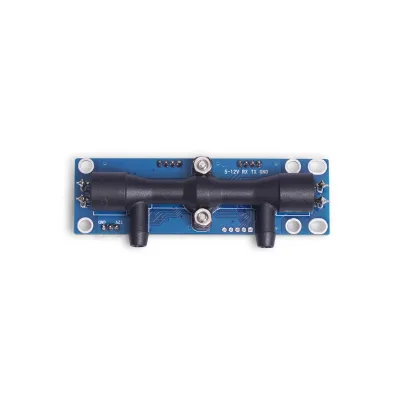
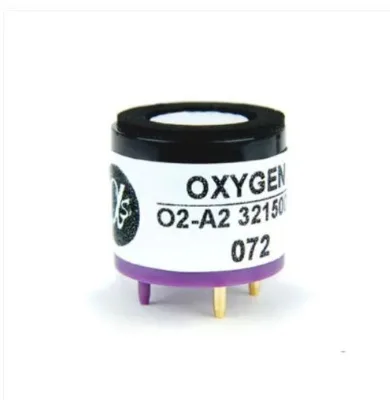


220V Industrial Psa 10L Oxygen Generator Module with 95% Oxygen Purity
$5000.00 - $6000.00
MOQ: 1 Sets


Comprehensive Sourcing Guide
PSA Small Noiseless Oxygen Module Sourcing Guide
Procuring a PSA Small Noiseless Oxygen Module requires a disciplined approach to verifying technical performance, compliance documentation, and supplier reliability. These systems utilize Pressure Swing Adsorption technology to separate oxygen from ambient air, offering a compact and efficient solution for various medical and industrial applications. Buyers must navigate a market where specifications vary significantly, ensuring that the selected unit meets precise purity, flow rate, and noise level requirements. This guide provides evidence-based procurement strategies to help buyers make informed decisions when sourcing these critical gas generation systems.
The following sections detail the essential considerations for sourcing PSA oxygen modules, from understanding product scope and technical specifications to evaluating compliance, cost drivers, and long-term supplier performance. By focusing on verified facts and established industry practices, buyers can mitigate risks and secure equipment that delivers consistent, high-quality oxygen output. This structured approach ensures that procurement teams can confidently evaluate suppliers, negotiate favorable terms, and establish reliable supply chains for their operational needs.
Product Scope and Observed Listing Signals
The observed product landscape for PSA small noiseless oxygen modules reveals a diverse range of offerings, with prices spanning from $1 to $50,000 USD and minimum order quantities (MOQs) typically ranging from 1 to 20 units. This wide price variance suggests significant differences in capacity, customization options, and included features, such as advanced monitoring systems or specialized packaging. Buyers should carefully analyze the specific model numbers and technical attributes listed, such as the IND-5 and IND-10 series, to understand the capacity and performance tier of each offering. The presence of customized options indicates that suppliers are willing to tailor units to specific operational requirements, which can be crucial for integrating these modules into existing infrastructure.
Observed listings highlight key attributes such as oxygen purity levels, with some units offering 93%+-3% purity and others exceeding 94.5%. Flow rates vary from 0.5-5L/Min to 0.5-10L/Min, catering to different application demands, while power consumption ranges from 300W to 880W. These variations directly impact operational efficiency and suitability for specific environments, such as medical institutions or home use. Additionally, features like noiseless operation, portable installation, and air-cooling methods are prominently advertised, addressing common concerns regarding space constraints and user comfort. Buyers must cross-reference these observed signals with their specific technical requirements to ensure alignment.
Technical Specifications to Verify
Verifying the core technical specifications of a PSA oxygen module is paramount to ensuring it meets operational needs. Key parameters to confirm include oxygen purity, flow rate, and outlet pressure, which are critical for maintaining consistent performance. For instance, some models specify an outlet pressure of 0.04-0.07Mpa (6-10Psi), which must be compatible with downstream equipment. Buyers should also verify the power consumption, as units with lower wattage, such as 300W or 880W, offer different energy efficiency profiles. Understanding these specifications helps in selecting a module that balances performance with energy costs and operational stability.
The technology employed, typically Pressure Swing Adsorption (PSA), should be confirmed, along with the type of molecular sieve used, such as Uop or China Top Supplier options. These components directly influence the longevity and efficiency of the oxygen generation process. Additionally, cooling methods, such as air-cooling, and frequency requirements (50-60Hz) must be checked to ensure compatibility with the local power grid and environmental conditions. Buyers should also inquire about the control mechanisms, including on-site or APP monitoring capabilities, which enhance operational oversight and maintenance efficiency.
Compliance and Safety Documentation
Compliance with international standards is essential for ensuring the safety and reliability of PSA oxygen modules. Buyers should verify that suppliers provide relevant certifications, such as CE, RoHS, ISO, SGS, and TUV, which indicate adherence to quality and safety regulations. Some listings mention specific certifications like CE/RoHS or CE/RoHS/UL, which may be required depending on the destination market and application type. Ensuring that the equipment meets these standards is crucial for legal compliance and for maintaining high safety protocols in medical or industrial settings.
In addition to certifications, buyers should request detailed documentation regarding the manufacturing process and quality control measures. This includes information on the production origin, such as Hebei or Changsha in China, and the standard packaging methods, like carton cases or wooden cases, which protect the equipment during transit. Warranty terms, such as an 18-month period after shipment, should also be clearly defined and documented. These documents provide assurance of the supplier’s commitment to quality and their willingness to support the product post-purchase, reducing the risk of operational disruptions.
Cost Drivers and Commercial Terms
Several factors influence the cost of PSA small noiseless oxygen modules, including capacity, customization options, and included features. Units with higher flow rates, greater purity levels, or advanced monitoring systems typically command higher prices. Buyers should also consider the impact of customization, such as specific color options (white or silver) or tailored dimensions, which may incur additional costs. Understanding these cost drivers helps in budgeting accurately and negotiating favorable terms with suppliers.
Commercial terms, including delivery times and payment conditions, are critical components of the procurement process. While some listings mention delivery times like 4bar/customized, buyers should clarify the actual lead times and logistics arrangements. Packaging options, such as standard carton boxes or wooden cases, can also affect shipping costs and handling requirements. Buyers should negotiate clear terms regarding these aspects to avoid unexpected expenses and ensure timely delivery. Additionally, understanding the MOQ and pricing tiers can help in optimizing order quantities for cost efficiency.
Supplier Qualification and Quality Control
Evaluating supplier qualification is essential for ensuring the reliability and consistency of PSA oxygen modules. Buyers should assess the supplier’s manufacturing capabilities, quality control processes, and track record in the industry. Suppliers with established certifications and a history of producing high-quality equipment are more likely to deliver products that meet specified standards. Inquiring about the supplier’s experience with similar projects and their ability to provide technical support can also provide valuable insights into their reliability.
Quality control measures, such as pre-shipment inspections and testing protocols, should be verified to ensure that each unit meets the required specifications. Buyers should request documentation of these processes, including test results for oxygen purity, flow rate, and noise levels. Additionally, understanding the supplier’s after-sales service capabilities, including warranty support and maintenance services, is crucial for long-term operational success. Establishing a strong relationship with a qualified supplier can mitigate risks and ensure a steady supply of high-quality equipment.
Long-Term Procurement Checks
Long-term procurement success depends on establishing robust checks and balances with suppliers. Regular performance reviews, including assessments of equipment reliability and supplier responsiveness, are essential for maintaining a high standard of service. Buyers should monitor key performance indicators, such as delivery times, product quality, and customer support, to identify any potential issues early. This proactive approach helps in addressing problems before they escalate and ensures continuous improvement in the supply chain.
Additionally, buyers should stay informed about industry trends and technological advancements in PSA oxygen generation. This includes keeping abreast of new certifications, standards, and best practices that may impact procurement decisions. Regularly updating procurement strategies and supplier evaluation criteria ensures that the organization remains competitive and compliant with evolving regulatory requirements. By maintaining a focus on long-term relationships and continuous improvement, buyers can secure a reliable and efficient supply of PSA small noiseless oxygen modules.
FAQs
What is the oxygen purity level for this module?
The oxygen purity is 93% plus or minus 3 percent for standard models. Some units achieve greater than 94.5 percent purity depending on the specific configuration and operational settings.
How is the oxygen concentration technology implemented?
This module utilizes Pressure Swing Adsorption technology to separate oxygen from air. The process relies on specific adsorbent materials to produce high-purity oxygen efficiently.
Can the product be customized for specific needs?
Yes, customization is available for this product line. Buyers can request specific features or modifications to suit their unique operational requirements or facility constraints.
What certifications does the oxygen generator hold?
The product holds CE, RoHS, and ISO certifications. Some models also include SGS and TUV certificates to ensure compliance with international safety and quality standards.
Where is the manufacturing origin of this equipment?
The equipment originates from Hebei, China, with some units produced in Changsha. These locations serve as the primary manufacturing hubs for these oxygen modules.
What is the power consumption of the unit?
Power consumption ranges from 300 watts to 880 watts depending on the model. Specific models like the IND-5 and IND-10 have distinct power requirements.
How is the product packaged for shipping?
Packaging options include standard carton boxes, wooden cases, or carton cases. The specific packing method depends on the model and shipping requirements.
What is the warranty period for the generator?
The warranty period is 18 months after shipment. This coverage ensures support for the equipment during the initial operational phase.