Source PU Coated Waterproof Shade Sail for Gardens, Patios, and Events
Find 30 PU Coated Waterproof Shade Sail options from verified suppliers. Compare features like PE and polyester materials, manual control, and customized sizes for agriculture, outdoor living, and commercial shading needs; compare the available evidence and request quotations based on your requirements.
Key considerations
Products List


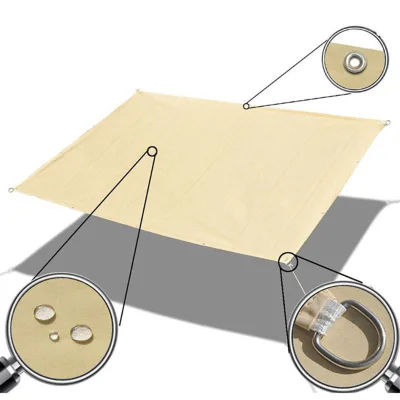


Waterproof Polyester Fabric with PU Coated Sun Shade, Triangle Sun Shade Sail
$2.50 - $3.50
MOQ: 2000 Square Meters


Waterproof Polyester Heavy Duty Shade Sail for Car Park Sun Protection
$2.50 - $3.50
MOQ: 2000 Square Meters

Waterproof Polyester Fabric with PU Coated Sun Shade, Triangle Sun Shade Sail
$0.20 - $0.50
MOQ: 1 Square Meters


Comprehensive Sourcing Guide
PU Coated Waterproof Shade Sail Sourcing Guide
Sourcing PU coated waterproof shade sails requires a careful balance between aesthetic customization and functional durability, particularly for outdoor commercial and residential applications. Buyers must distinguish between standard polyester shade fabrics and those enhanced with polyurethane coatings, which significantly improve water resistance and UV stability. The observed market data indicates a wide range of product models, from triangular and square designs to custom-sized installations, with origins primarily in China. Understanding the specific coating thickness and fabric weight is essential, as these factors directly influence the sail’s ability to withstand heavy rainfall and prolonged sun exposure without degrading or becoming brittle over time.
Procurement decisions should also account for the structural components that support the shade sail, such as steel poles and manual control mechanisms. The supplied facts highlight that frame materials often include steel, while the sail itself may be constructed from polyester or PE materials, depending on the intended use case. Buyers need to verify whether the PU coating is applied to one or both sides of the fabric, as this affects breathability and condensation management. Additionally, the availability of customization options allows for tailored solutions, but it introduces complexity in quality assurance, requiring strict adherence to agreed-upon specifications for color, size, and waterproof index to ensure consistent performance across large orders.
Product Scope and Observed Listing Signals
The current market landscape for waterproof shade sails reveals a diverse array of product types, including triangular, square, and rectangular designs, with some listings specifically noting high shade rates of up to 95%. Observed listings show a price range from $0.2 to $70, reflecting variations in material quality, coating thickness, and included hardware. Minimum order quantities (MOQs) vary significantly, ranging from single units to 10,000 pieces, which suggests that suppliers cater to both small-scale retail buyers and large-scale project contractors. The presence of models like "SN-SS" and "SU-SS" indicates a standardized naming convention, yet buyers must scrutinize the specific material composition, as some products are listed as 100% polyester while others may use PE or poly blends.
Packaging and logistics details provide further insight into product handling and protection during transit. Common packaging methods include individual polybags, cartons, and handbags, with some suppliers offering customized packing according to customer requirements. The observed single package sizes and gross weights, such as 46x22x8 cm and 1.700 kg for specific models, help buyers estimate shipping costs and storage needs. It is crucial to note that while some products are marketed with features like "eco-friendly" or "renewable sources," these claims should be verified against actual material certifications. The diversity in popular export markets, including Europe, America, and Australia, underscores the global demand for versatile shading solutions that meet varying climatic and regulatory standards.
Technical Specifications to Verify
When evaluating PU coated shade sails, buyers must prioritize the verification of material composition and coating integrity. The core fabric is often polyester, but the PU coating’s density and application method determine the waterproof index, which some listings specify as less than 1000 mm. Buyers should request detailed technical sheets that confirm the gram weight of the fabric, such as 180gsm, and ensure that the coating is uniformly applied to prevent leaks. Additionally, the frame material, typically steel, must be inspected for corrosion resistance, especially if the sail is intended for coastal or high-humidity environments. The manual control operation method is common, but buyers should assess the ease of installation and the durability of the tensioning mechanisms to ensure long-term usability.
Colorfastness and UV resistance are critical technical aspects that influence the lifespan of the shade sail. Listings indicate multicolor options, including beige, but buyers must verify that the dyes and coatings are resistant to fading under prolonged UV exposure. The standard of high-density polyethylene mentioned in some contexts may refer to structural components rather than the sail fabric itself, so clear distinction is necessary. Buyers should also confirm the sail finishing process, noting that some products are not coated on the reverse side, which can affect water runoff and cleaning. Requesting sample testing for tensile strength and tear resistance is advisable to ensure the product can withstand wind loads and physical stress without compromising the PU coating’s integrity.
Compliance and Safety Documentation
Compliance with international safety and quality standards is paramount for importing shade sails, particularly for commercial installations in regulated markets. Buyers should verify that suppliers hold relevant certifications, such as CE and ISO9001, which indicate adherence to quality management systems and product safety requirements. While specific test results for fire retardancy or chemical composition are not always listed, buyers must request documentation to ensure the PU coating does not contain harmful substances like phthalates or heavy metals. This is especially important for products used in residential areas or near food service establishments, where material safety is a key concern.
Documentation should also cover the origin and manufacturing standards of the product. Many suppliers are located in regions like Shandong and Zhejiang in China, and buyers should ensure that the production facilities comply with local environmental regulations. The customization of standards allows for flexibility, but buyers must define their specific requirements in the contract to avoid discrepancies. Additionally, labels and packaging should include clear instructions for installation and maintenance, as well as warnings regarding weight limits and wind exposure. Ensuring that all compliance documents are up-to-date and verifiable helps mitigate legal risks and ensures that the product meets the import requirements of the destination country.
Cost Drivers and Commercial Terms
The cost of PU coated waterproof shade sails is influenced by several key factors, including material quality, coating thickness, and the complexity of customization. Higher-grade polyester fabrics with robust PU coatings command higher prices, as do custom-sized sails that require specialized cutting and sewing processes. The observed MOQ of 500 pieces for some models suggests that economies of scale play a significant role in pricing, with larger orders typically benefiting from lower unit costs. Buyers should also consider the cost of additional components, such as steel poles and hardware, which may be sold separately or included in the package.
Commercial terms, including payment methods and shipping arrangements, significantly impact the total procurement cost. Buyers should negotiate clear terms regarding lead times, especially for customized orders, to avoid delays that could affect project timelines. The availability of OEM support indicates that suppliers are willing to accommodate brand-specific requirements, but this may incur additional fees. It is essential to clarify who is responsible for import duties and taxes, as well as the insurance coverage during transit. Understanding these commercial dynamics allows buyers to budget accurately and avoid unexpected expenses that could erode profit margins or increase project costs.
Supplier Qualification and Quality Control
Selecting a reliable supplier for PU coated shade sails requires a thorough evaluation of their manufacturing capabilities and quality control processes. Buyers should verify the supplier’s production capacity and experience in exporting to target markets, ensuring they have a track record of meeting international standards. Requesting references or case studies from previous clients can provide insight into the supplier’s reliability and customer service quality. Additionally, buyers should assess the supplier’s ability to handle customization requests, as this requires flexibility and precision in production. A supplier with a robust quality control system will have clear procedures for inspecting materials, monitoring production, and conducting final checks before shipment.
Quality control measures should include random sampling and testing of finished products to ensure consistency in color, size, and waterproof performance. Buyers should establish clear acceptance criteria and inspection protocols, potentially involving third-party inspection services for large orders. Communication is key to maintaining quality standards, so buyers should maintain regular contact with the supplier throughout the production process. Addressing any discrepancies promptly and documenting all agreements in writing helps prevent misunderstandings and ensures that the final product meets the buyer’s expectations. Building a strong relationship with a qualified supplier can lead to better pricing, improved service, and more reliable delivery times in the long run.
Long-Term Procurement Checks
Long-term procurement success depends on continuous monitoring of supplier performance and product quality. Buyers should establish a system for tracking delivery times, product defects, and customer feedback to identify potential issues early. Regular audits of the supplier’s quality control processes can help ensure that standards are maintained over time, especially as production volumes increase. Additionally, buyers should stay informed about changes in material regulations and market trends that could affect the availability or cost of PU coated shade sails. Building a diversified supplier base can mitigate risks associated with single-source dependency, providing flexibility in case of supply chain disruptions.
Feedback loops with end-users are crucial for understanding the real-world performance of the shade sails. Collecting data on durability, ease of installation, and customer satisfaction can inform future purchasing decisions and help refine product specifications. Buyers should also consider the environmental impact of their procurement choices, exploring options for sustainable materials and eco-friendly packaging. By maintaining a proactive approach to supplier management and quality assurance, buyers can ensure a steady supply of high-quality PU coated waterproof shade sails that meet their operational needs and customer expectations. This strategic focus on long-term relationships and continuous improvement fosters resilience and competitiveness in the marketplace.
FAQs
What materials are used for the shade sail?
The shade sail is constructed from 100% polyester or polyethylene plastic materials. Some models feature steel frames for structural support. The fabric is designed to be waterproof and often comes in multicolor options to suit various aesthetic requirements for outdoor installations.
Can the product be customized for specific needs?
Yes, customization is available for this product line. Buyers can request specific sizes, shapes like triangles or squares, and custom packaging solutions. The standard and material properties can also be adjusted to meet unique project requirements while maintaining waterproof performance.
Which certifications do the manufacturers hold?
Manufacturers often hold CE and ISO9001 certifications for their production processes. These standards ensure quality control and safety compliance for the polyethylene and polyester materials used. Buyers should verify specific certification documents when sourcing from different factories in China.
How is the product packed for shipping?
Packaging varies by model but often includes cartons or strong polybags with paper tubes. Some items are packed individually into handbags or PE bags. Customized packing according to customer requests is also available to ensure safe transport and easy handling upon delivery.
What is the typical minimum order quantity?
The minimum order quantity ranges from 500 pieces to 10,000 pieces depending on the supplier and specific model. Some vendors may accept lower quantities for custom orders. Buyers should confirm the exact MOQ with the manufacturer before placing an order to ensure feasibility.
Where are these shade sails manufactured?
These products are primarily manufactured in China, with specific origins noted in Shandong and Zhejiang provinces. The goods are popular in Europe, America, and Australia. Buyers can source directly from these regions to access competitive pricing and established supply chains for outdoor shade solutions.
What is the waterproof rating of the sail?
The outer tent waterproof index is typically less than 1000 mm for standard models. However, specific products are marketed as fully waterproof shade sails using high-density polyethylene or polyester. The finishing process may vary, with some sails remaining uncoated while others offer enhanced water resistance.