Source PU Foam Snow Tire for ATVs, Trucks, and Winter Roads
Source PU Foam Snow Tire from 30 verified listings. Compare radial and tubeless options, including PCR and ATV variants, with certifications like CCC and DOT. Evaluate sizes from 15 to 26 inches and lead times of 7-15 days for global winter traction needs.
Updated
Key considerations
Products List

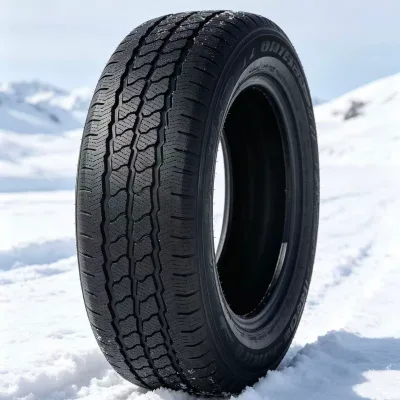


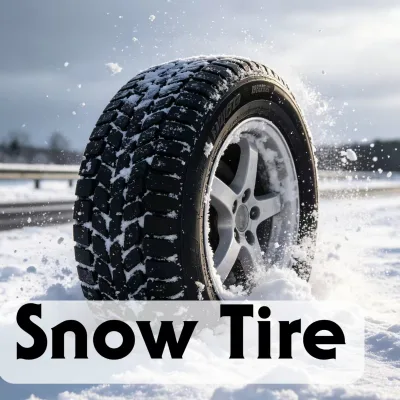
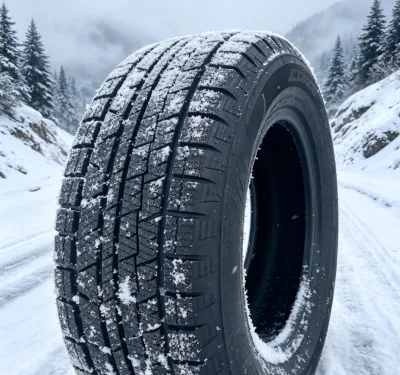
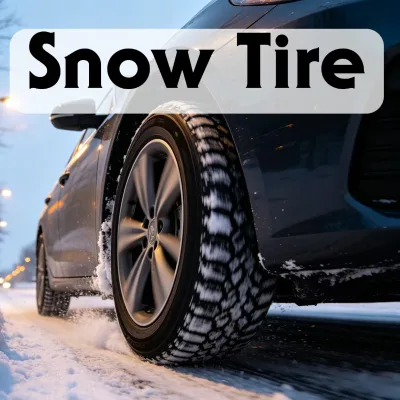
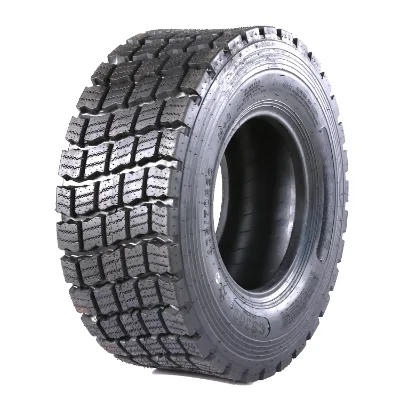
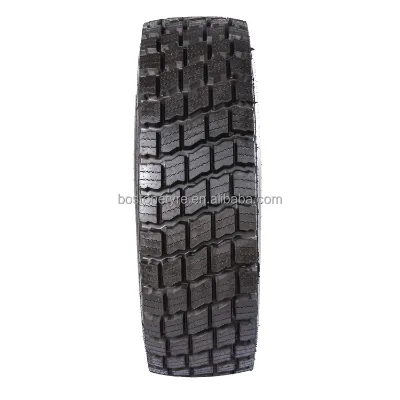
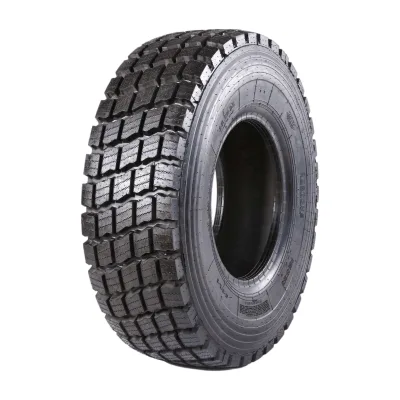
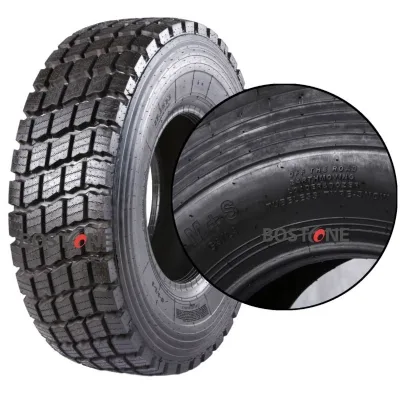
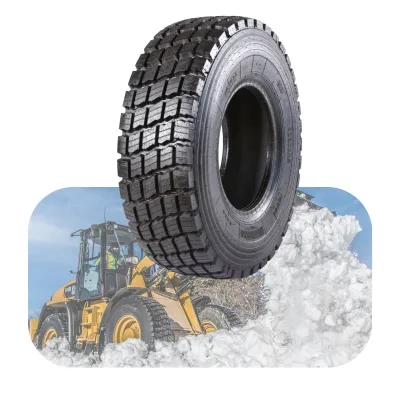


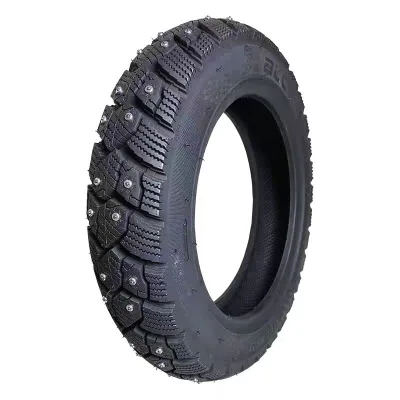

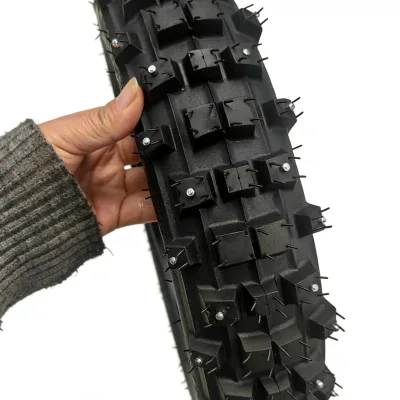


M+S Mud Snowflake Winter Snow PCR Tire, Passenger Car Tyre/Tire (12inch-21inch)
$15.00 - $25.00
MOQ: 300 Pieces

Comprehensive Sourcing Guide
PU Foam Snow Tire Sourcing Guide
Procuring specialized winter traction solutions requires a clear understanding of material composition and performance expectations. While the core keyword suggests polyurethane foam construction, the available market data indicates a broader range of rubber-based winter tires, including natural rubber and standard rubber compounds. Buyers must carefully distinguish between foam-insert technologies and traditional radial or tubeless tire designs to ensure the selected product meets specific vehicle requirements. This distinction is critical for maintaining safety standards and ensuring compatibility with existing wheel rims and suspension systems.
The sourcing landscape for winter traction products is diverse, with suppliers offering various tire types such as PCR tires, ATV tires, and specialized snow ice tires. Observations show that many listings emphasize customization options, allowing buyers to tailor tread patterns and sizes to their fleet or retail needs. It is essential to verify whether the supplier provides genuine foam-integrated solutions or standard rubber compounds marketed for winter conditions. Understanding these material differences helps in evaluating durability, grip performance, and overall value for money in cold-weather applications.
Product Scope and Observed Listing Signals
The current market listings reveal a wide variety of tire products, including ATV tires, winter snow ice tires, and PCR tires, with sizes ranging from 15 to 26 inches. Many suppliers offer customization services, allowing buyers to specify tread patterns and dimensions to suit specific operational needs. The observed product attributes indicate that natural rubber and standard rubber are common materials, with radial designs being prevalent among high-quality offerings. Buyers should note that while some listings mention foam-related terms, the primary materials highlighted are rubber-based, suggesting a focus on traditional tire construction methods.
Listing signals also highlight the availability of various rim sizes, including 18, 20-22, and 26-inch options, catering to different vehicle types. The presence of OEM branding and customization options suggests that many suppliers are equipped to handle private label requests and specific design requirements. However, buyers must carefully review product descriptions to confirm if the tires are tubeless or require inner tubes, as this impacts installation and maintenance procedures. The diversity in product names and specifications underscores the importance of precise communication with suppliers to avoid mismatches in product expectations.
Technical Specifications to Verify
When evaluating technical specifications, buyers should prioritize verifying the tire size, rim compatibility, and construction type. The observed data includes sizes such as 21x7-10, 285/60R18, and 285/35R22, indicating a broad range of applications. It is crucial to confirm whether the tire is radial or bias-ply, as this affects handling and durability. Additionally, buyers should check if the tire is tubeless or requires an inner tube, as this impacts the overall cost and complexity of installation. Verifying these details ensures that the purchased tires are compatible with the intended vehicles and operational environments.
Material composition is another critical factor, with natural rubber and standard rubber being common choices. Buyers should inquire about the specific rubber compound used, as this influences grip, wear resistance, and performance in cold weather. The presence of M+S (Mud and Snow) markings is a key indicator of winter capability, but buyers should also ask about additional features such as siping technology or tread pattern design. Confirming these technical details helps in selecting tires that offer optimal performance and longevity in snowy and icy conditions.
Compliance and Safety Documentation
Compliance with safety standards is paramount when sourcing winter tires, as these products directly impact vehicle safety. Buyers should verify that the tires meet relevant certification requirements, such as CCC, DOT, or ISO standards, depending on the target market. The observed listings mention CCC certification, which is essential for products sold in China, but buyers exporting to other regions must ensure compliance with local regulations. Requesting certification documents from suppliers helps in verifying that the tires have undergone rigorous testing and meet safety benchmarks.
In addition to certifications, buyers should inquire about warranty terms and quality guarantees. The observed data indicates that some suppliers offer a one-year warranty, which provides a level of protection against manufacturing defects. However, buyers should clarify the scope of the warranty, including coverage for tread wear, punctures, and other potential issues. Understanding the warranty terms helps in assessing the supplier's confidence in their product quality and provides recourse in case of premature failure or performance issues.
Cost Drivers and Commercial Terms
Cost drivers for winter tires include material costs, manufacturing complexity, and order volume. The observed price range of $9.8 to $666 reflects the diversity in product types and specifications. Buyers should consider the total cost of ownership, including shipping, tariffs, and potential warranty claims, rather than focusing solely on the unit price. Larger order volumes may offer discounts, but buyers must balance cost savings with inventory holding costs and demand forecasts. Understanding these cost dynamics helps in making informed purchasing decisions that align with budget constraints and operational needs.
Commercial terms such as payment methods, lead times, and minimum order quantities (MOQs) also impact the procurement process. The observed data indicates that suppliers often require a 30% deposit, with delivery times ranging from 7 to 15 days. MOQs vary, with some suppliers requiring as few as 4 pieces, while others may demand 50 pieces or more. Buyers should negotiate terms that align with their cash flow and inventory management strategies, ensuring that they can secure the necessary quantities without overcommitting resources.
Supplier Qualification and Quality Control
Supplier qualification is a critical step in ensuring the reliability and quality of winter tires. Buyers should assess suppliers based on their production capabilities, quality control processes, and customer service responsiveness. The observed listings indicate that many suppliers are located in Shandong, China, a region known for its manufacturing expertise. Buyers should request information about the supplier's factory audits, production lines, and quality assurance protocols to verify their ability to meet specified requirements.
Quality control measures should include regular inspections, testing for durability and performance, and adherence to industry standards. Buyers should inquire about the supplier's defect rate and return policy, as these factors indicate the supplier's commitment to quality. Additionally, buyers should consider establishing a long-term relationship with suppliers who demonstrate consistent quality and reliability, as this can lead to better pricing, priority service, and improved product innovation over time.
Long-Term Procurement Checks
Long-term procurement checks involve monitoring supplier performance, product quality, and market trends. Buyers should establish key performance indicators (KPIs) to track delivery times, product defects, and customer satisfaction. Regular reviews of these metrics help in identifying potential issues early and taking corrective actions. Additionally, buyers should stay informed about advancements in tire technology and materials, as these developments can impact product performance and cost.
Building a robust supplier base is essential for mitigating risks and ensuring supply chain resilience. Buyers should diversify their supplier portfolio to include multiple sources for critical components, reducing dependency on a single supplier. Regular communication and collaboration with suppliers can foster innovation and improve product quality. By maintaining a proactive approach to supplier management, buyers can ensure a steady supply of high-quality winter tires that meet their operational needs and customer expectations.
FAQs
What certifications do the tires have?
The tires hold CCC, DOT, and ISO certifications. These credentials verify compliance with international safety and quality standards. Buyers can rely on these marks for regulatory clearance in various global markets. The documentation ensures the products meet rigorous manufacturing requirements for durability and performance.
Can the tires be customized for specific needs?
Yes, customization is available for these tires. Buyers can request specific patterns, sizes, or branding options. The OEM service allows for tailored solutions to match unique vehicle requirements. This flexibility ensures that the final product aligns precisely with the buyer's operational needs and brand identity.
What is the minimum order quantity for these tires?
The minimum order quantity varies by product type. Some items require 50 pieces, while others start at just 4 pieces. This range accommodates both bulk procurement and smaller trial orders. Buyers should check specific product listings to confirm the exact MOQ applicable to their selected tire model.
How long does delivery take after ordering?
Delivery typically takes 7 to 15 days after payment confirmation. This lead time applies to standard production runs. Expedited options may be available depending on stock levels. Buyers should plan their logistics accordingly to ensure timely arrival of the tires at their destination warehouse or facility.
What materials are used in manufacturing these tires?
The tires are manufactured using natural rubber and synthetic rubber compounds. These materials provide excellent grip, durability, and resistance to wear. The high-quality construction ensures reliable performance in various weather conditions. The use of premium rubber contributes to the overall longevity and safety of the tire.
What warranty is provided with the tires?
A one-year warranty is provided with the tires. This coverage protects against manufacturing defects and material failures. Buyers receive assurance of product quality and support during the initial usage period. The warranty terms ensure that any issues arising from production flaws are addressed promptly by the supplier.