Source PU Grip Professional Badminton Racket for Training
Compare 30 listings of PU Grip Professional Badminton Racket from verified suppliers. Buyers can evaluate specifications like carbon shafts, weight, and customization options for sport, training, and competition needs; compare the available evidence and request quotations based on your requirements.
Key considerations
Products List
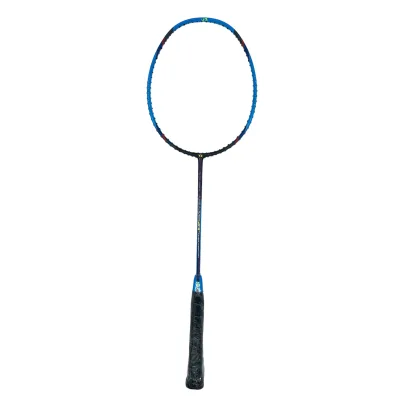
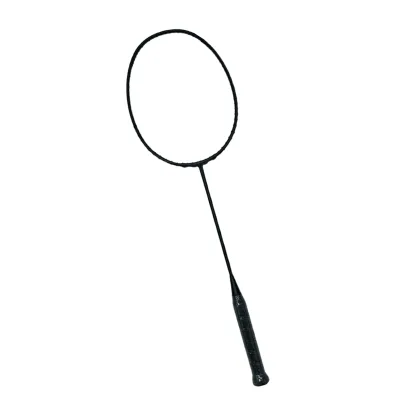


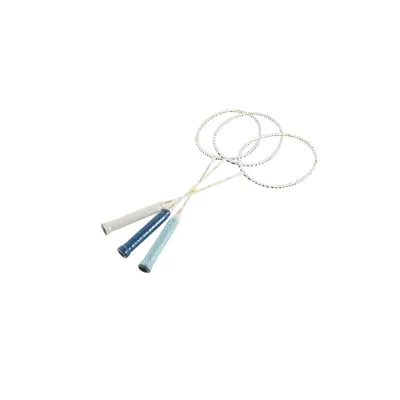


Comprehensive Sourcing Guide
PU Grip Professional Badminton Racket Sourcing Guide
Sourcing high-performance badminton equipment requires a precise understanding of material composition and ergonomic design, particularly when focusing on the intersection of professional-grade frames and specialized grip technologies. The core keyword highlights a specific niche where the tactile feedback of a polyurethane (PU) grip meets the structural integrity of carbon-based shafts. Buyers must recognize that "professional" in this context often refers to the balance of hardness and weight rather than just brand prestige. The observed market data indicates a wide variance in product attributes, ranging from soft to hard racket frames, which directly influences player control and power generation. Understanding these nuances is critical for aligning procurement with specific player demographics, whether they are junior amateurs or senior professionals.
Furthermore, the integration of PU grips offers distinct advantages in durability and moisture resistance compared to traditional towel or overgrip materials alone. This material choice supports extended training sessions and competitive play by maintaining consistent friction and comfort levels. Procurement teams should evaluate how the grip material interacts with the underlying handle shape and the racket’s overall weight distribution. The observed listings suggest that many suppliers offer customization options for logos and colors, allowing brands to create unique product identities. However, buyers must verify that these customizations do not compromise the structural integrity of the grip or the balance of the racket, ensuring that the final product meets professional performance standards.
Product Scope and Observed Listing Signals
The current market landscape for badminton rackets reveals a diverse array of specifications, with observed price points ranging from $2 to $300 USD and minimum order quantities (MOQs) varying significantly from 1 to 2,000 pieces. This wide range indicates that suppliers cater to both small-scale boutique brands and large-volume distributors. Key product attributes observed include shaft materials made from carbon or super-strong vegan carbon, with weights typically falling between 75 and 85 grams. These lightweight constructions are essential for professional play, allowing for rapid swing speeds and reduced player fatigue. Buyers should note that while many listings claim eco-friendly features, the specific environmental certifications are not uniformly disclosed, requiring careful verification of sustainability claims.
Color options and customization capabilities are prominent features in the observed listings, with blue, white, and fully customized color schemes available. The presence of PU grips is a consistent technical feature across many professional-grade models, enhancing user comfort and control. Additionally, the observed data highlights specific model numbers such as EB-S16-1 and TLM-BR-006, which may correspond to different hardness levels or weight distributions. Procurement teams should analyze these model variations to determine which specifications best suit their target market. The availability of sample orders within seven days provides an opportunity for quality assessment before committing to larger volumes, reducing the risk of sourcing mismatched products.
Technical Specifications to Verify
When evaluating badminton rackets, verifying the shaft material and racket hardness is paramount for ensuring performance consistency. The observed data indicates that shafts are often constructed from carbon or super-strong vegan carbon, materials that offer high tensile strength and flexibility. Buyers must confirm the specific hardness rating, which can range from soft to hard, as this directly impacts the power transfer and control characteristics of the racket. For instance, softer rackets may be more suitable for junior or amateur players, while harder rackets are preferred by professionals seeking maximum power. Additionally, the weight of the racket, typically observed between 75 and 85 grams, should be verified to ensure it aligns with the desired balance point and swing weight for professional play.
The dimensions of the racket, including length and width, are also critical technical specifications that must be verified against industry standards. Observed listings show racket lengths around 68.5 cm and widths of approximately 20 cm, which are standard for professional badminton rackets. Buyers should ensure that these dimensions are consistent across all units in an order to maintain uniformity in product performance. Furthermore, the grip material, specifically PU, should be inspected for thickness and texture to ensure optimal comfort and durability. Verifying these technical details through sample testing or detailed supplier documentation is essential to avoid discrepancies that could affect player performance and satisfaction.
Compliance and Safety Documentation
Ensuring that badminton rackets meet relevant safety and environmental standards is a crucial aspect of the procurement process. While some suppliers mention certifications such as BSCI and REACH, these are often listed as background information rather than guaranteed compliance for every product. Buyers must actively request and verify specific compliance documents, particularly regarding the materials used in the grip and frame. The use of PU grips and carbon shafts should be accompanied by material safety data sheets (MSDS) to confirm that no harmful substances are present. This is especially important for products intended for younger players or those marketed as eco-friendly, where environmental impact is a key selling point.
Additionally, buyers should inquire about the manufacturing standards and quality control processes employed by suppliers. The observed data indicates that some products originate from Jiangsu or Dongguan in China, regions known for their manufacturing capabilities but also requiring rigorous quality oversight. Procurement teams should verify that suppliers adhere to international quality management standards, such as ISO 9001, to ensure consistent product quality. Requesting third-party test reports for durability and safety can provide additional assurance that the rackets meet professional performance requirements. By prioritizing compliance and safety documentation, buyers can mitigate risks associated with product liability and ensure that their inventory aligns with regulatory expectations.
Cost Drivers and Commercial Terms
The cost of badminton rackets is influenced by several factors, including material quality, customization options, and order volume. The observed price range of $2 to $300 USD reflects the diversity in product specifications and supplier positioning. Buyers should analyze how factors such as carbon shaft quality, PU grip thickness, and custom logo printing impact the final unit cost. Higher customization levels, such as unique color schemes or specific model modifications, may incur additional charges. Understanding these cost drivers allows procurement teams to negotiate more effectively and align pricing with their budget constraints and target market expectations.
Commercial terms, including minimum order quantities (MOQs) and shipping times, also play a significant role in the overall procurement strategy. Observed MOQs range from 1 piece to 2,000 pieces, offering flexibility for both small and large buyers. Suppliers typically offer sample orders within seven days and shipping within fifteen days, which can facilitate faster time-to-market. Buyers should consider how these terms affect their inventory management and cash flow. Negotiating favorable payment terms and shipping arrangements can further optimize the total cost of ownership. By carefully evaluating these commercial aspects, buyers can secure a competitive advantage and ensure a smooth supply chain operation.
Supplier Qualification and Quality Control
Selecting the right supplier is critical for ensuring the quality and reliability of badminton racket procurement. Buyers should conduct thorough due diligence on potential suppliers, verifying their manufacturing capabilities, quality control processes, and track record. The observed data indicates that suppliers offer various model numbers and customization options, suggesting a diverse product portfolio. However, buyers must ensure that suppliers have robust quality assurance systems in place to maintain consistency across batches. Requesting references or case studies from previous clients can provide insights into the supplier’s reliability and performance. Additionally, verifying the supplier’s location and production capacity can help assess their ability to meet demand fluctuations.
Quality control measures should be integrated into the procurement process to minimize the risk of defects. Buyers should implement incoming inspection protocols to verify that received goods meet the specified technical and aesthetic requirements. This includes checking for defects in the carbon shaft, PU grip, and overall racket construction. Collaborating with suppliers to establish clear quality standards and acceptance criteria can help prevent disputes and ensure customer satisfaction. Regular audits and performance reviews can further enhance the supplier relationship and drive continuous improvement. By prioritizing supplier qualification and quality control, buyers can build a resilient supply chain that supports their business objectives.
Long-Term Procurement Checks
Establishing long-term procurement strategies requires ongoing monitoring and evaluation of supplier performance and market trends. Buyers should regularly review supplier metrics, such as on-time delivery rates, product quality, and responsiveness to issues. This data-driven approach allows for proactive management of supply chain risks and opportunities. Additionally, staying informed about industry developments, such as new materials or technologies, can help buyers stay ahead of the competition. The observed market trends indicate a growing demand for eco-friendly and customizable products, which suppliers are increasingly addressing. Buyers should align their procurement strategies with these trends to meet evolving customer expectations.
Furthermore, fostering strong relationships with suppliers can lead to better pricing, priority service, and collaborative innovation. Regular communication and feedback loops can help identify areas for improvement and strengthen the partnership. Buyers should also consider diversifying their supplier base to mitigate risks associated with single-source dependencies. By implementing comprehensive long-term procurement checks, buyers can ensure a stable and efficient supply chain that supports their growth and success. This strategic approach not only enhances operational efficiency but also contributes to the overall competitiveness of the business in the dynamic badminton equipment market.
FAQs
What material is used for the grip on this racket?
The grip material is PU, providing a comfortable and durable surface for players. This material ensures a secure hold during intense matches while resisting wear and tear effectively over time.
Which racket hardness options are available for buyers?
Buyers can choose from Soft, Moderate, or Hard racket hardness options to suit their playing style. These variations allow players to select the specific feel and power transfer that matches their skill level.
Can I customize the logo and color of the racket?
Yes, customization is available for both the logo and color, including white or custom options. This flexibility allows brands to create unique products that align with their specific identity and market requirements.
What is the weight range for these badminton rackets?
The weight is approximately 75 to 79 grams, offering a lightweight design for quick maneuverability. This weight range is ideal for players seeking speed and agility during competitive matches or training sessions.
How long does it take to receive a sample order?
Sample orders are accepted with a sample time of within 7 days for delivery. This quick turnaround allows buyers to evaluate product quality and specifications before committing to larger bulk orders.
What is the minimum order quantity for this product?
The minimum order quantity is 1 piece, making it accessible for small buyers or testers. This low threshold enables businesses to test the market without significant initial inventory investment or risk.
Where is the place of origin for these rackets?
The place of origin is China, specifically from locations like Jiangsu and Dongguan. These regions are known for manufacturing high-quality sports equipment with established supply chains and production capabilities.