Source Pultrusion Corrosion Resistant FRP Fence for Construction, Walkways, and Platforms
Find 30 listings for Pultrusion Corrosion Resistant FRP Fence designed for construction, walkways, and platforms. Buyers can compare customized sizes, pultrusion profiles, and ISO9001 certified suppliers offering polyester FRP materials with 30-year service life.
Key considerations
Products List
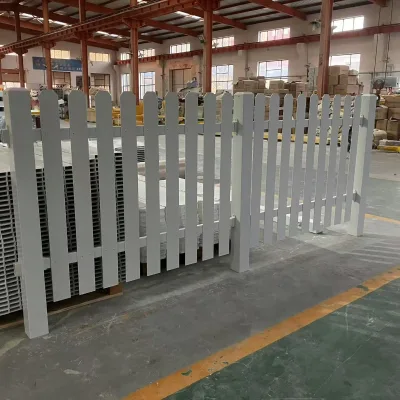
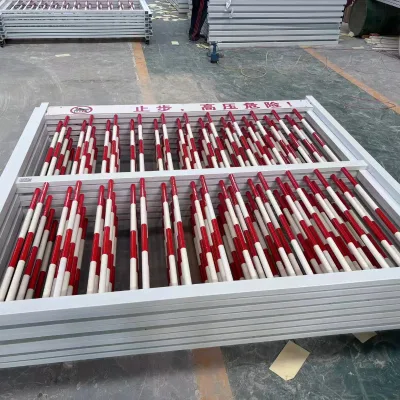
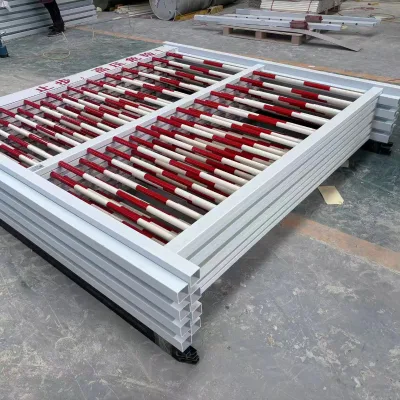


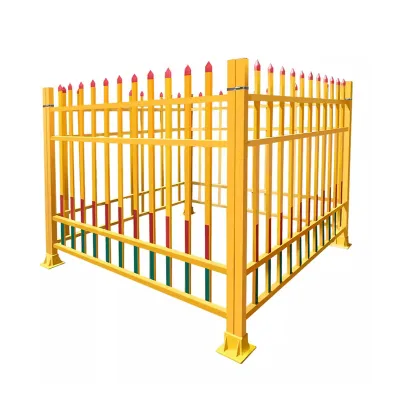
FRP Garden Fence FRP GRP Pultruded Composite Fence Fiberglass Fence Panels
$20.00 - $45.00
MOQ: 100 Square Meters

FRP GRP Fiberglass Glassfiber Garden Fence FRP Pultruded Fence Safety Barrier Fence Fiberglass
$20.00 - $45.00
MOQ: 100 Square Meters

Fiberglass Garden Fence FRP Pultruded Profile Fence GRP Security Fence
$20.00 - $45.00
MOQ: 100 Square Meters


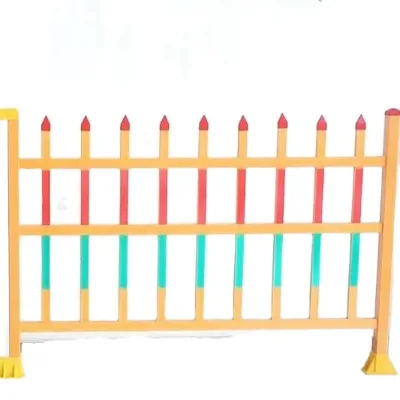
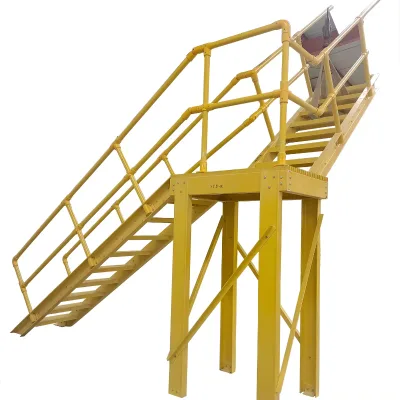
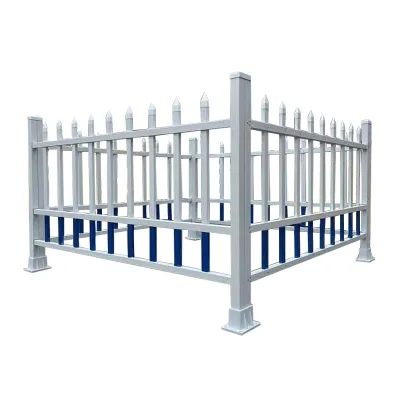
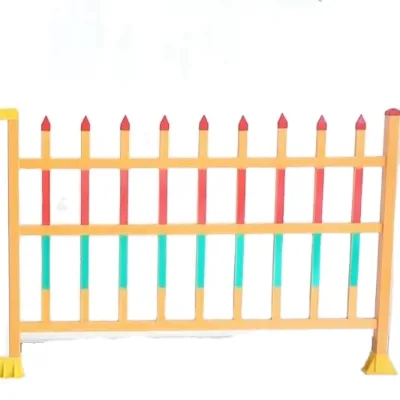
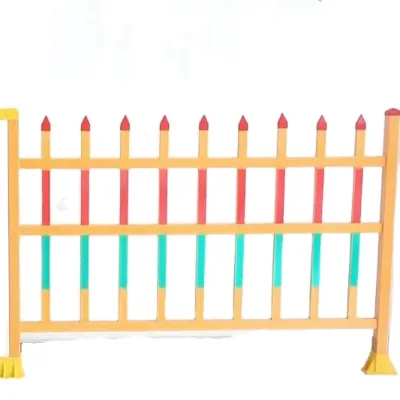

Corrosion Resistance High Strength Durable FRP Pultrusion Grating
$21.00 - $25.00
MOQ: 50 Square Meters

High Strength FRP Pultruded Gratings Anti-Corrosion Fiberglass Pultrusion Grating
$21.00 - $25.00
MOQ: 50 Square Meters




Comprehensive Sourcing Guide
Strategic Sourcing Guide for Pultrusion Corrosion Resistant FRP Fences
Understanding the Core Technology and Material Composition
The foundation of a successful procurement strategy for pultrusion corrosion-resistant FRP (Fiberglass Reinforced Plastic) fences begins with a precise understanding of the manufacturing process and the specific material composition involved. Unlike traditional metal fencing, which relies on galvanization or painting to prevent rust, FRP fencing utilizes a composite material created through the pultrusion process. This technique involves pulling continuous glass fibers through a resin bath and then through a heated die to cure the shape. The resulting product is a high-strength, lightweight structural profile that offers inherent resistance to environmental degradation.
Based on the available product data, the primary material used is Fiberglass Reinforced Plastic, specifically utilizing E Glass Fiber as the reinforcement. The resin matrix is predominantly Polyester, though other variants may exist. This combination creates a material that is non-conductive, anticorrosive, and resistant to a wide range of chemicals. The pultrusion method ensures that the fiber orientation is optimized for longitudinal strength, making the fence posts and rails exceptionally durable. The surface treatment is typically smooth, though options for gritted or sandblasted finishes are available to enhance slip resistance, particularly in wet environments. The inclusion of UV inhibitors, such as UV-9, is a critical specification to ensure the material does not degrade under prolonged sun exposure, maintaining its structural integrity and color over decades.
Technical Specifications and Customization Capabilities
When evaluating potential suppliers, buyers must scrutinize the technical specifications to ensure they align with the specific demands of the project site. The standard model numbers observed in the market include ZAFF, SZ-Pultruded Fence, and SZ-Pultrusion Grating, indicating a variety of profile designs tailored to different load-bearing requirements. A key advantage of FRP fencing is the availability of customized sizes and shapes. Unlike standard steel sections, FRP profiles can be engineered to fit unique architectural or functional needs, with thickness and dimensions tailored to the specific application.
The physical properties of the product are equally important. The material is described as having a "Hard" state, contributing to its wear resistance and impact durability. The fence is designed to be waterproof, fireproof, and moisture-proof, making it suitable for harsh environments where metal would quickly succumb to oxidation. The product features include non-conductivity, which is vital for electrical safety in industrial settings, and anti-static properties. The service life is projected to be up to 30 years, a significant factor in the total cost of ownership analysis. The single package size is typically around 100x100x10 cm, with a gross weight of approximately 30 kg per unit, which influences logistics planning and shipping costs. Buyers should verify if the supplier can provide the specific thickness and cross-sectional dimensions required for their structural calculations, as these are often customizable.
Compliance, Certification, and Regulatory Standards
Ensuring that the FRP fencing meets relevant safety and quality standards is a non-negotiable aspect of the procurement process. The supply chain data indicates that suppliers often hold ISO9001 certification, which validates their quality management systems. This certification suggests that the manufacturer adheres to consistent production standards, reducing the risk of defects. However, buyers must be vigilant, as certification status can vary between different manufacturing batches or specific product lines.
In addition to general quality management, specific industry standards may apply depending on the application. The product data references standards such as I-4010, I-40125, T-1210, T-1215, and HL-4020. These codes likely relate to specific performance metrics for pultruded profiles, such as tensile strength, flexural modulus, or fire resistance ratings. While some background information mentions ASTM standards like D4385 or E84, these should not be assumed as guaranteed attributes without explicit verification from the supplier. The buyer must request current test reports that demonstrate compliance with these specific standard codes. Furthermore, the surface treatment options, including spraying or painting, may need to meet specific environmental or safety regulations regarding volatile organic compounds (VOCs) or fire ratings, particularly for commercial or public infrastructure projects.
Cost Drivers and Procurement Economics
The pricing of FRP fencing is influenced by several dynamic factors that differ significantly from traditional metal fencing. The observed price range in the market spans from 1 to 300 USD, though this wide variance likely reflects differences in profile complexity, thickness, length, and order volume. The Minimum Order Quantity (MOQ) ranges from 1 to 1000 units, offering flexibility for both small-scale repairs and large-scale infrastructure projects. However, buyers should be aware that unit costs often decrease with higher volumes, and the customization of size and shape can introduce additional tooling or setup fees.
Logistics represent a significant portion of the total cost. The single gross weight of 30 kg per package and the customized packing methods, which often involve carton boards, steel or wood pallets, and packing belts, must be factored into the shipping budget. The origin of the product is Hebei, China, which is a major manufacturing hub for FRP products. This location offers competitive labor and material costs but requires careful management of lead times and import logistics. Buyers should also consider the long-term economic benefits; while the initial purchase price may be higher than galvanized steel, the lack of maintenance costs, such as repainting or rust removal, and the extended 30-year service life often result in a lower total cost of ownership.
Typical Applications and Functional Performance
The versatility of pultrusion FRP fencing allows it to be deployed across a diverse range of sectors. The primary application is listed as construction, but the functional capabilities extend far beyond simple boundary marking. The material is ideal for environmental protection zones, industrial facilities, walkways, and platforms where corrosion resistance is paramount. In industrial settings, the non-conductive nature of the fence makes it a safer alternative to metal near high-voltage equipment. The fireproof and moisture-proof attributes make it suitable for chemical processing plants or coastal areas where salt spray would rapidly degrade metal structures.
Beyond industrial use, the fencing is also applicable in household, outdoor, commercial, and sports environments. The anti-slip surface options, such as gritted or sandblasted finishes, enhance safety in wet or oily conditions, making it a preferred choice for walkways and platforms. The soundproof and thermal insulation properties add value in urban or residential settings where noise reduction and temperature control are desired. The customization of colors allows for aesthetic integration with existing landscapes or corporate branding, while the single-color or multi-color options provide design flexibility. Buyers should match the specific functional requirements of their site, such as the need for anti-static properties in explosive environments or the need for high visibility in sports facilities, to the available product features.
Supplier Evaluation and Quality Control Protocols
Selecting the right supplier requires a rigorous evaluation process that goes beyond price comparisons. Buyers should prioritize suppliers who demonstrate transparency in their manufacturing processes and quality control measures. The presence of ISO9001 certification is a strong indicator of a reliable partner, but it should be verified against the specific facility producing the order. The supplier's ability to handle customized orders is another critical metric; the data shows that size, shape, color, and packing are all customizable, which requires a flexible and responsive production line.
Quality control should focus on the consistency of the pultrusion process. Buyers must verify that the resin content and fiber orientation are consistent throughout the production run to ensure uniform strength and durability. The surface treatment, whether smooth, gritted, or painted, must be applied evenly to prevent premature degradation. It is essential to request samples that match the exact specifications of the intended order to test for color accuracy, surface texture, and mechanical strength. The supplier should also provide clear documentation regarding the UV inhibitor content, ensuring that the UV-9 or equivalent additive is present in sufficient quantities to meet the projected service life. Additionally, the packaging method, which typically includes steel or wood pallets and packing belts, should be robust enough to prevent damage during transit, especially given the weight and dimensions of the individual packages.
Long-Term Procurement and Lifecycle Management
Procuring FRP fencing is an investment in long-term infrastructure stability. The 30-year service life claim underscores the material's durability, but realizing this potential requires proper installation and maintenance planning. Unlike metal fences that require periodic inspection for rust and repainting, FRP fences generally require minimal maintenance. However, buyers should establish a protocol for regular visual inspections to ensure that the surface treatments remain intact and that no physical damage has occurred due to impact or extreme weather.
The customization aspect of the product means that replacement parts or additional sections can be ordered to match the original specifications, ensuring a seamless appearance over time. The availability of different colors and shapes allows for future expansions or modifications without the need for complete system replacement. Buyers should also consider the environmental impact of the product; the resistance to rot, moisture, and chemicals reduces the need for chemical treatments and extends the lifecycle of the fence, aligning with sustainable procurement goals. By focusing on these long-term considerations, buyers can ensure that their investment in pultrusion corrosion-resistant FRP fencing delivers value and performance for decades, minimizing downtime and operational costs.
FAQs
What material is used for the Pultrusion Corrosion Resistant FRP Fence?
The fence is made of Fiberglass Reinforced Plastic using E Glass Fiber and Polyester resin. This composite material provides inherent corrosion resistance and non-conductivity suitable for harsh industrial environments.
Can the size and shape of the FRP fence be customized?
Yes, the product offers customized sizes, shapes, and colors to meet specific project requirements. Buyers can request tailored thickness and dimensions while the supplier handles unique packing needs.
Which certifications do the FRP fence manufacturers typically hold?
Suppliers often hold ISO9001 certification to validate their quality management systems. Buyers should verify this certification status as it ensures consistent production standards and reduces defect risks.
How long is the expected service life of the pultruded fence?
The product has a projected service life of up to 30 years. This longevity is supported by UV inhibitors like UV-9 and the material's resistance to moisture, rot, and chemicals.
What surface treatments are available for the FRP fence profiles?
Surface treatments include smooth, gritted, sandblasted, and painting options. These finishes can be selected to enhance slip resistance or aesthetic appeal depending on the specific application environment.
Where are the FRP fence products manufactured and shipped from?
The products originate from Hebei, China, a major manufacturing hub for FRP materials. This location influences logistics planning and lead times for international shipments.
What is the minimum order quantity for purchasing these fences?
The minimum order quantity ranges from 1 to 1000 units depending on the supplier and customization level. This flexibility allows for both small-scale repairs and large infrastructure projects.