Source Adjustable Unisex Golf Hat for Travel, Business, and Outdoor Use
Find 30 Adjustable Unisex Golf Hat options featuring polyester and cotton materials with flat embroidery. Compare specifications for waterproof, durable, and anti-slip features suitable for outdoor, travel, and business gift applications.
Key considerations
Products List
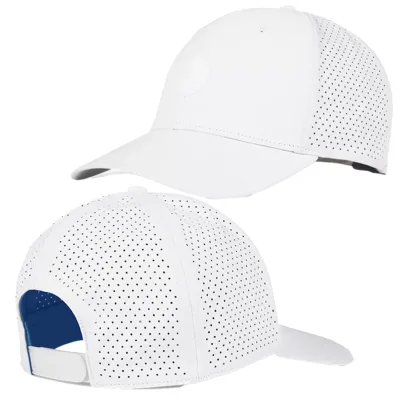


Men's Golf Hats with Custom Logo Quality Golf Club Hat with Embroidered Logo
$3.60 - $4.50
MOQ: 100 Pieces


Comprehensive Sourcing Guide
Adjustable Unisex Golf Hat Sourcing Guide
Sourcing adjustable unisex golf hats requires a disciplined approach to balancing aesthetic customization with functional performance. The market offers a wide variety of options, ranging from basic promotional items to high-performance headwear designed for athletic use. Buyers must navigate a landscape where product attributes often overlap, such as materials that claim both polyester durability and cotton comfort, or styles that blend business gift aesthetics with outdoor utility. This guide provides a structured framework for evaluating suppliers, verifying technical specifications, and ensuring that the final product meets the specific needs of your brand or retail channel. By focusing on evidence-based verification and clear commercial terms, you can mitigate risks associated with inconsistent quality and unclear expectations.
The core keyword, "Adjustable Unisex Golf Hat," points to a versatile product category that serves multiple markets, including corporate gifting, retail apparel, and sports equipment. The "unisex" designation implies a design that fits a broad range of head sizes, often achieved through adjustable closures like plastic buckles or straps. Meanwhile, the "golf" application suggests features such as sun protection, breathability, and durability, which are critical for outdoor activities. However, buyers should not assume that every listing labeled as a "golf hat" meets professional athletic standards. It is essential to distinguish between promotional merchandise and performance-oriented headwear by examining specific material compositions, panel structures, and closure mechanisms. This distinction will guide your selection of suppliers who specialize in the type of product you intend to procure.
Product Scope and Observed Listing Signals
The observed product landscape reveals a diverse range of listings that share common attributes but differ significantly in their intended use and construction. Many suppliers offer products with customizable logos and packaging, indicating a strong focus on the promotional and corporate gifting sectors. For instance, some listings highlight applications such as "Business Gifts" and "Golf Club" promotions, suggesting that these hats are often used as branded merchandise rather than high-performance athletic gear. The presence of features like "Anti-Slip" and "Waterproof" in some descriptions points to a demand for functional durability, while others emphasize aesthetic elements like "Checked" styles or "Colourful" options. Buyers should carefully review these signals to determine whether the supplier’s primary strength lies in mass-produced promotional items or specialized outdoor apparel.
Another critical signal is the variation in material claims and construction details. Some listings specify "100% Cotton" with "Flat Embroidery," which is typical for classic baseball caps that prioritize comfort and traditional aesthetics. In contrast, other listings mention "Polyester" materials with features like "Quick Dry" and "UV Resistant," which are more aligned with performance-oriented golf hats. The "Single gross weight" of 0.050 kg for some items suggests lightweight construction, which is desirable for summer wear, while others may be heavier due to additional layers or structured crowns. Buyers must cross-reference these material claims with their own requirements for breathability, weight, and care instructions. Misalignment between the supplier’s material specifications and your product’s intended use can lead to customer dissatisfaction and returns.
Technical Specifications to Verify
Verifying technical specifications is crucial to ensuring that the product meets your functional and aesthetic requirements. Key attributes to verify include the material composition, panel structure, and closure mechanism. For example, if you require a hat that is both breathable and durable, you should confirm whether the material is 100% Cotton, Polyester, or a blend, and whether it has been treated for features like "Quick Dry" or "Antimicrobial" properties. The "6 Panels" construction is a common design for baseball caps, providing a structured fit, but you should verify if the crown is "With Crown" or unstructured, as this affects the hat’s shape and durability. Additionally, the "Back Closure" type, such as a "Plastic Buckle," should be inspected for quality and adjustability range, typically spanning 56-60cm or 58-60cm, to ensure a comfortable fit for a unisex audience.
Another important aspect is the customization options available, including logo placement, color, and packaging. Suppliers often offer "Customized Logo" and "Accept Custom Logo" services, but the quality of the embroidery or printing can vary significantly. You should verify the "Pattern Technology," such as "Flat Embroidery" or "Embroidered," to ensure that the logo application meets your brand’s standards for durability and appearance. Furthermore, the "Size" specifications, whether "Acceptcustomization" or fixed ranges like "56-60cm," should be clearly defined to avoid sizing issues. Buyers should also check the "Single package size" and "Packaging" options, such as "Carton Box" or "Standard Packaging," to ensure that the product can be shipped and stored efficiently. Clear communication of these technical details with the supplier is essential to prevent misunderstandings and ensure product consistency.
Compliance and Safety Documentation
Compliance and safety documentation are often overlooked in the procurement of promotional headwear, but they are critical for ensuring that the product meets regulatory standards and consumer expectations. While specific certification status is not always provided in listings, buyers should request documentation related to material safety, such as compliance with REACH or CPSIA regulations, especially if the hats are intended for younger audiences or specific markets. The "Antimicrobial" and "UV Resistant" features mentioned in some listings should be supported by test reports or manufacturer declarations to verify their efficacy. Buyers should also inquire about the "Standard Specifications" or "Customized" standards that the supplier adheres to, ensuring that the product meets any relevant industry guidelines for textile safety and durability.
Additionally, buyers should verify the supplier’s adherence to labor and environmental standards, particularly if the hats are manufactured in regions like Guangdong, China, or Shanghai. While specific certifications like ISO or BSCI are not mentioned in the provided facts, buyers should ask for evidence of ethical manufacturing practices, such as audits or compliance reports. This is particularly important for brands that prioritize sustainability and social responsibility. Buyers should also check for any specific safety warnings or care instructions provided by the supplier, such as washing guidelines for "Washable" hats or warnings for "Foldable" items. Ensuring that the product is compliant with these standards not only protects your brand from legal risks but also enhances consumer trust and satisfaction.
Cost Drivers and Commercial Terms
Understanding the cost drivers and commercial terms is essential for budgeting and negotiating effectively with suppliers. The observed price range of 0.55-7 USD indicates a wide variation in product quality, customization levels, and order quantities. Factors such as material type, embroidery complexity, and packaging options significantly influence the final cost. For instance, hats with "Customized Color" and "Accept packaging customization" may incur higher costs due to the additional setup and material expenses. Buyers should also consider the "MOQ" (Minimum Order Quantity), which ranges from 1 to 1000 pieces, as this affects the unit price and overall investment. Higher MOQs often result in lower unit costs, but buyers must balance this with their inventory management capabilities and demand forecasts.
Commercial terms such as sample availability, lead times, and payment conditions are also critical components of the procurement process. Some suppliers offer "Freight Collect" samples with a "Sample Time" of 7-10 Days, which allows buyers to evaluate product quality before committing to a large order. Buyers should clarify the cost and timeline for samples, as well as the process for approving prototypes. Additionally, the "Place of Origin" in Guangdong, China, or Shanghai, may impact shipping costs and lead times, so buyers should factor these into their overall cost analysis. Negotiating clear terms for defects, returns, and quality guarantees is also essential to protect your investment. By understanding these cost drivers and commercial terms, buyers can make informed decisions that align with their budget and operational needs.
Supplier Qualification and Quality Control
Supplier qualification and quality control are vital steps in ensuring that the products you receive meet your standards and expectations. Buyers should conduct thorough due diligence on potential suppliers, verifying their business licenses, manufacturing capabilities, and past performance. While specific supplier names are not recommended, buyers can look for indicators of reliability, such as a history of consistent production, positive customer reviews, and transparent communication. It is also important to assess the supplier’s quality control processes, including in-line inspections, final random inspections, and testing procedures. Buyers should request samples and conduct their own quality checks to verify attributes like stitching quality, logo durability, and material consistency.
Furthermore, buyers should establish clear quality standards and communicate them to the supplier before production begins. This includes defining acceptable tolerances for color, size, and weight, as well as specifying the required packaging and labeling. Regular communication and progress updates during the production process can help identify and address potential issues early. Buyers should also consider hiring third-party inspection services for large orders to ensure that the products meet the agreed-upon specifications. By implementing robust supplier qualification and quality control measures, buyers can minimize the risk of receiving substandard products and ensure that their brand reputation is protected.
Long-Term Procurement Checks
Long-term procurement checks are necessary to maintain product quality and supplier performance over time. Buyers should regularly review supplier performance metrics, such as on-time delivery rates, defect rates, and responsiveness to issues. Establishing a feedback loop with the supplier can help identify areas for improvement and strengthen the partnership. Additionally, buyers should stay informed about changes in material costs, labor regulations, and market trends that may impact the procurement process. Regularly updating your product specifications and requirements can help ensure that the hats you procure remain relevant and competitive in the market.
Finally, buyers should consider diversifying their supplier base to mitigate risks associated with single-source dependency. Building relationships with multiple suppliers can provide flexibility in case of supply chain disruptions or quality issues. Buyers should also invest in continuous improvement initiatives, such as exploring new materials, designs, or manufacturing technologies that can enhance product value. By implementing long-term procurement checks and maintaining a proactive approach to supplier management, buyers can ensure a stable and efficient supply chain that supports their business goals. This strategic approach will help you navigate the complexities of sourcing adjustable unisex golf hats and achieve sustainable success in your procurement efforts.
FAQs
Can I customize the logo on the Adjustable Unisex Golf Hat?
Yes, custom logos are accepted for this product. The supplier offers customization services allowing buyers to add their specific branding. This feature is ideal for business gifts or promotional use. You can request a custom logo to be applied to the hat. This ensures your brand is visible during outdoor activities or travel.
What is the minimum order quantity for this hat?
The minimum order quantity is 100 pieces. This MOQ applies to the standard polyester or cotton options available. Buyers must meet this threshold to proceed with production. Custom packaging or specific color requests may also require meeting this minimum. It is a standard requirement for wholesale orders of this item.
What materials are used to make the Adjustable Unisex Golf Hat?
The hat is available in polyester and 100% cotton materials. These fabrics offer durability and comfort for various seasons. The cotton option provides a common fabric feature suitable for everyday wear. Polyester offers lightweight and quick-dry properties. Both materials support the hat's windproof and washable characteristics for long-term use.
Where is the Adjustable Unisex Golf Hat manufactured?
The product originates from Guangdong, China, with some listings indicating Shanghai. These locations are known for textile manufacturing capabilities. Buyers can expect standard specifications or customized standards based on the origin. The production facilities support various pattern technologies like flat embroidery. This ensures quality control for global distribution and business gift applications.
What features does the Adjustable Unisex Golf Hat include?
The hat includes a plastic buckle back closure for adjustability. It features a six-panel design with a crown and brim. Special features include windproof, washable, UV resistant, and sun protection properties. It is also lightweight, foldable, and has a ponytail hole option. These attributes make it suitable for outdoor, travel, and golf club usage.
How long does it take to produce a sample?
Sample production typically takes 7 to 10 days. Buyers are responsible for freight collection costs for samples. This timeline allows for quality verification before bulk ordering. The sample process supports customization requests for logos or packaging. It is a standard procedure to ensure the final product meets your specific requirements.