Source Pure Natural Lemon Oil with Limonene for massage, spa, and cosmetics
Compare 30 listings of Pure Natural Lemon Oil with Limonene from verified suppliers. Options include steam distilled extracts for body massage, aromatherapy, and cosmetic formulations with varying MOQs and shelf lives.
Key considerations
Products List
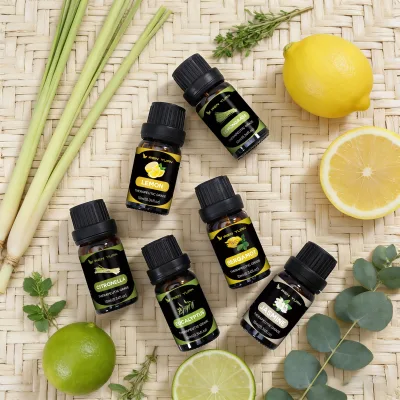
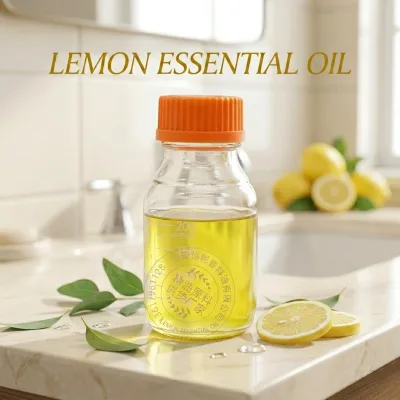
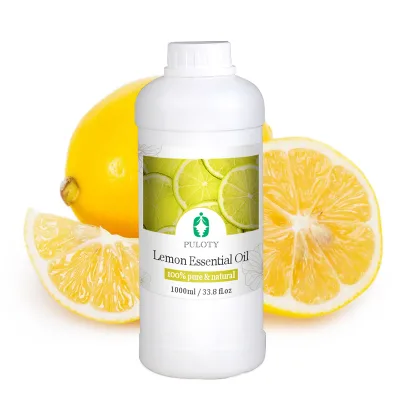
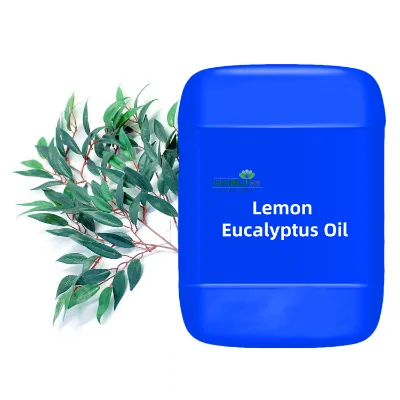
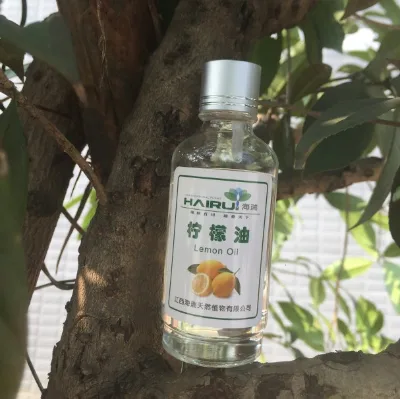
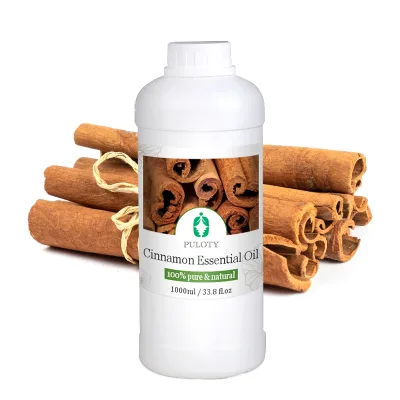
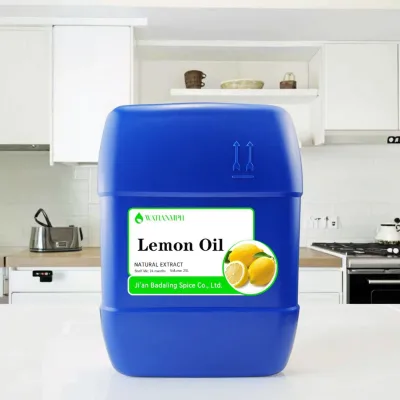
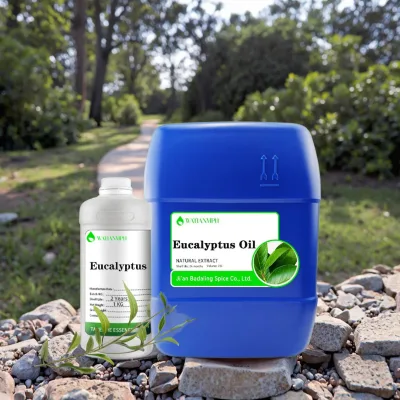
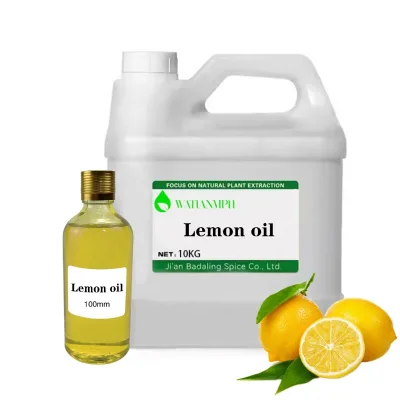
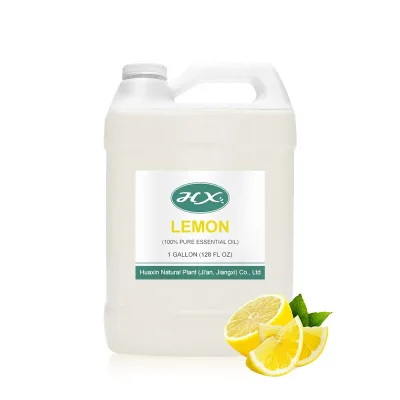


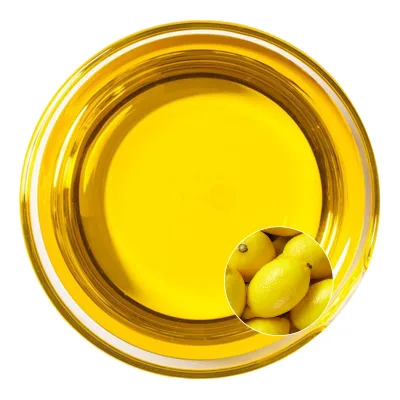

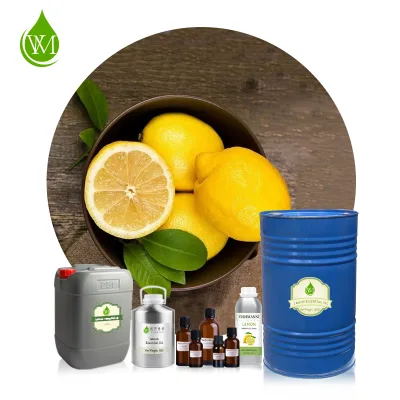


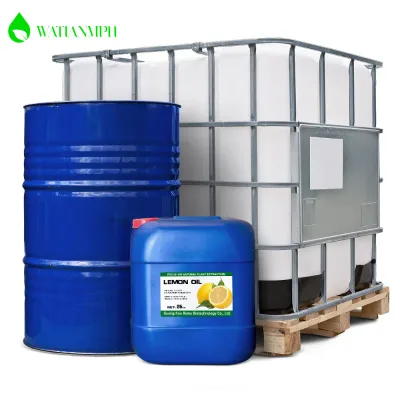
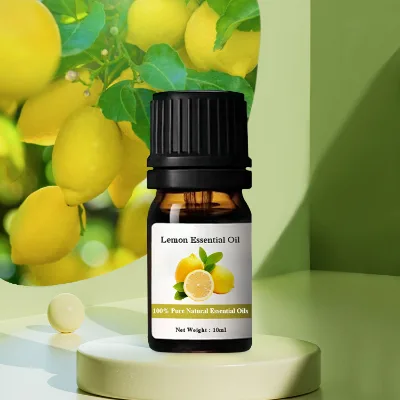


Comprehensive Sourcing Guide
Strategic Sourcing Guide for Pure Natural Lemon Oil with Limonene
Procuring high-quality pure natural lemon oil requires a disciplined approach that balances botanical authenticity with rigorous technical verification. The core keyword, "Pure Natural Lemon Oil with Limonene," points to a specific chemical profile where limonene serves as the primary constituent, typically comprising the vast majority of the oil's composition. Buyers entering this market must navigate a landscape defined by diverse extraction methods, varying purity claims, and distinct regulatory environments. This guide outlines the essential parameters for sourcing, focusing on the observable attributes found in current market listings while emphasizing the verification steps necessary to ensure product integrity.
Technical Specifications and Botanical Identity
The foundation of any successful procurement strategy lies in understanding the precise technical specifications of the raw material. In the context of pure natural lemon oil, the botanical source is critical. The supplied data indicates that the raw material is derived from the "PEEL" of the lemon fruit, which aligns with industry standards where cold pressing or steam distillation of the rind yields the essential oil. The physical appearance of the product is a primary indicator of quality; listings describe the oil as a "yellow to orange liquid" with a "fresh" odor characteristic of citrus.
Chemical composition is the most vital specification. While the term "pure natural" implies 100% plant extraction, the specific presence of limonene is the defining chemical marker. Buyers must verify that the product is not a synthetic blend or a diluted mixture. The observed data confirms that the extraction method is "Steam Distilled" for some variants, while the raw material is explicitly noted as "100% plant extracted." The physical weight of the sample units varies, with specific listings noting a "Physical Weight" of 10ml for samples and up to 1 Liter for bulk orders. The color is consistently described as "Yellow," and the odor is characterized as "Fresh" or possessing "the odor of lemon."
It is essential to distinguish between different product names found in the market, such as "Lemon essential oil," "Lemon oil," or complex blends like "100% pure natural lemon jasmine lemongrass essential oil." The latter represents a multi-ingredient formulation, whereas the core keyword targets single-ingredient purity. When sourcing, the buyer must ensure the specification sheet explicitly lists "Lemon" as the sole or primary ingredient, distinct from blends containing Eucalyptus, Orange, or Jasmine. The CAS number 8008-56-8 is a specific identifier for lemon oil that should be present on documentation to confirm the chemical identity.
Compliance, Certification, and Safety Documentation
In the B2B sector, compliance is not merely a formality but a prerequisite for market access. The supplied product attributes highlight "MSDS/COA" as a standard certification. These documents are non-negotiable for international trade. The Material Safety Data Sheet (MSDS) provides critical information regarding the handling, storage, and potential hazards of the oil, which is essential for logistics and safety compliance. The Certificate of Analysis (COA) verifies the chemical composition, ensuring that the limonene content meets the expected purity thresholds and that no unauthorized additives are present.
Beyond these specific documents, buyers should verify the product's adherence to relevant safety standards. The data mentions "100% Pure Natural Organic" as a product attribute, but this claim must be backed by recognized organic certifications, which are not explicitly detailed in the provided text but are implied by the "Organic" descriptor. For cosmetic and daily chemical applications, the product must meet the safety regulations of the destination market, such as the EU's Cosmetic Regulation or the FDA's guidelines in the United States. The observation that the product is suitable for "All skin types" or specifically "Oily" skin types suggests a need for dermatological safety data, particularly if the oil is marketed for direct topical application.
The "OEM/ODM" acceptance status indicates that suppliers are willing to customize the product, which introduces additional compliance layers. When a supplier offers custom formulations, the buyer must ensure that the new composition still adheres to the original safety profiles and that any added ingredients are fully disclosed in the updated COA. The "Supply Type" being OEM/ODM suggests flexibility, but it also requires a robust quality agreement to maintain consistency in the final product's safety profile.
Cost Drivers and Pricing Dynamics
Understanding the cost structure of pure natural lemon oil is crucial for budgeting and negotiation. The observed price range in the market spans from $0.4 to $190, a significant variance that reflects differences in volume, purity, packaging, and supplier positioning. The lower end of the spectrum likely corresponds to bulk raw material purchases or smaller sample units, while the higher end may reflect premium packaging, certified organic status, or specialized extraction methods.
The Minimum Order Quantity (MOQ) is a primary driver of unit cost. The data shows an MOQ range from 1 piece to 1000 pieces, with specific listings citing "10pcs" or "1KG" as the threshold. Buying in smaller quantities, such as the 10ml samples freely provided, allows for quality testing but results in a higher cost per milliliter. Conversely, purchasing in bulk, such as 1 Liter or larger, typically lowers the per-unit cost but requires a larger upfront capital investment. The "Single gross weight" varies between 1.5 kg and 2.0 kg depending on the packaging configuration, which directly impacts shipping costs.
Packaging specifications also influence the final price. The "Single package size" is listed as 10x10x20 cm or 20x1.5x25 cm. These dimensions affect the volume of the shipment and the efficiency of container loading. Buyers should consider the trade-off between protective packaging, which increases the gross weight and shipping cost, and minimal packaging, which might compromise the product's integrity during transit. The "Selling Units" being listed as "Single item" suggests that the market supports both bulk and retail-ready packaging, allowing buyers to choose based on their distribution strategy.
Typical Applications and Market Usage
Pure Natural Lemon Oil with Limonene is a versatile ingredient with applications spanning multiple industries. The supplied attributes explicitly list "body massage, aromatherapy, spa" as primary usage scenarios. The oil's "Relaxation" and "Calming" features make it a staple in wellness and therapeutic products. Its "Skin Revitalizer" and "Moisturizer" properties position it well for cosmetic formulations, particularly those targeting "Oily" skin types, as noted in the specific product data.
In the fragrance industry, the "Floral" and "Fresh" odor profiles are highly valued. The oil is used in "Candle Making" and as a base for various scented products. The "Aromatherapy" and "AROMA" attributes highlight its role in diffusers and inhalers. Furthermore, the "Application" field notes usage in "Cosmetic, Daily Chemical," indicating its integration into soaps, shampoos, and cleaning agents where its natural solvent properties and fresh scent are beneficial.
The versatility of the oil extends to its role as a "Nourishing" and "Smooth" agent in body care products. The "Premium" and "Raw" descriptors suggest that high-end brands utilize this oil to market products as natural and unadulterated. Buyers should align their procurement with their specific end-use requirements; for instance, a cosmetic manufacturer may prioritize the "Oily" skin compatibility, while an aromatherapy brand may focus on the "Relaxation" and "Calming" aspects.
Supplier Evaluation and Selection Criteria
Selecting the right supplier is a critical step that goes beyond price comparison. The market data reveals several brand names, including "WY," "Borui," and "Hairui," indicating a competitive landscape with multiple players. When evaluating suppliers, buyers should prioritize those who demonstrate transparency in their "Place of Origin," which is listed as "Jiangxi, China" for some products. This geographic information can be a proxy for supply chain stability and regional expertise in citrus processing.
The "Supply Type" being "OEM/ODM" suggests that suppliers are capable of custom manufacturing. Buyers should assess the supplier's capacity to handle custom orders, including their ability to maintain the "100% Pure Natural Organic" standard during the production process. The "Model Number" (e.g., WY2025122202, brxl-lemon-001) serves as a unique identifier for specific product batches or formulations, and suppliers should be able to trace these numbers back to their production records.
Reliability is another key factor. The "Shelf life" varies between 24 months and 3 years, which impacts inventory management. Suppliers with a longer shelf life offer more flexibility in storage and distribution. The "Sample" availability, noted as "Freely Provided 10ML," is a positive indicator of supplier confidence and allows buyers to conduct preliminary quality checks before committing to larger orders. Buyers should verify the supplier's ability to provide consistent samples and ensure that the sample quality matches the bulk product.
Quality Control and Verification Protocols
Implementing a robust quality control (QC) protocol is essential to mitigate the risks associated with natural product sourcing. The first step is the verification of the "Extraction Method." Whether the oil is "Steam Distilled" or cold-pressed, the method must be clearly documented and consistent with the purity claims. The "Raw Material" source, specifically "PEEL" or "Dried Leaves," must be verified to ensure it matches the botanical origin.
Chemical analysis is the cornerstone of QC. Buyers should request a COA that details the limonene content, ensuring it aligns with the expected range for pure lemon oil. The "CAS" number 8008-56-8 should be cross-referenced with the test results. Additionally, the "Color" and "Odor" should be visually and olfactorily inspected against the standard descriptions of "Yellow" and "Fresh." Any deviation, such as a darkened color or off-putting odor, could indicate oxidation or adulteration.
The "Physical Weight" and "Single gross weight" must be accurately measured to ensure the buyer receives the correct quantity. Discrepancies in weight can indicate evaporation or leakage, which are common issues with volatile essential oils. The "Single package size" should be inspected for damage that could compromise the seal and integrity of the oil. Finally, the "Shelf life" should be checked on the received product to ensure it has not expired or is nearing the end of its usable life.
Long-Term Procurement Considerations
Sourcing pure natural lemon oil is not a one-time transaction but a long-term partnership that requires strategic planning. The "MOQ" of 10pcs or 1KG offers flexibility for startups, but established businesses may need to negotiate higher volumes to secure better pricing and supply stability. The "Lead time" and "Location" factors, while not explicitly detailed in the provided text, are critical for supply chain resilience. Buyers should consider the "Place of Origin" in relation to their own logistics network to minimize shipping times and costs.
Sustainability is an increasingly important consideration. The "100% plant extracted" and "Natural Ingredients" attributes suggest an eco-friendly profile, but buyers should verify the sustainability of the lemon farming practices. The "Organic" claim, if present, should be backed by valid certification to ensure the product meets environmental standards. The "OEM/ODM" capability allows for long-term customization, enabling buyers to adapt the product to changing market trends or regulatory requirements.
Finally, the "Brand name" and "Product name" consistency are vital for brand identity. Buyers should ensure that the supplier can maintain the specific product naming and branding conventions over time. The "Model Number" serves as a reference point for this consistency. By focusing on these long-term factors, buyers can build a resilient supply chain that supports their business growth while maintaining the high standards of quality and purity required for pure natural lemon oil.
FAQs
What is the extraction method for pure natural lemon oil?
The extraction method is steam distillation for the listed variants. This process ensures the oil retains its fresh odor and yellow color while maintaining 100% plant extraction purity without synthetic additives.
Can I get samples of Pure Natural Lemon Oil with Limonene?
Yes, suppliers freely provide 10ml samples for quality verification. These samples allow buyers to test the fresh lemon odor and physical weight before committing to bulk orders of 1kg or larger.
Which certifications are required for pure natural lemon oil?
MSDS and COA certifications are standard for international trade compliance. These documents verify the chemical composition, including the CAS number 8008-56-8, and ensure safety for cosmetic and daily chemical applications.
How does the MOQ affect the pricing of lemon oil?
The minimum order quantity ranges from 10 pieces to 1kg, influencing the unit cost significantly. Smaller sample orders have higher per-unit prices, while bulk purchases typically reduce the cost per liter.
What is the shelf life of pure natural lemon oil?
The shelf life varies between 24 months and 3 years depending on the specific product listing. Buyers should check the expiration date to ensure the oil remains effective for aromatherapy and skin care uses.
Can suppliers offer OEM or ODM services for lemon oil?
Yes, most suppliers accept OEM and ODM requests for custom formulations. This allows buyers to specify packaging sizes like 10ml or 1L while maintaining the 100% pure natural organic ingredient standard.
Where is the origin of the pure natural lemon oil?
The place of origin is Jiangxi, China, for the observed product listings. This region is known for producing plant-extracted raw materials that meet the required physical weight and single package size specifications.