Source PVC Silicone Focal Beads for DIY Jewelry, Pen Decor, Crafts
Explore 30 listings for PVC Silicone Focal Beads suitable for DIY jewelry, pen decorations, and craft projects. Buyers can compare specifications, materials, and pricing to find the right options for their sourcing needs.
Key considerations
Products List
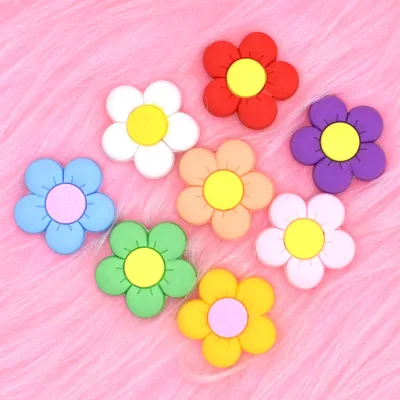
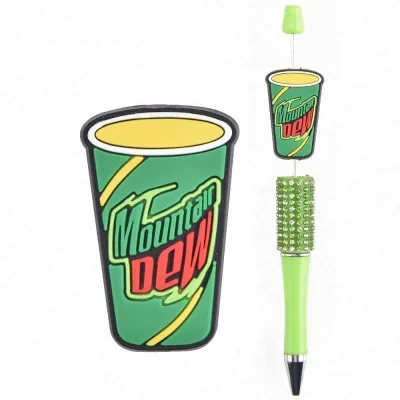
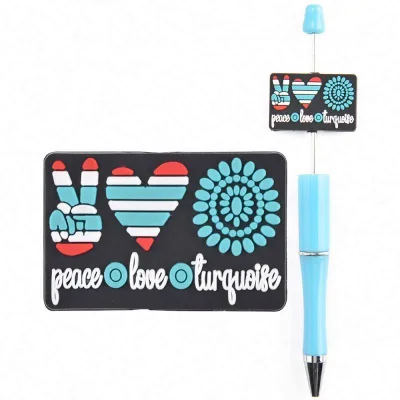
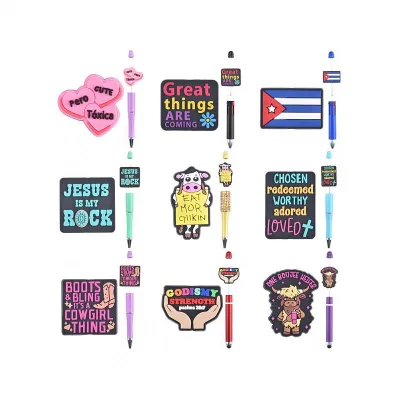
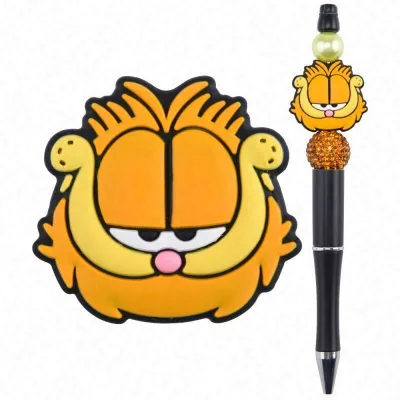
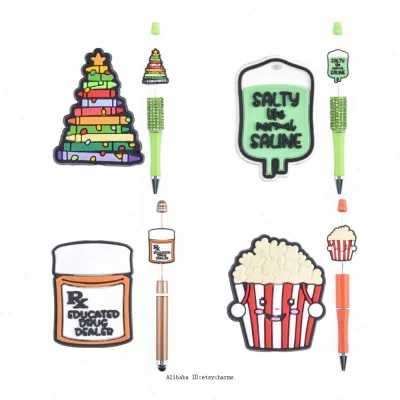
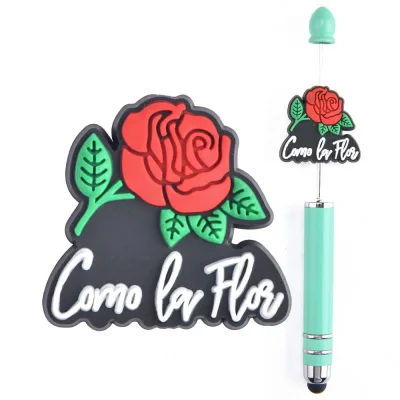
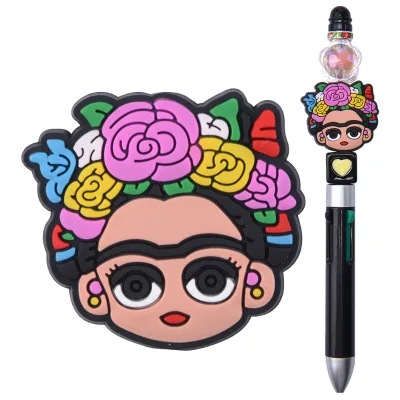
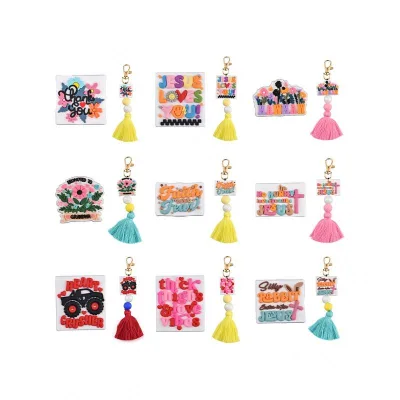
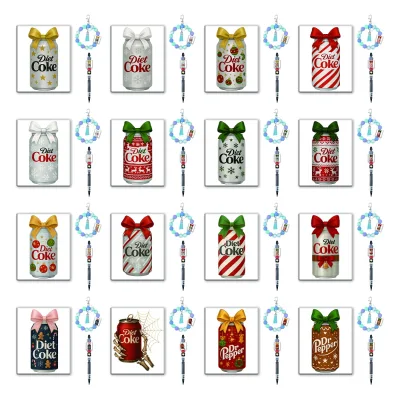
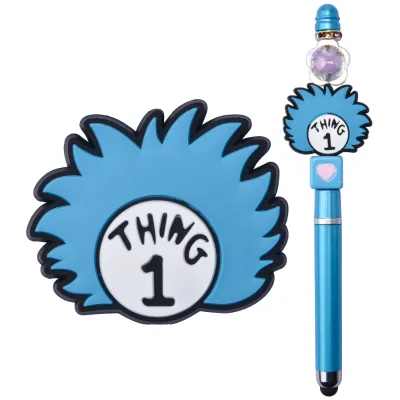
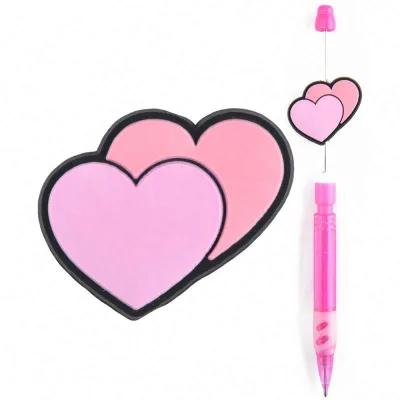
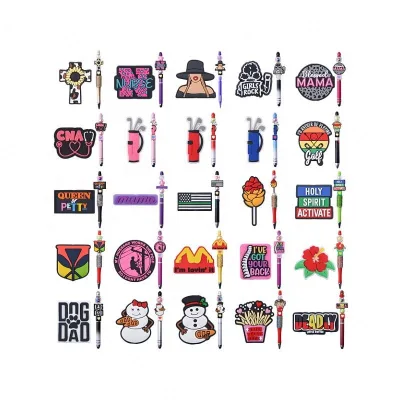
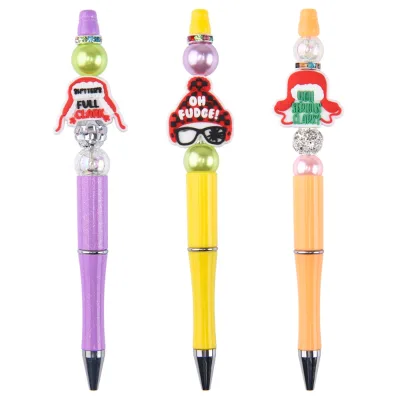
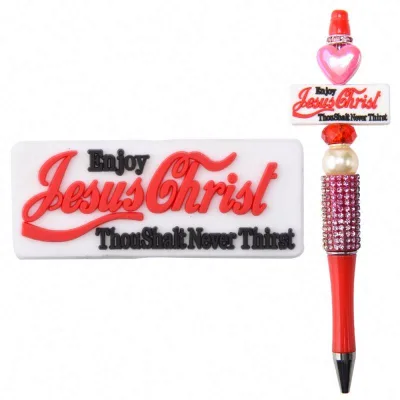
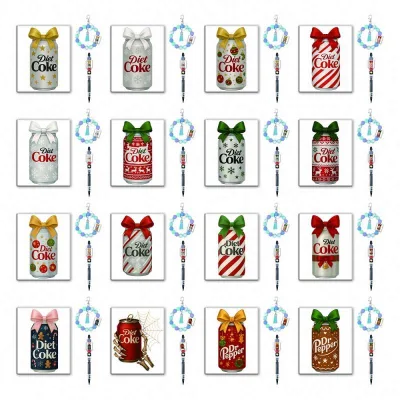
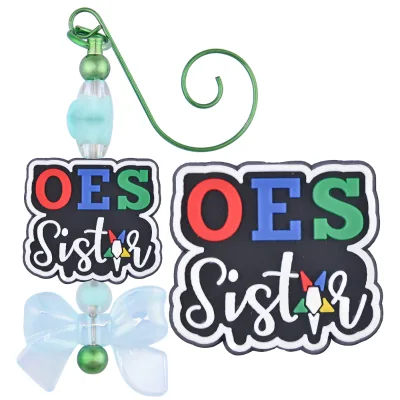
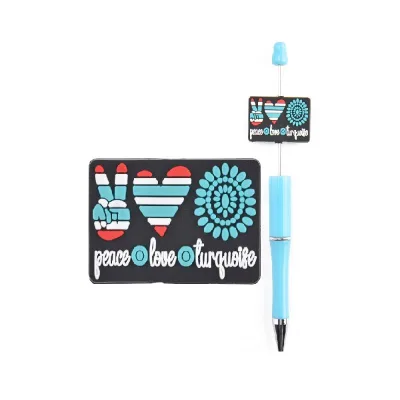

Removable Focal Beads Cartoon Half 3D PVC Rubber Silicone Focal Beads Charms
$0.50 - $1.25
MOQ: 100 Pieces


Comprehensive Sourcing Guide
Strategic Sourcing Guide for PVC and Silicone Focal Beads
Understanding Product Variants and Material Composition
The market for focal beads, specifically those categorized under PVC and silicone, presents a diverse landscape of material properties that directly influence application suitability. Based on current product listings, the core keyword "PVC Silicone Focal Beads" encompasses two distinct material categories that buyers must differentiate during the sourcing process. One segment features products explicitly labeled as "pvc focal Bead," where the material composition is identified as PVC. These items often carry specific branding such as "CZ" and are characterized by a "Round" shape with weights ranging from 1.5 to 5 grams. The physical dimensions for these PVC variants can vary significantly, with observed specifications including sizes of 3mm or larger dimensions listed as 1.2, 1.5, and 1.9 cm.
In contrast, the silicone segment includes products described as "Silicone Focal Beads" or "cartoon Silicone focal beads." These items are frequently associated with brands like "LK bead" or "DZ beads" and are noted for an "Irregular" shape, distinguishing them from the strictly round PVC counterparts. The material listing for this category explicitly mentions "Silicone, PVC" as loose beads materials, suggesting a hybrid or mixed inventory in some listings. Silicone variants are often marketed with a "Washable" feature, a critical attribute for products intended for jewelry or items that require cleaning. The size specifications for these silicone items include a single package size of 3x3x1 cm and an item diameter of 22 mm, indicating a potentially larger or more substantial focal point compared to the 3mm PVC options.
Buyers must carefully review the "Loose Beads Material" field in supplier data sheets, as the term "Other" appears in some listings alongside specific material names. This ambiguity requires verification to ensure the product matches the intended durability and tactile requirements. The "Product Name" field often clarifies the specific type, such as "pvc focal Bead" versus "Silicone Focal Beads," serving as the primary identifier for the material class. Understanding these distinctions is the first step in aligning procurement with the functional needs of the end product, whether for pen decoration, jewelry making, or general DIY craft applications.
Technical Specifications and Dimensional Standards
Precision in technical specifications is paramount when sourcing focal beads, as these components often serve as the centerpiece of a design. The observed data reveals a wide range of dimensional standards that buyers must navigate. For instance, specific listings define the "Size" as 3mm, while others provide a broader range of 1.2, 1.5, and 1.9 cm. This variance suggests that "focal bead" is a functional category rather than a single standardized size. Buyers should verify the exact "Item Diameter" required for their assembly line or design template, as one listing explicitly notes a diameter of 22 mm, while another lists the diameter as "FREE," indicating a customizable or variable size option.
Packaging dimensions also play a crucial role in logistics planning. The "Single package size" varies between 2x2x1 cm and 3x3x1 cm, reflecting the different physical volumes of the beads and their protective packaging. The "Single gross weight" is another critical metric for freight cost calculations, with observed values of 0.008 kg, 0.006 kg, and 0.005 kg. These slight differences in weight per unit can accumulate significantly over large orders, impacting the total landed cost. Furthermore, the "Shape" attribute is a defining technical characteristic; while PVC options are predominantly "Round," silicone options are frequently described as "Irregular." This distinction affects how the beads sit on a string or how they are integrated into a pen mechanism.
The "Model Number" field provides another layer of technical identification, with entries such as "focal beads," "focal bead," and "cartoon Silicone focal beads." These identifiers are essential for maintaining consistency in reordering and ensuring that the correct variant is sourced for future production runs. Buyers should cross-reference the model number with the specific shape and material to avoid receiving mismatched inventory. Additionally, the "Usage" field indicates specific applications, such as "For Pen Beads" or "Ball Point," which implies that the internal hole or structure of the bead must accommodate a pen barrel or similar mechanism. Verifying these technical parameters against the physical requirements of the final assembly is a non-negotiable step in the sourcing workflow.
Compliance, Certification, and Safety Verification
When sourcing plastic and rubber components like PVC and silicone beads, compliance with safety standards is a critical, yet often unverified, aspect of the procurement process. The provided product data does not explicitly list certifications such as REACH, RoHS, or specific food-grade approvals. Consequently, buyers must treat the absence of listed certifications as a signal to request documentation rather than assuming compliance. The "Material" listing of "PVC" and "Silicone" necessitates a specific inquiry regarding the presence of phthalates, heavy metals, or other restricted substances, particularly if the beads are intended for children's products or items that come into direct contact with skin.
The "Feature" attribute lists "Washable" for certain silicone variants, which implies a level of durability and chemical stability, but this is an observation of performance rather than a certified standard. Buyers should verify if the "Washable" claim is supported by specific testing protocols that confirm the beads do not degrade, leach chemicals, or lose color after repeated washing. Similarly, the "Custom" attribute indicates that suppliers offer customization for "Logo; package; color," but the safety of the inks and dyes used for these customizations must be validated. The "Brand Name" field, showing names like "CZ," "LK bead," and "DZ beads," does not inherently confer a compliance status; these are simply identifiers used by the suppliers.
For products originating from "China" or specifically "Fujian, China," buyers should be aware that regulatory environments may differ from their domestic market. While the "Place of Origin" is clearly stated, it does not guarantee adherence to international safety standards. The "Payment" methods listed, such as "Paypal," "TT," and "Trade Assurance," offer transactional security but do not substitute for product safety verification. Buyers must explicitly request test reports or certificates of analysis for every batch, especially when dealing with "Loose Beads Material" that may contain mixed components. Relying solely on the product description without independent verification of material safety can lead to significant compliance risks in the final market.
Cost Drivers and Minimum Order Quantities
The economics of sourcing PVC and silicone focal beads are influenced by several variables, including material costs, customization requirements, and order volume. The observed "MOQ" (Minimum Order Quantity) ranges widely, with specific listings stating 10 Pieces, 100 Pieces, and 1000 Pcs. This variation suggests that suppliers may have different thresholds for standard versus customized orders. For instance, a listing with an MOQ of 1000 Pcs likely pertains to a standard, non-customized run, while the 10 Pcs option may be a sample or a very small batch. The "Selling Units" are listed as "Single item," which can complicate bulk pricing calculations if the supplier does not offer tiered pricing structures.
Customization is a significant cost driver. The "Custom" attribute confirms that suppliers support changes to "Logo; package; color." Implementing custom logos or specific color codes, such as the extensive lists of "bd1148" through "bd1188" or "HMCX-02-01" through "HMCX-02-08," often incurs additional setup fees or higher unit costs. The "Sample" attribute indicates that samples are "free," which can reduce the initial risk of sourcing, but the "Sample Time" of 5-7 days must be factored into the overall project timeline. The "Packing" method, whether "Opp Bag" or "Polybag + Carton," also impacts cost; more robust packaging like cartons will increase the unit price compared to simple polybags.
The "Weight" of the product, ranging from 1.5 to 5 grams, directly influences shipping costs, especially for air freight. Buyers should calculate the total weight of the order based on the specific "Single gross weight" provided (e.g., 0.008 kg) to estimate freight charges accurately. The "Keyword" field, including terms like "penl bead" and "DIY Jewelry Making Beads Set," suggests that the market is segmented, and pricing may vary based on the perceived value of the end application. While the "Observed listed price range" is 0.09-2.1 USD, this is a broad spectrum that likely reflects differences in material quality, size, and customization. Buyers should not assume the lowest price point corresponds to the best value without considering the total cost of ownership, including potential rework costs from quality issues.
Supplier Evaluation and Operational Capabilities
Evaluating suppliers for PVC and silicone focal beads requires a focus on their operational flexibility and communication capabilities. The "OEM/ODM" attribute is listed as "Welcome," indicating that many suppliers are open to original equipment manufacturing and original design manufacturing requests. This is a positive indicator for buyers looking to brand the products or modify the design. However, the presence of multiple "Brand Name" entries (CZ, LK bead, DZ beads) suggests that these suppliers may operate as multi-brand distributors or manufacturers with diverse product lines. Buyers should verify if the supplier is the actual manufacturer or a trading company, as this distinction affects pricing and control over the production process.
The "Place of Origin" is consistently listed as "China," with a specific mention of "Fujian, China" for some silicone variants. This geographic concentration can be advantageous for logistics but requires verification of the specific factory location to ensure it aligns with the buyer's risk management strategies. The "Payment" terms, including "Paypal," "TT," and "Trade Assurance," offer various levels of financial protection. "Trade Assurance" is particularly valuable as it often includes dispute resolution mechanisms, whereas "TT" (Telegraphic Transfer) requires more trust in the supplier's reliability.
Communication regarding the "Custom" options is another key evaluation point. The ability to support custom colors, logos, and packaging implies a level of production flexibility. Buyers should assess the supplier's responsiveness to inquiries about the "Sample Time" of 5-7 days and whether this timeline is consistent across different customization requests. The "Function" listed as "DIY Craft Decoration .etc" suggests a broad market application, but buyers should confirm if the supplier has experience with specific high-volume applications like pen manufacturing or jewelry assembly. The "Keyword" field, including "penl bead," indicates a niche focus that some suppliers may specialize in, which could be beneficial for buyers seeking expertise in that specific segment.
Quality Control and Long-Term Procurement Strategy
Establishing a robust quality control (QC) protocol is essential for sourcing focal beads, given the potential for variability in material and finish. The "Shape" attribute, distinguishing between "Round" and "Irregular," requires clear visual standards to ensure consistency. For "Irregular" silicone beads, the definition of "irregular" must be agreed upon to prevent excessive rejection rates. The "Color" lists, which include extensive codes like "bd1148" through "bd1188," necessitate a color matching process to ensure that the physical product matches the digital or physical reference. Buyers should request physical color swatches or approved samples before mass production begins.
The "Packing" method, whether "Opp Bag" or "Polybag + Carton," must be inspected to ensure it protects the beads during transit. Damage to beads, especially those with "Washable" features or specific shapes, can render them unusable. The "Single gross weight" and "Single package size" should be verified against the actual shipment to detect any discrepancies that might indicate missing units or incorrect packaging. For long-term procurement, establishing a relationship with a supplier who can consistently meet the "MOQ" requirements is vital. The wide range of MOQs (10 to 1000 Pcs) suggests that buyers can start small but should plan for scaling up to secure better pricing and priority production slots.
Long-term success also depends on the supplier's ability to maintain inventory stability. The "Model Number" variations, such as "focal beads" versus "cartoon Silicone focal beads," highlight the need for clear product identification to avoid confusion in future orders. Buyers should maintain a detailed specification sheet that includes the "Material," "Size," "Shape," and "Color" codes for each SKU. Regular audits of the supplier's production capabilities and adherence to safety standards will help mitigate risks. Finally, the "Usage" field, which includes "For Pen Beads" and "Ball Point," should be monitored to ensure the beads remain compatible with evolving pen designs or jewelry trends. By integrating these QC measures and strategic planning steps, buyers can build a resilient supply chain for PVC and silicone focal beads.
FAQs
What materials are used for these focal beads?
The focal beads are primarily made from PVC or silicone, with some listings specifying a mix of both materials. Buyers should verify the specific material composition in the product details, as some entries list the material as 'Other' or 'Silicone, PVC' to ensure it matches the intended durability and tactile requirements.
Which shapes are available for PVC and silicone variants?
PVC variants typically feature a round shape, while silicone options are often described as irregular. The specific shape is a defining technical characteristic that affects how the beads sit on a string or integrate into a pen mechanism, so buyers must cross-reference the model number with the shape attribute.
How can I find suppliers with low minimum order quantities?
Suppliers offer varying minimum order quantities, with observed ranges starting from 10 pieces up to 1000 pieces. Some listings indicate an MOQ of 10 pieces for samples or small batches, while others require 1000 pieces for standard runs, so buyers should check the specific MOQ field for each product listing.
Can suppliers provide custom logos and colors for these beads?
Yes, suppliers welcome OEM and ODM requests and support customization for logos, packaging, and colors. The product attributes confirm that custom colors are supported, and specific color codes like HMCX-02-01 are available, though buyers should verify the safety of inks used for these customizations.
What is the typical packaging method for these products?
Packaging varies between simple OPP bags and more robust polybags combined with cartons. The single package size ranges from 2x2x1 cm to 3x3x1 cm, and the gross weight per unit is approximately 0.005 to 0.008 kg, which impacts logistics planning and freight cost calculations.
Where are these focal beads manufactured?
The products originate from China, with specific mentions of Fujian, China for some silicone variants. While the place of origin is clearly stated, buyers should verify the specific factory location to ensure it aligns with their risk management strategies and regulatory requirements.