Source Quick Detach Red Dot Sight for Hunting, Shooting, and Training
Explore 30 listings of Quick Detach Red Dot Sight options with varying weights, dimensions, and reticle colors. Buyers can compare specifications like magnification, waterproof ratings, and adjustment methods to find suitable suppliers for tactical and recreational applications.
Key considerations
Products List


Red DOT Scope Sight 1X22mm Enclosed Red DOT Scope Civilian Use Scope Sight
$14.00 - $15.00
MOQ: 20 Pieces


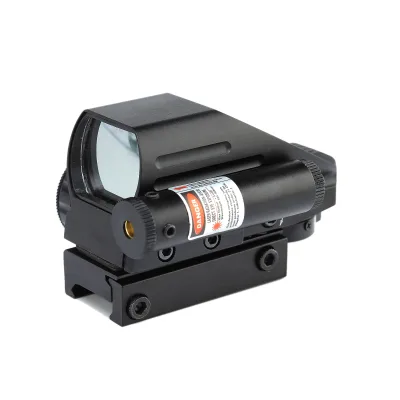
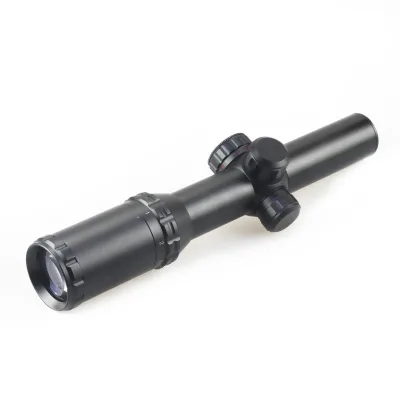
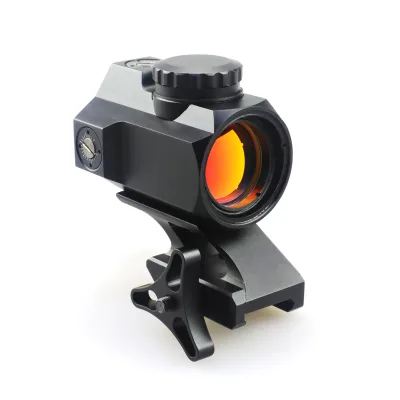


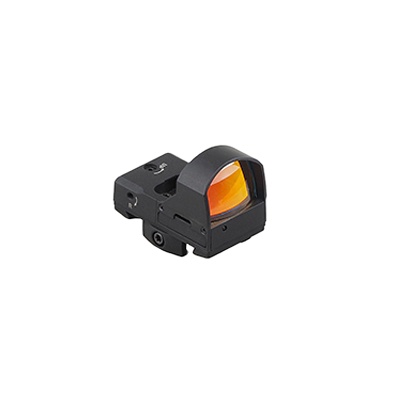
Comprehensive Sourcing Guide
Strategic Sourcing Guide for Quick Detach Red Dot Sights
Understanding the Product Category and Technical Landscape
The market for quick detach red dot sights encompasses a diverse array of optical devices designed to provide rapid target acquisition and enhanced situational awareness. When sourcing these components, buyers must recognize that the category is not monolithic; it includes various models with distinct physical dimensions, weight profiles, and optical configurations. The core functionality relies on a non-magnified view, typically offering 1X magnification, which allows for both-eyes-open shooting and rapid engagement of targets at close to medium ranges.
A critical observation in the current supply landscape is the variance in physical specifications across different product models. For instance, while some units are engineered with a length of 14cm, others in the same category may measure 7.6cm or 13.5cm. Similarly, weight varies significantly, with observed data points ranging from 136g to 397g. This variation is often dictated by the objective lens diameter, which can range from 22mm to 30mm. Buyers must align their specific operational requirements with these physical attributes. A lightweight unit of 136g may be preferable for mounting on lightweight firearms or for applications where weight distribution is critical, whereas a heavier unit of 397g might offer greater durability or a larger objective lens for improved light gathering.
The optical performance is another primary differentiator. Most units in this sector feature a red and green dot reticle, providing users with the flexibility to select a color that offers the best contrast against their specific background environment. The reticle type is often standardized, with some models offering a specific count of reticle options, such as a 4-point configuration. Brightness levels are a crucial specification for operational versatility; while some sources indicate "unlimited" levels, buyers should verify the actual step count and the mechanism for adjustment, which is frequently a coin-adjustment system for fine-tuning the illumination intensity. The optical coating is equally vital, with options ranging from basic blue coating to fully multi-coated optics, the latter generally providing superior light transmission and reduced glare.
Regulatory Compliance and Certification Verification
In the B2B procurement of optical sights, verifying compliance and certification status is a non-negotiable step that often determines the viability of a supplier relationship. Unlike consumer electronics where certifications are often standardized and visible, the optical industry requires a more nuanced approach to verification. Buyers must explicitly request documentation regarding the manufacturing standards and quality control protocols employed by the supplier.
It is essential to note that while specific product data may reference a "standard" value, such as 14cm or 523026mm, these are often physical dimensions rather than regulatory certifications. Buyers should not assume that a product listing a specific dimension automatically implies compliance with international safety or quality standards. Instead, the procurement strategy must involve a direct inquiry into whether the manufacturer adheres to ISO standards, military specifications (MIL-SPEC), or other relevant industry benchmarks. The absence of a specific certification name in the product description does not necessarily indicate non-compliance, but it does require the buyer to initiate a formal verification process.
Furthermore, the origin of the product plays a significant role in the compliance landscape. Many of the observed units originate from Jiangxi, China, or other regions within China. While this is a common manufacturing hub for optical goods, it necessitates a thorough review of the supplier's export compliance records. Buyers should verify that the supplier has the necessary licenses to export these goods to their target markets and that the products meet the specific import regulations of the destination country. This includes checking for any restrictions on optical devices, export controls, and environmental compliance regarding materials used in the manufacturing process, such as the finish and coating materials.
Cost Drivers and Pricing Structure Analysis
The pricing structure for quick detach red dot sights is influenced by a complex interplay of factors, including material costs, manufacturing complexity, and the level of customization offered. The observed price range in the market spans from approximately 9.3 USD to 72.66 USD. This wide disparity indicates that the market is segmented into distinct tiers based on quality, features, and brand positioning.
One of the primary cost drivers is the optical quality. Units featuring fully multi-coated optics generally command a higher price point compared to those with basic blue coating. The complexity of the reticle system also impacts cost; models offering multiple reticle types or advanced brightness adjustment mechanisms may be priced higher. Additionally, the durability features, such as waterproof and shockproof capabilities, add to the manufacturing cost. Products that are explicitly rated as waterproof and shockproof require more rigorous sealing processes and robust housing materials, which increases the unit cost.
The minimum order quantity (MOQ) is another significant factor in the total cost of ownership. The observed MOQ range spans from 1 to 100 units. For buyers seeking to minimize initial capital expenditure, suppliers with an MOQ of 1 offer a lower barrier to entry, allowing for smaller trial orders. However, these suppliers may have higher per-unit costs. Conversely, suppliers with an MOQ of 100 often provide a lower per-unit price, making them more suitable for large-scale procurement. Buyers must balance the upfront cost against the volume discount to determine the most cost-effective strategy for their specific needs.
Customization is a key value-add that influences pricing. The availability of customization options allows buyers to tailor the product to their specific requirements, such as specific colors, packaging, or branding. While this adds value, it may also introduce additional costs or longer lead times. Buyers should request a detailed cost breakdown for any customized features to understand the full financial impact of their procurement decision.
Typical Applications and Operational Use Cases
Quick detach red dot sights are versatile tools employed across a wide range of applications, from tactical military operations to civilian recreational shooting and competitive sports. The specific features of the sight, such as its weight, size, and optical properties, dictate its suitability for different use cases.
In tactical and law enforcement scenarios, the quick detach mechanism is paramount. This feature allows operators to rapidly attach or remove the sight from the firearm, facilitating the transition between different weapon configurations or the use of backup iron sights. The shockproof and waterproof attributes are critical in these environments, ensuring the sight remains functional under harsh conditions and physical stress. The red and green dot options provide flexibility in varying lighting conditions, which is essential for both indoor and outdoor engagements.
For civilian and recreational use, the lightweight nature of many models, such as those weighing 136g or 204g, makes them ideal for mounting on a variety of firearms without significantly altering the balance of the weapon. The 1X magnification is particularly beneficial for close-quarters shooting, where rapid target acquisition is more important than long-range precision. The adjustable brightness levels allow users to optimize the reticle visibility in different lighting environments, from bright daylight to low-light conditions.
In competitive shooting sports, the precision and reliability of the sight are crucial. Models with fully multi-coated optics and precise adjustment mechanisms, such as the coin adjustment system with a click value of 1/4 MOA, are preferred for their accuracy and repeatability. The durability of the sight, indicated by its shockproof rating, ensures that it can withstand the rigors of competition without losing zero or suffering damage.
Supplier Evaluation and Quality Assurance Protocols
Evaluating suppliers for quick detach red dot sights requires a rigorous assessment of their manufacturing capabilities, quality control processes, and track record. Buyers should prioritize suppliers who demonstrate transparency in their production processes and provide detailed documentation regarding their quality assurance measures.
One of the first steps in supplier evaluation is to verify the consistency of the product specifications. The observed data shows a wide range of dimensions and weights across different models. Buyers should request detailed technical drawings and specifications for the specific models they are interested in to ensure they meet their operational requirements. It is also important to verify the consistency of the optical performance, including the clarity of the red and green dots and the effectiveness of the anti-reflective coatings.
Quality control is another critical aspect of supplier evaluation. Buyers should inquire about the supplier's quality control protocols, including the testing procedures used to verify the shockproof and waterproof ratings. The supplier should be able to provide evidence of these tests, such as test reports or certification documents. Additionally, buyers should assess the supplier's ability to maintain consistent quality across large production runs, as this is essential for meeting the demands of B2B procurement.
The supplier's responsiveness and communication are also important factors. A reliable supplier should be able to provide timely updates on order status, address any concerns or questions promptly, and offer support throughout the procurement process. Buyers should also consider the supplier's reputation in the market, looking for reviews or references from other clients to gauge their reliability and performance.
Long-Term Procurement Considerations and Supply Chain Resilience
Long-term procurement of quick detach red dot sights requires a strategic approach that considers supply chain resilience, product lifecycle management, and the potential for future customization. Buyers should develop a robust supply chain strategy that mitigates the risks associated with supplier dependency and market volatility.
One key consideration is the potential for supply chain disruptions. Buyers should diversify their supplier base to reduce the risk of relying on a single source. This can involve establishing relationships with multiple suppliers in different regions or countries to ensure a steady supply of products. Additionally, buyers should monitor the geopolitical and economic factors that could impact the supply chain, such as trade restrictions, tariffs, and logistics challenges.
Product lifecycle management is another important aspect of long-term procurement. Buyers should work closely with their suppliers to understand the product roadmap and plan for future upgrades or replacements. This includes staying informed about new technologies and features that could enhance the performance of the sights. Buyers should also consider the availability of spare parts and accessories, such as mounting rails and batteries, to ensure the long-term usability of the products.
Customization remains a key driver of value in the long term. As buyer requirements evolve, the ability to customize the sights to meet specific needs will become increasingly important. Buyers should negotiate flexible terms with their suppliers that allow for customization without significant cost or lead time penalties. This includes the ability to adjust specifications, packaging, and branding as needed.
Finally, buyers should establish a clear communication channel with their suppliers to ensure that any changes in requirements or market conditions are addressed promptly. Regular reviews and feedback sessions can help identify potential issues and opportunities for improvement, fostering a collaborative relationship that benefits both parties. By taking a proactive and strategic approach to long-term procurement, buyers can ensure a steady supply of high-quality quick detach red dot sights that meet their operational needs.
Comparative Analysis of Key Product Specifications
To facilitate informed decision-making, the following table summarizes the key specifications observed across different models in the Quick Detach Red Dot Sight category. This comparison highlights the diversity in physical dimensions, weight, and optical features, aiding buyers in selecting the most suitable product for their specific requirements.
| Specification | Model A (HD30TB) | Model B (HD107) | Model C (HD35) | Model D (HD22E) | Model E (HD22D) | Model F (HD30M4) | Model G (HD103S) |
|---|---|---|---|---|---|---|---|
| Length | 14cm | 523026mm | N/A | 7.6cm | 13.5cm | 10cm | 82X51X54mm |
| Weight | 358g | 397g | 204G | 136g | 356g | N/A | N/A |
| Objective Diameter | 30mm | N/A | N/A | 22mm | N/A | N/A | 22mm |
| Magnification | 1X | N/A | N/A | N/A | N/A | N/A | N/A |
| Reticle | Red and Green DOT | N/A | N/A | N/A | N/A | N/A | Red and Green |
| Optical Coating | Blue Coating | N/A | N/A | N/A | N/A | Fully Multi-Coated | N/A |
| Shockproof | Yes | N/A | N/A | N/A | N/A | N/A | N/A |
| Waterproof | N/A | N/A | N/A | N/A | N/A | Waterproof | N/A |
| Mount Type | N/A | N/A | N/A | 22mm/11mm | N/A | N/A | N/A |
| Origin | Jiangxi, China | China | N/A | N/A | N/A | N/A | China |
This table underscores the importance of carefully reviewing specifications before making a procurement decision. The variation in dimensions, weight, and optical features means that no single model is universally superior; the best choice depends entirely on the specific operational context and requirements of the buyer. By leveraging this comparative analysis, buyers can make more informed decisions that align with their strategic goals and operational needs.
FAQs
What customization options are available for these sights?
Customization is available for these quick detach red dot sights. Buyers can request specific configurations to match operational needs, though exact options depend on the supplier's capabilities and the selected model.
Which magnification level do these red dot sights offer?
These red dot sights offer a 1X magnification level. This non-magnified view allows for both-eyes-open shooting and rapid target acquisition at close to medium ranges without compromising situational awareness.
How much does the heaviest model in this range weigh?
The heaviest observed model weighs 397 grams. Weight varies significantly across the product line, with lighter options available down to 136 grams depending on the specific model and objective lens diameter.
What reticle colors can be selected for these optics?
Users can select between red and green dot reticles. This flexibility allows operators to choose the color that provides the best contrast against their specific background environment for optimal visibility.
Can these sights be adjusted using a coin adjustment method?
Yes, these sights feature a coin adjustment method for fine-tuning. This mechanism allows for precise calibration of the reticle position and brightness levels to ensure accurate target engagement.
What is the minimum order quantity for these optical devices?
The minimum order quantity ranges from 1 to 100 units. Buyers can choose suppliers with lower MOQs for trial orders or higher MOQs for volume discounts to optimize their procurement costs.
Which origin locations are common for these red dot sights?
Many of these units originate from Jiangxi, China, or other regions within China. Buyers should verify export compliance and import regulations for their specific destination country when sourcing from these locations.