Source Quick Dry Polyester Tracksuit for Gym, Yoga, and Racing
Explore 30 listings for the Quick Dry Polyester Tracksuit suitable for fitness, gym, and yoga activities. Buyers can compare specifications, customization options, and pricing from verified suppliers offering OEM services; compare the available evidence and request quotations based on your requirements.
Key considerations
Products List


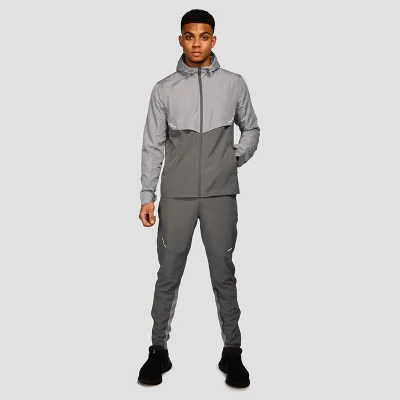

Bottoms Custom Tracksuits for Men Cotton Polyester Sportswear Tracksuit Wholesale
$25.90 - $29.90
MOQ: 50 pieces


Men's Tracksuit Custom Design Tracksuits Slim Fit Man Jogger Track Suits
$16.84 - $20.19
MOQ: 5 pieces


Comprehensive Sourcing Guide
Quick Dry Polyester Tracksuit Sourcing Guide
Buyers evaluating quick-dry polyester tracksuits must first distinguish between general fitness wear and specialized athletic gear, as the supplied data indicates a wide range of usage scenarios including soccer, cycling, and yoga. The observed product attributes confirm that these garments are designed for high-intensity activities where moisture management is critical, featuring quick-drying and breathable properties essential for performance. Procurement teams should verify that the specific listing aligns with the intended activity, noting that some models are explicitly marked for ball sports while others target general gym or dance environments.
Commercial listings reveal a diverse supply base originating primarily from China, with specific manufacturing hubs in Shanghai and Guangdong. The observed price range of 3 to 35 USD suggests significant variation based on customization levels, material blends, and order volume. Buyers must carefully assess whether the competitive pricing reflects standard polyester construction or includes advanced features like sublimation printing and custom logo application. Understanding these market signals helps in setting realistic budget expectations while ensuring the selected supplier can meet the specific volume requirements observed in the 1 to 500 unit MOQ range.
Product Scope and Observed Listing Signals
The product scope encompasses a broad spectrum of athletic apparel, ranging from standard tracksuits to specialized hoodies and full-length suits suitable for various age groups from kids to adults. The observed listings highlight a strong emphasis on customization, with many suppliers offering OEM services and the ability to print or embroider logos directly onto the fabric. This flexibility allows buyers to create branded merchandise for teams or corporate events, provided they can navigate the available size standards which include S through XXL and specific custom sizing options.
Listing signals indicate that the primary material composition is polyester, often blended with spandex for stretch or cotton for comfort, depending on the specific model number and intended season. The technical construction methods, such as warp knitting and sublimation printing, are consistently noted across the product range, ensuring vibrant patterns and durable color retention. Buyers should scrutinize the packing specifications, as some items are shipped in cartons while others utilize DHL or FedEx packaging, which can impact logistics planning and final delivery costs for international orders.
Technical Specifications to Verify
When verifying technical specifications, the buyer must confirm the exact material blend, as the data shows variations between 100% polyester, polyester-spandex mixes, and polyester-cotton combinations. The presence of quick-drying and moisture-wicking features is a critical performance indicator, but these claims must be validated against the specific knitting method and fabric weight listed for each model. It is essential to ensure that the selected tracksuit meets the thermal requirements for the intended season, whether it is designed for spring, autumn, or winter conditions, as the product attributes explicitly differentiate between these seasonal applications.
Dimensional accuracy and fit consistency are paramount, given the observed standard sizes ranging from S to XXL alongside custom sizing options. Buyers should request detailed size charts that account for the specific model numbers like JS001 or EAS-Su, as fit can vary significantly between different production runs. Additionally, the closure types, such as drawstrings, and collar styles, like round necks, must be verified to ensure they meet the ergonomic needs of the end-user. Confirming the length specifications, particularly for full-length tracksuits, ensures the garment provides adequate coverage and comfort during active movement.
Compliance and Safety Documentation
While the supplied facts do not explicitly list specific certification numbers, buyers must demand proof of compliance with international textile safety standards relevant to the destination market. The origin of the products in China necessitates a rigorous review of the supplier's ability to provide documentation for chemical restrictions, such as REACH or CPSIA, depending on whether the goods are destined for the European Union or North America. Without explicit certification data in the listing, the procurement team must treat all safety claims as observations requiring third-party verification before finalizing any bulk order.
Safety documentation should also cover the durability of the printing and embroidery processes, ensuring that inks and threads do not contain harmful substances that could irritate the skin during prolonged wear. The observed customization options, including logo printing, introduce additional variables that require safety checks to confirm that the applied graphics are non-toxic and securely bonded to the fabric. Buyers should insist on test reports for colorfastness and shrinkage, as these factors directly impact the product's longevity and the brand's reputation for quality in the competitive athletic wear market.
Cost Drivers and Commercial Terms
The cost of quick-dry polyester tracksuits is heavily influenced by the level of customization required, with options for logo printing, specific patterns, and tailored sizing adding significant value to the base price. The observed competitive pricing range suggests that standard, off-the-shelf models are available at the lower end, while bespoke designs with sublimation printing and custom packaging command higher rates. Buyers must analyze the total landed cost, factoring in the supply type, which is listed as OEM service, to understand the minimum order quantities and the potential economies of scale available for larger purchases.
Commercial terms regarding shipping and packaging play a crucial role in the final cost structure, as the data indicates varied packing methods from paper cartons to express courier services like DHL and FedEx. The lead time and logistics strategy should be aligned with the supplier's location, whether in Shanghai or Guangdong, to minimize transit delays and associated freight expenses. Negotiating clear terms for payment, delivery schedules, and return policies is essential, especially when dealing with custom orders where the production timeline may extend beyond standard manufacturing cycles.
Supplier Qualification and Quality Control
Supplier qualification requires a thorough assessment of their manufacturing capabilities, particularly their experience with warp knitting and sublimation printing techniques which are central to the product's performance. Buyers should verify the supplier's track record in handling OEM services and their ability to maintain consistent quality across different production batches, as the observed model numbers suggest a high volume of SKUs that may vary in execution. Establishing a clear communication channel for quality control is vital to ensure that the final product matches the approved samples in terms of material feel, color accuracy, and stitching integrity.
Quality control protocols must include pre-production sample approval and in-line inspections to catch defects early in the manufacturing process. Given the diverse usage scenarios from yoga to racing, the supplier must demonstrate a robust understanding of performance testing to ensure the tracksuits meet the functional requirements of the end-user. Buyers should request a detailed quality assurance plan that outlines how the supplier manages material sourcing, production monitoring, and final inspection to guarantee that every unit meets the specified standards for durability and comfort.
Long-Term Procurement Checks
Establishing a long-term partnership requires regular audits of the supplier's production capacity and their ability to scale operations as order volumes increase. Buyers should monitor the consistency of the product attributes, such as the quick-drying and breathable features, over multiple production cycles to ensure that quality does not degrade as the supplier optimizes for cost. Maintaining a relationship with a supplier who offers flexible customization and reliable lead times is essential for adapting to changing market demands and seasonal trends in the athletic wear industry.
Continuous improvement initiatives should focus on refining the supply chain to reduce costs while maintaining high standards of material and workmanship. Buyers must stay informed about any changes in the supplier's location or production methods, as shifts in the manufacturing base from Shanghai to other regions could impact logistics and compliance. Regular performance reviews and feedback loops will help identify areas for optimization, ensuring that the procurement strategy remains agile and responsive to the evolving needs of the global athletic apparel market.
FAQs
What materials are used for quick dry polyester tracksuits?
The tracksuits are primarily made from polyester or a blend of polyester and spandex. Some variations also include cotton or polyester-cotton mixes. These materials ensure the fabric is breathable, moisture-wicking, and quick-drying, making them ideal for fitness, gym, yoga, and other athletic activities where comfort and performance are essential.
Can I customize the logo on these tracksuits?
Yes, customization is available for logo printing. You can choose between print or embroidery options to brand the garments. The supplier offers OEM service, allowing for tailored designs. This feature supports various usage scenarios including ball sports, soccer, racing, cycling, and dancing, ensuring your brand identity is prominently displayed on high-quality athletic wear.
What sizes are available for these tracksuits?
The tracksuits are available in a wide range of sizes, including S, M, L, XL, and XXL. They cater to kids, youths, and adults, with specific models like JS001-#1673 and Tracksuit14 offering diverse fit options. The standard sizing ensures a suitable fit for various body types, supporting activities from yoga to track and field events effectively.
How are the tracksuits packed for shipping?
The tracksuits are packed in cartons, with some shipments using DHL or FedEx for delivery. The packaging dimensions are typically around 40*50*50CM, and each piece weighs approximately 0.5kg. This secure packing method protects the garments during transit, ensuring they arrive in pristine condition for buyers in the global market, ready for immediate distribution or use.
Where are these tracksuits manufactured?
These tracksuits are manufactured in China, with specific origins noted in Shanghai and Guangdong. The production leverages advanced techniques like sublimation printing to create patterned designs. This location ensures access to robust supply chains and competitive pricing, allowing buyers to source high-quality, quick-drying athletic wear efficiently while benefiting from established manufacturing capabilities in the region.
What features make these tracksuits suitable for sports?
The tracksuits feature quick-drying, moisture-wicking, and breathable properties, making them ideal for intense physical activities. Made from polyester blends, they offer durability and comfort. The sublimation printing ensures vibrant, long-lasting patterns. These attributes support various sports including soccer, rugby, cycling, and water sports, providing athletes with reliable performance wear that enhances comfort and mobility during exercise.