Find Quick Dry Unisex Cooling Jacket for Hiking, Skating, Climbing
Source 30 verified options for the Quick Dry Unisex Cooling Jacket designed for active lifestyles. Buyers can compare features like waterproofing, breathability, and cooling technology across suppliers offering low MOQs and customization services.
Key considerations
Products List

Unisex Cooling Jacket for Outdoor Activities
$16.99 - $19.99
MOQ: 100 Pieces
Nanchang ICE BEAR Cooling and Warming Household Products Co., Ltd.


Air Conditioned Cooling Jacket for Men and Women
$16.99 - $19.99
MOQ: 100 Pieces
Nanchang ICE BEAR Cooling and Warming Household Products Co., Ltd.


Evaporative Summer Cooling Ice Jacket Cool Vest
$9.50 - $15.50
MOQ: 100 Pieces
Nanchang ICE BEAR Cooling and Warming Household Products Co., Ltd.

Hot Weather Ice Reflective Cooling Vest
$9.50 - $15.50
MOQ: 100 Pieces
Nanchang ICE BEAR Cooling and Warming Household Products Co., Ltd.

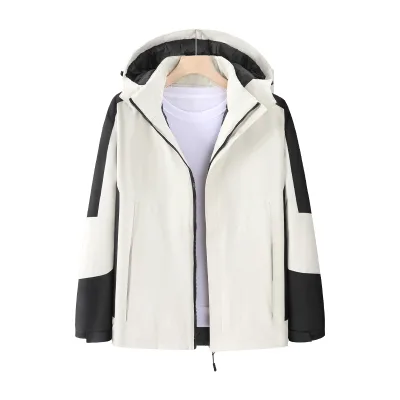
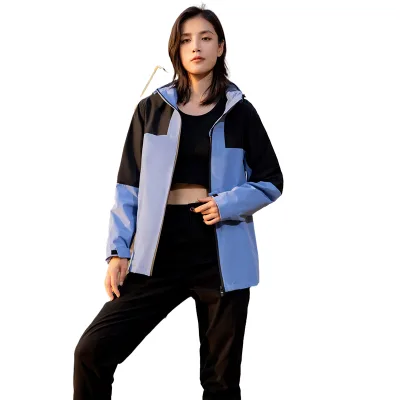


Stylish Unisex Lightweight Warm Jacket with Superior Thermal Insulation
$35.00 - $40.00
MOQ: 600 Pieces


Cool Outdoor UV Protection Skin Coat Lightweight Quick Dry Breathable Hooded Jacket
$9.59 - $10.72
MOQ: 100 piece/ pieces


Cool Vests Jacket Outdoor Work Clothes Uniform Unisex Cooling Vest with Fans
$18.00 - $25.00
MOQ: 100 SETS


Men's Warm Lightweight Quick Drying Packable Hooded Jacket for Hiking
$11.99 - $13.99
MOQ: 1000 Pieces


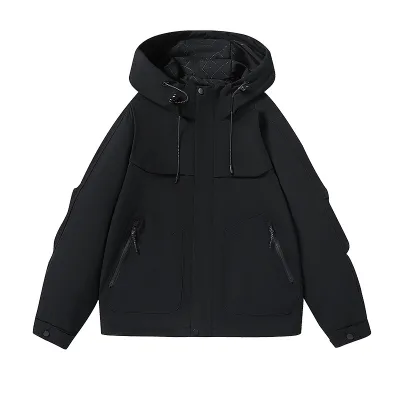
Jacket Waterproof Windproof Autumn Outdoor Travel Sports Unisex Loose Fitting
$26.40 - $38.40
MOQ: 100 pieces
Comprehensive Sourcing Guide
Sourcing Strategy for Quick Dry Unisex Cooling Jackets
The global demand for performance outerwear capable of managing thermal regulation in high-temperature environments has driven a surge in the search for quick-dry unisex cooling jackets. For B2B procurement professionals, navigating this category requires a disciplined approach that distinguishes between marketing terminology and verifiable product attributes. The market offers a diverse array of solutions, ranging from passive fabric technologies to active cooling systems involving integrated fans. This guide outlines the critical factors buyers must evaluate to ensure the selected products align with operational needs, safety standards, and budgetary constraints without relying on unverified claims.
Technical Specifications and Material Composition
When evaluating a quick-dry unisex cooling jacket, the primary technical differentiator lies in the material composition and the specific engineering of the fabric. The supplied data indicates a prevalence of 100% polyester and polyester/cotton blends in this category. Polyester is frequently cited due to its hydrophobic nature, which facilitates rapid moisture wicking and drying times essential for high-intensity activities. However, buyers must verify the exact blend ratio, as the inclusion of cotton can alter the drying speed and durability profile.
The construction of the jacket also dictates its functional performance. Specifications observed in the market include "Medium Length" and "Long" variations, suggesting that the intended application—whether for hiking, skating, or climbing—should dictate the preferred cut. The closure type is predominantly zipper-based, offering adjustability for ventilation control. Furthermore, the collar design varies significantly between "Hooded," "Stand Collar," and "V-Neck" options. A hooded design provides additional protection against sun and wind, while a stand collar may be preferred for breathability in extreme heat.
A distinct subset of products in this category features active cooling technology. These items are described as containing a "Jacket + 5V Fans + USB Shift Line," indicating a shift from passive cooling to active thermal management. This configuration typically involves a vest or jacket structure integrated with small, battery-operated fans to circulate air directly against the skin. Buyers must scrutinize the power source requirements and the integration of the USB shift line to ensure compatibility with existing power banks or vehicle charging systems. The presence of such components adds weight and complexity to the product, necessitating a review of the "Standard" weight specifications, which have been observed ranging from 0.2kg for lighter models to heavier configurations for those with integrated electronics.
Functional Attributes and Performance Claims
The functional capabilities of these garments are central to their value proposition. The observed product attributes frequently list "Waterproof," "Breathable," and "Windproof" as key features. While these terms are common, their verification is critical. A jacket marketed as "Waterproof" must be tested against specific hydrostatic pressure standards, and "Breathable" implies a specific moisture vapor transmission rate (MVTR) that prevents internal condensation. The "Windproof" attribute suggests a tight weave or membrane that blocks air infiltration, which is vital for activities like skating or climbing where wind chill is a factor.
Additionally, the "Cooling" aspect of the product name often refers to specific fabric treatments or physical designs. Some listings highlight "Unisex Cooling Jacket" as a keyword, while others specify "Ice Cooling Vest" or "Outdoor Sport Clothing." The "Advantage" of withstanding high temperatures is a common claim, particularly for the active cooling variants. However, without third-party test results, this claim remains an observation rather than a guaranteed performance metric. Buyers should look for evidence of how the cooling is achieved: is it through evaporative fabric technology, phase-change materials, or the aforementioned active fan systems? The "Feature" of being lightweight is also noted, which is crucial for endurance sports where every gram counts.
Compliance, Certification, and Safety Standards
In the realm of B2B procurement, compliance is non-negotiable, yet the provided data presents a complex landscape regarding certifications. While some background information mentions "CE" certification, this is flagged as low-confidence and should not be assumed as a standard attribute for all listed products. The "Standard" field in the product data contains conflicting entries, ranging from size ranges like "S-3XL" and "XXXL" to material types like "Polyester" and even weight specifications like "0.2kg." This inconsistency highlights the need for buyers to verify the actual product standards independently.
Buyers must establish a clear verification protocol for safety and quality. If the product is intended for industrial or professional use, specific certifications such as ISO standards for textile safety or fire resistance may be required. For active cooling jackets with electronic components, electrical safety certifications (such as UL or CE for the fan units) are essential to prevent overheating or electrical hazards. The "Standard" field also lists "free," which may refer to a lack of specific certification or a marketing term, requiring clarification from the supplier.
It is imperative to request a Certificate of Analysis (CoA) or a test report from an accredited laboratory for any batch of cooling jackets. This document should confirm the material composition, the effectiveness of the waterproofing, and the safety of any electronic components. Relying solely on the supplier's self-declared "Standard" or "Feature" lists is insufficient for high-volume procurement. The origin of the product, noted as "China" with specific provinces like "Jiangxi" and "Hebei," should also be cross-referenced with known manufacturing hubs to ensure the supplier has the requisite infrastructure for quality control.
Cost Drivers and Pricing Dynamics
The pricing structure for quick-dry unisex cooling jackets is influenced by several variables, including material complexity, functional integration, and order volume. The observed price range in the market spans from $0.50 to $43.00 USD, a significant variance that reflects the difference between basic passive cooling vests and advanced active cooling jackets with integrated electronics.
Several factors drive these costs. First, the material composition plays a role; 100% polyester is generally more cost-effective than blends involving specialized cooling fibers or cotton. Second, the inclusion of active cooling elements, such as 5V fans and USB lines, significantly increases the bill of materials and assembly costs. Third, the "Customization" availability allows for branding and design changes, which can add to the unit cost depending on the complexity of the OEM service.
The Minimum Order Quantity (MOQ) is another critical cost driver. The observed MOQ range is 1 to 1000 units. Suppliers offering "Low MOQ" options may charge a premium per unit to cover setup costs, while larger orders typically benefit from economies of scale. Buyers should negotiate based on their specific volume needs, understanding that the lowest unit price is rarely achieved at the lowest MOQ. Additionally, the "Sample Time" of 3 days indicates a responsive supply chain, but rush orders for large quantities may incur expedited shipping fees. The "Packing" method, whether in "PE Bag," "Carton," or "OPP Bag," also impacts logistics costs, with bulk carton packing generally being more efficient for shipping than individual polybag packaging.
Typical Applications and User Demographics
The versatility of quick-dry unisex cooling jackets makes them suitable for a wide range of applications. The "Application" field explicitly lists "Hiking, Skating, Climbing," indicating that these garments are designed for high-exertion outdoor activities where temperature regulation is critical. The "Style" is often categorized as "Casual Clothes" or "Hoody," suggesting a crossover between performance gear and everyday wear.
The target demographic is primarily "Adults," with "Unisex" and "Men" being the specified user groups. The size range extends from "S" to "XXXL," ensuring coverage for a broad spectrum of body types. The "Pattern" options, including "Color Blocking," "Leopard," "Animal," and "Floral," suggest that fashion and personal expression are also considerations in the design process. This diversity allows buyers to source products that can serve both professional athletic teams and casual outdoor enthusiasts.
For industrial applications, the "Windproof" and "Waterproof" attributes make these jackets suitable for workers in outdoor environments who require protection from the elements while maintaining comfort. The "Cooling" function is particularly valuable in sectors like construction, logistics, or emergency services where heat stress is a significant occupational hazard. The ability to withstand high temperatures, as noted in the product advantages, makes these garments a viable solution for summer workwear programs.
Supplier Evaluation and Quality Control Protocols
Selecting the right supplier requires a rigorous evaluation process that goes beyond the basic product listing. The "Supply Type" is noted as "Oem Service," and "OEM" is explicitly "Welcome," indicating that most suppliers are open to customization. However, the willingness to OEM does not guarantee quality. Buyers should assess the supplier's production capacity, quality control systems, and history of delivering on time.
The "Place of Origin" is listed as "Hebei, China" and "Jiangxi, China." While these regions are known for textile manufacturing, buyers should verify the specific factory's capabilities. Requesting a factory audit or a video tour can provide insight into the production environment. The "Sample Time" of 3 days is a positive indicator of efficiency, but it is essential to evaluate the quality of the sample before committing to a large order.
Quality control should be a continuous process. Buyers must define clear acceptance criteria for the "Feature" list, ensuring that the "Breathable," "Waterproof," and "Windproof" claims are met. For active cooling jackets, testing the durability of the fans and the USB connections is crucial. The "Product Name" variations, such as "Cooling Vest" versus "Cooling Jacket," should be clearly defined in the purchase order to avoid confusion. The "Content" specification, which includes the jacket and accessories, must be verified against the physical product to ensure all components are present and functional.
Long-Term Procurement Considerations
Sourcing quick-dry unisex cooling jackets is not a one-time transaction but a strategic partnership that requires long-term planning. The "Customization" availability offers opportunities for brand differentiation, but buyers must consider the lead times and costs associated with maintaining these custom designs over multiple seasons. The "prod_model" numbers, such as "cooling jacket01" and "ICE-CFV2301," suggest that suppliers may have a catalog of models, and buyers should ensure that the chosen model remains in production for the duration of their contract.
Inventory management is another critical factor. With a wide range of sizes from "S" to "XXXL" and various colors like "Light Blue," "Dark Blue," and "Grey," buyers must forecast demand accurately to avoid stockouts or overstocking. The "Packing" method, whether "PE Bag" or "Carton," should be optimized for storage and distribution efficiency.
Finally, sustainability and ethical sourcing are becoming increasingly important in B2B procurement. While the provided data does not explicitly mention eco-friendly materials or labor standards, buyers should inquire about the supplier's policies on waste reduction, water usage in dyeing processes, and labor conditions. The "Standard" field's ambiguity regarding certifications underscores the need for buyers to proactively seek out suppliers who adhere to recognized ethical and environmental standards. By focusing on these long-term considerations, buyers can build a resilient supply chain that delivers high-quality cooling jackets while mitigating risks associated with market volatility and regulatory changes.
FAQs
How is the material composition of these jackets defined?
The jackets are primarily made of 100% polyester or polyester cotton blends. This composition ensures rapid moisture wicking and drying capabilities essential for high-intensity activities like hiking and skating.
What active cooling features are available in the product line?
Some models include integrated 5V fans and USB shift lines for active thermal management. These units combine a jacket with electronic components to circulate air directly against the skin for enhanced cooling.
Which size ranges are offered for adult buyers?
Available sizes range from Small to XXXL to accommodate various adult body types. The standard sizing covers a broad spectrum, ensuring a proper fit for both unisex and men-specific designs.
Can buyers request customization and OEM services?
Yes, customization and OEM services are explicitly welcomed by suppliers. Buyers can request specific branding or design changes, though this may affect the unit cost and minimum order quantity requirements.
What are the typical packaging methods for these items?
Packaging options include PE bags, cartons, and OPP bags depending on the order volume. Bulk orders often utilize carton packing for efficiency, while smaller samples may be shipped in individual polybags.
How long does the sample production process take?
Sample production typically requires three days to complete. This short lead time allows buyers to evaluate product quality and features before committing to larger manufacturing runs.
What is the observed price range for these jackets?
Prices range from 0.50 to 43.00 USD depending on the complexity and features. Basic passive cooling vests are at the lower end, while active models with integrated fans command higher prices.
Where are the manufacturing origins for these products located?
Products originate from China, specifically from provinces like Jiangxi and Hebei. These regions are established textile hubs capable of supporting both standard and customized production runs.