Source Quick-Drying Moisture-Wicking Yoga Bra for Gym, Fitness, Yoga
Explore 30 listings for quick-drying moisture-wicking yoga bra options suitable for gym, fitness, and yoga activities. Buyers can compare features like breathability, anti-UV protection, and customization services across multiple models and suppliers.
Key considerations
Products List


Highly Sports Versatile Moisture-Wicking Lightweight Smooth Texture Yoga Bra
$4.00 - $6.00
MOQ: 10 Pieces


Yoga Bra Moisture-Wicking Superior Quality Comfortable Fitness Training Bra
$4.20 - $6.20
MOQ: 10 Pieces


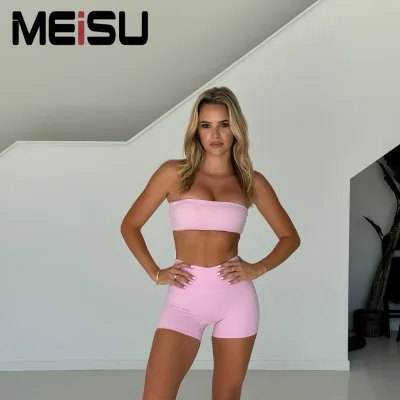
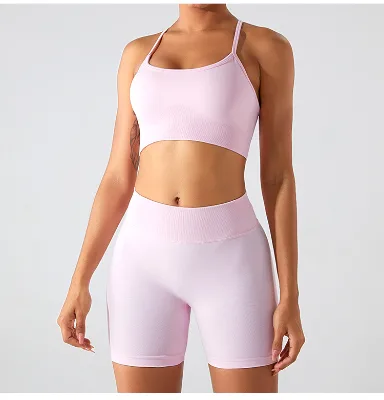


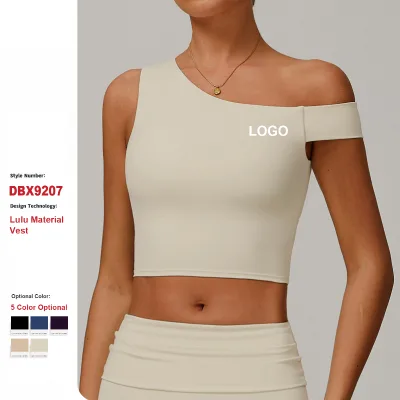


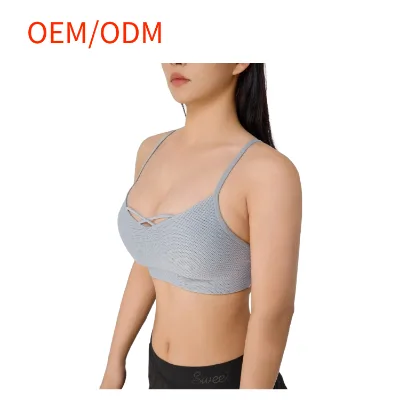
Comprehensive Sourcing Guide
Strategic Sourcing Guide for Quick-Drying Moisture-Wicking Yoga Bras
Understanding Core Technical Specifications and Material Composition
When sourcing a quick-drying moisture-wicking yoga bra, the primary focus must be on the precise material composition and the functional attributes that define performance. Based on the available product data, the dominant material for these garments is Nylon, often blended with Spandex to achieve the necessary elasticity and fit. Specific formulations observed in the market include blends such as Nylon 81% with Spandex 19%, Nylon 80% with Spandex 20%, and Nylon 75% with Spandex 25%. These ratios are critical because they dictate the balance between durability, stretch recovery, and the fabric's ability to manage moisture.
The functional features listed for these products are extensive and directly address the needs of active wear. The core attributes consistently include Quick-Drying and Moisture-Wicking capabilities, which are essential for maintaining comfort during high-intensity yoga or gym sessions. Beyond these basics, the supply chain data indicates a wide range of additional performance features depending on the specific model. Some products offer Breathable and Anti-UV properties, while others include Anti-Static characteristics. More specialized variants, often identified by specific model codes like MW2621018T-3 or SBB108, may also feature Rip-Stop technology, Windbreak capabilities, Waterproofing, and even Flame-Retardant properties.
Buyers must recognize that not every yoga bra in this category will possess every single feature listed in the general market overview. The presence of features like "Body Shape" enhancement or "Close Fit" stability is often tied to specific product models such as SBZ130 or SBL166. When evaluating a potential supplier, it is imperative to request the technical data sheet for the specific model number rather than relying on general category descriptions. The observed product models, ranging from Y-104 to SBB102, suggest a diverse inventory where material blends and feature sets vary significantly. For instance, a model with a "Rip-Stop" feature implies a different weave density and potentially a higher cost than a standard Nylon/Spandex blend designed purely for breathability.
Compliance, Certification, and Standard Verification
In the realm of athletic apparel, compliance and certification are vital for ensuring product safety and marketability, particularly for items worn directly against the skin. While the supplied data mentions "OEKO-TEX" as a background standard, it is classified as low-confidence information and should not be assumed as a guaranteed attribute of any specific listing without direct verification from the supplier. Buyers must treat this as a verification point rather than a pre-existing fact.
The standard specifications provided in the data, such as "30253," appear to refer to packaging dimensions or specific product standards rather than textile safety certifications. Similarly, the mention of "Nylon 81% spandex 19%" serves as a material standard rather than a safety certification. To ensure compliance, buyers should explicitly request documentation regarding chemical restrictions, such as REACH or specific regional textile safety standards, as these are not explicitly confirmed in the provided facts.
Furthermore, the "Customized Logo Printing" and "Oem Service" attributes indicate that many suppliers are prepared to handle private labeling. However, this customization process must adhere to the same safety standards as the base product. Buyers should verify that the inks and dyes used for custom logos do not introduce harmful substances, especially since the products are designed for close skin contact. The "Place of Origin" is listed as China for most items, with one specific reference to "GUA," which may indicate a different manufacturing hub or a specific export zone. Regardless of the origin, the buyer must ensure that the supplier can provide proof of compliance with the destination market's regulations, such as CPSIA for the US or EN standards for Europe, as these are not explicitly detailed in the source text.
Cost Drivers and Pricing Dynamics
The pricing landscape for quick-drying moisture-wicking yoga bras is influenced by several key variables, including material complexity, feature set, and order volume. The observed listed price range in the market is between $3.1 and $25 USD. This wide disparity suggests that cost is heavily driven by the specific features and material quality of the unit. A basic Nylon/Spandex blend with standard quick-drying properties will likely fall at the lower end of this spectrum, while models featuring advanced attributes like Flame-Retardant, Waterproof, or Rip-Stop technology will command prices closer to the upper limit.
The Minimum Order Quantity (MOQ) is another significant cost driver. The observed MOQ range spans from 1 to 1999 units. Suppliers offering an MOQ of 1 are typically catering to sample buyers or small retailers testing the market, often at a higher per-unit cost. Conversely, suppliers with an MOQ of 10 or higher, such as the specific listing for model SBZ130 which notes an MOQ of 10, may offer more competitive pricing for bulk orders. The "Customization" attribute, including customized logo printing and OEM services, usually incurs additional setup fees or higher unit costs, particularly for smaller order volumes.
Buyers should also consider the impact of the "Packing" specifications on the final cost. Products are often packed as "1 Set/OPP" or in "Carton Box" configurations. The choice between simple OPP bagging and more robust carton packaging can affect shipping costs and the perceived value of the product. Additionally, the "Supply Type" being "Oem Service" implies that the supplier is capable of custom manufacturing, which may involve different pricing structures compared to off-the-shelf inventory. Understanding these variables allows buyers to negotiate more effectively and align their budget with the specific quality and feature requirements of their target market.
Typical Applications and Market Segmentation
The versatility of quick-drying moisture-wicking yoga bras makes them suitable for a broad spectrum of applications, extending beyond traditional yoga practice. The product type is explicitly categorized under "Fitness & Yoga Wear," with style attributes including "Fitness," "Sports," "Yoga," "Workout," and "Gym." This indicates that the primary market segment is active individuals seeking performance-oriented apparel. However, the presence of features like "Windbreak," "Waterproof," and "Anti-UV" suggests that these garments are also suitable for outdoor activities such as hiking, trail running, or cycling, where weather protection is necessary.
The "Age Group" is specified as "Adults," confirming that the target demographic is mature consumers who prioritize performance and fit over trend-driven designs. The "Pattern" options, ranging from "Pure Colour" to "Print," allow for segmentation based on consumer preference. Pure colour options appeal to those seeking a minimalist, professional look suitable for studio classes, while print patterns may target a more fashion-forward or recreational market. The "Color" availability, with some models offering 4 or 5 color options, further supports the ability to cater to diverse aesthetic preferences.
The "Advantages" listed, such as "Comfortable," "Close Fit," and "Stable Support," highlight the functional benefits that drive purchasing decisions. These attributes are particularly relevant for high-impact activities where support is crucial. The "Strap Type" being listed as "Others" suggests a variety of strap designs, including racerback, halter, or adjustable straps, which can be matched to specific activity requirements. Buyers should consider these application nuances when selecting suppliers, ensuring that the product models they source align with the specific use cases of their customer base.
Supplier Evaluation and Quality Control Protocols
Evaluating a supplier for yoga bra procurement requires a rigorous approach to quality control and capability assessment. The "Shipping" options available, including EMS, DHL, FedEx, TNT, and Sea Ship, indicate that suppliers have established logistics networks, but buyers must verify the reliability of these services for their specific destination. The "Payment" methods, such as Trade Assurance, T/T, Western Union, and Pay Online, offer varying levels of security, with Trade Assurance being a preferred method for protecting buyer interests in international transactions.
Quality control should begin with the verification of the "Product Model" numbers. The data lists numerous models, including Y-104, Y-101, Y-169, and various SB and MW series codes. Each model likely has distinct specifications regarding material blend and feature set. Buyers should request physical samples of the specific models they intend to order to verify the "Quick-Drying" and "Moisture-Wicking" claims firsthand. The "Feature" list includes attributes like "Body Shape" and "Stable Support," which are subjective and require physical testing to confirm.
The "Customization" aspect, including "Customized Logo Printing," introduces a risk of quality variation. Buyers must ensure that the supplier has the necessary equipment and expertise to apply logos without compromising the fabric's integrity or the garment's fit. The "Packing" standard of "1 Set/OPP" or "Carton Box" should be inspected to ensure that the products arrive in good condition, free from damage or contamination. Additionally, the "Standard" of "30253" mentioned in the data may refer to packaging dimensions, which should be verified to ensure compatibility with the buyer's storage and shipping requirements.
Long-Term Procurement Considerations and Scalability
Sourcing quick-drying moisture-wicking yoga bras is not merely a one-time transaction but a strategic decision that impacts long-term business viability. The "Supply Type" being "Oem Service" suggests that suppliers are capable of scaling production as demand grows. However, buyers must assess the supplier's capacity to maintain consistent quality and delivery times as order volumes increase. The observed MOQ range of 1 to 1999 indicates flexibility, but buyers should negotiate terms that allow for gradual scaling without incurring prohibitive costs.
The "Location" of the supplier, primarily in China with one reference to "GUA," presents logistical considerations. Buyers should evaluate the lead times associated with these locations and the potential impact of geopolitical factors on supply chain stability. The "Standard" of "Nylon 81% spandex 19%" and similar blends must be maintained consistently across all production batches to ensure product reliability. Any deviation in material composition could affect the "Quick-Drying" and "Moisture-Wicking" performance, leading to customer dissatisfaction.
Furthermore, the "Customization" options offer a pathway for brand differentiation. As the business grows, the ability to introduce new colors, patterns, or features based on market feedback becomes crucial. Buyers should establish a long-term relationship with suppliers who are responsive to these changes and can adapt their production processes accordingly. The "Payment" terms, particularly "Trade Assurance," provide a safety net for these long-term engagements, ensuring that both parties adhere to agreed-upon terms. By focusing on these long-term factors, buyers can build a resilient supply chain that supports sustainable growth in the competitive athletic wear market.
FAQs
What materials are used for quick-drying moisture-wicking yoga bras?
The primary materials are Nylon and blends of Nylon with Spandex. Specific formulations include ratios like 81% Nylon with 19% Spandex, 80% Nylon with 20% Spandex, and 75% Nylon with 25% Spandex to ensure elasticity and moisture management.
Which features do these yoga bras typically offer for active wear?
Common features include Quick-Drying, Moisture-Wicking, and Breathable properties. Advanced models may also provide Anti-UV, Anti-Static, Rip-Stop, Windbreak, Waterproof, and Flame-Retardant capabilities depending on the specific product model.
Can buyers request customized logo printing on these products?
Yes, customized logo printing and OEM services are available for these yoga bras. Buyers can work with suppliers to add branding, though this customization process may involve specific setup fees or minimum order requirements.
What is the minimum order quantity for sourcing these items?
The minimum order quantity ranges from 1 to 1999 units depending on the supplier and product model. Some specific listings require a minimum of 10 units, while others cater to sample buyers with lower thresholds.
How are these yoga bras packaged for shipping and delivery?
Products are typically packed as one set in an OPP bag or in carton boxes. The packaging standard may vary, with some items listed under specific dimensions like 30*25*3 for carton configurations to ensure safe transport.
Which payment methods are accepted for these B2B transactions?
Accepted payment methods include Trade Assurance, T/T, Western Union, and Pay Online. Trade Assurance is often recommended for buyer protection during international transactions involving these fitness and yoga wear products.