Source Rack Server Solutions for Data Centers and Edge Computing
Explore 30 available Rack Server options tailored for enterprise environments. Compare specifications including X86 architecture, Intel Xeon processors, and varying storage capacities to find the right hardware for your infrastructure needs.
Key considerations
Products List


R750 Server - Poweredge R750 Server 2u Rack Server for Enterprise Storage
$1000.00 - $2000.00
MOQ: 1 Sets
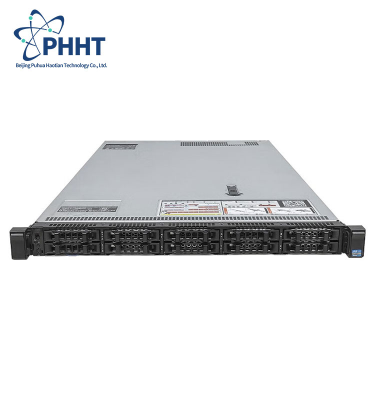


$2000.00 - $2400.00
MOQ: 2 Pieces


Premium Performance Server, Workstation, Computer Server for Enterprises
$899.00 - $1499.00
MOQ: 1 Pieces


Comprehensive Sourcing Guide
Rack Server Sourcing Guide
The modern enterprise landscape relies heavily on rack-mounted servers to deliver scalable computing power within constrained data center footprints. These systems are engineered specifically for high-density deployment, allowing organizations to maximize hardware utilization while maintaining efficient cooling and power distribution. Procurement teams must recognize that the term "Rack Server" encompasses a diverse range of architectures, from standard X86-based units designed for general enterprise workloads to specialized non-X86 systems tailored for specific processing tasks. Understanding this distinction is the first critical step in defining a procurement strategy that aligns with actual operational needs rather than generic market trends.
When evaluating the current market, buyers encounter a wide spectrum of configurations, including desktop workstations repurposed for server tasks and dedicated rack units with varying hard disk capacities. The observed product landscape includes models with specific form factors and dimensions, such as those adhering to standard rack unit measurements, alongside systems with unique packing dimensions that may impact logistics planning. It is essential to verify whether a listed product is a true Rack Server or a PC share/terminal solution, as the latter may lack the redundancy and thermal management required for continuous enterprise-level operations. This initial differentiation prevents the acquisition of hardware that cannot sustain the intended workload intensity.
Product Scope and Observed Listing Signals
Buyers must carefully scrutinize product listings to distinguish between genuine rack servers and alternative computing devices that may be mislabeled in search results. The available data indicates a mix of product types, including desktop workstations and PC share terminals, which suggests that not all items labeled with server-related keywords are suitable for rack deployment. A critical verification step involves confirming the physical "Server Type" attribute; true rack servers typically feature standardized mounting rails and specific depth dimensions, whereas desktop workstations or terminal units may require different installation environments. Relying solely on the keyword "server" without validating the physical form factor can lead to integration failures and wasted procurement resources.
The observed product range reveals significant variation in storage and processing capabilities, with some units offering hard disk capacities of 1TB or more while others list specific model numbers like R930 or R750 that denote distinct generations or manufacturers. Procurement teams should note that some listings describe systems with 20 or 16 CPU threads, indicating a need to match thread counts to specific application demands such as virtualization or high-performance computing. Additionally, the presence of specific model identifiers like Sr665 or De2000h suggests that buyers must cross-reference these exact designations with official manufacturer documentation to ensure compatibility with existing infrastructure. Ignoring these specific model signals can result in purchasing hardware that is incompatible with current software stacks or management tools.
Technical Specifications to Verify
Technical due diligence requires a rigorous examination of the system architecture and processor specifications to ensure the hardware meets performance requirements. The market data highlights a split between X86 and non-X86 server architectures, a fundamental distinction that dictates software compatibility and application support. Buyers must explicitly verify the "System Architecture" attribute for every potential purchase, as an X86 server is optimized for general-purpose enterprise applications, while non-X86 systems may be designed for specialized tasks. Failing to confirm this architectural alignment can lead to significant operational bottlenecks, as the operating system and application software may not function correctly on an incompatible processor platform.
Memory and storage configurations are equally critical, with observed listings showing memory capacities up to 32GB and hard drive options ranging from 1TB to larger enterprise-grade storage solutions. Procurement teams should verify the specific memory type, such as DDR4, and ensure that the system supports the required expansion capabilities for future growth. The presence of RAID controllers, such as the H330 model, indicates a focus on data redundancy and performance, which is vital for enterprise-level applications. Buyers must also check the processor main frequency, often listed around 2.2GHz, to ensure it meets the throughput demands of their specific workloads. A comprehensive technical review should also include an assessment of the physical dimensions, such as the 482132777mm standard, to confirm fit within the intended rack space.
Compliance and Safety Documentation
Ensuring that rack servers meet international safety and environmental standards is a non-negotiable aspect of responsible procurement. While specific certification names may vary by region, buyers must demand evidence that the hardware complies with relevant electrical safety and electromagnetic compatibility regulations. The supply chain for these components often originates from major manufacturing hubs, and verifying the "prod_origin" as China or other known production centers requires additional scrutiny of the supplier's quality management systems. Procurement teams should request documentation proving that the units have undergone rigorous testing for thermal safety, power efficiency, and structural integrity before they are deployed in a live environment.
Documentation regarding the product's packaging and shipping specifications is also essential for maintaining compliance during transit and storage. The observed data includes specific pack dimensions and weights, such as a net weight of 20kgs or a pack weight of 2.9kgs, which are critical for logistics planning and ensuring that the equipment arrives without damage. Buyers should verify that the packaging meets the necessary standards for protecting sensitive electronic components from static electricity, moisture, and physical shock. Furthermore, understanding the "prod_packing" details, whether listed as "Carton" or "Original," helps in assessing the level of protection provided and the potential for repackaging costs if the original packaging is insufficient for long-term storage or international shipping.
Cost Drivers and Commercial Terms
The total cost of ownership for rack servers is influenced by a complex interplay of hardware specifications, commercial terms, and logistical factors. Pricing in the observed market ranges significantly, from approximately $127.75 to $12,500, reflecting the vast differences in performance, capacity, and brand value between entry-level and high-end enterprise units. Buyers must analyze the "Price" attribute, which is often quoted as FOB (Free On Board), to understand the baseline cost before adding shipping, insurance, and import duties. It is crucial to clarify whether the quoted price includes the warranty period, which is observed to be up to 3 years for some units, as this significantly impacts the long-term financial risk of the purchase.
Commercial terms such as Minimum Order Quantity (MOQ) and lead times play a pivotal role in procurement planning and budget management. The observed MOQ range of 1 to 2 sets suggests flexibility for small-scale deployments, while lead times of 1-2 days after payment indicate a supply chain capable of rapid fulfillment for urgent needs. However, buyers must verify if these lead times apply to all configurations or only to stock items, as customizations may extend the delivery window. Additionally, the "Shipment Terms" involving carriers like DHL, FedEx, or UPS require careful evaluation to ensure that the chosen logistics provider can handle the specific weight and dimensions of the rack servers without incurring unexpected surcharges or delays.
Supplier Qualification and Quality Control
Selecting a qualified supplier is paramount to ensuring the reliability and longevity of Rack Server investments. Buyers should prioritize suppliers who demonstrate a clear track record in the enterprise networking sector, as evidenced by product lines dedicated to campus switches and WLAN solutions. The presence of specific product families and lines suggests that the supplier has a structured approach to product development and support, which is essential for maintaining consistent quality across different batches. Procurement teams must verify the supplier's ability to provide "Smartnet" or similar clean service options, which indicate a commitment to post-sales support and maintenance.
Quality control processes must be rigorously assessed to mitigate the risk of receiving defective or substandard hardware. The observed data includes specific part numbers and model numbers, which serve as critical identifiers for traceability and quality assurance. Buyers should require suppliers to provide detailed inspection reports and test results that confirm the hardware meets the specified performance criteria, such as the number of CPU threads and memory capacity. Furthermore, the "Warranty" terms, often listed as 3 years, should be backed by a clear service level agreement that defines the response time and replacement procedures in the event of hardware failure. A robust quality control framework ensures that the purchased servers will perform reliably under the demanding conditions of an enterprise environment.
Long-Term Procurement Checks
Sustaining the value of Rack Server investments requires ongoing monitoring of performance metrics and supply chain stability. Buyers should establish a schedule for regular audits of the deployed hardware to ensure that it continues to meet the original specifications and operational requirements. This includes verifying that the hard disk capacity, memory, and processor performance have not degraded over time and that the system remains compatible with evolving software environments. Regular checks also help in identifying potential obsolescence issues, allowing procurement teams to plan for timely upgrades or replacements before critical failures occur.
Supply chain resilience is another critical factor for long-term procurement success, particularly given the global nature of the hardware market. Buyers must maintain a relationship with suppliers that can guarantee consistent availability of spare parts and replacement units, especially for models with specific attributes like the R930 or R750. The "Delivery Port" and "Lead Time" data observed in the market should be used to develop contingency plans for potential disruptions. By maintaining a proactive approach to supply chain management, organizations can ensure that their Rack Server infrastructure remains robust and capable of supporting continuous enterprise-level operations without interruption.
FAQs
What is the typical lead time for Rack Server orders?
The typical lead time is 1-2 days after payment. This rapid turnaround applies to standard configurations available for immediate shipment. Buyers should confirm specific model requirements to ensure this timeline is met for their particular order volume and customization needs.
Can rack servers be customized for enterprise environments?
Yes, customization is available for rack servers to meet specific enterprise requirements. Buyers can request modifications to hardware attributes, memory capacity, or storage configurations. This flexibility ensures the server aligns precisely with the intended application and performance goals of the organization.
What is the minimum order quantity for rack servers?
The minimum order quantity is typically 1 set. This low MOQ allows businesses to test hardware performance or deploy small-scale infrastructure without committing to large bulk purchases. It provides flexibility for startups and enterprises scaling their IT resources gradually.
Which warranty terms apply to these rack servers?
A 3-year warranty is standard for these rack servers. This coverage ensures long-term reliability and support for critical enterprise operations. Buyers should verify specific warranty conditions with suppliers to understand the scope of hardware replacement and technical support services included.
How are rack servers packaged for international shipment?
Rack servers are packaged in cartons or boxes to ensure safe transit. The packaging is designed to protect the hardware from damage during logistics. Standard packing dimensions and weights are provided to help buyers calculate shipping costs and plan warehouse storage effectively upon arrival.
What shipping methods are used for Rack Server delivery?
Shipping methods include DHL, FedEx, UPS, and air freight. These options provide fast and reliable delivery from the Beijing port. Buyers can choose the most suitable logistics partner based on urgency, budget, and destination requirements for their enterprise infrastructure deployment.