Source Radial Commercial Truck Tires for Fleet, Haulage, and Bus
Source 30 Radial Commercial Truck Tires for global fleet operations. Compare specifications including 12.00R24 and 315/70R22.5 sizes, natural rubber construction, and GCC certifications from Shandong suppliers to find suitable replacements for drive and all-position applications; compare the available evidence and request quotations based on your requirements.
Updated
Key considerations
Products List
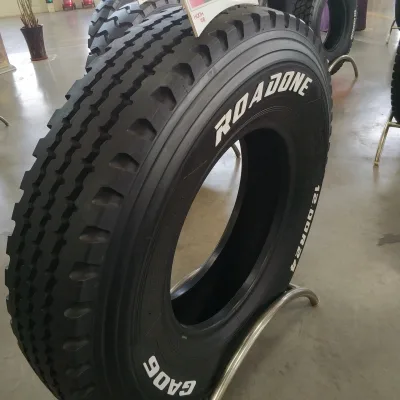
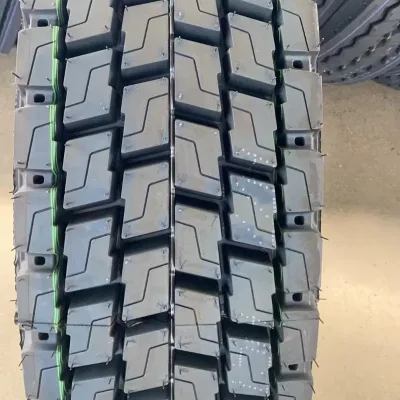
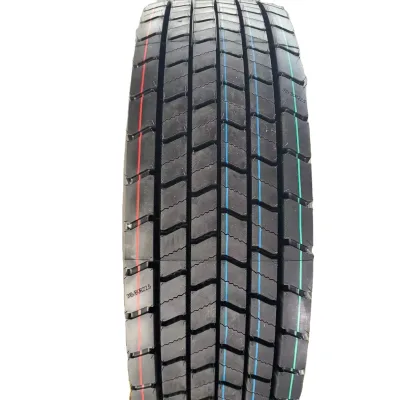
Wholesale Truck Tire Factory Commercial Truck Bus Tires Tyres Tires with Super Traction 315/70R22.5
$97.3432 - $102.4655
MOQ: 1 pieces
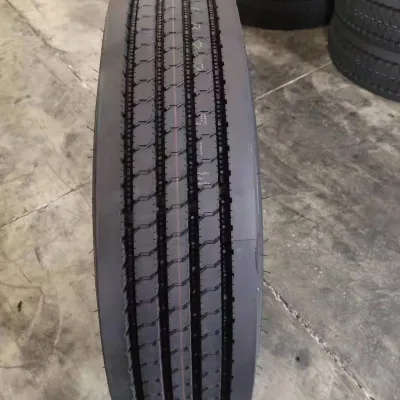
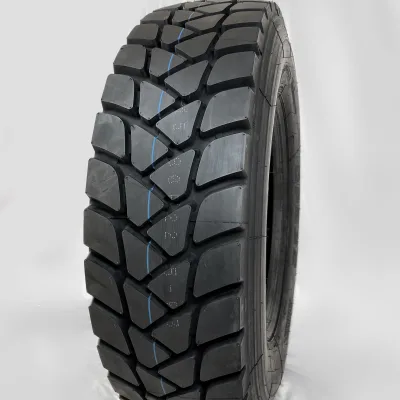
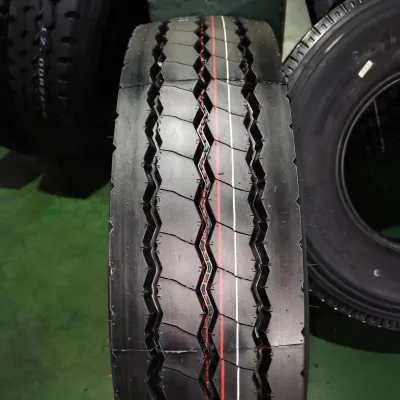
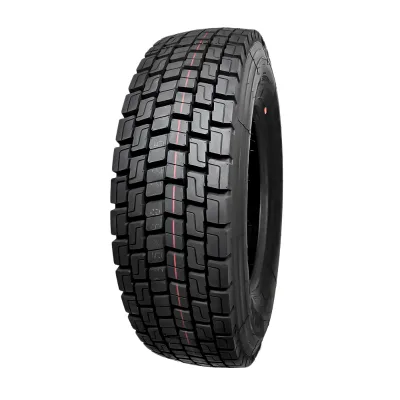
1200x24 Truck Tire Truck Tire Regroving Equipment Chinese Truck Tires for Sale
$138.00 - $142.00
MOQ: 1 pieces
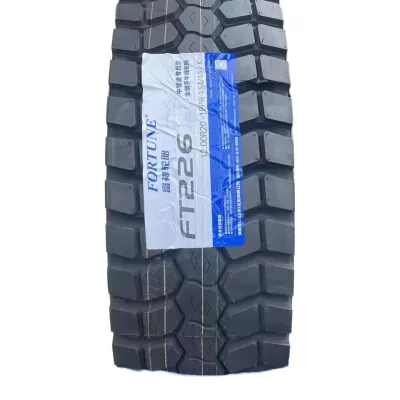


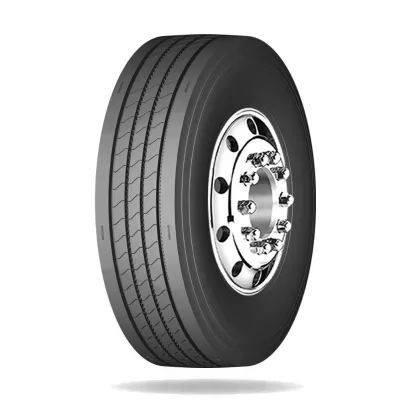
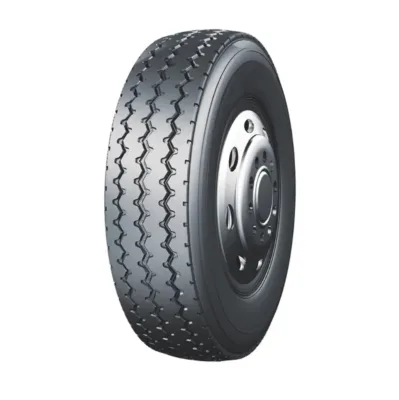
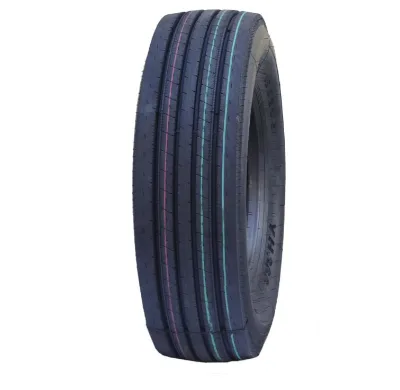
Wholesale 315 80 22.5 Radial Truck Tires New Semi Truck Radial Tyres for Trucks
$100.00 - $110.20
MOQ: 10 pieces
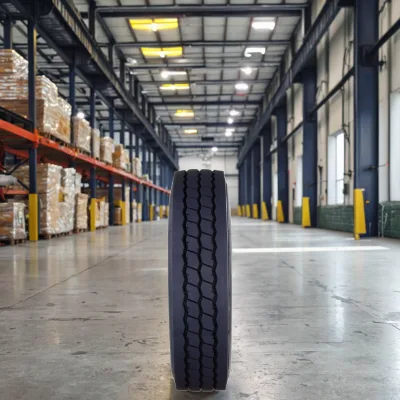
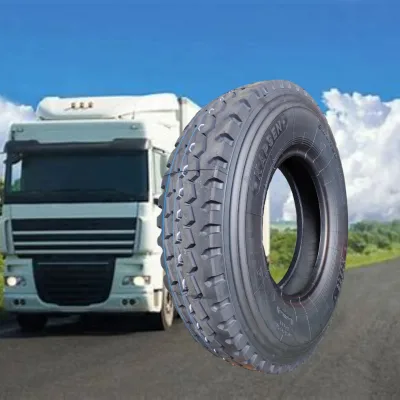
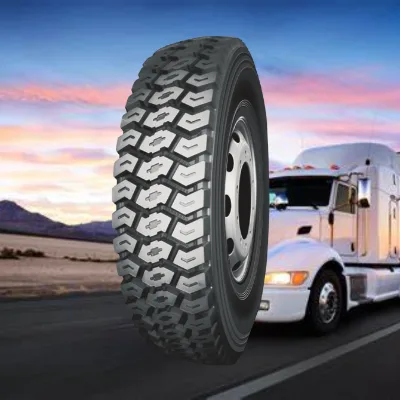
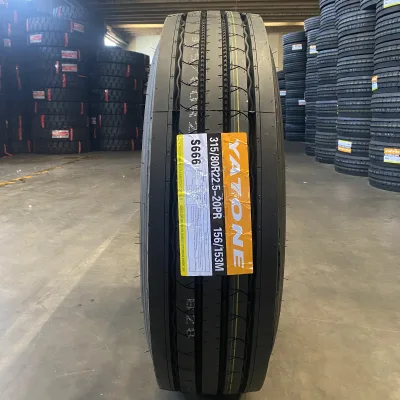
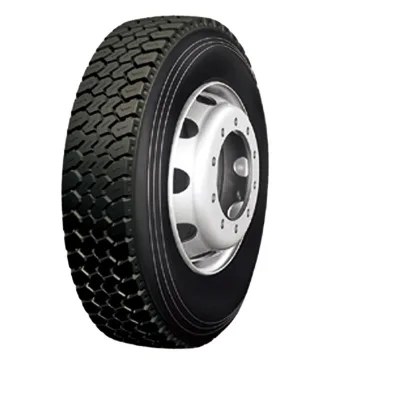
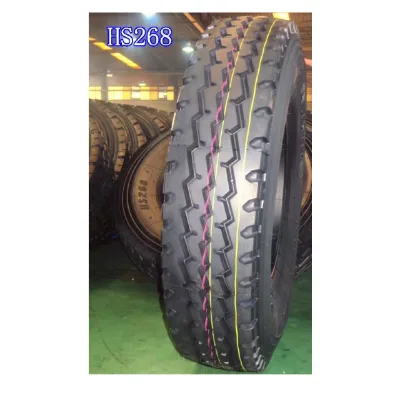
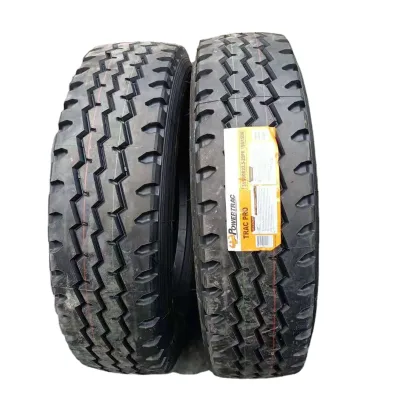
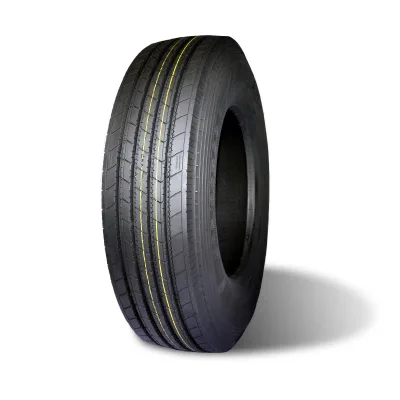
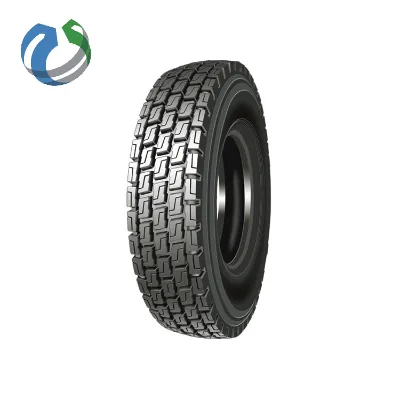
Chinese Tire Brand 315/80 R22.5 Quality Tires AW767 Commercial Trailer Truck Tire
$168.3778 - $183.6849
MOQ: 2 units
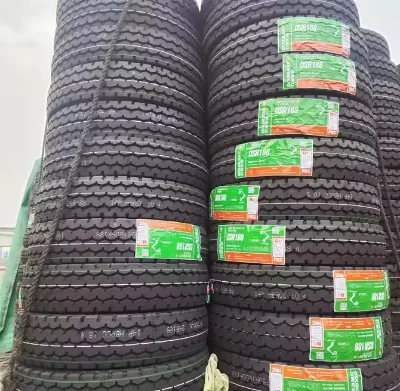
China Truck Tires Doublestar/Longmarch Radial Truck Tire 305/70r19.5
$107.61 - $108.12
MOQ: 200 pieces
Comprehensive Sourcing Guide
Radial Commercial Truck Tires Sourcing Guide
Sourcing Radial Commercial Truck Tires requires careful attention to specific product attributes that distinguish heavy-duty radial designs from bias-ply alternatives. Buyers must verify that the listed tire type explicitly matches the radial construction, as the supply data indicates a mix of radial and bias options available from Chinese manufacturers. The observed product listings highlight specific sizes such as 12.00R24 and 315/70R22.5, which are critical for matching fleet requirements. Procurement teams should prioritize suppliers who clearly define the tire design as radial to ensure compatibility with modern suspension systems and fuel efficiency goals.
The market signals suggest a diverse range of applications, from drive axles to all-position roles, necessitating a clear definition of the intended use before ordering. While some listings mention "Economy Tire" keywords, others emphasize "Top-Quality Tyre" status, indicating a wide variance in performance expectations and pricing tiers. Buyers should scrutinize the product name and specification fields to confirm whether the item is intended for road conditions or specific heavy-duty repair scenarios. Understanding these distinctions prevents the accidental procurement of tires that do not meet the operational demands of the intended vehicle class.
Product Scope and Observed Listing Signals
The observed product listings reveal a significant variation in tire specifications, with widths exceeding 255mm and rim sizes ranging from 21 to 28 inches. This diversity underscores the need for precise matching between the vehicle's axle configuration and the tire's physical dimensions. The data shows specific model numbers like 11R24.5 and 315/70R22.5, which serve as essential identifiers for buyers to avoid ordering incorrect sizes. Procurement teams must cross-reference these model numbers against their fleet's technical manuals to ensure a perfect fit for the specific truck or bus models in operation.
Listing signals also indicate a mix of tube-type and tubeless tire options, with some products explicitly labeled as "Tube Tyre Tire" while others are "Radial Tubeless Tire." This distinction is vital for maintenance planning and safety protocols, as tubeless tires generally offer better puncture resistance and heat dissipation. Buyers should verify the tube type in the product attributes to align with their existing maintenance infrastructure. Additionally, the presence of "Natural Rubber" as a primary material suggests a focus on durability, though the specific rubber source, such as Thailand top-quality natural rubber, should be confirmed for consistency in performance.
Technical Specifications to Verify
Technical verification must begin with the tire size and construction type, as the supply data lists conflicting specifications like "12.00R24" alongside "315/70R22.5." Buyers need to confirm the exact rim size and width to ensure the tire fits the wheel assembly without modification. The equipment origin, noted as Germany in some listings, may imply specific manufacturing standards, but the primary verification should focus on the physical dimensions and the radial design classification. Ensuring the tire is truly radial is essential for achieving the intended fuel economy and handling characteristics associated with modern commercial transport.
Beyond dimensions, the tread design and rubber composition are critical factors that influence longevity and traction. The listings mention "Natural Rubber" and "Thailand Top-quality Natural" rubber, which are key indicators of material quality. Buyers should request detailed specifications on the tread compound and pattern depth to assess wear resistance. Furthermore, the application field, described as "Road Condition," requires confirmation that the tire is suitable for the specific terrain and load conditions of the intended route. Verifying these technical details prevents premature failure and ensures the tire meets the operational demands of the fleet.
Compliance and Safety Documentation
Compliance verification is paramount when sourcing tires for international markets, as the data indicates certifications such as GCC, DOT, ECE, ISO, CCC, and SONCAP. Buyers must ensure that the specific tire model they intend to purchase holds the necessary certifications for the destination country. For instance, GCC certification is essential for markets in the Middle East, while DOT and ECE are required for North American and European operations respectively. Relying on a supplier who claims broad certification without verifying the specific model's status can lead to customs delays or legal liabilities.
Safety documentation also includes warranty terms and quality assurances, which are listed as "2" years in some product attributes. Buyers should request the full warranty certificate to understand the coverage limits and claim procedures. The "Top-Quality Tyre" designation should be backed by tangible quality control reports or test results rather than marketing claims. Ensuring that the supplier provides valid safety documentation for the specific batch of tires is crucial for maintaining fleet safety standards and protecting the company from liability in the event of an accident.
Cost Drivers and Commercial Terms
Cost drivers in the radial truck tire market are heavily influenced by the material composition, specifically the use of natural rubber, and the complexity of the radial construction. The observed price range of 60 to 183.68 USD suggests significant variation based on brand, size, and quality tier. Buyers should analyze the cost per mile rather than just the unit price, as higher-quality tires with better rubber compounds may offer a lower total cost of ownership despite a higher initial investment. Understanding these cost drivers helps in making informed decisions that balance budget constraints with long-term performance needs.
Commercial terms such as payment conditions and delivery times are also critical factors in the procurement process. The data indicates a standard payment term of a 30% deposit, which is common in international trade but requires careful cash flow management. Delivery times are listed as 7-15 days or within 15 days, which can vary based on order volume and shipping logistics. Buyers should negotiate clear lead times and confirm the shipping method to avoid delays that could disrupt fleet operations. Additionally, the MOQ of 1*20GP or as low as 1 unit affects the total cost structure and should be factored into the purchasing strategy.
Supplier Qualification and Quality Control
Supplier qualification involves verifying the origin and manufacturing capabilities of the tire producer, with the data pointing to Shandong, China as a primary location. Buyers should assess the supplier's production capacity and history to ensure they can consistently meet demand without compromising quality. The presence of multiple brand names like NODENS and T road indicates a competitive market, but buyers must distinguish between established manufacturers and generic rebranders. Checking the supplier's track record and customer references is essential to confirm their ability to deliver high-quality radial tires consistently.
Quality control measures should be a central part of the supplier evaluation process, focusing on the consistency of the rubber compound and the precision of the manufacturing process. The listings mention "Top-Quality Tyre" and "Natural Rubber," but these claims must be validated through third-party testing or on-site audits. Buyers should request quality control reports that detail the inspection procedures for each batch of tires. Ensuring that the supplier adheres to strict quality standards is vital for maintaining the safety and reliability of the fleet, as substandard tires can lead to costly downtime and safety incidents.
Long-Term Procurement Checks
Long-term procurement checks require a systematic approach to monitoring tire performance and supplier reliability over time. Buyers should establish a feedback loop to track wear rates, fuel efficiency, and failure incidents for each tire model in the fleet. This data will help identify which suppliers and tire models offer the best value and performance over the long term. Regular reviews of the tire inventory and usage patterns allow for proactive adjustments to the procurement strategy, ensuring that the fleet remains efficient and cost-effective.
Supplier relationship management is also a key component of long-term success, requiring ongoing communication and performance reviews. Buyers should maintain open lines of communication with suppliers to address any quality issues promptly and to negotiate better terms based on volume and performance. The ability of the supplier to adapt to changing market conditions and provide consistent support is crucial for maintaining a stable supply chain. By focusing on long-term partnerships and continuous improvement, buyers can secure a reliable source of high-quality Radial Commercial Truck Tires for their operations.
FAQs
What certifications are available for these radial truck tires?
These radial truck tires come with multiple certifications including GCC, DOT, ECE, ISO, CCC, and SONCAP. This ensures compliance with various international standards and regional regulations. Buyers can select tires based on specific market requirements, ensuring legal operation and safety across different global destinations without additional verification steps.
What is the typical delivery time for orders?
The typical delivery time ranges from 7 to 15 days after deposit confirmation. This lead time applies to standard orders placed with a 30% deposit. Buyers should account for this window when planning logistics. Faster shipping options may be available depending on the supplier's current capacity and the specific destination port requirements.
Can I order a single unit as a sample?
Yes, you can order a single item as a sample. The selling unit is listed as a single item, allowing for easy testing. While the standard MOQ is one 20GP container, individual samples are often permitted for quality verification. This helps buyers assess tread wear and durability before committing to bulk purchases.
What tire sizes are currently in stock?
Common sizes include 12.00R24, 315/70R22.5, and 11R24.5. These specifications cover various truck models and bus applications. The rim sizes range from 21 to 28 inches. Buyers should verify the exact model number required for their vehicle to ensure proper fitment and optimal performance on road conditions.
What material is used in these tires?
These tires are made from natural rubber, often sourced from Thailand for top quality. The material ensures durability and resistance to wear. The radial design combined with natural rubber provides better heat dissipation and fuel efficiency. This construction is ideal for heavy-duty truck applications requiring long service life and reliable traction.
What is the warranty period for these tires?
The warranty period is typically 2 years. This coverage protects against manufacturing defects and material failures under normal usage conditions. Buyers should retain proof of purchase and follow maintenance guidelines to validate the warranty. This ensures peace of mind and supports long-term operational reliability for fleet managers and individual truck owners.