Source Raw Pumpkin Seed Kernels for Snacks, Baking, and Oils
Explore 30 listings for Raw Pumpkin Seed Kernels from Chinese manufacturers. Buyers can compare certifications like HACCP and ISO, moisture levels under 7.5%, and packaging options ranging from 25kg bags to vacuum-sealed cartons.
Key considerations
Products List


Retail Packing Pumpkin Seeds Hulled Green Pumpkin Seeds Pumpkin Kernels
$3400.00 - $3500.00
MOQ: 1 Tons


Wholesale New Crop Pumpkin Seeds Kernels Raw and Roasted Pumpkin Seeds Kernels
$2800.00 - $3500.00
MOQ: 1 Tons


Wholesale China Pumpkin Seeds Kernels a/AA/AAA Grade Shine Skin Pumpkin Seeds Kernels
$2600.00 - $3900.00
MOQ: 18 Tons

2019 New Crop Top Quality Healthy Snack Pumpkin Seeds Kernels Pumpkin Seeds
$2900.00 - $3500.00
MOQ: 1 Tons


New Year Hot Sale Grown Without Shell Pumpkin Seed Shine Skin Kernels
$3250.00 - $3450.00
MOQ: 18 Tons

Certified Pumpkin Seeds Kernels Supplied Wholesale Pumpkin Seed Grade AA
$3250.00 - $3550.00
MOQ: 18 Tons

Comprehensive Sourcing Guide
Strategic Sourcing Guide for Raw Pumpkin Seed Kernels
Procuring Raw Pumpkin Seed Kernels requires a disciplined approach that balances agricultural variability with rigorous industrial standards. Buyers entering this market must navigate a complex landscape where product definitions, such as "Shine Skin" versus "GWS" (Green White Skin), dictate both pricing and end-use applications. The following guide outlines the critical technical, compliance, and operational factors necessary for a successful sourcing strategy, grounded in verified product attributes and industry standards.
Technical Specifications and Grade Differentiation
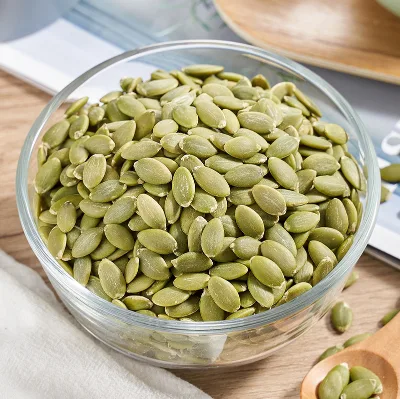
The primary technical differentiator in the pumpkin seed kernel market is the grade classification, which directly correlates to visual appearance, processing requirements, and market value. Based on available product data, the market recognizes a tiered grading system ranging from AAAA to A. The highest tier, often designated as AAAA or Grade Aaaa, typically commands a premium due to its superior uniformity and visual appeal. This grade is frequently associated with the "Shine Skin" variety, characterized by a light green to green-yellowish coloration. In contrast, lower grades such as AA or A may exhibit a darker green appearance or a mix of skin tones, often referred to as GWS.
Size specifications are equally critical for buyers targeting specific processing lines. The market standardizes sizing by sieve mesh, with common specifications including 5.5, 7.0, 7.5, and 7.8 Sieve. These metrics ensure that the kernels fit specific machinery or consumer packaging requirements. For instance, a buyer sourcing for a specific confectionery line might require the 7.5 Sieve specification to ensure consistent coating thickness. Additionally, the "230-240" size specification indicates a specific count or weight-based metric that may be relevant for bulk industrial buyers.
The physical composition of the kernels also varies significantly. Buyers must verify the moisture content, as excessive moisture can lead to mold growth during storage. Observed data indicates that moisture levels should generally be kept below 7.5%, with some high-grade specifications targeting even lower thresholds. Purity is another vital metric, with top-tier products often boasting purity levels of 99.95% or higher. The presence of foreign matters should be absent, and impurity levels are typically capped at 0.05% to 0.1%. Furthermore, the percentage of broken kernels is a key quality indicator; acceptable limits often range from 1-3% for premium grades, while lower grades may tolerate up to 3.0%. The admixture, or the presence of non-kernel material, is strictly controlled, with maximum limits observed at 0.05% to 0.1%.
Compliance and Certification Frameworks
Navigating the regulatory landscape is essential for international trade, particularly when sourcing from major production hubs like Inner Mongolia, China. Buyers must verify that suppliers possess a robust certification portfolio to ensure compliance with both domestic and international food safety standards. The most frequently observed certifications in this sector include HACCP (Hazard Analysis and Critical Control Points), FDA (Food and Drug Administration) registration, ISO (International Organization for Standardization) management systems, and BRC (British Retail Consortium) standards.
These certifications are not merely administrative hurdles; they represent a supplier's commitment to maintaining a controlled production environment. HACCP ensures that potential hazards are identified and controlled throughout the processing chain. FDA registration is a prerequisite for exporting food products to the United States, while ISO and BRC certifications are often required by European retailers. When evaluating a supplier, buyers should request current, valid certificates and verify that the scope of certification explicitly covers the processing of Raw Pumpkin Seed Kernels. It is important to note that while these certifications are standard for reputable manufacturers, the specific version or year of the standard should be confirmed to ensure it meets the latest regulatory requirements.
Cost Drivers and Pricing Dynamics
The pricing of Raw Pumpkin Seed Kernels is influenced by a confluence of factors, including crop year, grade, and packaging specifications. The market data indicates a significant price range, observed between $1 and $5,000 per unit, reflecting the diversity of product configurations. This wide variance is not indicative of a single commodity price but rather the result of different packaging formats, order volumes, and quality tiers.
The crop year is a primary cost driver. Products labeled as "New Crop" or "2022 Crop" may carry different price points depending on the harvest yield and quality of that specific season. Newer crops generally command higher prices due to their superior freshness and lower risk of storage-related degradation. Additionally, the grade of the kernel plays a substantial role in pricing. AAAA grade kernels, with their high purity and uniform size, will be priced significantly higher than A grade or mixed-grade products.
Packaging specifications also impact the final cost. Standard packaging includes 25kg PP (polypropylene) bags, which are common for bulk industrial use. However, more specialized packaging options, such as inner vacuum-sealed bags within outer PP bags, or paper bags and cartons, add to the unit cost due to increased material and labor expenses. The choice between "Raw" and "Fried" processing is another critical cost factor. While the core keyword specifies raw kernels, some suppliers offer fried variants, which involve additional processing steps and energy costs, thereby increasing the price. Buyers must carefully balance their budget against the specific processing requirements of their production line.
Typical Applications and End-Use Markets
The versatility of Raw Pumpkin Seed Kernels makes them suitable for a diverse range of applications across the food and beverage industry. The primary application is direct consumption as a snack, where the "Shine Skin" or high-grade kernels are preferred for their aesthetic appeal and texture. In this context, the light green to green-yellowish color is a key selling point for consumers.
Beyond direct consumption, these kernels are a vital ingredient in the manufacturing of confectionery products, such as chocolate-coated seeds or energy bars. The specific size specifications, such as the 7.5 Sieve, are crucial here to ensure uniform coating and texture. The high purity and low moisture content of premium grades make them ideal for long-shelf-life products, as they reduce the risk of rancidity and microbial growth.
In the industrial sector, pumpkin seed kernels are used as a base for oil extraction. The "Raw" processing status is essential for this application, as frying can alter the oil profile. The "GWS" variety, often characterized by a darker green appearance, is frequently utilized in these industrial processes where visual uniformity is less critical than oil yield and nutritional content. Additionally, the kernels serve as a protein-rich ingredient in plant-based meat alternatives and bakery products, where their nutritional profile, including low moisture and high purity, is leveraged for product formulation.
Supplier Evaluation and Operational Due Diligence
When selecting a supplier, buyers must conduct a thorough evaluation of the manufacturer's capabilities and operational history. The data points to Inner Mongolia, China, as a significant production origin, with specific manufacturers like Inner Mongolia Xuanda Food Co.,Ltd operating in this region. While specific supplier names should not be recommended, buyers should verify the existence and reputation of such entities through independent trade databases and industry references.
Key evaluation criteria include the supplier's ability to handle customization requests. The market data confirms that customization is available, allowing buyers to tailor specifications such as packaging, size, and grade to their specific needs. Buyers should assess the supplier's flexibility in meeting these custom requirements without compromising quality. Furthermore, the storage method is a critical operational factor. Suppliers must demonstrate the ability to store products in a cool, dry, well-ventilated area or under shade to maintain the integrity of the kernels. This is particularly important for products with a shelf life ranging from 12 to 23 months, as improper storage can lead to significant quality degradation.
Buyers should also verify the supplier's processing capabilities. Whether the product is processed as "Raw" or "Fried" must align with the buyer's requirements. The supplier's capacity to maintain consistent quality across different crop years is another vital consideration. A reliable supplier will have established protocols to ensure that the "2022 Crop" or "New Crop" meets the same high standards of purity, moisture, and appearance, regardless of the harvest conditions.
Quality Control and Long-Term Procurement Considerations
Implementing a robust quality control (QC) protocol is essential for mitigating risks associated with raw agricultural products. Buyers should establish clear acceptance criteria based on the observed specifications, such as moisture content not exceeding 7.5%, impurity levels below 0.05%, and broken kernel percentages within the 1-3% range for premium grades. Regular third-party testing is recommended to verify these parameters, especially for moisture and foreign matter, which can fluctuate based on storage conditions.
Long-term procurement strategies should focus on building a resilient supply chain. This involves diversifying suppliers to mitigate the risk of crop failure or logistical disruptions. Given the observed shelf life of over 12 months, buyers can plan for longer inventory cycles, but they must ensure that their storage facilities match the supplier's recommended conditions. The "Normal" storage method and the specific requirement for a "Cool, Dry, Well-Ventilated Area" must be strictly adhered to in the buyer's own logistics network.
Additionally, buyers should consider the lead times and minimum order quantities (MOQs) associated with different product configurations. The observed MOQ range of 1 to 1000 units suggests flexibility for both small-scale and large-scale buyers. However, buyers must negotiate lead times that align with their production schedules, as agricultural products are subject to seasonal availability. Establishing a long-term partnership with a supplier who can guarantee consistent supply and quality across multiple crop years will provide a competitive advantage in the market.
Summary of Key Product Attributes
To facilitate quick reference during the sourcing process, the following table summarizes the critical attributes observed in the market for Raw Pumpkin Seed Kernels. This summary serves as a checklist for buyers to verify against supplier specifications.
| Attribute Category | Key Specifications & Observations |
|---|---|
| Grade | AAAA, AAA, AA, A (Also listed as Grade Aaaa/AAA/AA/A) |
| Appearance | Light Green to Green-Yellowish (Shine Skin); Light Green/Dark Green (GWS) |
| Size | 5.5, 7.0, 7.5, 7.8 Sieve; 230-240 Count/Size |
| Moisture | Less Than 7.5% (Max 7.5%) |
| Purity | 99.95% (High Grade) |
| Impurities | 0.05% to 0.1% Max |
| Broken Kernels | 1-3% Max (Premium); 3.0% Max (Standard) |
| Foreign Matters | Absent |
| Processing | Raw (Primary); Fried (Alternative) |
| Packaging | 25kg/PP Bag; 25kg/Bag (Inner Vacuum, Outer PP); Paper Bags; Carton |
| Shelf Life | >12 Months; 12-23 Months |
| Storage | Cool, Dry, Well-Ventilated Area; Shade |
| Certifications | HACCP, FDA, ISO, BRC |
| Origin | China (Specifically Inner Mongolia) |
| Crop Year | 2022 Crop; New Crop |
By adhering to these guidelines and maintaining a rigorous focus on verified specifications, buyers can effectively navigate the raw pumpkin seed kernel market, ensuring the acquisition of high-quality products that meet their operational and commercial objectives.
FAQs
What certifications do raw pumpkin seed kernel suppliers typically hold?
Suppliers typically hold HACCP, FDA, ISO, and BRC certifications to ensure food safety compliance. These credentials verify that the production process meets international standards for handling raw agricultural products like pumpkin seeds.
How is the size of Raw Pumpkin Seed Kernels specified for buyers?
Size is specified using sieve mesh measurements such as 5.5, 7.0, 7.5, and 7.8 Sieve. Buyers should select the specific sieve size that matches their machinery or packaging requirements to ensure uniformity.
Can buyers request customization for packaging and grade specifications?
Yes, customization is available for packaging types and grade selections like AAAA or A. Buyers can tailor the product to their needs, including specific bag sizes and moisture content limits up to 7.5 percent.
Which storage conditions are required to maintain the shelf life of kernels?
Kernels must be stored in a cool, dry, well-ventilated area or under shade to preserve quality. Proper storage ensures the product maintains its shelf life of over 12 months without degradation or mold growth.
What is the maximum allowable moisture content for these raw kernels?
The maximum allowable moisture content is generally less than 7.5 percent to prevent spoilage. This strict limit ensures the kernels remain safe for consumption and suitable for long-term storage in various climates.
Which packaging materials are commonly used for shipping raw pumpkin seeds?
Common packaging materials include plastic bags, paper bags, and cartons with inner vacuum sealing. Standard options often feature 25kg PP bags or mixed configurations like 2 times 5kg bags for flexibility.
How does the crop year affect the quality and availability of kernels?
The crop year, such as 2022 or new crop, influences freshness and pricing dynamics. Newer crops typically offer superior quality and lower moisture risks, while older crops may have different availability and cost profiles.