Source Raw Chinkiang Vinegar for Cooking, Pickling, and Marinades
Find 30 listings for Raw Chinkiang Vinegar with varying acidity, packaging, and certifications. Buyers can compare natural brewing processes, private label options, and specifications from verified Chinese manufacturers.
Key considerations
Products List


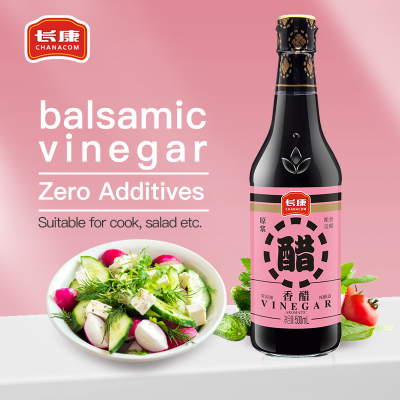
Vinegar in Glass Bottles OEM Brand Chinese Naturally Brewed White Vinegar
$3.00 - $5.00
MOQ: 500 Boxes

Vinegar in Glass Bottles OEM Brand Chinese Naturally Brewed White Vinegar
$3.00 - $5.00
MOQ: 500 Boxes

Vinegar in Glass Bottles OEM Brand Chinese Naturally Brewed White Vinegar
$3.00 - $5.00
MOQ: 500 Boxes




Comprehensive Sourcing Guide
Strategic Sourcing Guide for Raw Chinkiang Vinegar Procurement
Navigating the global market for Raw Chinkiang Vinegar requires a disciplined approach that distinguishes between specific product attributes and general category knowledge. While the core keyword "Raw Chinkiang Vinegar" often implies a dark, aged, and robust profile, the available supply chain data reveals a diverse landscape of vinegar products ranging from white rice vinegars to mature brews with varying acidity levels and packaging formats. This guide synthesizes observed product facts with trusted procurement principles to help buyers evaluate suppliers, verify compliance, and manage cost drivers effectively.
Understanding Product Variations and Technical Specifications
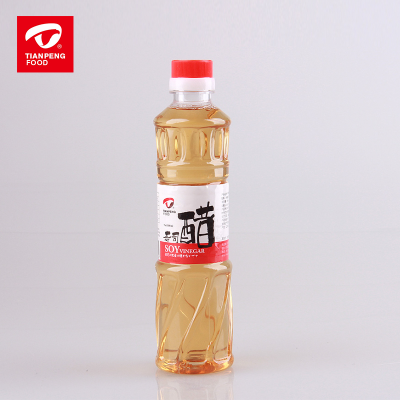
The first step in sourcing is clarifying the specific technical definition of the product required. The market data indicates significant variation in product models and specifications under the broader vinegar category. Buyers must distinguish between "Naturally Brewed White vinegar," "Rice Vinegar," and "Mature Vinegar-08" as these represent distinct processing stages and flavor profiles. For instance, some listed products feature a "Clear" color with a "Rich and Savoury Taste," while others are described as "Black" or "Red," indicating different aging processes or ingredient additions.
Acidity levels are a critical technical differentiator. Observed data shows products ranging from 5% Acidity to 10% Acidity. A buyer seeking a raw ingredient for a specific culinary application must verify which acidity level aligns with their formulation needs, as this directly impacts the shelf stability and flavor intensity of the final product. Furthermore, the physical form is consistently listed as "Liquid," but the specification of volume varies significantly. Buyers should expect to encounter models with specifications such as 150-499ml, 500-999ml, and standardized pack sizes like 625ml per bottle.
The processing method is another vital technical parameter. The supply chain data highlights "Natural Brewing Under Sunshine for 6 Months" and "Natural Brewing" as primary methods, alongside "Brewed" processing types. These processes suggest a traditional fermentation approach rather than synthetic acidification. However, the presence of "Instant" and "Fresh" type classifications alongside "Mature" models suggests that buyers must carefully review the product model description to ensure the vinegar has undergone the necessary maturation period required for authentic Chinkiang characteristics.
Compliance, Certification, and Regulatory Standards
In the B2B food and beverage sector, compliance is non-negotiable. The observed product data lists a robust array of certifications, including FDA, BRC, Halal, Kosher, HACCP, and ISO. When evaluating potential suppliers for Raw Chinkiang Vinegar, buyers should treat these certifications as evidence of a supplier's commitment to quality management systems and food safety standards. The presence of multiple certifications, such as the combination of FDA, BRC, and Halal, suggests that the supplier is capable of meeting diverse international regulatory requirements.
Buyers must verify that the specific batch or product line they intend to purchase carries the relevant certifications for their target market. For example, if the destination market requires Halal compliance, the supplier must provide valid documentation confirming this status. Similarly, the "Gluten Free" attribute is noted as "as Per Required," indicating that this is a variable specification rather than a universal constant. Procurement teams should explicitly request test reports or certificates of analysis (CoA) to confirm the gluten-free status for any specific order, rather than assuming it applies to the entire product line.
The "Zero Additives" and "Non-GMO" features are frequently highlighted in the product data. These attributes are critical for buyers targeting health-conscious markets or clean-label products. The data confirms a "Purity (%)" of 100% for certain models, which supports the claim of zero additives. However, buyers should verify that the "No Additives" claim is backed by laboratory testing results, ensuring that the product contains no preservatives, colorings, or flavor enhancers beyond the natural brewing ingredients.
Cost Drivers and Pricing Structures
The pricing landscape for Raw Chinkiang Vinegar is influenced by several dynamic factors, including volume, packaging, and customization requirements. The observed price range in the market spans from $0.45 to $25.48 USD. This wide variance is likely driven by the differences in product models, such as the distinction between standard white rice vinegar and premium mature vinegar, as well as the scale of the order.
Minimum Order Quantity (MOQ) is a significant cost driver. The data indicates an MOQ range from 1 to 15,000 units, with a specific high-confidence fact noting an MOQ of 200 cartons (ctns) for certain bulk orders. Buyers must align their order volume with these thresholds to achieve optimal unit pricing. Ordering below the standard MOQ may result in higher per-unit costs or the inability to secure the product entirely.
Packaging choices also impact the final landed cost. The supply chain offers options including "Glass Bottles," "Pet Bottles," and "Plastic Drums," with a standard pack detail of "625ml*12btls." Glass packaging typically incurs higher shipping costs due to weight and fragility but may be required for premium branding. Conversely, plastic drums or PET bottles offer a more cost-effective solution for bulk industrial applications. Additionally, the availability of "Private Label" services allows for customization, which may involve additional setup fees or higher unit costs compared to standard branded goods.
Typical Applications and Flavor Profiles
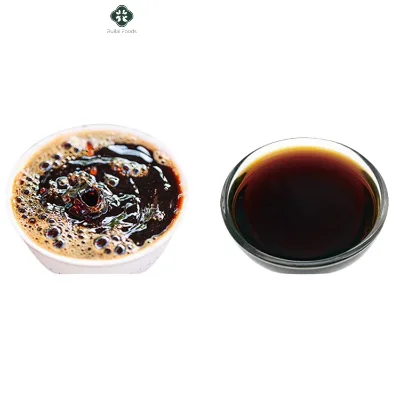
The application of Raw Chinkiang Vinegar depends heavily on its specific flavor profile and acidity. The observed data describes flavors ranging from "Sour" to "Rich and Savoury Taste." This suggests that while some products are designed for general seasoning, others are tailored for specific culinary uses where depth of flavor is paramount. The "Black" and "Red" color variations often correlate with different aging durations and ingredient compositions, making them suitable for distinct applications such as dipping sauces, marinades, or pickling.
Nutritional profiles further dictate application suitability. Some products are listed as "Fat Free (<0.5g)" and "Carbohydrate Free (<0.5g)," making them ideal for low-calorie or keto-friendly formulations. In contrast, other entries mention "Protein (>10g)," which is an unusual attribute for vinegar and may indicate a specific fortified product or a data anomaly that requires verification. Buyers must cross-reference these nutritional claims with their product development goals to ensure the vinegar meets their dietary specifications.
The "Kind" of product is categorized as "Brewage Seasoning," indicating its primary use as an ingredient in food preparation rather than a standalone beverage. This classification reinforces the need for buyers to consider how the vinegar will integrate into their existing supply chain, whether for direct consumption, manufacturing of condiments, or industrial food processing.
Supplier Evaluation and Production Capabilities
Evaluating a supplier for Raw Chinkiang Vinegar requires a deep dive into their production capabilities and operational standards. The data highlights a "Natural Brewing" process, often under sunshine for six months, which is a hallmark of authentic vinegar production. Buyers should verify the supplier's capacity to maintain this specific brewing timeline, as rushing the process can compromise the quality and flavor profile.
The origin of the product is consistently listed as "China," which is the traditional and primary production hub for Chinkiang vinegar. However, buyers should not assume all Chinese suppliers offer the same quality. The presence of advanced certifications like ISO and HACCP suggests a higher level of operational maturity. Suppliers offering "Customization" and "Private Label" services demonstrate flexibility and a customer-centric approach, which is valuable for brands looking to differentiate their offerings.
When assessing suppliers, buyers should also consider the logistics and shipping capabilities. The data mentions "by Sea" as a primary packing and shipping method, which is standard for bulk liquid shipments. Lead times and shipping schedules should be confirmed, as the natural brewing process may result in longer production cycles compared to synthetic alternatives.
Quality Control and Long-Term Procurement Strategy
Maintaining consistent quality is essential for long-term procurement success. The "Shelf Life" of the product is observed to range from 12 to 23 months. Buyers must factor this into their inventory management strategy to prevent spoilage and ensure product freshness upon delivery. Regular quality audits and third-party testing are recommended to verify that the acidity, color, and flavor profiles remain consistent over time.
For long-term partnerships, buyers should prioritize suppliers who offer transparent communication regarding their production processes and quality control measures. The ability to provide detailed "Nutrition Facts Per Serving" and clear "Additives" lists is a strong indicator of a supplier's transparency. Additionally, the availability of "Zero Additives" and "Non-GMO" options allows buyers to future-proof their product lines against changing consumer preferences and regulatory trends.
In conclusion, sourcing Raw Chinkiang Vinegar involves a careful balance of technical verification, compliance checks, and strategic cost management. By leveraging the observed product facts and applying rigorous evaluation criteria, buyers can secure high-quality ingredients that meet their specific operational and market requirements. The diversity in product models, from white rice vinegar to mature brews, offers ample opportunity for customization, provided that buyers maintain a disciplined approach to specification and quality assurance.
| Feature Category | Observed Variations | Procurement Verification Point |
|---|---|---|
| Acidity | 5% to 10% | Confirm target acidity matches application needs. |
| Color | Clear, Red, Black | Verify color consistency with flavor profile requirements. |
| Certifications | FDA, BRC, Halal, Kosher, HACCP, ISO | Request valid certificates for target markets. |
| Packaging | Glass, PET, Plastic Drums | Assess shipping costs and branding requirements. |
| Process | Natural Brewing (6 months), Instant | Verify brewing duration for authenticity claims. |
| MOQ | 1 to 15,000 units | Align order volume with supplier thresholds. |
| Nutrition | Fat Free, Carbohydrate Free, Protein >10g | Cross-reference with dietary specifications. |
FAQs
What certifications are available for Raw Chinkiang Vinegar?
Suppliers offer FDA, BRC, Halal, Kosher, HACCP, and ISO certifications. Buyers must verify specific batch documentation for target markets, as some attributes like gluten-free status are variable and require explicit confirmation.
How is the acidity level defined in the product specifications?
Acidity levels vary between 5% and 10% depending on the specific model. Buyers should confirm the exact percentage aligns with their formulation needs, as this impacts shelf stability and flavor intensity for culinary applications.
Can I request private labeling for these vinegar products?
Private labeling is acceptable for many suppliers offering customization services. This option allows for distinct branding but may involve additional setup fees or higher unit costs compared to standard unbranded bulk orders.
What packaging formats are available for bulk orders?
Packaging options include glass bottles, PET bottles, and plastic drums. The standard pack detail is often 625ml per 12 bottles, though glass incurs higher shipping costs due to weight and fragility compared to plastic.
What is the typical minimum order quantity for these products?
MOQ ranges from 1 unit up to 15,000 units, with some bulk orders requiring 200 cartons. Buyers must align their order volume with these thresholds to achieve optimal unit pricing and secure the product entirely.
How long does the natural brewing process take?
The process involves natural brewing under sunshine for six months or general natural brewing. Buyers should verify the brewing duration to ensure authenticity, as rushing the process can compromise the flavor profile and quality.