Source Raw Citrine Point for Jewelry, Decor, and Collection
Find and compare 30 listings for Raw Citrine Point from global suppliers. Evaluate options based on natural stone quality, polishing techniques, and bulk pricing to select the best fit for your jewelry making, holiday decoration, or art collection needs.
Key considerations
Products List
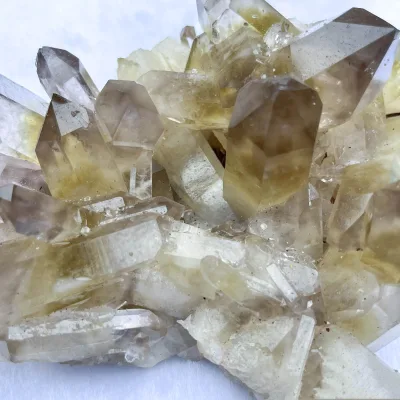

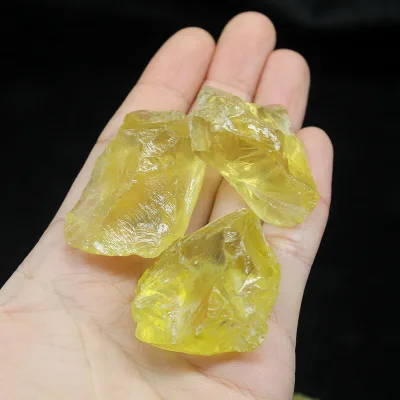


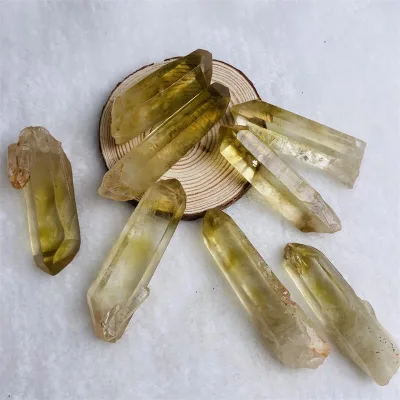


Comprehensive Sourcing Guide
Raw Citrine Point Sourcing Guide
Sourcing raw citrine points requires a nuanced understanding of the distinction between natural gemstone formations and manufactured or treated alternatives. The market for these materials is fragmented, with listings often conflating different product types, such as polished clusters, loose beads, and raw geological specimens. Buyers must navigate a landscape where terminology like "citrine cluster" or "natural stone" is used broadly, sometimes covering items that are actually synthetic or heavily processed. The core keyword, Raw Citrine Point, implies a specific aesthetic and geological state, yet observed listings reveal a wide variance in what suppliers consider to fit this description. Some products are described as having a "natural cut" while others are labeled as "polished" or even "folk art" style, indicating that the physical form of the citrine can range from unaltered crystal points to decorative, irregular shapes.
To procure effectively, buyers must establish clear definitions of what constitutes a "raw" point in their specific context. This involves distinguishing between true raw crystals, which retain their natural matrix and unpolished surfaces, and those that have been tumbled, polished, or carved for decorative purposes. The observed data indicates that many suppliers offer items labeled as "natural citrine" but with attributes such as "polished technique" or "irregular shape," which may not meet the strict definition of a raw point. Furthermore, the presence of synthetic materials like "Celestile" in some listings highlights the risk of misidentification. Buyers need to verify whether the product is a genuine quartz variety or a substitute, as this distinction drastically affects value, durability, and end-use suitability.
Product Scope and Observed Listing Signals
The product scope for raw citrine points extends beyond simple geological specimens into decorative and collectible categories. Observed listings show that these items are frequently marketed for holiday decoration, gift-giving, and art collection purposes. This broad application scope means that buyers may encounter products designed for aesthetic display rather than industrial or jewelry-making use. For instance, some items are described with a "folk art" style or "European and American" aesthetic, suggesting they are curated for interior design or retail display rather than raw material processing. The "free sizes" and "one size" attributes indicate a lack of standardization, which is typical for natural stone products but requires careful specification by the buyer to ensure consistency in bulk orders.
Another significant signal in the market is the variation in packaging and presentation, which often reflects the intended use case. Listings mention packaging such as aluminum foil bags or soft paper and sponge paper within standard export cartons, which suggests a focus on protecting delicate crystal structures during transit. However, the presence of "Vitamin" nutrient composition in some product attributes is highly anomalous for stone products and may indicate a data entry error or a misclassification of the product category. Buyers should be cautious of such inconsistencies, as they may signal a lack of professional oversight by the supplier. The "high grade" and "AAAA quality" labels are also common, but without standardized grading criteria for raw stones, these terms are largely subjective and should be treated as marketing claims rather than verified quality metrics.
Technical Specifications to Verify
Technical verification begins with confirming the material composition and origin of the citrine points. While many listings claim "natural citrine" or "natural stone," others list materials like "Celestile," which is a synthetic calcium sulfate mineral, not a quartz variety. Buyers must insist on material certificates or independent laboratory testing to confirm that the product is indeed natural citrine, a variety of quartz. The origin of the product is another critical specification; while some listings indicate origins in China, such as Jiangsu or Wuzhou, others mention Europe. Since citrine is not naturally abundant in Europe, this may refer to the location of the supplier or the design origin rather than the geological source. Verifying the true geological origin is essential for assessing authenticity and potential ethical sourcing concerns.
Dimensional and physical specifications also require rigorous verification. The observed data shows a wide range of sizes, from specific bead dimensions like 5x5mm and 4x6mm to "free sizes" for clusters. For raw points, buyers should define acceptable tolerances for length, width, and weight, as natural variations are expected but excessive deviation can disrupt production lines or display aesthetics. The "single gross weight" of 1.2 kg for a 15x15x15 cm package suggests a dense material, which is consistent with stone, but buyers should verify the actual weight of individual points to ensure they meet their design requirements. Additionally, the "cutting" style, whether natural, polished, or carved, must be explicitly defined, as this affects the surface finish and structural integrity of the points.
Compliance and Safety Documentation
Compliance and safety documentation for raw citrine points primarily revolves around material safety and consumer protection regulations, particularly if the end product is intended for jewelry or home decor. Buyers should verify that the stones do not contain harmful heavy metals or radioactive elements, which can occasionally be present in natural mineral specimens. While specific test results are not provided in the observed data, buyers should request certificates of analysis (CoA) from accredited laboratories to confirm the absence of hazardous substances. This is especially important if the citrine points are to be used in products that come into direct contact with skin, such as jewelry, or in environments where children may be present.
Another aspect of compliance is the accuracy of product labeling and marketing claims. Regulations in many jurisdictions require that natural stones be accurately described, and any treatments or enhancements must be disclosed. If the citrine points have been heat-treated or dyed, this must be clearly stated to avoid misleading consumers. Buyers should also ensure that the supplier provides accurate country of origin documentation, as this can impact tariffs and trade compliance. The presence of conflicting origin information in some listings, such as both China and Europe, highlights the need for clear and consistent documentation to avoid customs delays or legal issues.
Cost Drivers and Commercial Terms
Cost drivers for raw citrine points include the quality of the stone, the size and weight of the points, and the level of processing required. Higher quality stones, often labeled as "AAAA" or "AAA," command premium prices due to their clarity, color saturation, and lack of inclusions. The size of the points also significantly impacts cost, with larger, more uniform specimens being rarer and more expensive. Processing costs, such as polishing or carving, add to the final price, while raw, unprocessed points may be more cost-effective but require additional handling by the buyer. The observed price range of $0.09 to $3120 USD reflects this wide variance, with lower prices likely corresponding to smaller, lower-grade, or synthetic items, and higher prices for large, high-quality natural specimens.
Commercial terms, including minimum order quantities (MOQ) and payment terms, vary widely among suppliers. The observed MOQ range of 1 to 5000 units suggests that some suppliers cater to small buyers or samples, while others focus on bulk industrial orders. Buyers should negotiate MOQs that align with their inventory needs and cash flow constraints. Payment terms should be structured to mitigate risk, with options such as letters of credit or escrow services being advisable for large orders. Lead times are another critical factor, as natural stone sourcing can be subject to supply chain disruptions. Buyers should clarify lead times upfront and include penalties for delays in their contracts to ensure timely delivery.
Supplier Qualification and Quality Control
Supplier qualification for raw citrine points involves assessing their expertise in natural stone sourcing and their ability to provide consistent quality. Buyers should verify the supplier's track record in handling natural minerals, including their relationships with mines and their ability to source authentic materials. The presence of brands like "Stars Gem" and "futeng" in the listings indicates that some suppliers have established brand identities, which can be a positive signal of reliability. However, buyers should not rely solely on brand names and should conduct due diligence on the supplier's operational capabilities, including their quality control processes and logistics infrastructure.
Quality control measures should be clearly defined and agreed upon before placing orders. This includes establishing sampling protocols, where buyers receive pre-shipment samples to verify quality, color, and size. Inspections can be conducted by third-party agencies to ensure that the delivered goods match the agreed specifications. Buyers should also implement a rejection policy for non-conforming goods, with clear criteria for what constitutes a defect. Given the natural variability of citrine, buyers should define acceptable ranges for color and inclusions to avoid unnecessary disputes. Regular communication with the supplier and periodic audits can help maintain quality standards and build a long-term partnership.
Long-Term Procurement Checks
Long-term procurement checks for raw citrine points involve monitoring market trends, supplier performance, and regulatory changes. Buyers should stay informed about shifts in supply and demand, as these can impact pricing and availability. Regular reviews of supplier performance, including on-time delivery rates and quality consistency, are essential for maintaining a reliable supply chain. Buyers should also assess the sustainability of their sourcing practices, ensuring that their suppliers adhere to ethical mining and labor standards. This can enhance brand reputation and mitigate risks associated with regulatory non-compliance.
Additionally, buyers should invest in building relationships with multiple suppliers to diversify their risk. Relying on a single source can expose buyers to supply disruptions, price volatility, and quality issues. By maintaining a network of qualified suppliers, buyers can negotiate better terms and ensure continuity of supply. Regular market analysis and competitor benchmarking can also provide insights into best practices and emerging opportunities. Finally, buyers should continuously update their quality control protocols and compliance documentation to reflect changes in industry standards and customer expectations, ensuring that their procurement strategy remains robust and effective.
FAQs
What is a Raw Citrine Point and how is it typically used?
A Raw Citrine Point is a natural citrine crystal piece left largely unpolished or only lightly polished, often with a natural terminated tip. Buyers use raw citrine points for jewelry making, decoration, collection, holiday gifts, and art or collectible applications. Because each piece is a natural stone, shapes and sizes vary, and sellers commonly grade quality and color before listing.
How is Raw Citrine Point material graded for quality?
Grading usually looks at color saturation, clarity, transparency, and the condition of the natural point or facet. Listings in this category may show grades such as AAA or higher letter grades, with gold yellow noted as a typical gemstone color for natural citrine. Ask suppliers for photos of representative lots, since natural stones vary piece to piece and grades are set by each seller.
Can raw citrine points be customized in size or shape?
Yes, customization is often available from suppliers in this category, though it depends on the raw material and the cutting or polishing work requested. Common requests include specific bead sizes such as 5X5mm or 4X6mm, pear or square shapes, and particular polish levels. Confirm minimum quantities, sample availability, and lead times with the supplier before placing a customized order.
What is the minimum order quantity for Raw Citrine Point products?
Minimum order quantities vary widely in this category, from as low as 1 kilogram for citrine cluster material sold by weight up to several thousand pieces for cut beads. Per-kilo listings are often sold as single items with one kilogram as the MOQ, while bead strands or loose stones may require larger minimums. Always confirm the exact MOQ listed on the product page before ordering.
How are raw citrine points packed for shipping?
Packing depends on the product type. Per-kilo crystal material may be packed at about 1.1 kilograms per aluminum foil bag with plastic lining, while beads and cut stones are commonly wrapped in soft paper or sponge paper and shipped in standard export cartons. Single packages around 15X15X15 cm with roughly 1.2 kg gross weight are typical for some items. Confirm packing details with the supplier.
Where is Raw Citrine Point material typically sourced from?
Listings in this category commonly show origins in China, including Jiangsu and Wuzhou, which are known hubs for gemstone cutting and natural stone trading. Natural citrine itself is mined in various regions, but trading and processing often happen through these hubs. Check the place of origin on each listing, as it affects shipping routes, lead times, and communication with the supplier.
What should buyers check before ordering raw citrine points in bulk?
Start with material authenticity, since heat-treated amethyst is sometimes sold as citrine, and confirm whether the stone is natural citrine. Review quality grades, size specifications, color photos of actual stock, packing methods, and whether customization is offered. Also confirm the MOQ, unit price at your order volume, shipping terms, and return handling for broken or mismatched stones before confirming the order.