Source Rear Tailgate Door Release Handle for cars, trucks, SUVs
Compare 30 Rear Tailgate Door Release Handle options from verified suppliers. Buyers can evaluate specifications, pricing, and customization features for automotive components including plastic and steel variants.
Key considerations
Products List


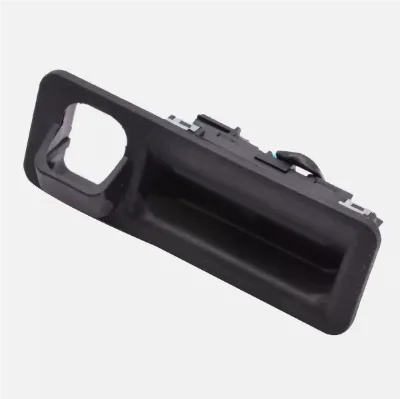


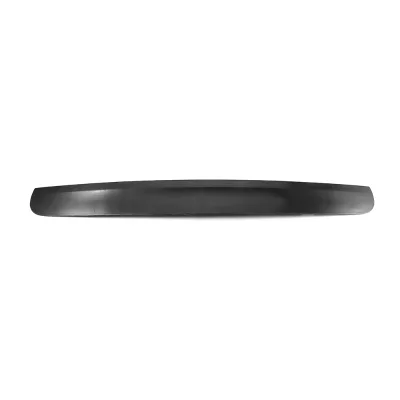
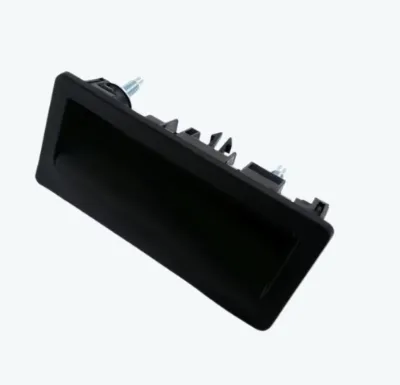
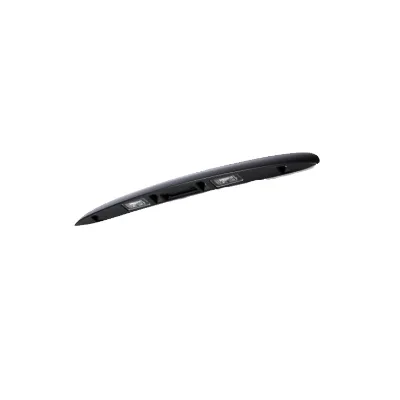
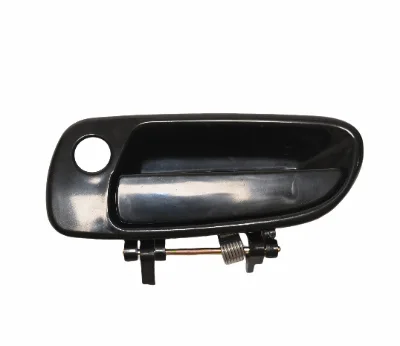


Comprehensive Sourcing Guide
Strategic Sourcing Guide for Rear Tailgate Door Release Handles
Understanding Technical Specifications and Component Variability
When sourcing a Rear Tailgate Door Release Handle, the primary challenge lies in the high degree of variability inherent in automotive component design. Unlike standardized fasteners, these handles are often engineered to fit specific vehicle architectures, requiring precise alignment with internal latch mechanisms and external body panels. The observed market data indicates a diverse range of product models, such as FX-10330, FX-10014, Fx-10051, and HXG500290PVJ, suggesting that buyers must approach procurement with a model-specific verification strategy rather than a generic search.
Material composition is a critical technical differentiator. The supply base includes components manufactured from both plastic and steel, each offering distinct performance characteristics. Plastic handles, often associated with injection molding processes, provide weight reduction and design flexibility, allowing for complex shapes and integrated locking mechanisms. In contrast, steel variants offer superior structural integrity and resistance to extreme environmental stress, though they may require additional surface treatments to prevent corrosion. Buyers must verify the specific material grade required for their application, as the choice between plastic and steel directly impacts the handle's durability, tactile feel, and compatibility with the vehicle's thermal expansion coefficients.
The physical dimensions of the component are equally vital. Observed standard specifications include measurements such as 1382.6cm and 30X17X25cm, which serve as reference points for packaging and spatial constraints. However, these dimensions often vary based on the specific vehicle model and the intended mounting location. The "Two" pin configuration noted in the data suggests a specific mounting interface that must be matched exactly to the vehicle's chassis. Furthermore, the working voltage of 12V indicates that for electronic or power-assisted release mechanisms, the electrical interface must be compatible with standard automotive electrical systems. Buyers should not assume that a handle with a 12V rating is universally compatible without verifying the current draw and connector type against their specific vehicle's wiring harness.
Compliance, Certification, and Regulatory Standards
Navigating the regulatory landscape is essential for ensuring that sourced components meet safety and quality requirements. The market data highlights the presence of specific certifications, including CE and TUV/GS marks. These certifications are not merely marketing labels but indicate that the product has undergone rigorous testing for safety, electromagnetic compatibility, and material safety. For automotive components, particularly those involved in safety-critical systems like door release mechanisms, the presence of TUV or GS certification is often a prerequisite for entry into European markets.
Buyers must verify the scope of these certifications. A CE mark, for instance, implies conformity with health, safety, and environmental protection standards for products sold within the European Economic Area. Similarly, TUV and GS certifications often relate to specific safety standards for mechanical components. It is crucial to request the actual certification documents from the supplier to confirm that the specific model number (e.g., MXAP045 or SML-TG) is covered under the certification scope. Relying on general certification claims without model-specific validation can lead to compliance failures during vehicle homologation or import inspections.
In addition to product certifications, the manufacturing process itself must adhere to relevant standards. The data mentions processes such as SLA, Vacuum Forming, CNC, and Injection Molding. While these are standard manufacturing techniques, the quality of the execution determines the final product's reliability. For plastic handles, injection molding parameters must be tightly controlled to prevent defects like sink marks or warping, which could compromise the handle's structural integrity. For steel components, the molding or forming process must ensure consistent wall thickness and surface finish. Buyers should require suppliers to demonstrate their quality management systems, such as ISO 9001, and verify that their production lines are capable of maintaining the tolerances required for automotive assembly.
Cost Drivers and Pricing Dynamics
The pricing structure for rear tailgate door release handles is influenced by a complex interplay of factors, including material costs, customization requirements, and order volume. The observed price range of 0.5 to 1000 USD reflects the vast disparity between simple, unbranded plastic components and highly engineered, custom-molded assemblies. The "Lowest" price attribute noted in the data suggests a competitive market for standard items, but buyers should be cautious of prices that seem abnormally low, as they may indicate compromised quality or the use of inferior materials.
Material selection is a primary cost driver. Steel components generally command a higher price point than plastic ones due to the raw material cost and the energy-intensive nature of metal forming processes. However, the long-term cost of ownership must be considered; a cheaper plastic handle may fail prematurely in harsh environments, leading to higher warranty costs and customer dissatisfaction. Customization is another significant factor. The data indicates that customization is available for logo, color, packing, shape, and size. Each layer of customization adds to the tooling and production costs. For instance, a custom color or a unique shape may require dedicated molds, increasing the initial investment and potentially the unit price.
Order volume plays a pivotal role in determining the final unit cost. The observed Minimum Order Quantity (MOQ) ranges from 1 to 3000 units. Buyers purchasing small quantities may face higher per-unit costs due to the fixed costs of setup and tooling. Conversely, large-volume orders can leverage economies of scale to reduce the unit price. However, buyers must balance cost savings with inventory risks. Holding large stock of customized components can be risky if vehicle production schedules change or if the design is updated. Therefore, a strategic approach involves negotiating tiered pricing structures that align with projected demand while maintaining flexibility for order adjustments.
Typical Applications and Market Segments
Rear tailgate door release handles are primarily utilized in the automotive sector, serving as a critical interface between the vehicle owner and the cargo or passenger compartment. The data explicitly identifies the product type as an "Automobile Component" and the product name as "Tailgate Rear Handle" or "Car Door Exterior Outer Back Door Handles." These components are essential for passenger vehicles, including sedans, SUVs, and light trucks, where easy access to the rear cargo area is a key design feature.
The application extends beyond standard passenger vehicles to include commercial and industrial vehicles. The mention of a "Single Lifting Weight" of 750kg and a "Cantilever Lift" type suggests that some components in the supply base may be designed for heavier-duty applications, such as liftgates on commercial vans or specialized utility vehicles. These applications require handles that can withstand frequent use and higher mechanical loads. The "High Level" quality attribute observed in the data underscores the importance of reliability in these demanding environments.
Furthermore, the customization options, such as "Depend on Customer" for colors and "Neutral Packing," indicate that these handles are often sourced for aftermarket replacement or for specific vehicle branding requirements. Original Equipment Manufacturers (OEMs) may require handles that match the vehicle's aesthetic exactly, while aftermarket suppliers may offer universal or semi-universal designs that fit a range of models. Understanding the specific application segment is crucial for selecting the right component, as the requirements for an OEM replacement part differ significantly from those of a universal aftermarket accessory.
Supplier Evaluation and Qualification Criteria
Selecting the right supplier is a critical step in the procurement process. The data reveals a diverse supplier base with varying capabilities, including those offering OEM/ODM/Obm services, custom logo and packaging, and 3D design support. When evaluating potential suppliers, buyers should prioritize those with a proven track record in automotive component manufacturing. The availability of "High Level" quality and "New" condition products suggests that suppliers should maintain strict quality control protocols.
Key evaluation criteria include the supplier's ability to meet lead times and their flexibility in handling customization requests. The observed lead times range from 10-20 days to 30 days, with sample times of 3-7 days. Buyers should assess whether these timelines align with their production schedules and whether the supplier has the capacity to scale up production if demand increases. The payment terms, such as TT/LC, also provide insight into the supplier's financial stability and willingness to engage in standard trade practices.
Additionally, the supplier's location, noted as "China," should be considered in the context of logistics and supply chain resilience. While China is a major hub for automotive component manufacturing, buyers should evaluate the supplier's export experience and their ability to navigate international shipping regulations. The "Neutral Packing" and "Pallets" options indicate that the supplier has experience with various packaging requirements, which is essential for protecting the product during transit. Buyers should also verify the supplier's ability to provide technical support and after-sales service, as this can be crucial for resolving any issues that arise during the installation or use of the components.
Quality Control and Long-Term Procurement Considerations
Ensuring consistent quality is paramount when sourcing automotive components. The data highlights attributes such as "High Level" quality and "New" condition, but these are observations rather than guarantees. Buyers must implement a robust quality control (QC) strategy that includes pre-production samples, in-process inspections, and final acceptance testing. The "Sample Time" of 3-7 days allows for a rapid evaluation of the product's fit, finish, and functionality before committing to a larger order.
Long-term procurement considerations involve building a sustainable relationship with suppliers that can adapt to changing market demands. The "Customization" attribute, which includes logo, color, packing, shape, and size, suggests that buyers should look for suppliers who can evolve with their product lines. As vehicle designs change, the handles must be updated accordingly. A supplier with strong R&D capabilities, evidenced by their "3D Design" services, can be a valuable partner in this process.
Furthermore, buyers should consider the environmental impact of their sourcing decisions. The use of "Plastic" and "Steel" materials has different environmental footprints, and suppliers may offer options for recycled materials or more sustainable manufacturing processes. The "Warranty" of 12 months is a standard offering, but buyers should negotiate terms that provide adequate protection against defects and ensure that the supplier is accountable for any failures. By focusing on these long-term factors, buyers can secure a reliable supply chain that supports their business growth and maintains high standards of product quality.
FAQs
What certifications do rear tailgate door release handles typically have?
Common certifications include CE, TUV, and GS marks for safety and compliance. Buyers must verify that specific model numbers like FX-10330 are covered under these certification scopes before purchase.
Which materials are used for rear tailgate door release handles?
These handles are manufactured from either plastic or steel depending on the design requirements. Plastic offers weight reduction while steel provides superior structural integrity for heavy-duty applications.
How long is the lead time for custom rear tailgate door release handles?
Lead times typically range from 10 to 30 days for production. Sample preparation usually takes 3 to 7 days before full-scale manufacturing begins for custom orders.
Can rear tailgate door release handles be customized for specific needs?
Yes, customization is available for logo, color, packing, shape, and size. Buyers can request specific dimensions or branding to match their vehicle models or aesthetic requirements.
What is the working voltage for electronic rear tailgate door release handles?
The standard working voltage is 12V for compatible electronic mechanisms. Buyers should verify connector types and current draw against their specific vehicle wiring harness.
Which payment terms are accepted for Rear Tailgate Door Release Handle orders?
Accepted payment methods include TT and LC for secure transactions. These terms reflect standard trade practices for international sourcing of automotive components from Chinese suppliers.
What is the warranty period for rear tailgate door release handles?
The standard warranty period is 12 months for new condition products. This coverage ensures reliability for high-level quality components used in automotive applications.