Source Rear Truck Side Mirror Bracket for Heavy Duty Use
Find and compare 30 Rear Truck Side Mirror Bracket options from verified Chinese manufacturers. Evaluate specifications like ISO9001 certification, material types, and customization availability to select the right replacement parts for your fleet maintenance needs; compare the available evidence and request quotations based on your requirements.
Key considerations
Products List

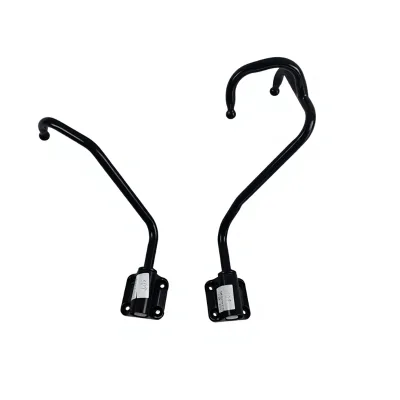
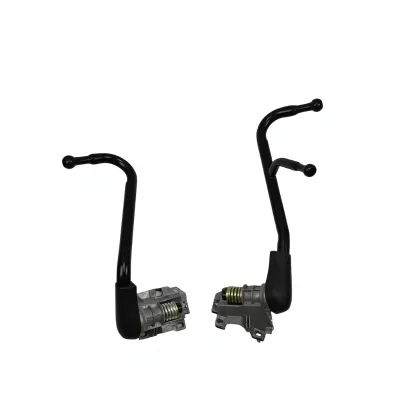


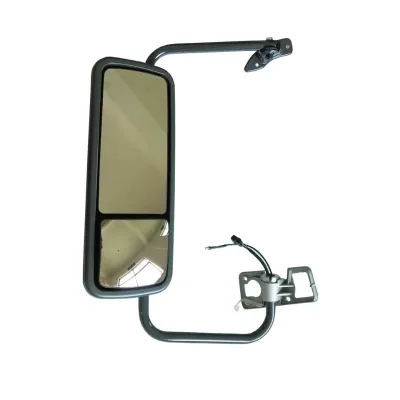
Aftermarket Car Mirrors, Side View Mirrors, Truck Mirrors and Car Mirrors.
$2.00 - $5.00
MOQ: 50 Pieces

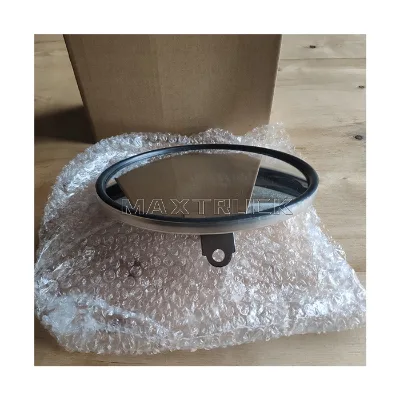


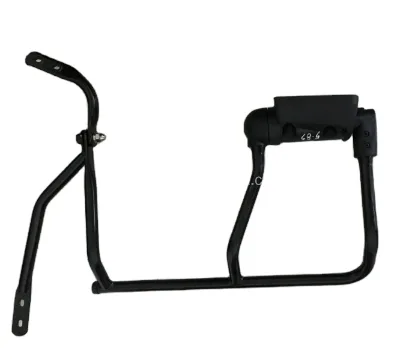


Comprehensive Sourcing Guide
Rear Truck Side Mirror Bracket Sourcing Guide
Procuring rear truck side mirror brackets requires distinguishing between structural mounting hardware and the mirror assemblies themselves, as listings often conflate these components. Buyers must verify whether the supplier provides the bracket alone or a complete unit, noting that observed product names include both "Rearview Mirror Bracket" and "Chrome Truck Side Mirror." This distinction is critical for inventory planning, as a bracket-only purchase may require separate sourcing for the glass and housing, whereas a complete unit simplifies the replacement process for fleet maintenance.
The observed market signals indicate a diverse range of specifications, from manual controlling types to spherical mirror designs with specific view angles like 120 degrees. Sourcing teams should prioritize suppliers who clearly define the placement, such as "Rear" or "Outside," and confirm the driving system parts compatibility, which may include front axle or steering transmission device integrations. Understanding these variances ensures that the selected components align with the specific mechanical architecture of the target vehicle fleet, preventing installation failures due to mismatched mounting points.
Product Scope and Observed Listing Signals
Buyers should analyze the observed listing signals to identify the specific mirror type required, as the market offers both standard glass mirrors and aluminum plating variants. The data shows products with model numbers like GM-01-507 and JD190, alongside generic descriptions such as "rear view mirror," indicating a need to match the exact model number to the vehicle's existing hardware. This verification step is essential because the physical dimensions, such as the 2.0-inch size or the 40162cm measurement, vary significantly between different truck models and mirror styles.
Commercial signals also reveal that customization is available for logos and specific packing requirements, which can influence the final procurement strategy. Suppliers offer small order options and export-standard packaging, suggesting flexibility for buyers with varying inventory needs. However, the presence of multiple standard sizes, including 230450mm and 305407mm, necessitates a careful review of the product specifications to ensure the purchased bracket fits the intended application without requiring extensive modification or adaptation.
Technical Specifications to Verify
Technical verification must begin with the mirror material and construction, as listings specify both glass and aluminum plating options with different durability profiles. Buyers need to confirm the controlling type, whether manual or otherwise, and ensure the view angle meets safety standards for the specific truck class. The presence of a 120-degree view angle in some listings suggests a focus on wide visibility, but this must be validated against the actual product to ensure it provides adequate coverage for the rear and side blind spots of the vehicle.
Dimensional accuracy is another critical technical parameter, with observed single package sizes ranging from 24X12X4 cm to larger standard dimensions like 203*305mm. Procurement teams must cross-reference these measurements with the vehicle's mounting points to avoid fitment issues. Additionally, the weight of the single item, observed at 0.420 kg, impacts shipping costs and handling requirements, making it a key factor in calculating the total landed cost for the procurement order.
Compliance and Safety Documentation
Compliance verification is paramount when sourcing automotive parts, as the observed certifications include ISO9001, CE, FCC, ECE, and DOT. Buyers must request current certification documents to confirm that the mirror brackets and assemblies meet the regulatory requirements of the destination market, particularly for regions like Southeast Asia where the main market focus is noted. Relying on the presence of these certifications ensures that the products have undergone necessary quality and safety assessments before reaching the end user.
Safety documentation should also cover the warranty terms, with observed listings offering a 6-month warranty period. This timeframe provides a baseline for supplier accountability regarding product defects and performance issues. Buyers should clarify the specific conditions under which the warranty applies, such as whether it covers manufacturing defects only or extends to installation errors, to ensure adequate protection for their investment and to mitigate the risk of premature failure in the field.
Cost Drivers and Commercial Terms
Cost drivers in this category are heavily influenced by the customization options and the complexity of the mirror assembly, such as the inclusion of spherical mirrors or specific plating materials. The observed price range of 0.3 to 120 USD reflects this variability, with higher costs likely associated with complete units featuring advanced features like high pixel counts or specialized materials. Buyers must evaluate the total cost of ownership, considering that lower unit prices may come with reduced durability or limited customization capabilities.
Commercial terms regarding minimum order quantities (MOQ) and packing standards also play a significant role in the financial planning of the procurement. The observed MOQ range of 1 to 1000 units allows for flexibility, but buyers should negotiate terms that align with their inventory turnover rates. Additionally, the choice between carton box, seaworthy, or plywood packing affects shipping costs and product protection, requiring a cost-benefit analysis to determine the most economical packaging solution for the specific shipment volume.
Supplier Qualification and Quality Control
Supplier qualification should focus on the origin and production standards, with observed data indicating a primary origin in Jiangsu, China, and adherence to standard production protocols. Buyers must verify the supplier's ability to maintain consistent quality, especially given the variation in product models and specifications. The presence of an ISO9001 certification suggests a baseline commitment to quality management, but on-site audits or third-party inspections may be necessary to ensure that the production processes consistently meet the required standards for automotive safety parts.
Quality control procedures must also address the condition of the products, which are listed as "New," and the specific model numbers to prevent the receipt of obsolete or incompatible parts. Buyers should implement a rigorous incoming inspection process to verify that the received goods match the ordered specifications, including the correct model numbers like GM-01-022 or JD190. This step is crucial for maintaining fleet reliability and avoiding the downtime associated with incorrect part replacements.
Long-Term Procurement Checks
Long-term procurement strategies should include regular performance reviews of the mirror brackets to ensure they continue to meet safety and durability standards over time. Buyers must monitor the warranty claims and return rates to identify any systemic quality issues that may arise from the supplier. Establishing a feedback loop with the supplier allows for continuous improvement and ensures that any design flaws or material weaknesses are addressed promptly to maintain fleet safety.
Supply chain resilience is another critical aspect of long-term planning, requiring buyers to assess the supplier's ability to maintain consistent lead times and inventory levels. The observed lead times and production capacities should be evaluated to ensure they can support the fluctuating demand of the fleet maintenance schedule. Developing a relationship with a reliable supplier who can offer small order options and customized solutions will help mitigate risks associated with supply disruptions and ensure a steady flow of high-quality replacement parts.
FAQs
What sizes are available for rear truck side mirror brackets?
Listed products come in sizes such as 203*305mm, 230*450mm, and 305*407mm, with other dimensions like 360*360mm also offered. Bracket measurements such as 40*16*2cm appear in the product data. Buyers should confirm the exact mirror size and mounting pattern with the supplier before ordering, since dimensions vary by truck model.
Can the Rear Truck Side Mirror Bracket be customized with our logo?
Yes, customization is available, and the product data shows logo options marked as customized. Suppliers typically require minimum order quantities for branded units, and MOQs in this category range from 1 to 1000 pieces. Confirm artwork requirements, printing methods, and any extra cost with the supplier before placing a trial order.
Which certifications do Rear Truck Side Mirror Bracket suppliers hold?
The product data lists ISO9001 certification for one listing, and another lists CE, ISO, FCC, ECE, and DOT. Certification coverage differs by supplier and listing, so verify current certificates and scope before ordering. For export markets, ECE or DOT approval on the mirror assembly may be required, so state your destination market clearly.
What is the typical packaging for rear truck side mirror brackets?
Product data shows carton box packaging for some listings and exporting standard or seaworthy packing, including seaworthy plywood packing, for others. Packaging choice usually depends on order size and shipping method. Confirm whether inner boxes, foam protection, and master cartons are included, especially for glass mirrors shipped by sea.
How do I choose between left and right side mirror brackets?
The product specification lists Left Level and Right Level options, so you must select the correct side for your truck. Check the mounting hole positions, arm length, and mirror orientation on your vehicle before ordering. Some suppliers sell brackets in pairs, while others sell single units, so confirm the selling unit per listing.
What mirror materials are used for truck side mirrors in these listings?
Listed options include aluminum plating mirror material and glass mirrors, with one chrome truck side mirror described as a spherical manual-control mirror with a 120 degree view angle. Material choice affects weight, corrosion resistance, and replacement cost. Request material specifications and confirm compatibility with your existing bracket before purchasing.
What warranty applies to rear truck side mirror brackets?
The product data lists a 6 months warranty for one listing. Warranty terms vary by supplier and may cover manufacturing defects rather than damage from installation or impact. Ask the supplier for the written warranty scope, claim process, and whether replacement parts or credits are offered for defective units in bulk orders.
Can I order a small trial quantity of mirror brackets first?
Yes, small order offerings are noted in the product data, and observed MOQs range from 1 to 1000 pieces depending on the listing. A trial order lets you check fitment, finish, and packaging quality before committing to volume. Confirm sample cost, courier shipping, and whether sample fees are credited against future bulk orders.